Find the Best Lawn Treatment Companies for Your Business
No obligation • Fast responses • Nationwide coverage

Why you can trust Landscape Atlas
Landscape Atlas is a leading United States resource for evaluating landscaping, lawn care, and outdoor service providers. Our team researches each category in depth, focusing on service quality, safety, and customer experience. Listings and rankings are based on independent criteria and user feedback, and companies cannot pay to influence our assessments or recommendations.
Search providers near you
Top Lawn Treatment Companies in Deltona, Florida Ranked
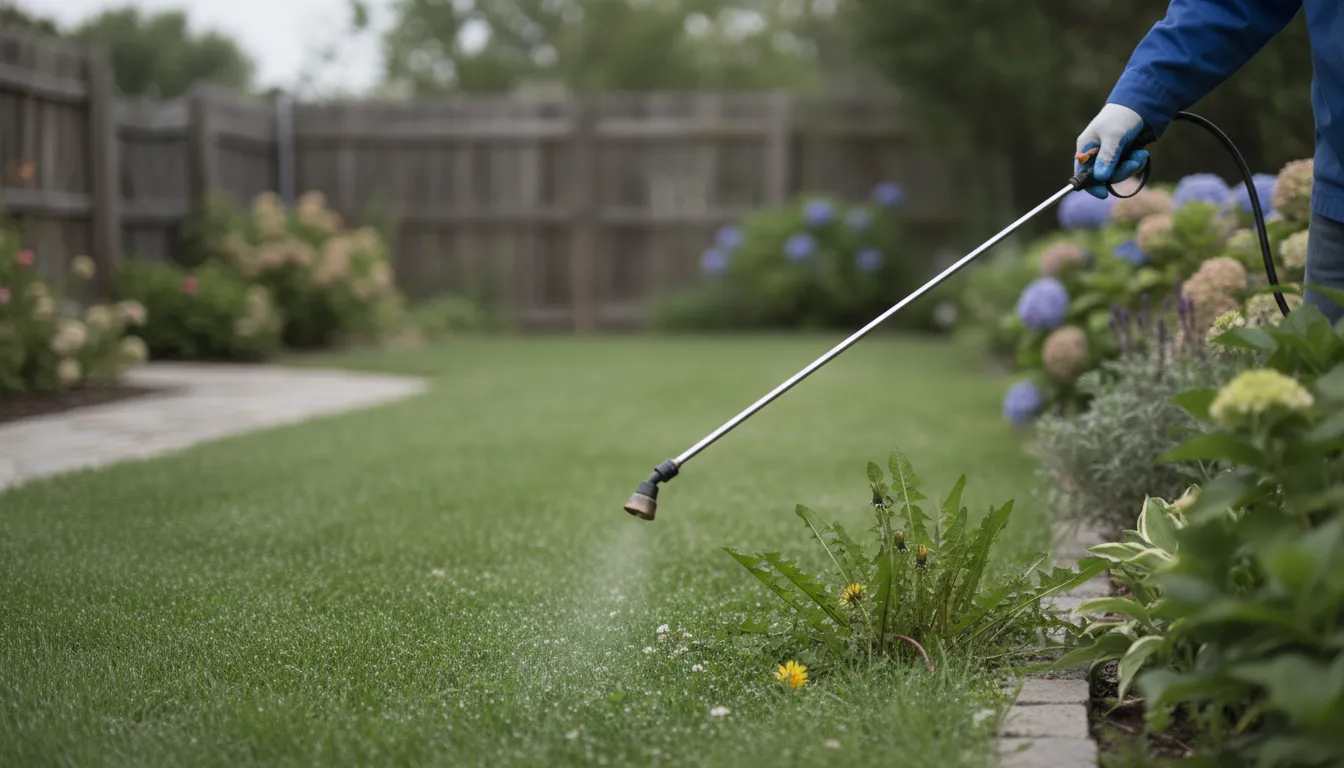
Maintaining a lush, green, and weed-free lawn in Deltona requires a specialized approach tailored to Florida's unique climate and soil. Lawn fertilization and weed control services provide the targeted nutrients and protective treatments your grass needs to thrive in the heat while fending off invasive weeds and pests. This guide will help you understand the local lawn care cycle, the services available, and how to find the right professional support for your property.
Firsthand Lawn and Landscape, LLC
3720 N Orange Blossom Trl, Orlando, FL 32804
Firsthand Lawn and Landscape, LLC is a lawn care and landscaping company based in Orlando, FL. They serve a range of clients including property managers, HOA communities, businesses, and single-family homes in Orlando and surrounding areas such as Winter Park, Windermere, Bay Hill, and Doctor Phillips. Their services include lawn mowing, fertilization, weed control, aeration, pest control, sod installation, tree and shrub planting, as well as irrigation system installation and repairs. The company emphasizes detailed, customized care for each property and offers financing options for larger projects. They focus on maintaining healthy, attractive outdoor spaces with a skilled and experienced team.
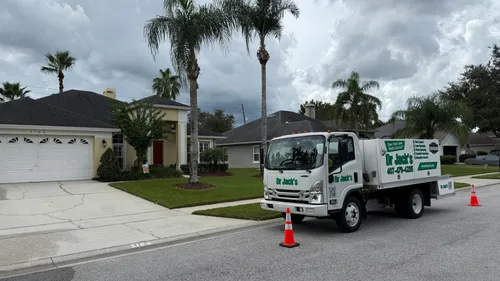
Dr. Jack's Lawn Care
130 John Young Pkwy, Orlando, FL 32805
Dr. Jack's Lawn Care is a lawn care and pest control company serving Orlando, FL. With 50 years of experience, they provide customized lawn fertilization, weed control, and pest management services tailored to each property's needs. Their technicians use integrative pest management techniques to target pests while protecting beneficial insects, pets, and family members. The company also employs a horticulturist to ensure accurate diagnosis and effective treatment plans.
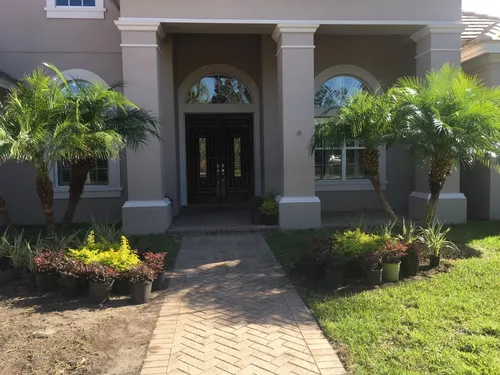
A Cut Above Lawn Maintenance & Landscaping LLC
Orlando, FL
A Cut Above Lawn Maintenance & Landscaping LLC is a landscaping and tree care company serving Orlando, FL. Established in 2003, the business offers a wide range of services including lawn mowing, fertilization, weed control, sod installation, tree trimming and removal, stump grinding, irrigation maintenance, and hardscaping. Their tree division, launched in 2023, handles complex jobs with skilled crews and specialized equipment. The company serves both residential and commercial clients, focusing on quality and safety in all projects.
King Kutz Landscaping Inc.
2525 Emerald Tree Ln, Apopka, FL 32712
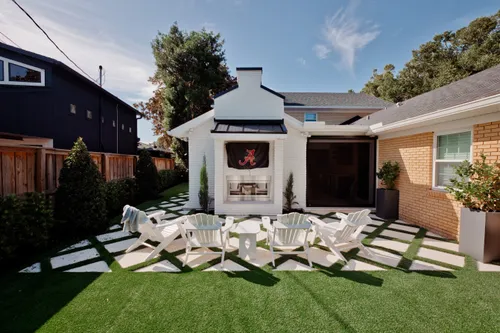
King Kutz Landscaping Inc. is a family-run landscaping company serving Orlando, FL. Founded in 2013 by Carlos Castro, they offer a wide range of services including lawn mowing, fertilization, weed control, sod installation, artificial turf, tree care and removal, hardscaping with retaining walls, water features, and stone edging. The company works with both residential and commercial clients to design and maintain outdoor spaces that meet individual needs. They are licensed and insured, using certified products to ensure quality results.
Drake Lawn & Pest Control
1584 College Park Business Center Rd, Orlando, FL 32804
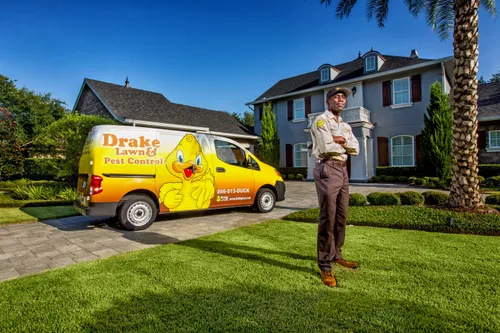
Drake Lawn & Pest Control is a family-owned pest control and lawn care company serving Orlando, FL. Established in 2004, the business offers a wide range of services including pest control, lawn fertilization, weed control, sprinkler installation and repair, landscape lighting, and comprehensive lawn care programs. Their licensed technicians use non-toxic, eco-friendly methods to manage pests such as termites, rodents, mosquitoes, and bed bugs, with a focus on identifying and sealing entry points to prevent future infestations. Drake Lawn & Pest Control also provides specialized termite detection and treatment, irrigation system services, and outdoor lighting installation. With nearly two decades of experience, the company emphasizes thorough inspections and customized treatment plans to protect residential and commercial properties in the Orlando area.
Understanding Deltona's Lawn Environment
The foundation of effective lawn care in Deltona is understanding the local conditions. The city's warm, humid climate and typically sandy soil create a specific set of challenges and requirements for turfgrass health.
Common Grass Types: Most lawns in Deltona are planted with warm-season grasses, which are perfectly adapted to the heat but have distinct growth cycles. The most prevalent types include St. Augustine and Centipede grass, with some Bermuda, Zoysia, and Bahiagrass also found in the area 1. Each type has slightly different needs regarding mowing height, water, and fertilizer tolerance, making proper identification the first step in any care plan.
Soil Considerations: Florida's sandy soil, common in Volusia County, drains quickly. While this prevents waterlogging, it also means nutrients from fertilizer can leach away rapidly, requiring specially formulated, slow-release products to ensure the grass roots can absorb them. This soil characteristic makes a consistent, professionally managed feeding schedule more critical for long-term lawn health.
The Seasonal Lawn Care Calendar for Deltona
A successful lawn nutrition and weed prevention strategy follows the natural growth cycle of warm-season grasses. Timing applications correctly is more effective and efficient than reactive treatments.
Spring (March - May): The Green-Up Phase
This is a period of vigorous growth as temperatures rise. Key tasks include:
- Pre-Emergent Weed Control: Applying a barrier herbicide in early spring is crucial to prevent summer weeds like crabgrass from germinating.
- Balanced Fertilization: A fertilizer with a balanced NPK ratio (such as 3-1-2) provides the nitrogen needed for greening up, along with phosphorus and potassium for root and plant health.
- Initial Assessment: Professionals often begin with a soil or lawn analysis to tailor their program to your yard's specific needs.
Summer (June - August): Peak Growth & Vigilance
Heat, humidity, and frequent rain define this season.
- Light Feeding: Heavy nitrogen applications can stress grass in peak heat. Lighter, sustained-nutrition formulas are often used.
- Pest and Fungus Monitoring: This is the prime season for chinch bugs, armyworms, and fungal diseases like brown patch. Many service programs include monitoring and targeted treatments.
- Deep Watering: Encouraging deep root growth through proper irrigation helps the lawn withstand drought periods.
Fall (September - November): Preparing for Dormancy
The goal shifts from top growth to root strengthening and winter preparation.
- Root-Focused Fertilization: Potassium-rich fertilizers are applied to build strong roots and improve cold tolerance 2.
- Critical Pre-Emergent Application: A fall application is essential to stop cool-season weeds like poa annua (annual bluegrass) from taking hold during the winter.
- Reduced Mowing: As growth slows, mowing frequency should decrease.
Winter (December - February): Minimal Maintenance
Warm-season grasses go dormant and growth slows significantly.
- No Fertilizer: Fertilizing during dormancy is ineffective and can pollute local waterways, which is often restricted by local ordinance.
- Winter Weed Control: Spot treatments for active winter weeds keep your lawn clean.
- System Checks: A good time to service irrigation systems and plan for the spring.
Core Services in a Professional Program
When you engage a provider for lawn feeding and weed management, their program typically encompasses several integrated services designed to work together throughout the year.
Customized Fertilization Plans: This isn't a one-size-fits-all application. Professionals use blends tailored to your grass type, soil test results, and the time of year. The focus is on slow-release formulas that feed the lawn consistently and support both vibrant color and deep root development.
Comprehensive Weed Management: Effective control is proactive. Pre-emergent herbicides form the cornerstone, applied in spring and fall to create a barrier that stops weed seeds from sprouting 3 4. Post-emergent treatments are used for spot-control of existing weeds like dollarweed or chamberbitter. A full-season program will include both strategies.
Pest and Disease Control: Lawns in Deltona are susceptible to specific threats. Treatments may be included for insects like chinch bugs and grubs, as well as fungal diseases such as brown patch and dollar spot, which thrive in humidity 5 6.
Soil Amendment & Health: Beyond basic fertilizer, services may include soil pH balancing or the application of micronutrients that are deficient in sandy local soils, creating a better environment for grass to thrive.
Find the perfect lawn treatment companies for your needs
Get personalized recommendations and expert advice
What to Expect: Investment and Value
Understanding the scope of a professional lawn care program helps in evaluating providers. Costs are influenced by your lawn's size, its current condition, the specific grass type, and the comprehensiveness of the program.
For a standard annual program covering basic fertilization and weed control for an average-sized Deltona lawn, you can expect a general range of $300 to $600 per year 7. This typically breaks down into per-visit charges that often fall between $50 and $100+ per application, depending on the services performed during that visit (e.g., fertilizer only vs. fertilizer plus pest control) 7 8. It's important to get a detailed quote based on an on-site evaluation of your property.
The value of a professional program lies in consistency, expertise, and the use of commercial-grade products. A reliable schedule ensures critical pre-emergent applications are never missed, and an expert eye can identify pest or fungus issues before they cause significant damage.
DIY Tips for a Healthier Deltona Lawn
Even if you hire a professional, these core maintenance principles will maximize your results:
- Mow Correctly: Never remove more than one-third of the grass blade at a time. Keep your mower blades sharp and maintain the recommended height for your grass type (often higher in summer) 9.
- Water Wisely: Water deeply but infrequently to encourage deep roots. Early morning watering reduces evaporation and fungal growth. Adhere to any local water restrictions.
- Follow Fertilizer Guidelines: If applying your own fertilizer, strictly follow the label instructions and observe any local "blackout dates" during the rainy season to protect water quality 10.
- Clean Equipment: Clean mower decks and gardening tools to prevent spreading weed seeds or disease across your lawn.
Finding the Right Service for Your Home
Start by seeking providers who offer a free initial lawn assessment. This visit allows them to identify your grass type, check for existing problems, and measure your lawn accurately. Ask about their specific experience with St. Augustine or Centipede grass, their approach to pre-emergent timing, and what their standard program includes. Ensure they are licensed to apply pesticides and fertilizers in Florida. A trustworthy provider will clearly explain their planned schedule, the products they use, and how they handle unexpected issues like a sudden pest outbreak.
Frequently asked questions
Sources
Footnotes
-
Deltona, FL Lawn Care | 6000+ 5-Star Reviews - https://www.getsunday.com/local-guide/lawn-care-in-deltona-fl ↩
-
Deltona's Lawn Mowing Experts - Starting at $38 - LawnGuru - https://lawnguru.co/cities/deltona-fl/lawn-mowing ↩
-
Lawn & Shrub Care in Orlando & Central Florida - https://gatoguard.com/lawn-shrub-care/ ↩
-
Weed and Fertilization - Luv-A-Lawn & Pest Control - https://luvalawn.com/services/weed-and-fertilization/ ↩
-
Residential Lawn and Ornamental Care - https://southerncarelawnandpest.com/services/lawn-ornamental/ ↩
-
Florida Lawn Spraying & Fertilization - https://turfmastersfl.com/lawn-spraying-and-fertilization/ ↩
-
How much does lawn care service cost? - Green Lawn Fertilizing - https://www.greenlawnfertilizing.com/blog/how-much-does-lawn-care-service-cost ↩ ↩2
-
How Much Does TruGreen Cost? (2026) - HomeGuide - https://homeguide.com/costs/trugreen-cost ↩
-
Deltona Lawn Care & Mowing | From $30 - GreenPal - https://www.yourgreenpal.com/local/lawn-care-deltona-fl ↩
-
Fertilizer Guidelines for Florida | Tavares, FL - Official Website - https://www.tavaresfl.gov/1056/Fertilizer-Guidelines-for-Florida ↩