Find the Best Lawn Treatment Companies for Your Business
No obligation • Fast responses • Nationwide coverage

Why you can trust Landscape Atlas
Landscape Atlas is a leading United States resource for evaluating landscaping, lawn care, and outdoor service providers. Our team researches each category in depth, focusing on service quality, safety, and customer experience. Listings and rankings are based on independent criteria and user feedback, and companies cannot pay to influence our assessments or recommendations.
Search providers near you
Top Lawn Treatment Companies in Fort Lauderdale, Florida Ranked
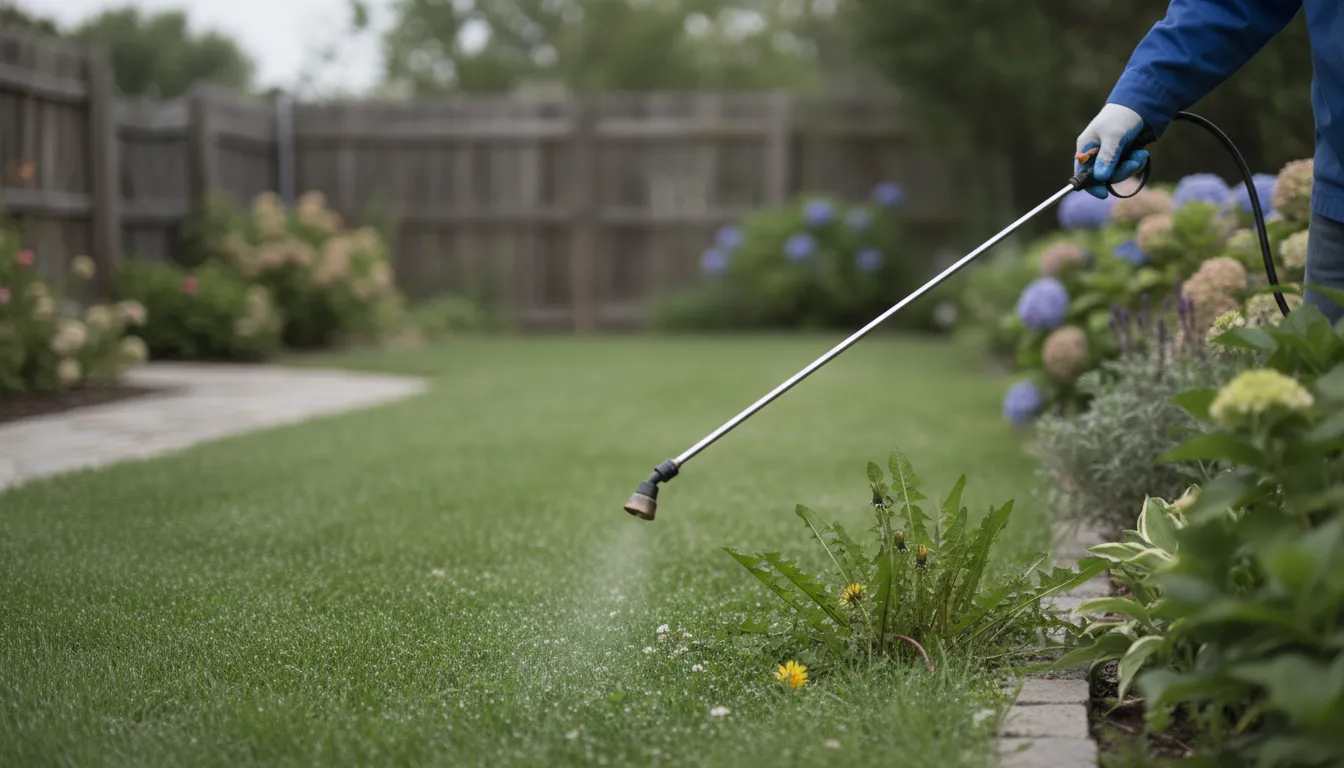
Maintaining a lush, green, and weed-free lawn in Fort Lauderdale requires a specialized approach tailored to our unique subtropical climate. Lawn fertilization and weed control are essential services that provide your grass with the nutrients it needs to thrive while actively preventing and eliminating invasive weeds. This guide will help you understand the key considerations for your property, from seasonal timing and grass types to typical treatment programs, so you can find the right local expertise for your lawn care needs.
Grasso Landscaping L.L.C
Miami, FL
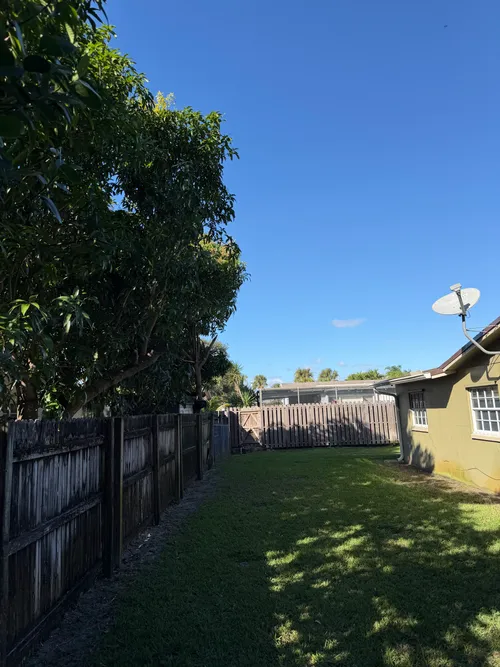
Grasso Landscaping L.L.C is a landscaping and lawn care company based in Miami, FL. They offer a range of services including lawn mowing, fertilization, weed control, and landscape design. The company provides customized lawn care plans and handles projects from initial consultation through design and execution. With over six years of experience, Grasso Landscaping serves clients throughout Broward County, focusing on tailored solutions and quality workmanship.
C S Designer Landscaping LLC
500 S Federal Hwy Apt #2592, Hallandale Beach, FL 33008
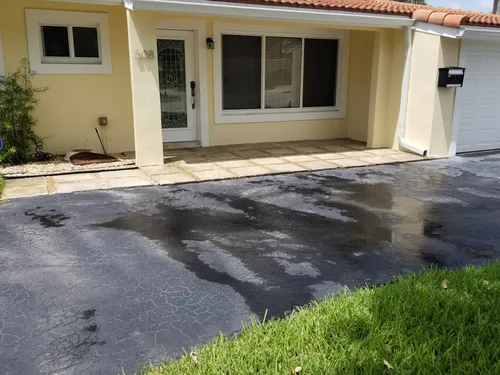
C S Designer Landscaping LLC is a landscaping company based in Miami, FL, offering a wide range of services for residential and commercial properties. Their expertise includes lawn maintenance, landscape design, sod and artificial grass installation, tree services, sprinkler installation and repair, and hardscaping such as pavers and retaining walls. With over 20 years of experience, they provide custom plans and installations tailored to client needs across Miami and surrounding counties. The company handles projects of various sizes and focuses on delivering consistent quality in all aspects of landscaping.
Sustainable Landscapes and Lawn
5209 McKinley St, Hollywood, FL 33021
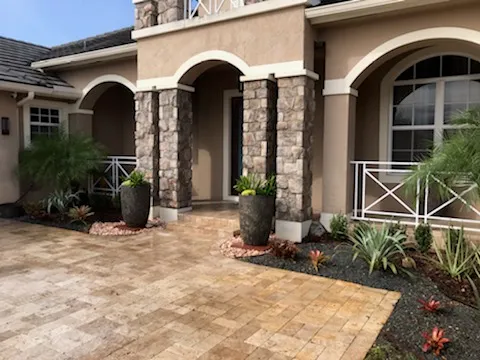
Sustainable Landscapes and Lawn is a landscaping and lawn care company based in Miami, FL. Established in 2012, they specialize in sustainable, low maintenance landscape design and maintenance services using Florida native plants and eco-friendly practices. Their services include lawn fertilization, weed control, tree trimming, sprinkler installation and repair, and custom landscape design. They focus on best management practices to create environmentally conscious outdoor spaces that are both beautiful and functional.
Santos Gonzalez Lawn Service & Landscaping
Miami, FL
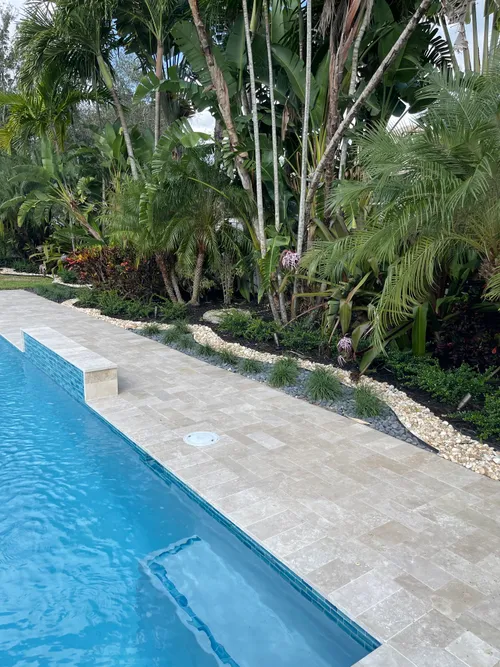
Santos Gonzalez Lawn Service & Landscaping is based in Miami, FL, offering a wide range of lawn care and landscaping services. Their expertise includes lawn mowing, fertilization, weed control, landscape design, and professional arbor care with an ISA Certified Arborist on staff. They also provide landscape lighting installation to enhance outdoor spaces after dark. Established in 2010, the company brings over a decade of experience to its projects, focusing on customized solutions and comprehensive tree services such as pruning, removals, and assessments.
Q-BAN TURF . INC
18240 Mediterranean Blvd Suite 1105, Hialeah, FL 33015
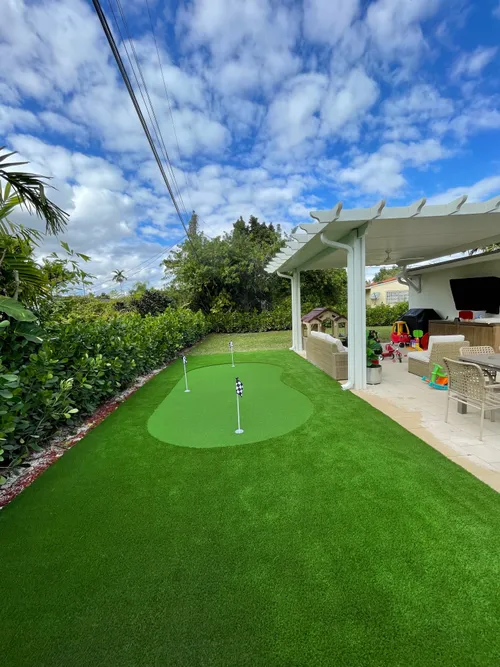
Q-BAN TURF . INC is a lawn care company based in Miami, FL, specializing in lawn fertilization, weed control, sod installation, and artificial turf installation. They offer services designed to reduce traditional lawn maintenance tasks such as watering and cutting, providing a clean and low-maintenance lawn solution. Their artificial turf products come with a 15-year manufacturer warranty and a 1-year labor warranty, with an expected lifespan of 20 to 25 years when maintained through their maintenance package.
Understanding Fort Lauderdale's Lawn Environment
The foundation of effective lawn nutrition and weed management is understanding the local conditions. Fort Lauderdale's warm, humid climate with distinct wet and dry seasons creates a year-long growing period for both desirable turfgrass and opportunistic weeds. This environment demands a proactive, scheduled approach rather than reactive spot treatments. The sandy soil common in South Florida also presents a challenge, as it drains quickly and does not retain nutrients or moisture as well as other soil types, making consistent, balanced feeding crucial.
Common Turfgrass Types
The type of grass in your yard dictates its specific nutritional needs and maintenance schedule. The most common varieties in Fort Lauderdale include:
- St. Augustine Grass: The most prevalent lawn grass in South Florida, prized for its wide blades and shade tolerance. It requires balanced, consistent feeding but is sensitive to over-fertilization, especially during cooler months.
- Zoysia Grass: Known for its dense, carpet-like growth and good drought tolerance once established. It thrives in sunny areas and benefits significantly from slow-release nitrogen formulas.
- Bermuda Grass: A heat-loving grass that excels in full sun, forming a durable turf. It requires regular nitrogen applications and responds well to balanced fertilization programs.
- Bahia Grass: A hardy, low-maintenance grass often found in less manicured lawns or areas with poorer soil. It is more tolerant of neglect but still benefits from proper nutrient management to stay healthy and green.
The Core of a Lawn Care Program: Seasonal Strategy
A successful lawn feeding and weed prevention plan is built around the calendar, adjusting formulations and targets to match the grass's growth cycle and seasonal threats.
Spring (March - May)
This is a critical period for recovery and strengthening after the mild winter. The focus is on encouraging robust growth to outcompete weeds.
- Fertilization: Apply a balanced, slow-release nitrogen fertilizer to promote steady, healthy growth without excessive spurts that can lead to disease.
- Weed Control: A spring pre-emergent herbicide application is essential to create a barrier against summer annual weeds like crabgrass before they germinate.
- Pest Control: Early season treatment for lawn-damaging insects like chinch bugs and sod webworms can prevent significant damage later.
Summer (June - August)
The rainy season brings challenges with humidity, heavy rainfall, and pest pressure. The goal shifts to maintaining health and managing stressors.
- Fertilization: Feeding should be done sparingly, if at all, with formulations less likely to contribute to nutrient runoff during heavy rains.
- Weed & Disease Control: Spot treatments with post-emergent herbicides manage breakthrough weeds. Fungicide applications may be necessary to combat diseases like brown patch or gray leaf spot, which thrive in the humidity.
- Focus on Hydration: Proper irrigation practices are key to preventing stress without overwatering.
Fall (September - November)
As growth slows, treatments focus on root development and preparing the lawn for cooler weather.
- Fertilization: A potassium-rich "winterizer" fertilizer is applied to strengthen cell walls and improve the lawn's cold and drought tolerance for the coming months.
- Weed Control: Fall is arguably the most important time for pre-emergent application to prevent winter annual weeds like poa annua (annual bluegrass).
- Soil Health: Soil pH testing and adjustment (often with lime) may be performed to ensure optimal nutrient availability.
Winter (December - February)
Growth is minimal during our mild winter, so the approach is one of maintenance and color.
- Fertilization: High-nitrogen fertilizers are avoided. Instead, applications of micronutrients like iron are used to maintain a green color without forcing excessive growth.
- Weed Control: Targeted post-emergent treatments can be used to control any cool-season weeds that appear.
Find the perfect lawn treatment companies for your needs
Get personalized recommendations and expert advice
What to Expect from a Professional Treatment Plan
Professional lawn nutrition and weed management services typically operate on a scheduled program. These are not one-time fixes but ongoing strategies designed for long-term health.
Program Structure & Frequency
Most providers offer programs consisting of 4 to 8 treatments per year, scheduled approximately every 6 to 8 weeks. This consistent schedule ensures your lawn receives the right intervention at the right time throughout the year. A comprehensive program usually includes a combination of the following components:
- Pre-emergent Herbicides: Applied in spring and fall to prevent weed seeds from germinating.
- Post-emergent Herbicides: Used as needed for spot control of existing weeds.
- Slow-Release Fertilizer: Provides a steady supply of essential nutrients (Nitrogen, Phosphorus, Potassium) over several weeks.
- Micronutrient Supplements: Such as iron, for color and health, especially in winter.
- Insect & Disease Control: Integrated pest management to address common lawn pests and fungal issues 1 2 3.
Customization is Key
The best lawn feeding programs are not one-size-fits-all. Reputable providers will tailor their approach based on a property assessment, considering your specific grass type, soil conditions, sun/shade patterns, and existing weed or pest problems 4. Many also offer add-on services, such as palm care or ornamental shrub fertilization, to create a complete landscape health plan.
Understanding Investment in Your Lawn
The cost of professional lawn fertilization and weed control in Fort Lauderdale varies based on several primary factors. The most significant is lawn size, typically categorized as small, medium, or large. The scope of services (a basic fertilization plan vs. a premium plan with pest control, soil amendments, and guaranteed results) also affects price, as does the level of local competition among providers.
Based on available market data:
- Per-Visit Cost: A single application for fertilization and weed control can range from $50 to $150 or more, depending on the size of the yard and products used 5.
- Annual Program Cost: A full-season program (typically 4-8 visits) for basic fertilization and weed control often falls in the range of $300 to $800+ annually 6 7 8. More comprehensive plans with additional services will be higher.
When evaluating providers, look for clear explanations of what each visit includes, the products they use, and any guarantees offered. Transparency in pricing and service details is a hallmark of a trustworthy professional.
The Importance of a Year-Round Approach
The key takeaway for Fort Lauderdale homeowners is that lawn health is a year-round commitment. Our climate doesn't allow for a true dormant season where lawn care stops. A consistent, professionally managed schedule that adjusts for the seasons is the most effective way to achieve a resilient, beautiful lawn that enhances your property value and enjoyment 9 10 11. By partnering with a knowledgeable local expert, you can navigate the challenges of South Florida lawn care with confidence.
Frequently asked questions
Sources
Footnotes
-
Fertilization and Weed Control - Southern Lawns - https://southernlawns.net/fertilization-and-weed-control/ ↩
-
What Can You Expect From Our 6-Treatment Lawn Care Program? - https://brooklawnservices.com/what-can-you-expect-from-our-6-treatment-lawn-care-program/ ↩
-
Weed Control Services in Fort Lauderdale, FL | The Grounds Guys - https://www.groundsguys.com/locations/florida/fort-lauderdale/weed-control/ ↩
-
Fertilization & Weed Control - Sunlight Landscape - https://sunlightlandscape.com/services/fertilization-weed-control/ ↩
-
How much does lawn care service cost? - Green Lawn Fertilizing - https://www.greenlawnfertilizing.com/blog/how-much-does-lawn-care-service-cost ↩
-
average cost of lawn fertilization service: 7 Best 2025 Wins - https://ajmgrounds.com/average-cost-of-lawn-fertilization-service/ ↩
-
How Much Does Lawn Fertilization Cost in 2026? - LawnStarter - https://www.lawnstarter.com/blog/cost/lawn-fertilization-price/ ↩
-
Lawn Care Cost Miami, Florida: 2025 Pricing Guide - https://www.yourgreenpal.com/blog/lawn-care-cost-miami-florida ↩
-
Best Fertilizer Schedule for Florida Lawns - https://www.horsemanslandscape.com/best-fertilizer-schedule-for-florida-lawns/ ↩
-
Florida Lawn Spraying & Fertilization - https://turfmastersfl.com/lawn-spraying-and-fertilization/ ↩
-
Affordable Lawn Care Plans & Pricing Options - TruGreen - https://www.trugreen.com/products-and-services ↩