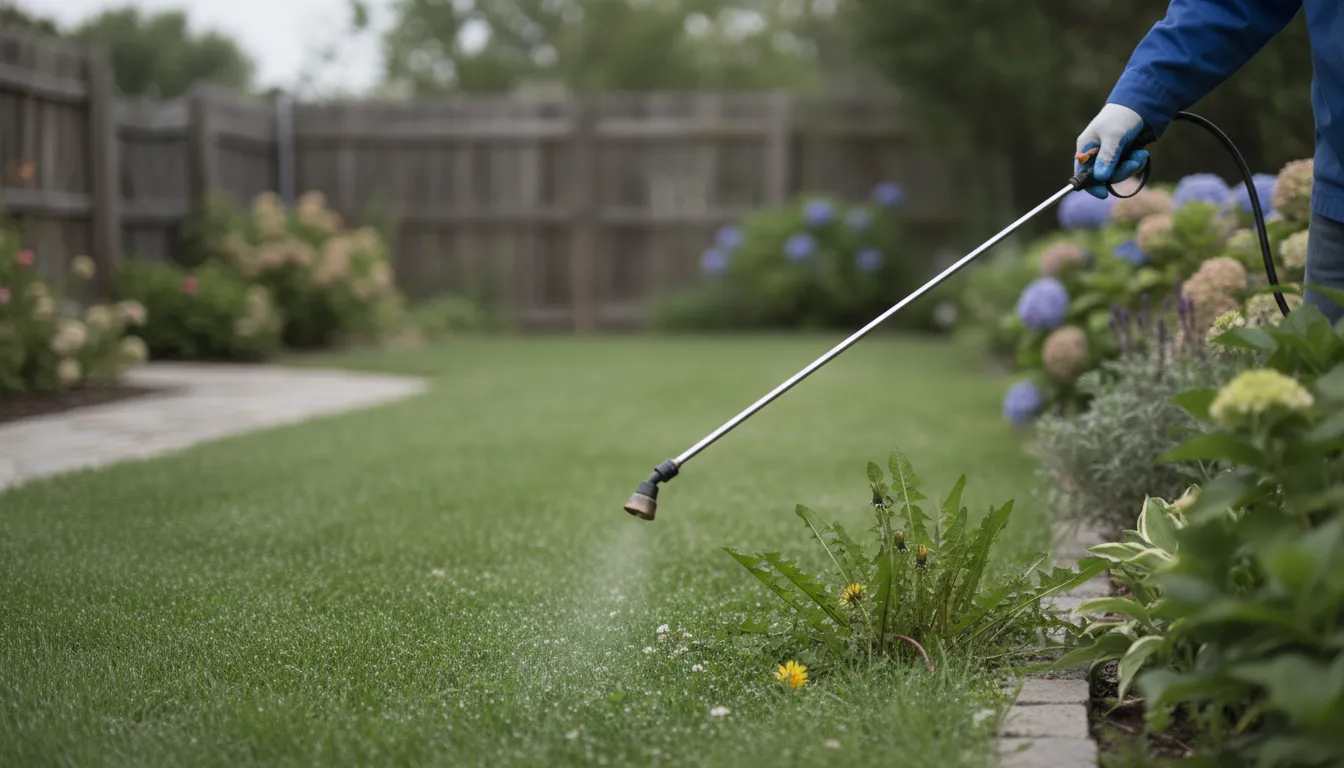
Find the Best Lawn Treatment Companies for Your Business
No obligation • Fast responses • Nationwide coverage

Why you can trust Landscape Atlas
Landscape Atlas is a leading United States resource for evaluating landscaping, lawn care, and outdoor service providers. Our team researches each category in depth, focusing on service quality, safety, and customer experience. Listings and rankings are based on independent criteria and user feedback, and companies cannot pay to influence our assessments or recommendations.
Search providers near you
Top Lawn Treatment Companies in North Lauderdale, Florida Ranked
Maintaining a lush, green, and weed-free lawn in North Lauderdale is a year-round commitment, thanks to our unique South Florida climate. Lawn fertilization and weed control are essential services that provide your grass with the nutrients it needs to thrive while suppressing invasive plants. This guide will help you understand the specific needs of local lawns and how to connect with professional providers who can deliver effective, science-backed lawn care tailored to our region.
Grasso Landscaping L.L.C
Miami, FL
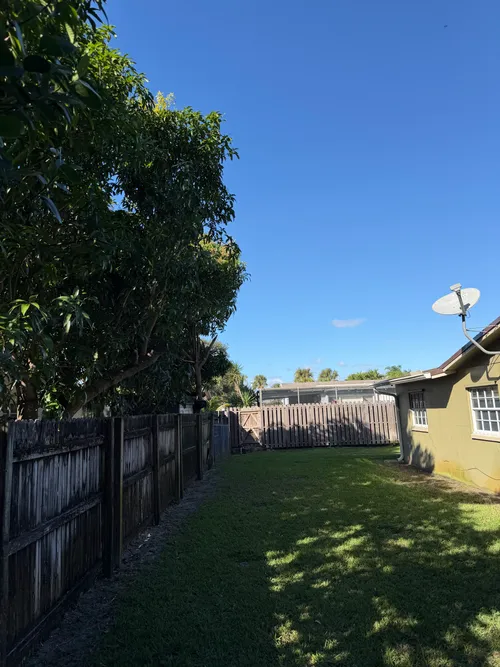
Grasso Landscaping L.L.C is a landscaping and lawn care company based in Miami, FL. They offer a range of services including lawn mowing, fertilization, weed control, and landscape design. The company provides customized lawn care plans and handles projects from initial consultation through design and execution. With over six years of experience, Grasso Landscaping serves clients throughout Broward County, focusing on tailored solutions and quality workmanship.
C S Designer Landscaping LLC
500 S Federal Hwy Apt #2592, Hallandale Beach, FL 33008
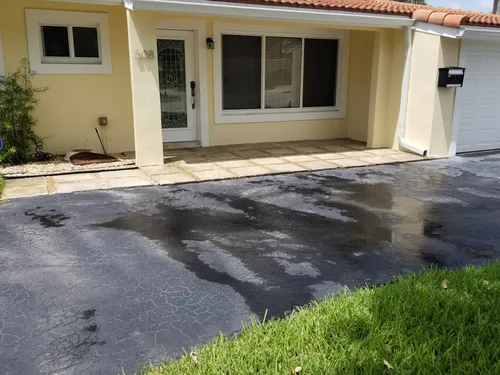
C S Designer Landscaping LLC is a landscaping company based in Miami, FL, offering a wide range of services for residential and commercial properties. Their expertise includes lawn maintenance, landscape design, sod and artificial grass installation, tree services, sprinkler installation and repair, and hardscaping such as pavers and retaining walls. With over 20 years of experience, they provide custom plans and installations tailored to client needs across Miami and surrounding counties. The company handles projects of various sizes and focuses on delivering consistent quality in all aspects of landscaping.
Sustainable Landscapes and Lawn
5209 McKinley St, Hollywood, FL 33021
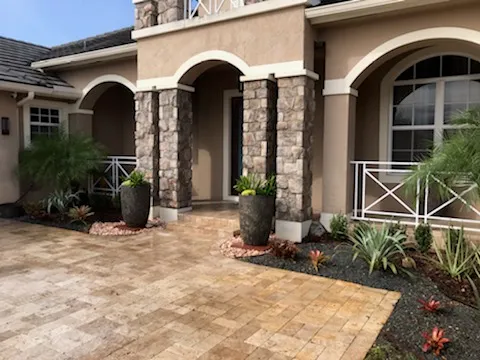
Sustainable Landscapes and Lawn is a landscaping and lawn care company based in Miami, FL. Established in 2012, they specialize in sustainable, low maintenance landscape design and maintenance services using Florida native plants and eco-friendly practices. Their services include lawn fertilization, weed control, tree trimming, sprinkler installation and repair, and custom landscape design. They focus on best management practices to create environmentally conscious outdoor spaces that are both beautiful and functional.
Santos Gonzalez Lawn Service & Landscaping
Miami, FL
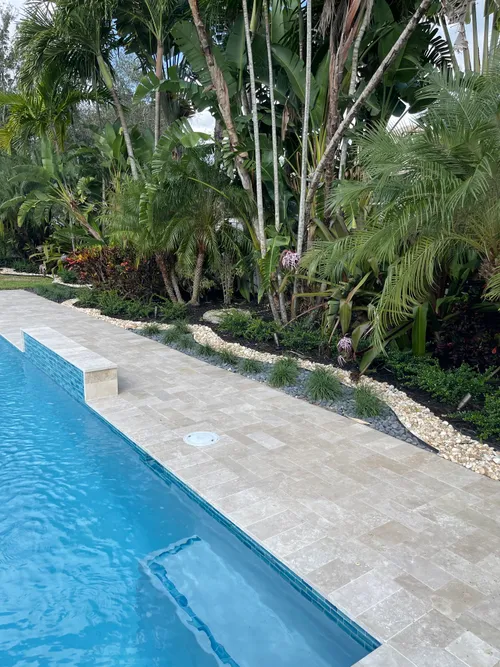
Santos Gonzalez Lawn Service & Landscaping is based in Miami, FL, offering a wide range of lawn care and landscaping services. Their expertise includes lawn mowing, fertilization, weed control, landscape design, and professional arbor care with an ISA Certified Arborist on staff. They also provide landscape lighting installation to enhance outdoor spaces after dark. Established in 2010, the company brings over a decade of experience to its projects, focusing on customized solutions and comprehensive tree services such as pruning, removals, and assessments.
Q-BAN TURF . INC
18240 Mediterranean Blvd Suite 1105, Hialeah, FL 33015
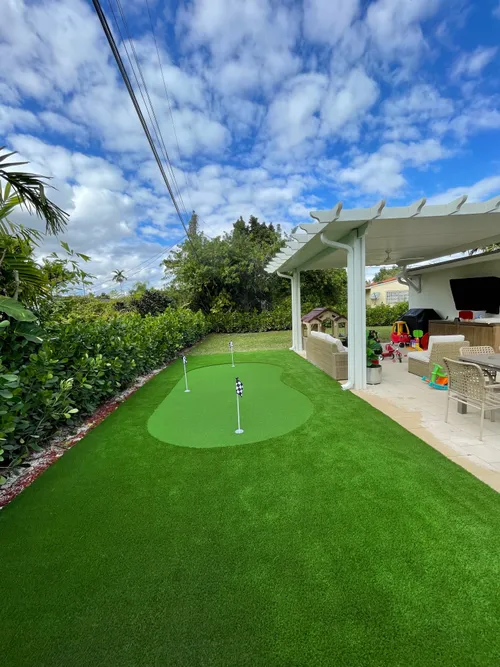
Q-BAN TURF . INC is a lawn care company based in Miami, FL, specializing in lawn fertilization, weed control, sod installation, and artificial turf installation. They offer services designed to reduce traditional lawn maintenance tasks such as watering and cutting, providing a clean and low-maintenance lawn solution. Their artificial turf products come with a 15-year manufacturer warranty and a 1-year labor warranty, with an expected lifespan of 20 to 25 years when maintained through their maintenance package.
Understanding Your North Lauderdale Lawn's Needs
The foundation of effective lawn care is knowing what type of grass you have. In North Lauderdale, the most common turfgrasses are St. Augustine, Bermuda, Zoysia, and Bahia. Each has distinct characteristics and nutritional requirements. For instance, St. Augustine grass, a popular choice for its shade tolerance, typically requires 4-6 pounds of nitrogen per 1,000 square feet annually in South Florida, while Bermuda grass may need 5-7 pounds. A one-size-fits-all approach won't work; your lawn care strategy must be customized to your specific grass type for optimal health and color.
Beyond grass type, the local environment plays a huge role. South Florida's heavy summer rains can quickly wash away granular fertilizers, making timing and product selection critical. Furthermore, our mild winters don't provide a true dormancy period for many weeds, meaning weed pressure can be a constant battle. Professional lawn care providers understand these challenges and design programs that work with, not against, the local climate.
The Essential Lawn Care Calendar for South Florida
A successful lawn fertilization and weed management plan follows the seasonal rhythms of North Lauderdale. Here's a breakdown of what your lawn needs throughout the year:
Spring (March - May)
This is the primary growth period. A balanced fertilizer application provides essential nutrients to support vigorous growth and recovery from any winter stress. Crucially, spring is the ideal time for a pre-emergent herbicide application. As soil temperatures warm, this creates a barrier that prevents summer annual weeds like crabgrass and sandspur from germinating, saving you from difficult spot-treatments later.
Summer (June - August)
Growth continues, but the focus shifts. Slow-release nitrogen formulas are preferred to provide steady feeding without promoting excessive growth that can be vulnerable to disease during humid periods. Iron supplements are often added to enhance green color without the surge of growth from high nitrogen. Insect control, particularly for chinch bugs in St. Augustine grass, becomes a priority. It's generally advised to avoid heavy fertilizing right before forecasted heavy rains to prevent nutrient runoff.
Fall (September - November)
As growth slows, the goal is to strengthen the lawn for the cooler months. A potassium-rich "winterizer" fertilizer is key. Potassium helps fortify root systems and improves the turf's tolerance to cooler temperatures and potential stress. A fall pre-emergent application is also recommended to target winter annual weeds like henbit and chickweed.
Winter (December - February)
Fertilization is minimal or paused during the coolest weeks. However, applications of micronutrients like iron can maintain a green appearance without forcing growth. This season is also prime time for controlling visible winter broadleaf weeds with post-emergent herbicides 1.
Find the perfect lawn treatment companies for your needs
Get personalized recommendations and expert advice
What to Expect from a Professional Service Program
Most local lawn care companies offer comprehensive annual programs that bundle fertilization with weed control. These programs typically involve 6 to 9 visits per year, scheduled 6-8 weeks apart, to address seasonal needs 2. A standard visit often includes a combination of fertilization, broadleaf weed control, and, at key times, pre-emergent weed prevention.
When evaluating providers, look for those who base their recommendations on local expertise. The best services will ask about your grass type, lawn size, sun/shade patterns, and any existing problems. They should also be transparent about the products they use and their adherence to local environmental regulations.
Cost Considerations for Lawn Care Services
Investing in professional lawn fertilization and weed control in North Lauderdale is an investment in your property's curb appeal and long-term turf health. Costs are typically structured as an annual program or on a per-visit basis.
For a full annual program covering both fertilization and weed control, homeowners can expect to pay roughly $300 to $600 or more per year3 4 5. The final price depends heavily on the size of your lawn. Individual treatment visits for combined fertilization and weed control often range from $50 to $100 per application3 6 7. It's always wise to get a few detailed quotes based on a property measurement.
Smart Practices for a Healthy Lawn and Environment
Responsible lawn care in Florida goes beyond aesthetics. Here are two critical practices endorsed by the University of Florida IFAS Extension:
- Get a Soil Test: Before starting any new program, a soil test is highly recommended. This analysis, available through local extension offices, reveals your soil's pH and existing nutrient levels. It takes the guesswork out of fertilization, allowing you or your provider to apply only what your lawn truly needs, which can save money and protect the environment from excess nutrient runoff 8 9.
- Know Local Fertilizer Ordinances: Many Florida counties and municipalities have fertilizer ordinances designed to protect water quality. These often include summer "blackout" periods where nitrogen and phosphorus fertilizers cannot be applied, bans on phosphorus unless a soil test shows a deficiency, and requirements for using slow-release nitrogen formulas 10 11. A reputable local lawn care company will be fully compliant with all North Lauderdale and Broward County regulations.
Choosing a provider who integrates these smart practices demonstrates a commitment to both a beautiful lawn and the well-being of our local ecosystems.
Frequently asked questions
Sources
Footnotes
-
Best Fertilizer Schedule for Florida Lawns - https://www.horsemanslandscape.com/best-fertilizer-schedule-for-florida-lawns/ ↩
-
5 Application Lawn Program - https://naturescapelawncare.com/us/services/lawncare/5app/ ↩
-
Fort Lauderdale, FL Lawn Treatment & Fertilization - https://www.lawnstarter.com/fort-lauderdale-fl-lawn-treatment ↩ ↩2
-
How Much Does TruGreen Cost? (2026) - HomeGuide - https://homeguide.com/costs/trugreen-cost ↩
-
How much does lawn care service cost? - Green Lawn Fertilizing - https://www.greenlawnfertilizing.com/blog/how-much-does-lawn-care-service-cost ↩
-
Lawn Care Cost Lakeland FL: 2025 Pricing Guide | GreenPal - https://www.yourgreenpal.com/blog/lawn-care-cost-lakeland-florida ↩
-
Lawn Care Cost Tampa FL: 2025 Pricing Guide | GreenPal - https://www.yourgreenpal.com/blog/lawn-care-cost-tampa-florida ↩
-
Florida Lawn Fertilizer Schedule and Guide - Petri Pest Control - https://www.petrispestcontrol.com/lawn/when-should-i-fertilize-my-lawn/ ↩
-
Fertilizing Your North Florida Lawn - UF/IFAS Extension - https://sfyl.ifas.ufl.edu/media/sfylifasufledu/baker/docs/pdf/horticulture/Fertilizing-Your-N-FL-Lawn.pdf ↩
-
Fertilizer Ban Starts June 1 in Central Florida: Why Granular Fertilizer Fails in Rainy Season and Liquid Fertilizer Is Better - https://rockledgegardens.com/fertilizer-ban-starts-june-1-in-central-florida-why-granular-fertilizer-fails-in-rainy-season-and-liquid-fertilizer-is-better/ ↩
-
Fertilizer: The quick approach to following laws and feeding turf - https://blogs.ifas.ufl.edu/orangeco/2020/05/29/fertilizer-the-quick-approach-to-following-laws-and-feeding-turf/ ↩