Find the Best Lawn Treatment Companies for Your Business
No obligation • Fast responses • Nationwide coverage

Why you can trust Landscape Atlas
Landscape Atlas is a leading United States resource for evaluating landscaping, lawn care, and outdoor service providers. Our team researches each category in depth, focusing on service quality, safety, and customer experience. Listings and rankings are based on independent criteria and user feedback, and companies cannot pay to influence our assessments or recommendations.
Search providers near you
Top Lawn Treatment Companies in North Miami, Florida Ranked
Maintaining a lush, green, and weed-free lawn in North Miami requires a specialized approach tailored to South Florida's unique climate and soil conditions. Professional lawn fertilization and weed management services provide the targeted nutrition and preventative treatments your grass needs to thrive year-round. This guide will help you understand the essential components of effective lawn care in our area and how to connect with local experts who can develop a customized program for your property.
Grasso Landscaping L.L.C
Miami, FL
Grasso Landscaping L.L.C is a landscaping and lawn care company based in Miami, FL. They offer a range of services including lawn mowing, fertilization, weed control, and landscape design. The company provides customized lawn care plans and handles projects from initial consultation through design and execution. With over six years of experience, Grasso Landscaping serves clients throughout Broward County, focusing on tailored solutions and quality workmanship.
C S Designer Landscaping LLC
500 S Federal Hwy Apt #2592, Hallandale Beach, FL 33008
C S Designer Landscaping LLC is a landscaping company based in Miami, FL, offering a wide range of services for residential and commercial properties. Their expertise includes lawn maintenance, landscape design, sod and artificial grass installation, tree services, sprinkler installation and repair, and hardscaping such as pavers and retaining walls. With over 20 years of experience, they provide custom plans and installations tailored to client needs across Miami and surrounding counties. The company handles projects of various sizes and focuses on delivering consistent quality in all aspects of landscaping.
Pipo Sunshine Landscaping LLC
13224 SW 217th Terrace, Miami, FL 33170
Pipo Sunshine Landscaping LLC offers a range of residential and commercial landscaping services in Miami, FL. With over 7 years of experience, the company specializes in lawn care, landscape design, and certified tree services including trimming and removal. Their expertise includes lawn fertilization, weed control, and custom hardscaping to improve outdoor spaces. Pipo Sunshine Landscaping focuses on using eco-friendly practices and quality materials to maintain healthy, vibrant lawns and gardens throughout the year.
Sustainable Landscapes and Lawn
5209 McKinley St, Hollywood, FL 33021
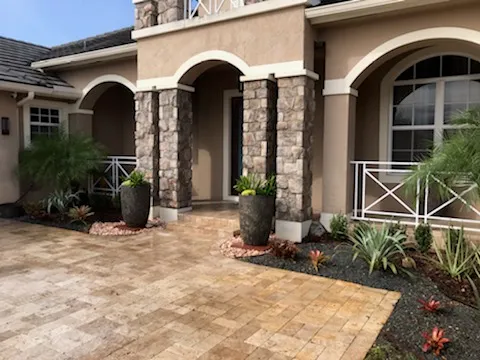
Sustainable Landscapes and Lawn is a landscaping and lawn care company based in Miami, FL. Established in 2012, they specialize in sustainable, low maintenance landscape design and maintenance services using Florida native plants and eco-friendly practices. Their services include lawn fertilization, weed control, tree trimming, sprinkler installation and repair, and custom landscape design. They focus on best management practices to create environmentally conscious outdoor spaces that are both beautiful and functional.
Santos Gonzalez Lawn Service & Landscaping
Miami, FL
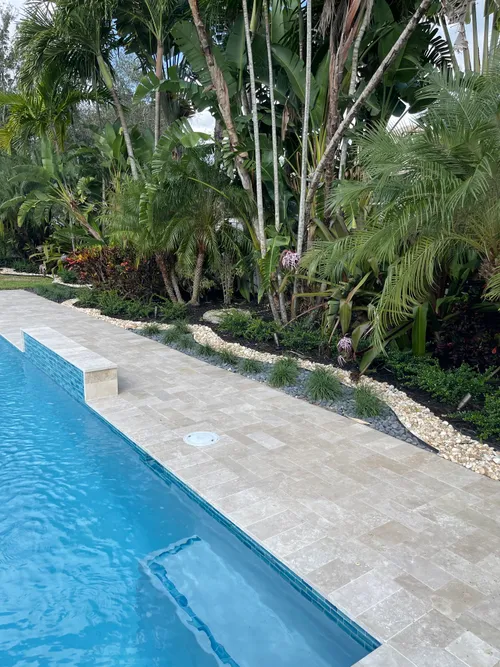
Santos Gonzalez Lawn Service & Landscaping is based in Miami, FL, offering a wide range of lawn care and landscaping services. Their expertise includes lawn mowing, fertilization, weed control, landscape design, and professional arbor care with an ISA Certified Arborist on staff. They also provide landscape lighting installation to enhance outdoor spaces after dark. Established in 2010, the company brings over a decade of experience to its projects, focusing on customized solutions and comprehensive tree services such as pruning, removals, and assessments.
Understanding Your North Miami Lawn
The foundation of any successful lawn care program is knowing what type of grass you have and the specific challenges it faces. In North Miami, the most common turfgrasses are St. Augustine and Zoysia, with some Bahia present. These warm-season grasses are chosen for their ability to handle heat and humidity, but they have distinct nutritional needs that must be met to maintain their vigor and color.
A primary challenge for homeowners here is the local soil. South Florida soils are often sandy and lack essential nutrients and organic matter. This means they drain quickly and don't retain fertilizer well, making a consistent, scientifically-formulated feeding schedule critical. Furthermore, these soils are frequently deficient in micronutrients like iron, which is crucial for achieving that deep green color without promoting excessive, weak growth. A professional service will start with an understanding of your grass type and often a soil analysis to identify specific deficiencies.
The Year-Round Lawn Care Schedule for South Florida
Unlike cooler climates where lawns go dormant, North Miami lawns can and should stay green throughout the year. This requires a shifting focus for lawn feeding and weed prevention with the seasons. A typical professional program consists of 5 to 7 applications annually, each with a specific goal.
Early Spring (March - April)
This is the "wake-up" period. A balanced, slow-release fertilizer application encourages steady growth as temperatures rise. Crucially, this visit includes a pre-emergent herbicide to create a barrier in the soil that stops weed seeds (like crabgrass and sandspur) from germinating. Early insect control may also be part of this service to get ahead of potential pest issues.
Late Spring & Summer (May - August)
Growth is active during these hot, rainy months. Fertilization continues with slow-release formulas that feed the lawn gradually, avoiding the surge of growth that can come with quick-release products and lead to more frequent mowing and potential thatch. Weed control shifts to post-emergent spot treatments to tackle any breakthrough weeds like dollarweed or chamberbitter. Professionals are careful to avoid heavy fertilizer applications during peak summer rain to prevent nutrient runoff.
Late Summer & Fall (September - October)
As the rainy season wanes, the focus turns to preparation for the drier, cooler winter. Applications during this period often feature a fertilizer with a higher potassium (K) ratio, such as an 8-2-12 blend. Potassium strengthens grass plants, improves drought tolerance, and hardens root systems to better withstand environmental stress, ensuring your lawn stays healthy even as growth slows.
Winter (November - January)
High-nitrogen fertilizers are avoided in winter to prevent tender growth that can be damaged by cold snaps. Instead, the goal is maintenance. Applications often include vital micronutrients like iron to keep the lawn a rich green color without stimulating excessive top growth 1. This "green-up" effect from iron is a hallmark of professional winter care in our region.
Find the perfect lawn treatment companies for your needs
Get personalized recommendations and expert advice
Key Components of a Professional Service
When evaluating lawn fertilization and weed control providers, look for programs that encompass more than just spreading fertilizer. A comprehensive approach includes several integrated tactics.
- Soil Building: Over time, professionals aim to improve your soil's health by encouraging microbial activity and organic matter, which helps retain water and nutrients.
- Targeted Weed Management: This is a two-pronged strategy. Pre-emergent control is the most effective way to manage weeds, stopping them before they start. Post-emergent control handles any existing weeds with selective herbicides that target the weed without harming your desirable turfgrass 2.
- Nutrient Management: Using the right blend of macro and micronutrients at the right time is a science. Professionals select fertilizers based on soil needs, grass type, and season to promote deep roots and dense turf that naturally resists weeds, disease, and pests.
- Cultural Advice: A good provider will also offer guidance on proper mowing (keeping St. Augustine and Zoysia at 3.5 to 4 inches tall), irrigation, and aeration to complement their chemical treatments 3.
What to Expect: Programs and Investment
Most local companies offer lawn care on a per-visit basis or as a bundled annual program. An annual program is often the most cost-effective and ensures your lawn receives timely, seasonally-appropriate treatments throughout the year.
Costs are typically quoted per visit and vary based on the size of your lawn and the complexity of services. For a standard quarter-acre lot in North Miami, you can expect each application to range from approximately $45 to $75 or more 4 5 6. Over a full year, with 5-7 visits, this translates to an annual investment that can range from about $300 to $800+, depending on the service level, add-ons like grub control, and the exact square footage of your turf 5 7 8 9.
When meeting with providers, ask what is included in each visit, the specific products they use, and how they tailor their schedule for North Miami's microclimate. A reputable company will provide a clear, written plan outlining each treatment's timing and purpose.
Frequently asked questions
Sources
Footnotes
-
Florida Lawn Fertilizer Schedule and Guide - Petri Pest Control - https://www.petrispestcontrol.com/lawn/when-should-i-fertilize-my-lawn/ ↩
-
Lawn Fertilization & Weed Control Services - ExperiGreen - https://experigreen.com/lawn-fertilization-weed-control-program/ ↩
-
Best Fertilizer Schedule for Florida Lawns - https://www.horsemanslandscape.com/best-fertilizer-schedule-for-florida-lawns/ ↩
-
Fertilization and Weed Control Miami, FL - Canopy Lawn Care - https://www.canopylawncare.com/miami-fl/fertilization-and-weed-control ↩
-
Lawn Care in Miami, FL from $55 | 6000+ 5-Star Reviews - https://www.getsunday.com/local-guide/lawn-care-in-miami-fl ↩ ↩2
-
Lawn Care Cost Tampa FL: 2025 Pricing Guide | GreenPal - https://www.yourgreenpal.com/blog/lawn-care-cost-tampa-florida ↩
-
5 Application Lawn Program - https://naturescapelawncare.com/us/services/lawncare/5app/ ↩
-
How much does lawn care service cost? - Green Lawn Fertilizing - https://www.greenlawnfertilizing.com/blog/how-much-does-lawn-care-service-cost ↩
-
How Much Does Lawn Fertilization Cost in 2026? - https://lawnlove.com/blog/lawn-fertilization-cost/ ↩