Find the Best Lawn Treatment Companies for Your Business
No obligation • Fast responses • Nationwide coverage

Why you can trust Landscape Atlas
Landscape Atlas is a leading United States resource for evaluating landscaping, lawn care, and outdoor service providers. Our team researches each category in depth, focusing on service quality, safety, and customer experience. Listings and rankings are based on independent criteria and user feedback, and companies cannot pay to influence our assessments or recommendations.
Search providers near you
Top Lawn Treatment Companies in Winter Garden, Florida Ranked
Maintaining a vibrant, healthy lawn in Winter Garden requires a tailored approach to feeding and weed management. The region's warm-season grasses and unique climate demand a specific fertilization schedule and proactive weed control strategy to thrive. This guide will help you understand the essential services, seasonal timing, and local considerations for effective lawn nutrition and weed suppression, empowering you to find the right professional care for your property.
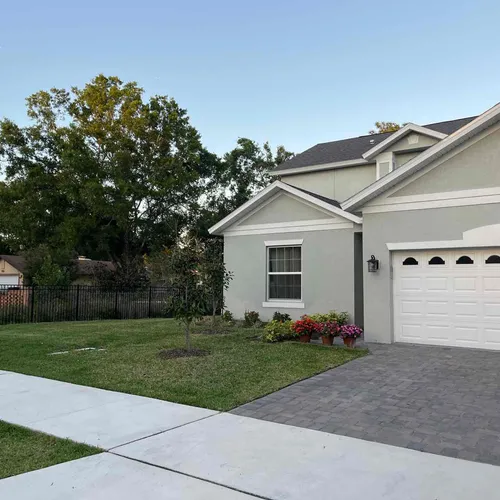
Lawn Love - Orlando
2295 S Hiawassee Rd, Orlando, FL 32835
Lawn Love - Orlando offers comprehensive lawn care and landscaping services in Orlando, FL. They provide core lawn care including mowing, trimming, edging, fertilization, and weed control, as well as specialized services such as gardening and leaf removal. Their local professionals serve the greater Orlando area, including Winter Park, Kissimmee, and Oviedo, adapting to the region's unique climate and soil conditions. Lawn Love uses a technology-driven approach to connect customers with insured lawn care experts, ensuring quality and convenience. The company emphasizes customer satisfaction with a guarantee to revisit and correct any issues.

Firsthand Lawn and Landscape, LLC
3720 N Orange Blossom Trl, Orlando, FL 32804
Firsthand Lawn and Landscape, LLC is a lawn care and landscaping company based in Orlando, FL. They serve a range of clients including property managers, HOA communities, businesses, and single-family homes in Orlando and surrounding areas such as Winter Park, Windermere, Bay Hill, and Doctor Phillips. Their services include lawn mowing, fertilization, weed control, aeration, pest control, sod installation, tree and shrub planting, as well as irrigation system installation and repairs. The company emphasizes detailed, customized care for each property and offers financing options for larger projects. They focus on maintaining healthy, attractive outdoor spaces with a skilled and experienced team.

OScape Lawn & Landscaping
Orlando, FL
OScape Lawn & Landscaping is a full-service lawn and landscaping company based in Orlando, FL. They offer a wide range of services including landscape design and installation, lawn mowing, fertilization, weed control, sod and artificial turf installation, hardscaping with pavers and retaining walls, and landscape lighting. Their team also provides lawn aeration, overseeding, and seasonal cleanups to maintain healthy, attractive outdoor spaces. OScape Lawn & Landscaping specializes in creating custom outdoor patios and fire pits, enhancing both the beauty and functionality of residential properties.
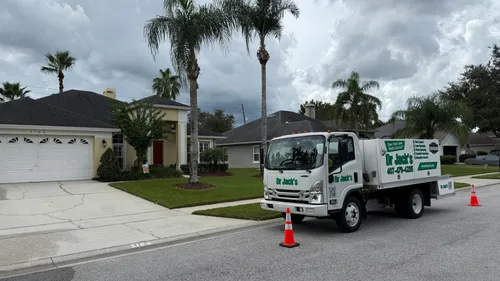
Dr. Jack's Lawn Care
130 John Young Pkwy, Orlando, FL 32805
Dr. Jack's Lawn Care is a lawn care and pest control company serving Orlando, FL. With 50 years of experience, they provide customized lawn fertilization, weed control, and pest management services tailored to each property's needs. Their technicians use integrative pest management techniques to target pests while protecting beneficial insects, pets, and family members. The company also employs a horticulturist to ensure accurate diagnosis and effective treatment plans.
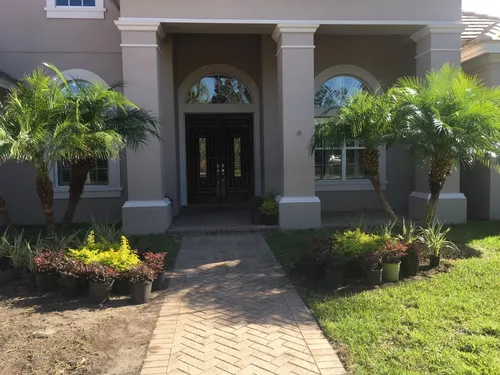
A Cut Above Lawn Maintenance & Landscaping LLC
Orlando, FL
A Cut Above Lawn Maintenance & Landscaping LLC is a landscaping and tree care company serving Orlando, FL. Established in 2003, the business offers a wide range of services including lawn mowing, fertilization, weed control, sod installation, tree trimming and removal, stump grinding, irrigation maintenance, and hardscaping. Their tree division, launched in 2023, handles complex jobs with skilled crews and specialized equipment. The company serves both residential and commercial clients, focusing on quality and safety in all projects.
Understanding Your Winter Garden Lawn
The foundation of any effective lawn care program is knowing what type of grass you have. Winter Garden lawns are predominantly warm-season varieties, each with its own characteristics and care needs.
- St. Augustinegrass: This is one of the most common grasses in the area, prized for its good shade tolerance and lush, broad blades. It requires regular feeding to maintain its density and color.
- Zoysiagrass: Known for its excellent heat and drought tolerance, Zoysia forms a dense, carpet-like turf that can withstand foot traffic and naturally resists weeds due to its thick growth habit 1.
- Bermudagrass & Bahiagrass: These are other warm-season grasses that thrive in Central Florida's climate. Bermudagrass is durable and recovers well, while Bahiagrass is known for its low-maintenance nature and tolerance to poor soil conditions.
A professional can accurately identify your grass type, which is the first step in creating a customized lawn feeding and weed prevention plan.
The Essential Seasonal Schedule for Lawn Care
A successful lawn nutrition and weed management program in Winter Garden follows the rhythm of the seasons. Timing applications correctly is crucial for effectiveness and environmental responsibility.
Spring (March - May)
Spring is a critical period for awakening your lawn and setting it up for success. The focus is on encouraging strong growth while preventing a surge of unwanted plants.
- Pre-Emergent Weed Control: Applying a pre-emergent herbicide in early spring creates a barrier in the soil that stops weed seeds (like crabgrass and sandspur) from germinating. This is a proactive cornerstone of weed suppression.
- Balanced Fertilization: A fertilizer with a balanced ratio of nutrients promotes healthy green-up and growth as temperatures rise.
- Irrigation Check: With the dry season often beginning, ensuring your irrigation system is working properly is key to helping the fertilizer work effectively.
Summer (June - August)
Summer brings heat, humidity, and frequent afternoon thunderstorms. Lawn care shifts to maintenance and protection.
- Pest & Disease Monitoring: Warm, wet conditions can invite insects and fungal diseases. Professionals will monitor for these issues.
- Strategic Feeding: Fertilizer applications may be reduced or use specific formulas, as heavy summer rains can quickly wash away nutrients before the grass can absorb them.
- Post-Emergent Spot Treatment: Existing weeds that emerge are targeted with selective post-emergent herbicides.
Fall (September - November)
Fall is arguably the most important season for strengthening your lawn. The goal is to build resilience for the cooler months ahead.
- Root-Strengthening Fertilizer: Applications shift to fertilizers rich in potassium (the third number in the N-P-K ratio). Potassium strengthens cell walls, promotes deep root growth, and improves the lawn's tolerance to cold, drought, and disease.
- Weed Control: Controlling broadleaf weeds like dollarweed and chamberbitter in the fall prevents them from taking hold over the winter.
- Preparation for Dormancy: The lawn is guided into its winter dormancy in a healthy, robust state.
Winter (December - February)
Growth slows significantly during Winter Garden's mild winters, so the approach is minimal and targeted.
- Minimal Fertilization: High-nitrogen fertilizers that promote top growth are avoided.
- Micronutrient Applications: Treatments with iron can be used to maintain a green color without forcing growth that could be damaged by a frost 2.
- Winter Weed Prevention: A late-fall or early-winter application of pre-emergent can prevent cool-season weeds like annual bluegrass (Poa annua).
Local Considerations for Winter Garden Lawn Programs
Beyond grass type and season, local environmental factors play a huge role in shaping an effective lawn nutrition plan.
- Soil Composition: Winter Garden soil is often sandy and can be slightly alkaline. Sandy soil drains quickly, which means it doesn't retain water or nutrients well. A professional soil test is the best way to understand your soil's specific pH and nutrient deficiencies, allowing for precise fertilizer recommendations 3.
- Florida's Nutrient Regulations: To protect Florida's waterways from nutrient runoff, state and local ordinances regulate fertilizer use. These rules often mandate the use of slow-release nitrogen fertilizers and low-phosphorus or phosphorus-free formulas unless a soil test confirms a deficiency. Reputable lawn care providers are well-versed in these "Florida-Friendly" guidelines and will design programs that comply with them 4 5 6.
- Irrigation Management: Proper watering is essential to make fertilization effective. Too little water and the nutrients won't dissolve for root uptake; too much water and they are washed away. Aligning your irrigation schedule with your lawn feeding schedule is a key part of integrated care.
Find the perfect lawn treatment companies for your needs
Get personalized recommendations and expert advice
Understanding Service Options and Investment
Lawn feeding and weed management services are typically offered in structured programs or on an à la carte basis. Understanding the common frameworks can help you evaluate what's right for your lawn.
Annual Programs: Most providers offer bundled annual programs that include a set number of seasonal applications-typically between 4 and 8 visits per year-covering both fertilization and weed control. These programs are designed to hit all the critical seasonal timing windows automatically. The cost for such annual plans in the Winter Garden area can range roughly from $300 to over $600 per year, depending on the size of your lawn, the specific services included, and the provider 7.
Customized Plans: For larger properties or lawns with specific challenges, services may be customized and priced accordingly. Comprehensive care can range significantly, from monthly plans to annual contracts scaled by the acre.
Per-Visit Services: If you prefer more control or have a minimal need, some companies offer individual treatment visits. For standard lawn sizes, you might expect a per-application cost for combined fertilization and weed control to fall within a range of $45 to $100 per visit 8 9.
The Role of Professional Weed Management
Weed control is not a one-time event but an ongoing strategy. Professionals use a combination of methods:
- Pre-Emergent Herbicides: Applied before weed seeds germinate, these are the most effective way to prevent weed infestations. Timing is everything, as they must be applied before soil temperatures trigger germination in spring and fall.
- Post-Emergent Herbicides: Used to eliminate weeds that have already sprouted. Professionals use selective herbicides that target the weed without harming your desirable turfgrass.
- Cultural Practices: A thick, healthy lawn is the best defense against weeds. Proper mowing height, watering, and core aeration (to reduce soil compaction) are all cultural practices that support the fertilizer program and help your grass outcompete weeds.
Choosing the Right Service for Your Lawn
When looking for lawn nutrition and weed suppression services in Winter Garden, consider providers who:
- Offer a free lawn analysis and clearly explain their recommended program.
- Can identify your grass type and discuss local soil conditions.
- Explain their fertilization approach in the context of Florida's nutrient management regulations.
- Provide a clear, written service agreement outlining the schedule, products used, and what is included (e.g., weed control, grub prevention, etc.).
- Are licensed and insured to apply lawn care products in Florida.
Investing in a professional program takes the guesswork out of timing and product selection, leveraging local expertise to keep your lawn healthy, resilient, and beautiful throughout the year.
Frequently asked questions
Sources
Footnotes
-
Winter Garden Lawn Service - Florida's Finest - https://wecontrolbugs.com/lawn-care-service/winter-garden-lawn-service/ ↩
-
Florida Lawn Care - TruGreen - https://www.trugreen.com/lawn-care-101/blog/lawn-care-tips/florida-lawn-care-guide ↩
-
Lawn Care in Winter Garden, FL | 6000+ 5-Star Reviews - https://www.getsunday.com/local-guide/lawn-care-in-winter-garden-fl ↩
-
Best Fertilizer Schedule for Florida Lawns - https://www.horsemanslandscape.com/best-fertilizer-schedule-for-florida-lawns/ ↩
-
Fertilizer Guidelines for Florida | Tavares, FL - Official Website - https://www.tavaresfl.gov/1056/Fertilizer-Guidelines-for-Florida ↩
-
Spring Lawn Care in North Florida Tips | North Florida Lawn & Pest - https://northfloridapest.com/the-key-to-a-green-healthy-yard/ ↩
-
How Much Does TruGreen Cost? (2026) - HomeGuide - https://homeguide.com/costs/trugreen-cost ↩
-
Lawn Care Cost Tampa FL: 2025 Pricing Guide | GreenPal - https://www.yourgreenpal.com/blog/lawn-care-cost-tampa-florida ↩
-
How much does lawn care service cost? - Green Lawn Fertilizing - https://www.greenlawnfertilizing.com/blog/how-much-does-lawn-care-service-cost ↩