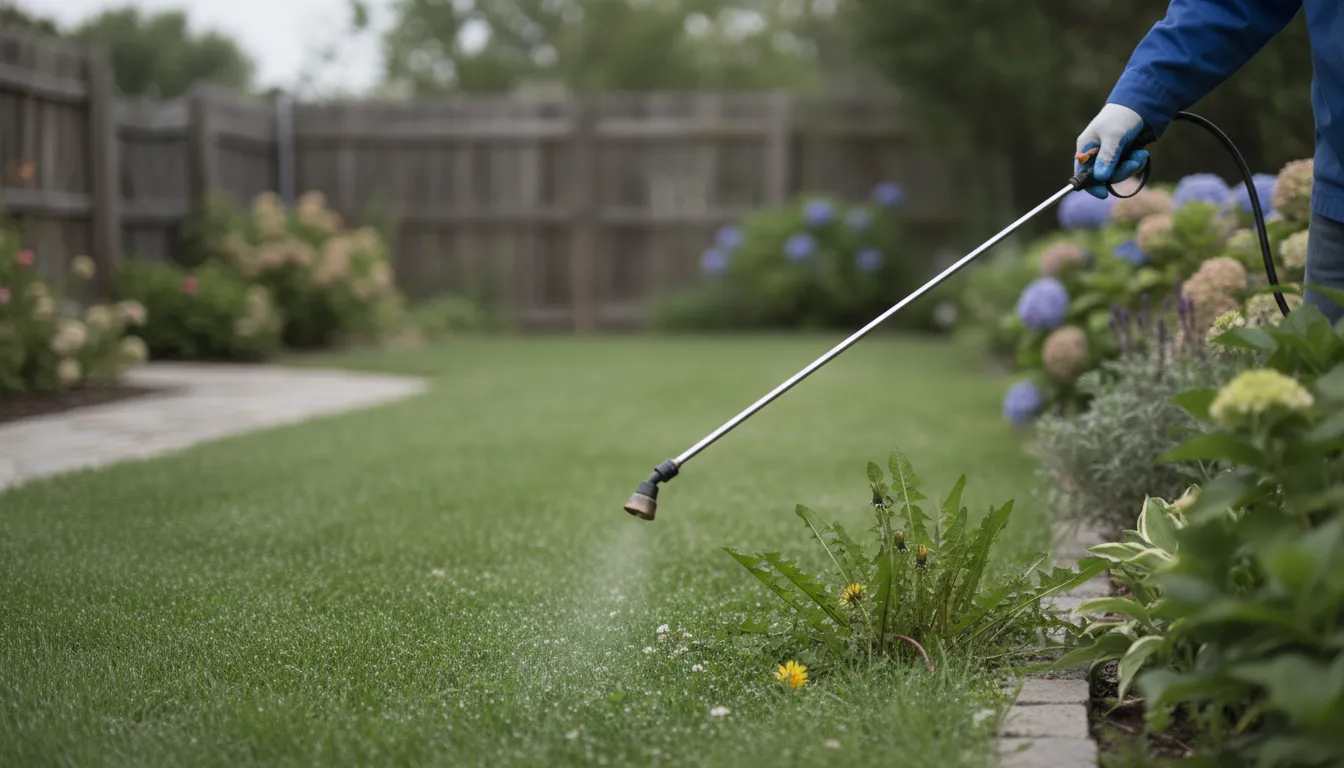
Find the Best Lawn Treatment Companies for Your Business
No obligation • Fast responses • Nationwide coverage

Why you can trust Landscape Atlas
Landscape Atlas is a leading United States resource for evaluating landscaping, lawn care, and outdoor service providers. Our team researches each category in depth, focusing on service quality, safety, and customer experience. Listings and rankings are based on independent criteria and user feedback, and companies cannot pay to influence our assessments or recommendations.
Search providers near you
Top Lawn Treatment Companies in Atlanta, Georgia Ranked
Maintaining a vibrant, healthy lawn in Atlanta requires a strategic approach tailored to our unique climate and soil. Lawn fertilization and weed control are the cornerstones of this strategy, providing essential nutrients to your grass while preventing invasive weeds from taking over. This guide explains the key services, seasonal schedules, and local considerations to help you understand your options and connect with professionals who can create a customized plan for your yard.
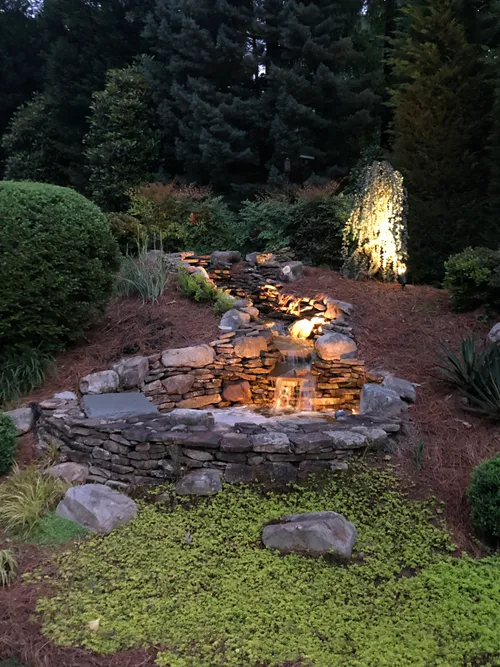
Total Lawn Inc.
1670 Hazelwood Dr SE, Marietta, GA 30067
Total Lawn Inc. is a landscaping and lawn care company serving the East Cobb area near Atlanta, GA. They offer a wide range of services including lawn mowing, fertilization, weed control, landscape design, tree removal, stump grinding, yard drainage, grading, and hardscaping such as pavers and retaining walls. The company is known for its expertise in grading and drainage, ensuring efficient water management while integrating aesthetic elements into the landscape. Established in 1992, Total Lawn Inc. has over 30 years of experience working closely with clients to create and maintain personalized outdoor spaces.
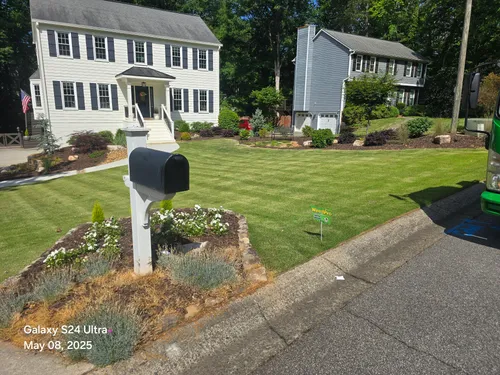
Weed Pro Lawn Care
2705 Holcomb Bridge Rd, Johns Creek, GA 30022
Weed Pro Lawn Care offers specialized lawn care, weed control, and irrigation services in Atlanta, GA. The company focuses on tailored treatments that consider local soil, seasonal weed cycles, and grass types to maintain healthy, green lawns. Their services include sprinkler installation and repair, supporting year-round lawn health with environmentally responsible practices. Weed Pro serves homeowners throughout North Georgia, providing personalized attention to each lawn's unique needs.
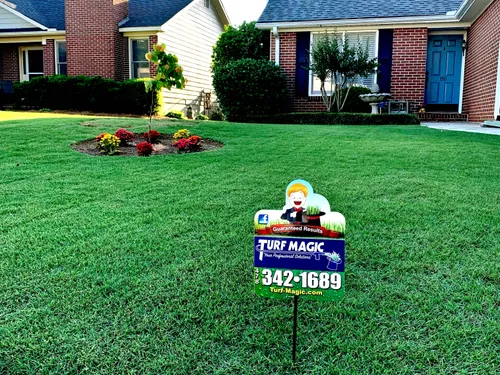
Turf Magic
3492 GA-42, Stockbridge, GA 30281
Turf Magic is a lawn care and pest control company serving Atlanta, GA, and surrounding areas including Monroe, Spalding, and Pike counties. They offer a wide range of services such as lawn fertilization, weed and grub control, pest management for mosquitoes and fire ants, as well as tree and shrub care including fertilization and disease control. Turf Magic's team is licensed and trained to provide precise lawn and pest solutions, ensuring healthy lawns and landscapes. They emphasize clear communication with clients and back their work with a satisfaction guarantee.
Rain Season Irrigation Landscape INC.
Atlanta, GA
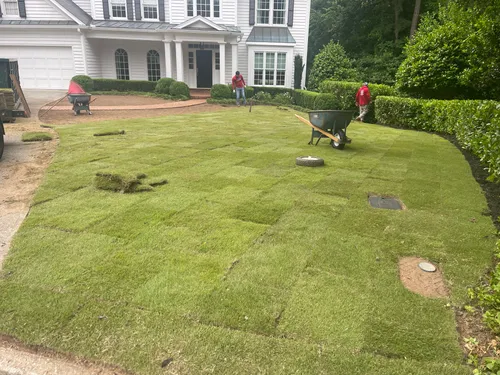
Rain Season Irrigation Landscape INC. is based in Lawrenceville, GA, and provides a wide range of lawn care and landscaping services including irrigation system installation, maintenance, and repair. They specialize in custom irrigation solutions designed to optimize water use and maintain healthy outdoor spaces. Their offerings also include lawn fertilization, weed control, drainage system design, sprinkler services, landscape lighting installation, and seasonal system adjustments. The company emphasizes sustainable practices and uses advanced technology to ensure efficient irrigation tailored to local climate conditions. They also provide 24/7 emergency repair services to address urgent irrigation issues promptly.
Southern Standard Landscaping
1337 Owenby Dr, Marietta, GA 30066
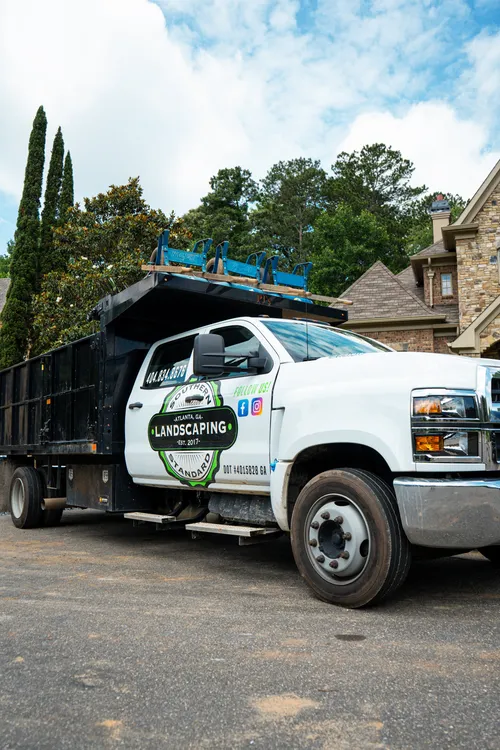
Southern Standard Landscaping provides comprehensive landscaping and hardscaping services in Atlanta, GA. They offer custom patios, retaining walls, fire pits, outdoor kitchens, and full property transformations, along with landscape design and routine maintenance including lawn mowing, fertilization, and tree care. Their capabilities include detailed 3D renderings and the use of native, drought-resistant plants to create sustainable outdoor spaces. Serving Marietta, Atlanta, Sandy Springs, Roswell, Alpharetta, and surrounding areas, they also handle overgrown brush removal and seasonal cleanups. The company emphasizes high-quality materials and craftsmanship to ensure lasting results.
A beautiful Atlanta lawn doesn't happen by accident. The combination of hot, humid summers and mild winters creates a challenging environment where both warm-season and cool-season grasses can thrive-if given the right care. Effective lawn feeding and weed management is a science, involving precisely timed applications of fertilizers and herbicides to match your grass type's growth cycle and combat the region's persistent weeds.
Understanding Atlanta's Grass Types
The first step in any effective lawn nutrition and weed prevention program is identifying your grass. Atlanta lawns typically fall into two categories, each with distinct needs:
- Warm-Season Grasses (Bermuda, Zoysia): These grasses thrive in the heat, growing most actively from late spring through summer (May to October). They go dormant and turn brown after the first frost. Their primary feeding and weed control efforts are concentrated in the warmer months.
- Cool-Season Grasses (Tall Fescue): Fescue grows vigorously in the cooler temperatures of spring and fall but can struggle and thin out during Atlanta's intense summer heat. For Fescue, fall treatments are absolutely critical for maintaining a thick, healthy lawn.
A professional can help identify your grass type, which is essential for creating a customized lawn treatment schedule that delivers results without wasting time or resources.
The Essential Services: More Than Just Spraying
A comprehensive lawn care program involves several interconnected services designed to build lawn health from the ground up.
- Customized Fertilization: This isn't a one-size-fits-all solution. Professionals use granular or liquid fertilizers with specific nitrogen, phosphorus, and potassium (N-P-K) ratios tailored to your grass type and the current season. The goal is to promote strong root development, lush green color, and improved drought and disease resistance.
- Targeted Weed Control: Effective weed suppression uses a two-pronged approach. Pre-emergent herbicides are applied before weed seeds germinate, creating a barrier in the soil to stop problems before they start. Post-emergent herbicides are used to spot-treat weeds that have already broken through, targeting specific types like crabgrass, dandelions, or clover.
- Core Aeration & Overseeding: Especially vital for cool-season Fescue lawns, aeration involves removing small plugs of soil to alleviate compaction, allowing air, water, and nutrients to reach the roots. This is ideally followed by overseeding in the fall to introduce new grass plants, thickening the lawn and crowding out future weeds.
- Soil Testing: The foundation of any good plan. A soil test reveals pH levels and nutrient deficiencies, allowing treatments to be precisely calibrated for your yard's specific conditions.
Find the perfect lawn treatment companies for your needs
Get personalized recommendations and expert advice
A Seasonal Guide to Lawn Care in Atlanta
Following nature's calendar is key to lawn health maintenance. Here's what a typical annual program looks like in the Atlanta area:
- Late Winter / Early Spring (February - March): The season often starts with a pre-emergent application to form a barrier against summer annual weeds like crabgrass. A light, early-season fertilizer may be applied to encourage root growth as the lawn "wakes up."
- Spring (April - May): As soil temperatures rise, fertilization kicks into gear to support the spring growth flush for all grass types. Weed control continues, targeting both pre-emergent needs and any early breakout weeds.
- Summer (June - August): For warm-season Bermuda and Zoysia lawns, this is peak feeding time. Lawn weed management focuses on controlling active summer weeds. Cool-season Fescue requires careful watering and may only receive weed control services to avoid stressing it during the heat.
- Fall (September - November): This is the most important season, especially for Fescue. Core aeration and overseeding are performed to repair summer damage and build density 1. A "winterizer" fertilizer application, high in potassium, is crucial for all grass types to promote root growth and carbohydrate storage for winter hardiness 2.
- Winter (December - February): While growth slows, specialized treatments can be applied to warm-season lawns to control cool-season weeds like Poa Annua (annual bluegrass) 3. This is also a time for planning the next year's program.
What to Expect: Service Plans and Investment
Professional lawn feeding and weed management is typically offered as a bundled annual program, which is more cost-effective than one-off services. These plans usually include 6-8 scheduled visits per year, covering fertilization and weed control as the core components 4.
Costs are influenced by your lawn's square footage, grass type, and the specific services included. In Atlanta, you might encounter pricing structures such as per-visit fees or monthly/annual plans. Basic annual fertilization programs can start in the range of $300-$600, with costs increasing when weed control, pest control, and aeration are added 5 6 7. Some companies offer monthly plans starting around $45-$55 per month for comprehensive care 5 6.
When evaluating providers, look for companies that emphasize localized plans designed for Atlanta's specific clay soils and climate challenges 8 9. Transparency in pricing, clear communication about the products used, and a focus on long-term soil and lawn health are hallmarks of a quality service.
Frequently asked questions
Sources
Footnotes
-
Seasonal Lawn Maintenance Guide for Atlanta, GA - LawnStarter - https://www.lawnstarter.com/blog/georgia/atlanta-ga/seasonal-lawn-maintenance-guide-atlanta/ ↩
-
Fertilizing Your Lawn in Georgia - Ed Castro Landscape - https://edcastro.com/when-should-you-fertilize-your-lawn-in-georgia/ ↩
-
Atlanta Lawn Care Programs and Service Options - Arbor-Nomics - https://arbor-nomics.com/our-plans ↩
-
Atlanta Lawn Care Plans & Pricing | Local Lawn Care Experts - https://www.got-lawn.com/lawn-care ↩
-
King GREEN Lawn Care Pricing - https://www.kinggreen.com/lawn-care-pricing ↩ ↩2
-
Lawn Care in Atlanta, GA from $55 | 6000+ 5-Star Reviews - https://www.getsunday.com/local-guide/lawn-care-in-atlanta-ga ↩ ↩2
-
How much does lawn care service cost? - Green Lawn Fertilizing - https://www.greenlawnfertilizing.com/blog/how-much-does-lawn-care-service-cost ↩
-
Lawn Treatment & Pest Control Services in Atlanta | Nature's Turf - https://naturesturf.com/lawn-care-atlanta/ ↩
-
Weed Pro: Lawn & Irrigation Services | Atlanta, GA - https://weedpro.com/ ↩