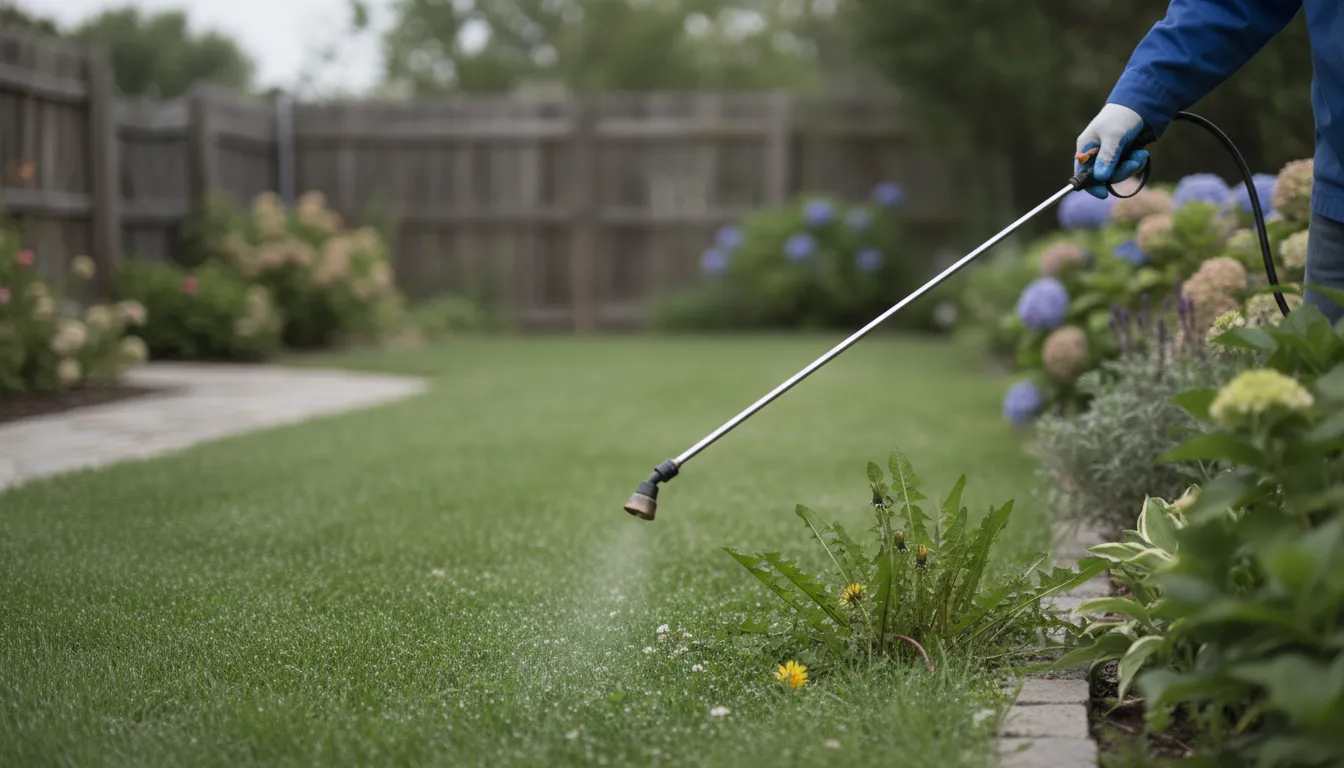
Find the Best Lawn Treatment Companies for Your Business
No obligation • Fast responses • Nationwide coverage

Why you can trust Landscape Atlas
Landscape Atlas is a leading United States resource for evaluating landscaping, lawn care, and outdoor service providers. Our team researches each category in depth, focusing on service quality, safety, and customer experience. Listings and rankings are based on independent criteria and user feedback, and companies cannot pay to influence our assessments or recommendations.
Search providers near you
Top Lawn Treatment Companies in Roswell, Georgia Ranked
Maintaining a lush, green, and weed-free lawn in Roswell requires a strategic approach tailored to our local climate and grass types. Professional lawn fertilization and weed management services provide the targeted nutrients and protection your turf needs to thrive throughout the year. This guide will help you understand the essential seasonal care for Roswell lawns and how to connect with local experts who can implement an effective program for your property.
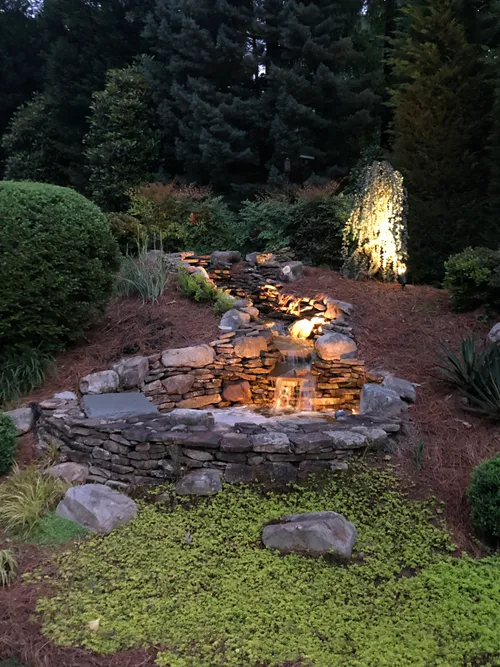
Total Lawn Inc.
1670 Hazelwood Dr SE, Marietta, GA 30067
Total Lawn Inc. is a landscaping and lawn care company serving the East Cobb area near Atlanta, GA. They offer a wide range of services including lawn mowing, fertilization, weed control, landscape design, tree removal, stump grinding, yard drainage, grading, and hardscaping such as pavers and retaining walls. The company is known for its expertise in grading and drainage, ensuring efficient water management while integrating aesthetic elements into the landscape. Established in 1992, Total Lawn Inc. has over 30 years of experience working closely with clients to create and maintain personalized outdoor spaces.
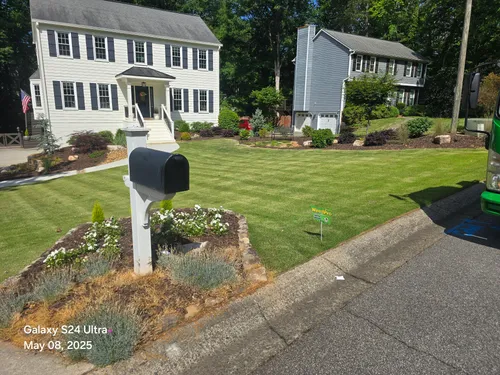
Weed Pro Lawn Care
2705 Holcomb Bridge Rd, Johns Creek, GA 30022
Weed Pro Lawn Care offers specialized lawn care, weed control, and irrigation services in Atlanta, GA. The company focuses on tailored treatments that consider local soil, seasonal weed cycles, and grass types to maintain healthy, green lawns. Their services include sprinkler installation and repair, supporting year-round lawn health with environmentally responsible practices. Weed Pro serves homeowners throughout North Georgia, providing personalized attention to each lawn's unique needs.
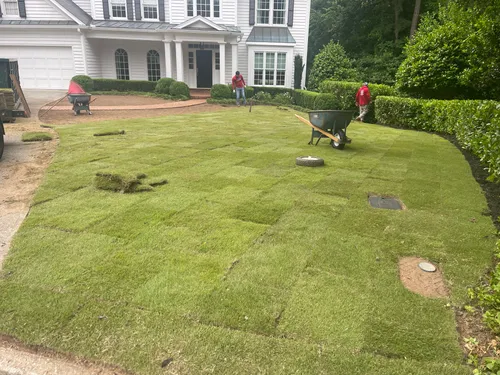
Rain Season Irrigation Landscape INC.
Atlanta, GA
Rain Season Irrigation Landscape INC. is based in Lawrenceville, GA, and provides a wide range of lawn care and landscaping services including irrigation system installation, maintenance, and repair. They specialize in custom irrigation solutions designed to optimize water use and maintain healthy outdoor spaces. Their offerings also include lawn fertilization, weed control, drainage system design, sprinkler services, landscape lighting installation, and seasonal system adjustments. The company emphasizes sustainable practices and uses advanced technology to ensure efficient irrigation tailored to local climate conditions. They also provide 24/7 emergency repair services to address urgent irrigation issues promptly.
Southern Standard Landscaping
1337 Owenby Dr, Marietta, GA 30066
Southern Standard Landscaping provides comprehensive landscaping and hardscaping services in Atlanta, GA. They offer custom patios, retaining walls, fire pits, outdoor kitchens, and full property transformations, along with landscape design and routine maintenance including lawn mowing, fertilization, and tree care. Their capabilities include detailed 3D renderings and the use of native, drought-resistant plants to create sustainable outdoor spaces. Serving Marietta, Atlanta, Sandy Springs, Roswell, Alpharetta, and surrounding areas, they also handle overgrown brush removal and seasonal cleanups. The company emphasizes high-quality materials and craftsmanship to ensure lasting results.
RID Property Services INC
4060 Austell Powder Springs Rd, Powder Springs, GA 30127
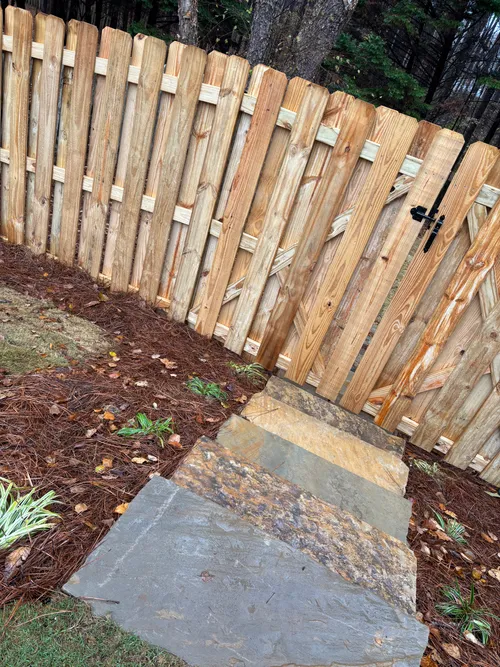
RID Property Services INC is a landscaping company based in Atlanta, GA, offering a wide range of services including lawn mowing, fertilization, weed control, tree and shrub care, landscape design, and hardscape installation. They serve both residential and commercial clients, providing customized solutions such as retaining walls, patios, and seasonal clean-up to maintain and enhance outdoor spaces. The company emphasizes the use of quality materials and equipment to create functional and attractive landscapes tailored to client needs and budgets.
Understanding Roswell's Lawn Environment
The foundation of effective lawn care in Roswell begins with knowing what you're working with. Our area is dominated by warm-season grasses, which have distinct growth cycles compared to their cool-season counterparts. The most common turf types here are Bermuda, Zoysia, Centipede, and St. Augustine grasses. These grasses actively grow during the warm months of late spring through summer, go dormant, and turn brown after the first hard frost in fall, and then green up again in the spring. This cycle dictates the entire schedule for feeding and weed prevention, making a one-size-fits-all approach ineffective. Successful lawn nutrition and weed suppression programs are built around this specific growth pattern.
The Core Components of a Healthy Lawn Program
A comprehensive lawn care strategy involves more than just occasional feeding. It's an integrated system designed to strengthen your turf from the ground up.
Lawn Fertilization is the process of delivering essential nutrients-primarily nitrogen, phosphorus, and potassium-to the grass roots. For warm-season grasses, the right fertilizer applied at the correct time promotes deep root development, vigorous green growth, and increased resistance to drought, disease, and foot traffic. Without proper nutrition, grass becomes thin and weak, creating the perfect opening for weeds to invade.
Weed Control is a constant battle and is typically divided into two main tactics. Pre-emergent herbicides are applied before weed seeds germinate, creating a barrier in the soil that prevents them from sprouting. This is crucial for stopping annual grassy weeds like crabgrass. Post-emergent herbicides are used to kill weeds that have already emerged and are visible in the lawn, such as dandelions, clover, and chickweed 1. An effective program uses both methods in a timed sequence throughout the year.
Supportive Cultural Practices like aeration and overseeding elevate a basic program. Core aeration, which involves removing small plugs of soil, is highly beneficial for Roswell's often compacted clay soil. It alleviates compaction, allows water, air, and fertilizer to reach the root zone more effectively, and reduces thatch buildup. The best time to aerate warm-season lawns is during their peak growth in late spring or early summer 2. Overseeding can be done in late summer or early fall to improve lawn density and fill in bare spots, creating a thicker turf that naturally resists weeds.
The Roswell Lawn Care Calendar: A Seasonal Guide
Following a seasonal schedule is non-negotiable for lawn health in Georgia's climate. Here's a breakdown of what your lawn needs and when.
Spring (March - May)
This is a critical launch period. As soil temperatures warm, your grass begins to green up. Application of a pre-emergent herbicide is the top priority to stop crabgrass and other summer annual weeds before they start. An early-season fertilization provides the nutrients needed for strong initial growth. Broadleaf weed control is also addressed during this time to tackle winter annuals like henbit.
Summer (June - July)
Your lawn is in its active growth phase. A summer feeding supports this growth and helps the grass withstand heat stress 3. Post-emergent spot treatments manage any breakthrough weeds like nutsedge or spurge. This season also requires vigilance for insects (like chinch bugs in St. Augustine) and fungal diseases, which professionals can diagnose and treat.
Late Summer / Early Fall (August - September)
As growth begins to slow, another round of fertilization and weed control helps the lawn recover from summer stress and build strength. This is the ideal window for core aeration and overseeding warm-season grasses to improve density before dormancy.
Late Fall (October - November)
The final service of the year focuses on winter preparation. A "winterizer" fertilizer is applied. This formulation is high in potassium, which promotes root growth and hardiness, helping your lawn survive the winter and green up faster in spring 4. A dormant application of pre-emergent herbicide can also be applied to control winter annual weeds like poa annua.
Find the perfect lawn treatment companies for your needs
Get personalized recommendations and expert advice
What to Expect from Professional Lawn Care Services
Most local providers offer annual programs that bundle these essential services into a scheduled plan, typically involving 5 to 7 visits per year 5. This proactive approach is often more effective and cost-efficient than reacting to problems as they arise. When evaluating companies, look for those that offer free, on-site estimates. A reputable technician will evaluate your lawn's size, grass type, sun exposure, and existing issues to recommend a customized plan. Be sure to ask what specific products they use, their treatment schedule, and whether they offer any guarantees on their weed control services.
Understanding Investment and Value
The cost for professional lawn fertilization and weed control in Roswell varies based on the size of your lawn, the specific services included, and the number of annual applications. For a basic annual program covering fertilization and weed control, homeowners can expect a range roughly between $300 to $800 or more 6 7 8. This usually breaks down to a per-visit cost of approximately $50 to $125+ per treatment 6 7. While this is an investment, it competes with the cumulative cost of purchasing commercial-grade products, renting equipment like aerators, and dedicating your own time and labor. For many, the expertise, consistency, and results provided by a professional offer significant value.
Choosing a Provider in Roswell
Finding the right partner for your lawn care starts with research. Look for established local companies with strong reputations and knowledge of Roswell's specific conditions 9. Read reviews from neighbors on local platforms, and don't hesitate to get estimates from multiple providers to compare their planned approach, communication style, and pricing. Companies like GrassRoots Turf and Weed Pro are examples of providers that service the Roswell area and detail their local programs online 10. The goal is to find a knowledgeable, reliable service that views your lawn as more than just an address.
Frequently asked questions
Sources
Footnotes
-
How Much Does Professional Lawn Care Cost? | All Turf, Atlanta ↩
-
When During the Year Should I Fertilize My Georgia Lawn? - Turf Magic ↩
-
Lawn Care Service & Weed Control for Residents of Roswell - GrassRoots Turf ↩
-
How much does lawn care service cost? - Green Lawn Fertilizing ↩ ↩2
-
How Much Does Lawn Fertilization Cost in 2026? - LawnLove ↩ ↩2