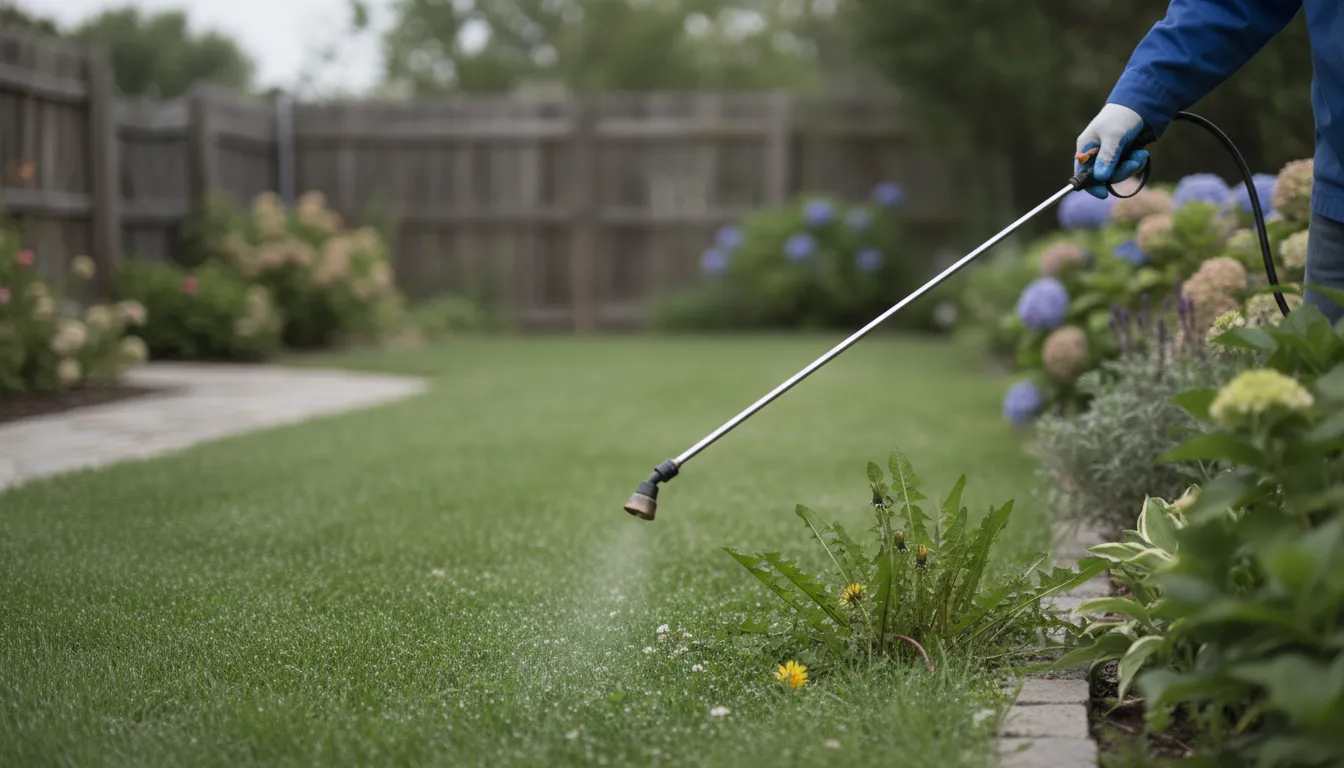
Find the Best Lawn Treatment Companies for Your Business
No obligation • Fast responses • Nationwide coverage

Why you can trust Landscape Atlas
Landscape Atlas is a leading United States resource for evaluating landscaping, lawn care, and outdoor service providers. Our team researches each category in depth, focusing on service quality, safety, and customer experience. Listings and rankings are based on independent criteria and user feedback, and companies cannot pay to influence our assessments or recommendations.
Search providers near you
Top Lawn Treatment Companies in Brooklyn Park, Minnesota Ranked
Maintaining a lush, green, and weed-free lawn in Brooklyn Park requires a strategic approach tailored to Minnesota's distinct seasons. Professional lawn fertilization and weed control services provide the nutrients and targeted treatments your grass needs to thrive, combating common weeds and building resilience against the local climate. This guide will help you understand the typical programs, timing, and benefits of turf care in our area, so you can find the right local expertise for your property.
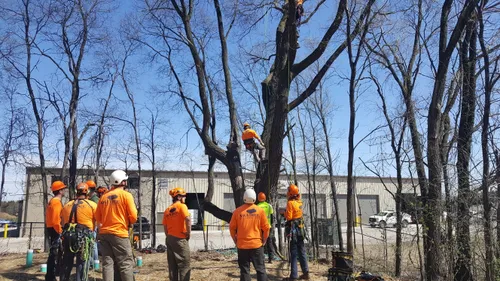
SavATree - Tree Service & Lawn Care
12450 Hudson Rd S, Afton, MN 55001
SavATree - Tree Service & Lawn Care is based in Afton and serves the St Paul, MN area along with many communities throughout the St. Croix Valley. They offer a wide range of services including tree pruning, removal, stump grinding, lawn fertilization, weed control, shrub care, and outdoor lighting installation. Their team includes ISA Certified Arborists who provide expert diagnosis and tailored treatment plans to maintain tree and lawn health. With over 30 years of experience serving residential and commercial clients, SavATree focuses on sustainable practices and managing local challenges like emerald ash borer and oak wilt.
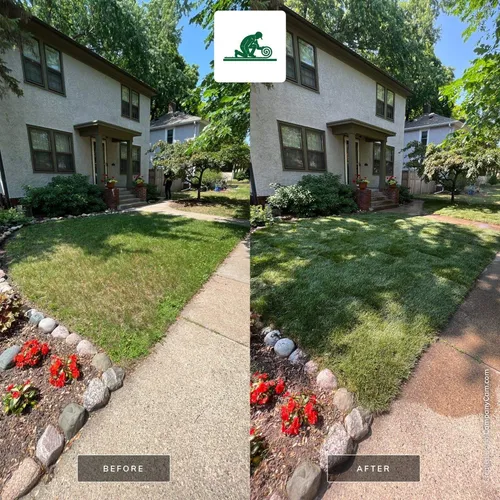
Sod Smith LLC
6417 Penn Ave S Ste. 8, Richfield, MN 55423
Sod Smith LLC is a lawn care company based in Minneapolis, MN, specializing in sod installation and a variety of lawn maintenance services. They offer efficient sod installation that provides instant curb appeal and support new lawns with a proprietary Establishment Plan to promote healthy root growth. The company also installs digital sprinkler systems designed to reduce water use by up to 50%, contributing to sustainable lawn irrigation. Sod Smith emphasizes precise soil preparation and tailored care suited to Minnesota's conditions to ensure successful lawn transformations. Their services are available throughout Minneapolis, with quick booking and transparent communication to keep customers informed throughout the process.
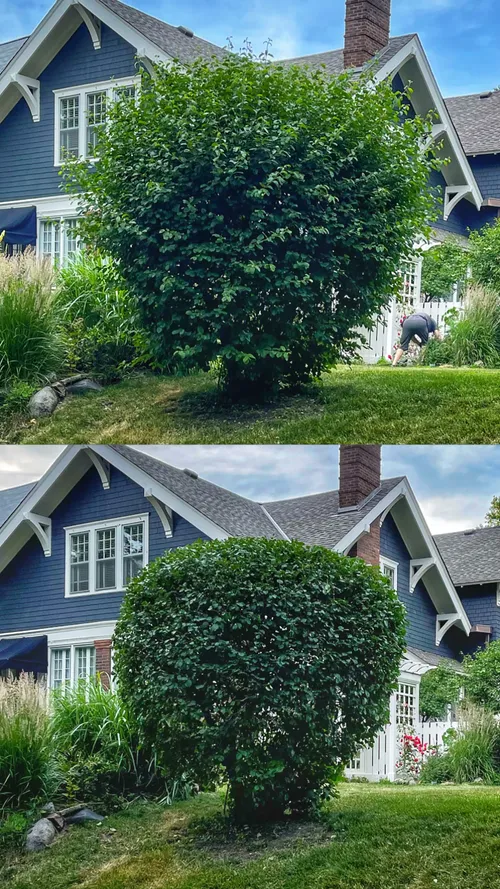
Big D Lawn & Snow Services
St Paul, MN
Big D Lawn & Snow Services offers year-round lawn care and snow removal services in St Paul, MN. Their lawn maintenance package includes spring cleanup, weekly mowing, fertilization, weed control, and fall cleanup to keep lawns healthy and attractive throughout the growing season. During winter, they provide snow plowing and ice management to maintain safe and accessible properties. The company uses quality equipment and delivers personalized care to meet outdoor maintenance needs in Summit Hill and surrounding areas.
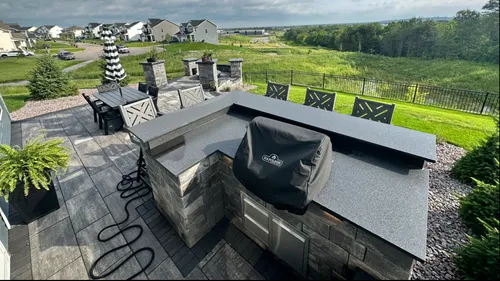
Pioneer Landscaping LLC
1694 Ivory Ave N, Lake Elmo, MN 55042
Pioneer Landscaping LLC is a full-service landscaping company based in St Paul, MN, offering a wide range of services including hardscaping, outdoor living spaces, sod and irrigation installation, sport court and pool installation, and year-round property maintenance for both residential and commercial clients. They serve the St Paul area along with nearby communities such as Lake Elmo, Woodbury, Stillwater, and White Bear Lake. Founded in 2020, the company emphasizes dedicated crews and specialized managers to deliver precise results and sustainable practices. Pioneer Landscaping also provides 24/7 emergency services, ensuring support through all seasons.
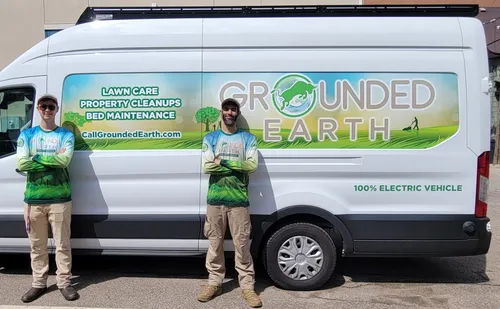
Grounded Earth
603 Ontario St SE Unit 1, Minneapolis, MN 55414
Grounded Earth provides eco-friendly lawn care and landscaping services in Minneapolis, MN. They specialize in zero-emission electric lawn mowing, landscape maintenance including mulch installation and shrub trimming, and property cleanups such as spring and fall cleanups. Their approach focuses on quiet, clean, and efficient service using commercial-grade battery-powered tools that reduce noise and emissions. Grounded Earth serves primarily small to mid-sized residential properties and emphasizes consistent weekly or biweekly service schedules. The company highlights personalized care and ongoing communication to ensure reliable service.
Understanding Your Brooklyn Park Lawn
The foundation of effective lawn care in Brooklyn Park is understanding the grass under your feet. Most lawns here are composed of cool-season grasses like Kentucky Bluegrass, Perennial Ryegrass, and various Fescues. These grasses are perfectly adapted to our region's climate, growing most vigorously in the cool temperatures of spring and fall. They go dormant and turn brown during the peak summer heat and winter freeze, which is a normal survival mechanism. A proper fertilization and weed management plan works with this natural cycle, providing support when the grass is actively growing and preparing it for periods of stress.
Without a consistent nutrient and weed control plan, even the hardiest cool-season lawn can struggle. It may become thin, allowing sunlight to reach the soil and germinate weed seeds. It can also lose its vibrant green color and become more susceptible to damage from drought, disease, and insect pests like grubs. A structured program is designed to promote a thick, dense turf that naturally crowds out weeds and stands up to the challenges of a Minnesota year.
The Seasonal Rhythm of Lawn Care
Timing is everything in lawn nutrition and weed prevention. Applying the right product at the wrong time is, at best, ineffective and, at worst, wasteful or harmful. Professional services follow a calendar-based schedule that aligns with soil temperatures and plant growth stages.
Early Spring (March/April)
This is a critical window for crabgrass control. Crabgrass is an annual grassy weed that germinates when soil temperatures consistently reach 55-60°F. Since it grows from seed each year, the most effective strategy is to apply a pre-emergent herbicide before the seeds sprout. This application forms a barrier in the soil. Spring visits also often include a light, balanced "starter" fertilizer to give the grass a gentle wake-up call and encourage green-up after winter.
Late Spring (May/June)
As temperatures warm and growth accelerates, the lawn's demand for nitrogen increases. A late spring application provides essential nutrients for strong blade development and density. This visit also typically includes broadleaf weed control, targeting common invaders like dandelions, clover, and plantain that are actively growing and vulnerable to treatment.
Summer (July/August)
Summer treatments are often more conservative. A slow-release fertilizer may be applied to provide steady nutrition without causing a flush of growth during potentially stressful heat. This visit usually focuses on spot treatments for any breakthrough weeds or early signs of insect activity 1. The goal is to maintain health without pushing the lawn during its least active growing period.
Late Summer/Early Fall (August/September)
This is arguably the most important feeding of the year. As temperatures cool, grass roots become active again. Fertilizer applied now goes directly toward root growth and energy storage, rather than top growth. This builds a stronger, deeper root system. A concurrent broadleaf weed control application is also highly effective at this time, as weeds are actively transporting nutrients (and herbicide) down to their roots.
Late Fall (October/November)
The final application of the year is the winterizer. This is a specialized fertilizer typically higher in potassium, which strengthens cell walls and improves the lawn's tolerance to cold, drought, and disease. It does not aim to produce green growth but to "harden off" the grass and ensure it has the reserves needed to survive winter and green up quickly the following spring.
Find the perfect lawn treatment companies for your needs
Get personalized recommendations and expert advice
What to Expect from a Professional Program
Most local providers offer bundled lawn care programs that take the guesswork out of maintenance. These are typically structured as 4 to 6 visits from spring through fall, with each visit combining fertilization and weed control as needed 2.
A standard 5 or 6-application program might include:
- Application 1: Pre-emergent crabgrass control + starter fertilizer.
- Application 2: Fertilizer + broadleaf weed control.
- Application 3: Summer fertilizer + spot weed/insect control.
- Application 4: Fall fertilizer + broadleaf weed control.
- Application 5: Winterizer fertilizer.
- (Optional 6th Application): Some programs include an extra summer feeding or a dedicated grub prevention treatment.
The integrated approach of these programs means that with each visit, your lawn receives a balanced nutrient boost while technicians scout for and address weed problems. This combination of granular fertilizer and liquid weed control is a common and effective method for comprehensive turf care. Reputable companies will also customize the plan based on their assessment of your lawn's specific conditions, such as shade, soil type, or existing issues like disease patches.
Investment and Value
The cost for a seasonal lawn fertilization and weed control program in Brooklyn Park varies based on several key factors. The primary driver is the size of your lawn (square footage). Other factors include the number of annual applications, the specific products used, and whether you bundle other services like aeration or overseeding.
Based on local market data:
- Annual Program Cost: A basic seasonal program for a typical residential property often ranges from $300 to $600 per year 3 4. More comprehensive or premium plans, or those for larger properties, can extend to $1,000 or more.
- Per-Visit Cost: If purchased individually, applications for weed and feed services can range from $50 to $125 per visit, again heavily dependent on property size 5 6.
While this is an investment, it should be weighed against the value of your time spent purchasing products, calibrating spreaders, applying treatments, and the potential cost of correcting mistakes. Professional services offer convenience, expertise in timing and product selection, and consistent results that contribute to your property's curb appeal and long-term health.
Key Benefits of a Managed Lawn Care Plan
Committing to a structured fertilization and weed control regimen delivers tangible benefits for your Brooklyn Park lawn:
- Denser, Greener Turf: Regular, balanced nutrition promotes thick growth, which is your lawn's best defense against weeds. A thick lawn chokes out weed seedlings by blocking sunlight 7 8.
- Effective Weed Suppression: A dual strategy of pre-emergent barriers (for crabgrass) and post-emergent treatments (for broadleaf weeds) tackles problems at multiple stages, leading to a significant reduction in visible weeds over the course of a season 9 10.
- Enhanced Stress Tolerance: Properly fed lawns develop deeper, more robust root systems. This makes them more resilient during summer drought and better equipped to survive harsh Minnesota winters 11 12.
- Improved Soil and Plant Health: Consistent care builds healthier soil biology and grass plants that are less susceptible to common lawn diseases and insect damage.
By partnering with a knowledgeable local provider, you can transform your lawn from a seasonal chore into a resilient and attractive asset for your home.
Frequently asked questions
Sources
Footnotes
-
Brooklyn Park MN Lawn Care & Mowing Services - From $19 - https://www.lawnstarter.com/brooklyn-park-mn-lawn-care ↩
-
What Can You Expect From Our 6-Treatment Lawn Care Program? - Brooklawn Services - https://brooklawnservices.com/what-can-you-expect-from-our-6-treatment-lawn-care-program/ ↩
-
Lawn Care Services in Minnesota - Adam's Pest Control - https://www.adamspestcontrol.com/lawn-care/ ↩
-
How much does lawn care service cost? - Green Lawn Fertilizing - https://www.greenlawnfertilizing.com/blog/how-much-does-lawn-care-service-cost ↩
-
Lawn Fertilizer & Weed Control Services in the Twin Cities, MN - https://warnersoutdoorsolutions.com/lawn-care/fertilizer-weed-control/ ↩
-
How Much Does a Weed Control Service Cost? (2026) - HomeGuide - https://homeguide.com/costs/weed-control-cost ↩
-
Lawn Fertilization Brooklyn Park MN | Zone 4b Programs - https://brooklynparklawnandsnow.com/fertilization ↩
-
Fall Lawn Fertilizer: When and How to Apply for a Healthier Lawn - https://www.terra-lawn-care.com/fall-lawn-fertilizer/ ↩
-
Fertilizer | Weed Control | Brooklyn Park MN - Peter Doran Lawn - https://www.peterdoranlawn.com/brooklyn-park-mn/summer-lawn-care/fertilization-and-weed-control/ ↩
-
Weed Control Brooklyn Park, MN - https://www.lawn.pro/residential-services ↩
-
5 Application Lawn Program - https://naturescapelawncare.com/us/services/lawncare/5app/ ↩
-
Benefits of a Winterizer Treatment for Your Lawn in Fall - https://brooklawnservices.com/benefits-of-a-winterizer-treatment-for-your-lawn-in-fall/ ↩