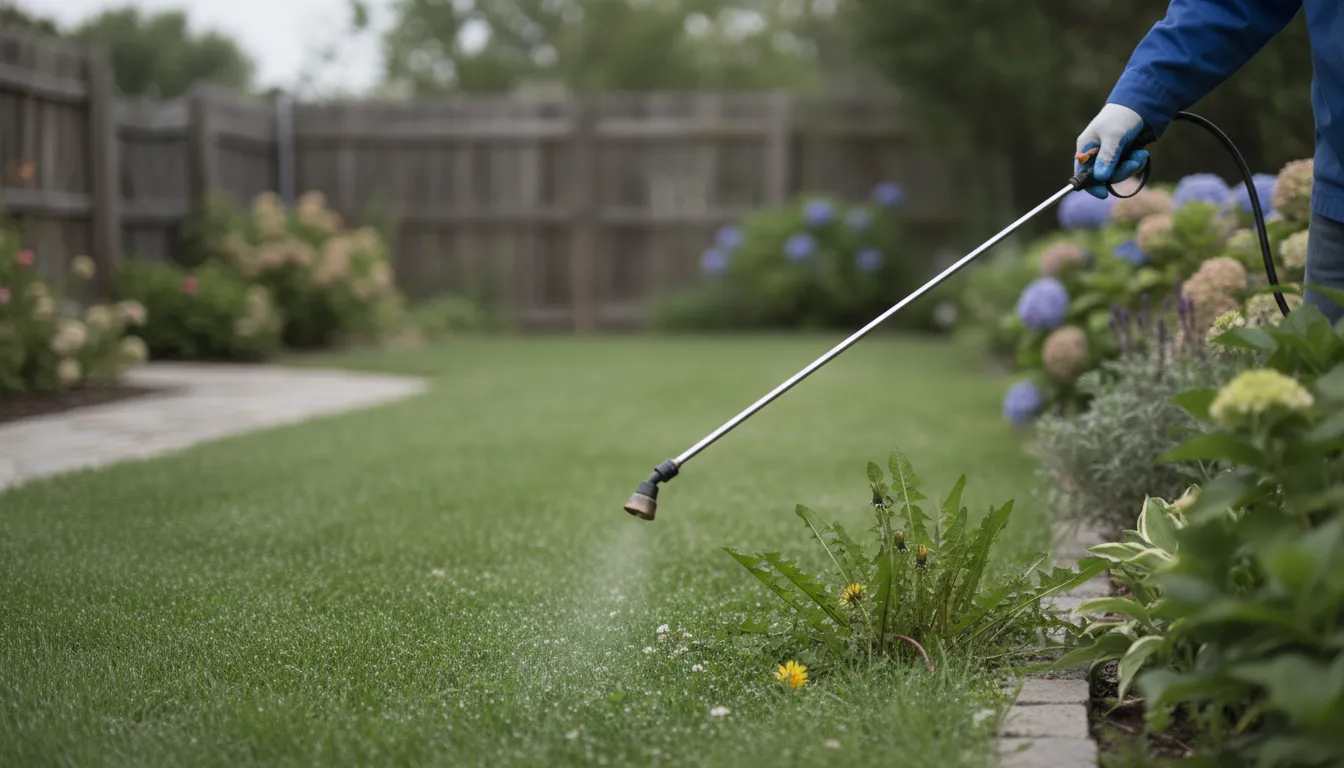
Find the Best Lawn Treatment Companies for Your Business
No obligation • Fast responses • Nationwide coverage

Why you can trust Landscape Atlas
Landscape Atlas is a leading United States resource for evaluating landscaping, lawn care, and outdoor service providers. Our team researches each category in depth, focusing on service quality, safety, and customer experience. Listings and rankings are based on independent criteria and user feedback, and companies cannot pay to influence our assessments or recommendations.
Search providers near you
Top Lawn Treatment Companies in St Paul, Minnesota Ranked
A healthy, vibrant lawn in St. Paul requires a targeted approach to feeding and weed management. Lawn fertilization provides essential nutrients for robust growth and color, while effective weed control protects your turf from invasive plants that compete for resources. This guide explains the seasonal strategies and local considerations for maintaining a beautiful lawn in Minnesota's capital, helping you understand the process and connect with qualified local lawn care professionals.
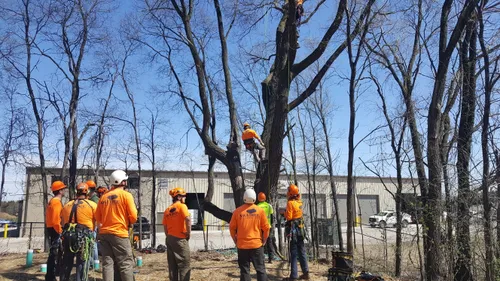
SavATree - Tree Service & Lawn Care
12450 Hudson Rd S, Afton, MN 55001
SavATree - Tree Service & Lawn Care is based in Afton and serves the St Paul, MN area along with many communities throughout the St. Croix Valley. They offer a wide range of services including tree pruning, removal, stump grinding, lawn fertilization, weed control, shrub care, and outdoor lighting installation. Their team includes ISA Certified Arborists who provide expert diagnosis and tailored treatment plans to maintain tree and lawn health. With over 30 years of experience serving residential and commercial clients, SavATree focuses on sustainable practices and managing local challenges like emerald ash borer and oak wilt.
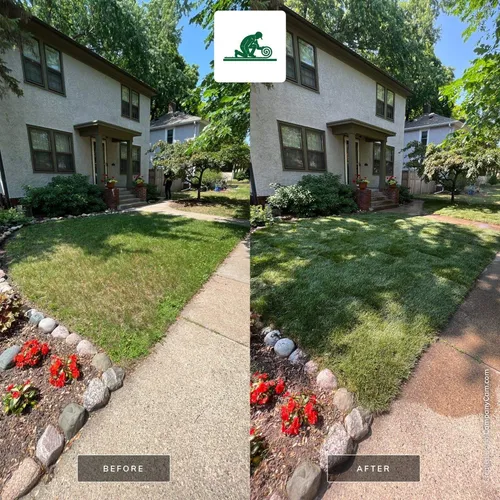
Sod Smith LLC
6417 Penn Ave S Ste. 8, Richfield, MN 55423
Sod Smith LLC is a lawn care company based in Minneapolis, MN, specializing in sod installation and a variety of lawn maintenance services. They offer efficient sod installation that provides instant curb appeal and support new lawns with a proprietary Establishment Plan to promote healthy root growth. The company also installs digital sprinkler systems designed to reduce water use by up to 50%, contributing to sustainable lawn irrigation. Sod Smith emphasizes precise soil preparation and tailored care suited to Minnesota's conditions to ensure successful lawn transformations. Their services are available throughout Minneapolis, with quick booking and transparent communication to keep customers informed throughout the process.
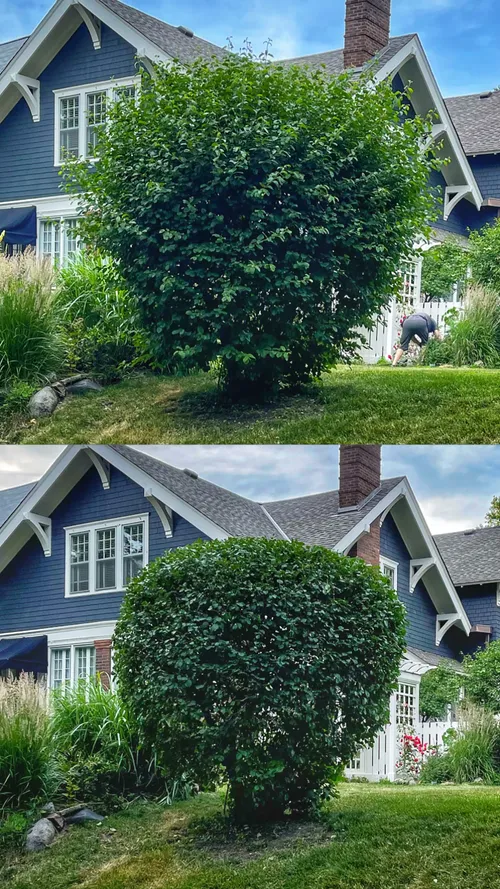
Big D Lawn & Snow Services
St Paul, MN
Big D Lawn & Snow Services offers year-round lawn care and snow removal services in St Paul, MN. Their lawn maintenance package includes spring cleanup, weekly mowing, fertilization, weed control, and fall cleanup to keep lawns healthy and attractive throughout the growing season. During winter, they provide snow plowing and ice management to maintain safe and accessible properties. The company uses quality equipment and delivers personalized care to meet outdoor maintenance needs in Summit Hill and surrounding areas.
Pioneer Landscaping LLC
1694 Ivory Ave N, Lake Elmo, MN 55042
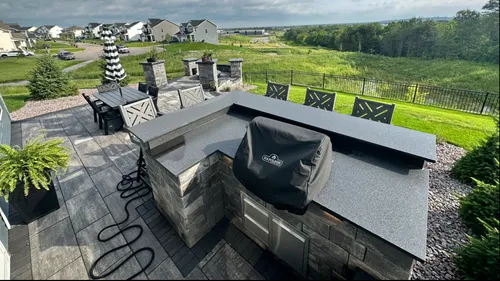
Pioneer Landscaping LLC is a full-service landscaping company based in St Paul, MN, offering a wide range of services including hardscaping, outdoor living spaces, sod and irrigation installation, sport court and pool installation, and year-round property maintenance for both residential and commercial clients. They serve the St Paul area along with nearby communities such as Lake Elmo, Woodbury, Stillwater, and White Bear Lake. Founded in 2020, the company emphasizes dedicated crews and specialized managers to deliver precise results and sustainable practices. Pioneer Landscaping also provides 24/7 emergency services, ensuring support through all seasons.

Grounded Earth
603 Ontario St SE Unit 1, Minneapolis, MN 55414
Grounded Earth provides eco-friendly lawn care and landscaping services in Minneapolis, MN. They specialize in zero-emission electric lawn mowing, landscape maintenance including mulch installation and shrub trimming, and property cleanups such as spring and fall cleanups. Their approach focuses on quiet, clean, and efficient service using commercial-grade battery-powered tools that reduce noise and emissions. Grounded Earth serves primarily small to mid-sized residential properties and emphasizes consistent weekly or biweekly service schedules. The company highlights personalized care and ongoing communication to ensure reliable service.
Understanding St. Paul's Lawn Environment
Success in lawn nutrition and weed suppression starts with understanding the local conditions. St. Paul's climate and soil directly influence which grass types thrive and how they should be cared for throughout the year.
Cool-Season Grasses: The vast majority of lawns in St. Paul are composed of cool-season grasses, which grow most actively in the spring and fall when temperatures are moderate. The primary varieties include Kentucky Bluegrass, known for its rich color and density; Tall Fescue, valued for its drought tolerance and durability; and Perennial Ryegrass, which germinates quickly and provides a lush texture. These grasses have specific nutritional needs and growth cycles that dictate the optimal timing for lawn feeding programs.
Local Soil Composition: The soil in the St. Paul area is typically a mix of silt, sand, and clay. This composition is generally favorable for turfgrass but can vary from one neighborhood to another. Soil type affects nutrient retention and water drainage, which is why some lawn care experts may recommend soil testing to tailor a fertilization and soil amendment plan specifically for your property 1.
The Essential Seasonal Lawn Care Program
A consistent, seasonally-timed application schedule is the cornerstone of effective turf management. For St. Paul, this isn't a one-size-fits-all approach but a dynamic program that changes with the weather.
Early Spring (March - April): The Foundation
The primary goals in early spring are to encourage green-up and prevent crabgrass, a common annual weed. This is typically done with a granular fertilizer application combined with a crabgrass pre-emergent herbicide. This herbicide creates a barrier in the soil that stops crabgrass seeds from germinating. Spot treatments for early-emerging broadleaf weeds like dandelions may also begin during this window.
Late Spring to Early Summer (May - June): Weed Control and Density
As soil temperatures rise, broadleaf weeds become more active. This is the ideal time for a liquid broadleaf weed control application to target pests like dandelions, clover, and the notoriously stubborn creeping Charlie. A follow-up fertilizer application during this period supports lush, dense growth to help the lawn outcompete weeds naturally.
Summer (June - August): Strengthening and Stress Defense
Summer treatments focus on maintaining lawn health during periods of heat and potential drought stress. A granular feed provides nutrients that enhance the turf's heat tolerance. This visit often includes checks for insect pests or fungal diseases, which can be more prevalent in summer humidity, ensuring issues are addressed before they cause significant damage.
Late Summer to Fall (August - October): The Most Critical Window
This is arguably the most important season for lawn nutrition in Minnesota. Applications from early August through mid-October are designed to fuel root growth and thicken the turf. A slow-release fertilizer applied in late summer promotes deep root development, which is crucial for winter survival and a strong start the following spring 2 3. The fall season, particularly September and October, is also the absolute best time for broadleaf weed control, as weeds are actively moving nutrients to their roots, making them more susceptible to herbicide applications 4.
Find the perfect lawn treatment companies for your needs
Get personalized recommendations and expert advice
What to Expect from Professional Lawn Care Services
Hiring a professional for your lawn feeding and weed management brings expertise and consistency. Local companies, such as Alex's Lawn & Turf, design programs specifically for the St. Paul area 5. A standard professional program typically includes multiple visits per year, each with a specific purpose aligned with the seasonal calendar outlined above.
Service Scope: A comprehensive lawn care service usually involves both fertilization and weed control in each visit, though the specific products and ratios change with the season. Professionals have access to commercial-grade products and the knowledge to apply them safely and effectively, often providing a more robust and longer-lasting result than DIY store-bought options.
Investment and Value: The cost for professional lawn nutrition and weed management varies based on your lawn's size, the number of annual applications, and the company's service level. For a typical St. Paul property, you can expect:
- Basic Program (4-5 treatments): $300 - $600 per year.
- Comprehensive Program (6-7 treatments): $350 - $875+ per year 6.
- Per-Visit Cost: Individual treatments that include both fertilization and weed control generally range from $50 to $125 7 8.
These programs are an investment in the long-term health and beauty of your landscape, potentially saving money and effort on lawn renovations down the line.
Key Benefits of a Managed Lawn Program
Committing to a structured lawn feeding and weed suppression plan offers tangible advantages beyond simple aesthetics.
- Deep Root Systems: Fall-focused fertilization encourages roots to grow deeper, making your lawn more drought-resistant and resilient.
- Weed Suppression: Consistent pre- and post-emergent weed control prevents invasive plants from establishing and spreading, reducing the need for reactive spot-spraying.
- Improved Density: A well-fed lawn grows thicker, which naturally chokes out weed seeds trying to germinate and creates a lush, uniform appearance.
- Seasonal Preparedness: Each treatment prepares the grass for the upcoming seasonal stresses, whether it's summer heat or winter cold.
Frequently asked questions
Sources
Footnotes
-
Lawn Care in Saint Paul, MN from $55 | 6000+ 5-Star Reviews - https://www.getsunday.com/local-guide/lawn-care-in-saint-paul-mn ↩
-
Lawn care calendar | UMN Extension - https://extension.umn.edu/planting-and-growing-guides/lawn-care-calendar ↩
-
When to Fertilize Your Lawn in Minnesota - https://lawnlove.com/blog/when-to-fertilize-lawn-minnesota/ ↩
-
The Best Minnesota Lawn Care Schedule - LawnStarter - https://www.lawnstarter.com/blog/minnesota/lawn-care-schedule-mn/ ↩
-
Weed Control & Fertilization in St. Paul MN - Alex's Lawn & Turf - https://www.alexslawnandturf.com/fertilization/ ↩
-
How Much Does TruGreen Cost? (2026) - HomeGuide - https://homeguide.com/costs/trugreen-cost ↩
-
How much does lawn care service cost? - Green Lawn Fertilizing - https://www.greenlawnfertilizing.com/blog/how-much-does-lawn-care-service-cost ↩
-
Local Lawn Fertilization Services - https://teedandbrown.com/services/local-lawn-fertilization-services/ ↩