Find the Best Lawn Treatment Companies for Your Business
No obligation • Fast responses • Nationwide coverage

Why you can trust Landscape Atlas
Landscape Atlas is a leading United States resource for evaluating landscaping, lawn care, and outdoor service providers. Our team researches each category in depth, focusing on service quality, safety, and customer experience. Listings and rankings are based on independent criteria and user feedback, and companies cannot pay to influence our assessments or recommendations.
Search providers near you
Top Lawn Treatment Companies in Minnetonka, Minnesota Ranked
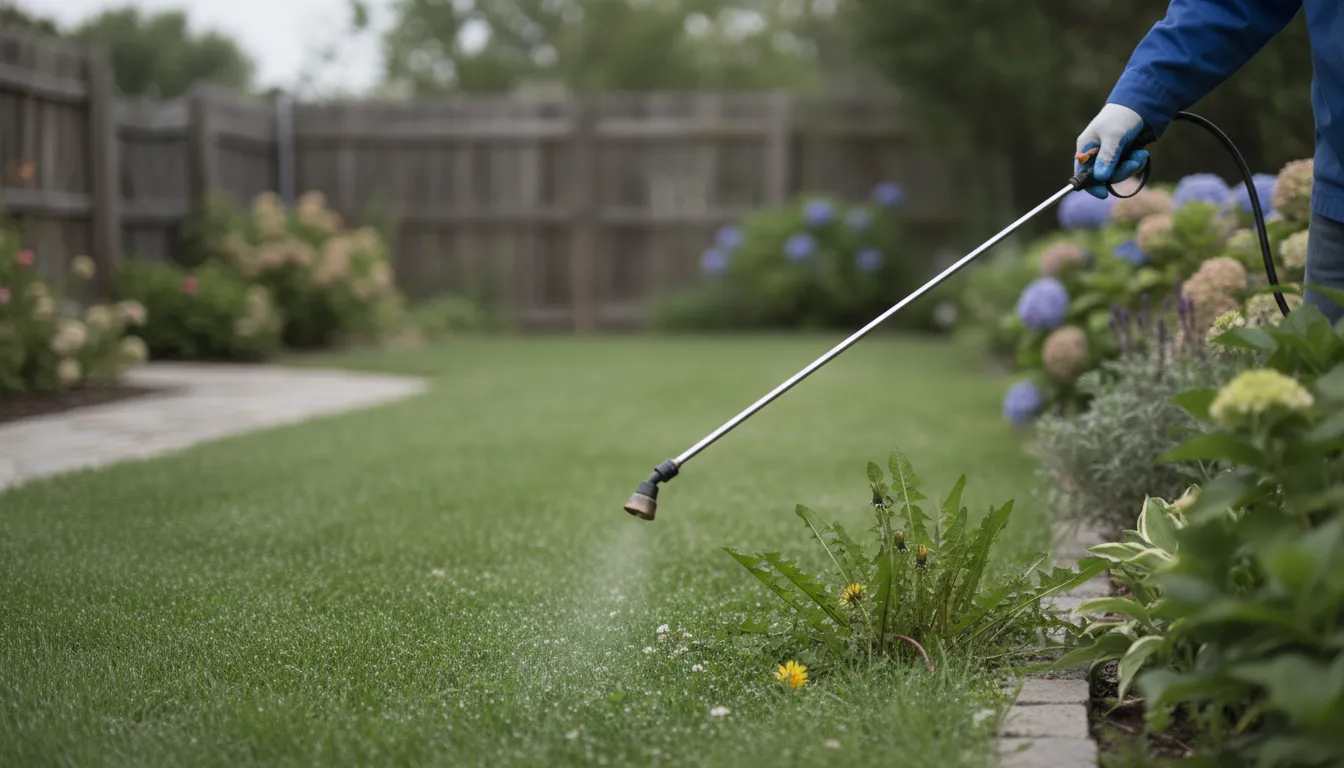
A healthy, vibrant lawn is the cornerstone of a beautiful property, and achieving it requires a consistent, science-backed approach to feeding and weed management. Lawn fertilization and weed control services provide the essential nutrients your grass needs to thrive while systematically eliminating invasive weeds that compete for resources. In Minnetonka, where seasonal extremes challenge turfgrass, a professional program tailored to local soil and grass types can make the difference between a patchy yard and a lush, green carpet. This guide will help you understand the local lawn care process, typical services, and how to connect with qualified professionals who can develop a plan for your specific landscape.
SavATree - Tree Service & Lawn Care
12450 Hudson Rd S, Afton, MN 55001
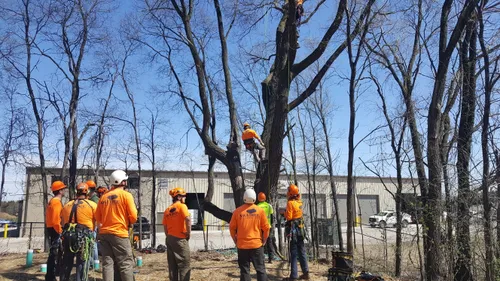
SavATree - Tree Service & Lawn Care is based in Afton and serves the St Paul, MN area along with many communities throughout the St. Croix Valley. They offer a wide range of services including tree pruning, removal, stump grinding, lawn fertilization, weed control, shrub care, and outdoor lighting installation. Their team includes ISA Certified Arborists who provide expert diagnosis and tailored treatment plans to maintain tree and lawn health. With over 30 years of experience serving residential and commercial clients, SavATree focuses on sustainable practices and managing local challenges like emerald ash borer and oak wilt.
Sod Smith LLC
6417 Penn Ave S Ste. 8, Richfield, MN 55423
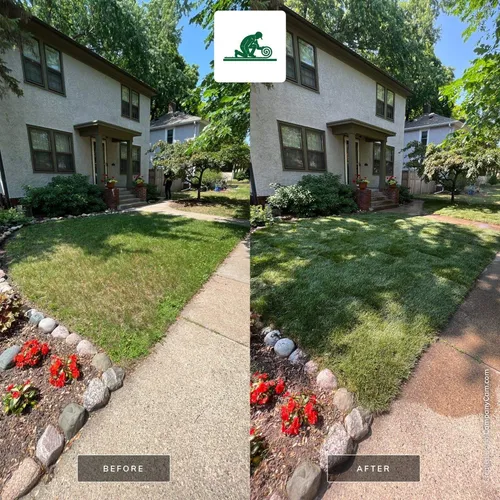
Sod Smith LLC is a lawn care company based in Minneapolis, MN, specializing in sod installation and a variety of lawn maintenance services. They offer efficient sod installation that provides instant curb appeal and support new lawns with a proprietary Establishment Plan to promote healthy root growth. The company also installs digital sprinkler systems designed to reduce water use by up to 50%, contributing to sustainable lawn irrigation. Sod Smith emphasizes precise soil preparation and tailored care suited to Minnesota's conditions to ensure successful lawn transformations. Their services are available throughout Minneapolis, with quick booking and transparent communication to keep customers informed throughout the process.
Big D Lawn & Snow Services
St Paul, MN
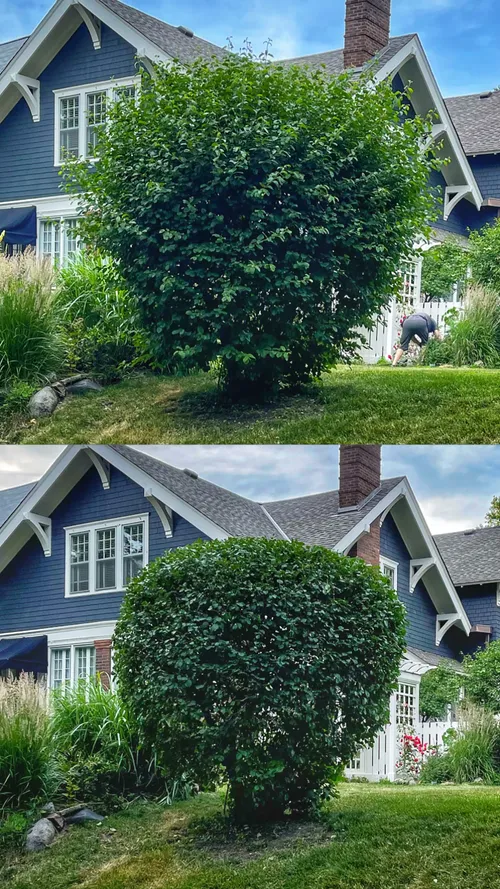
Big D Lawn & Snow Services offers year-round lawn care and snow removal services in St Paul, MN. Their lawn maintenance package includes spring cleanup, weekly mowing, fertilization, weed control, and fall cleanup to keep lawns healthy and attractive throughout the growing season. During winter, they provide snow plowing and ice management to maintain safe and accessible properties. The company uses quality equipment and delivers personalized care to meet outdoor maintenance needs in Summit Hill and surrounding areas.
Pioneer Landscaping LLC
1694 Ivory Ave N, Lake Elmo, MN 55042
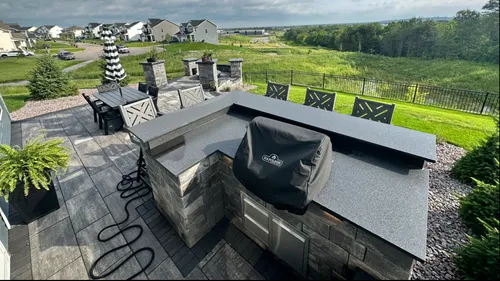
Pioneer Landscaping LLC is a full-service landscaping company based in St Paul, MN, offering a wide range of services including hardscaping, outdoor living spaces, sod and irrigation installation, sport court and pool installation, and year-round property maintenance for both residential and commercial clients. They serve the St Paul area along with nearby communities such as Lake Elmo, Woodbury, Stillwater, and White Bear Lake. Founded in 2020, the company emphasizes dedicated crews and specialized managers to deliver precise results and sustainable practices. Pioneer Landscaping also provides 24/7 emergency services, ensuring support through all seasons.
Grounded Earth
603 Ontario St SE Unit 1, Minneapolis, MN 55414
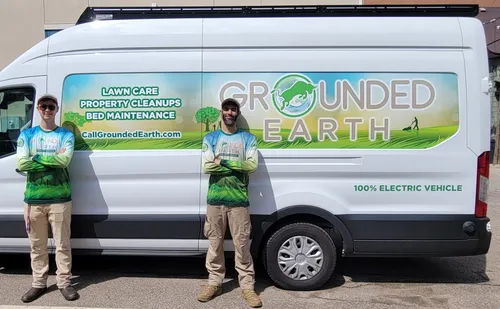
Grounded Earth provides eco-friendly lawn care and landscaping services in Minneapolis, MN. They specialize in zero-emission electric lawn mowing, landscape maintenance including mulch installation and shrub trimming, and property cleanups such as spring and fall cleanups. Their approach focuses on quiet, clean, and efficient service using commercial-grade battery-powered tools that reduce noise and emissions. Grounded Earth serves primarily small to mid-sized residential properties and emphasizes consistent weekly or biweekly service schedules. The company highlights personalized care and ongoing communication to ensure reliable service.
Understanding Your Minnetonka Lawn
The foundation of effective lawn care begins with knowing what type of grass you have. In Minnetonka, cool-season grasses dominate residential lawns. The most common varieties include Kentucky Bluegrass, prized for its rich color and dense growth; Perennial Ryegrass, known for its quick germination and wear tolerance; and Fine Fescues, which are shade-tolerant and require less fertilizer 1. Many lawns are a blend of these species, each with slightly different needs. Understanding your grass type helps professionals select the right fertilizer formulations and application timing to promote thick growth that naturally resists weeds and disease.
Beyond grass type, soil health is critical. Minnesota soils can vary, but many in the area are clay-heavy, which affects drainage and nutrient availability. A professional lawn feeding program does more than just apply fertilizer; it builds soil biology and structure over time, allowing roots to access water and nutrients more efficiently. This long-term soil building is especially important for the deep root development needed to survive Minnetka's cold winters and occasional summer droughts.
The Professional Lawn Care Calendar: A Seasonal Guide
A one-time application won't sustain a healthy lawn. Professional weed and feed programs in Minnetonka are built around a seasonal calendar that aligns with the growth cycles of both your grass and common weeds. This proactive, timed approach is key to success.
Early Spring (March - April)
The first visit of the season is crucial. As soil temperatures rise, professionals apply a pre-emergent herbicide targeted at crabgrass, which germinates early 2. This creates a barrier in the soil to prevent weed seeds from sprouting. This application is paired with a slow-release nitrogen fertilizer to give grass a gentle, sustained boost as it exits dormancy and begins its spring growth surge.
Late Spring (May - June)
This phase focuses on controlling broadleaf weeds that become visibly active, such as dandelions, clover, and creeping charlie. A post-emergent weed control application selectively targets these weeds without harming the grass. Fertilization may continue with a balanced formula to support strong blade and root development before the heat of summer sets in.
Summer (July - August)
Summer stress management is the goal. Fertilizer applications during peak heat often include iron to enhance the lawn's green color without promoting excessive, vulnerable growth that high-nitrogen fertilizers can cause. Weed control shifts to spot-treating any breakthrough crabgrass or persistent broadleaf weeds. Proper watering guidance is also a key part of summer lawn maintenance services.
Late Summer & Early Fall (September)
As temperatures cool, grass enters a second major growth period. This is an ideal time for more aggressive feeding to recover from summer stress and build carbohydrate reserves. Applications often combine fertilizer with iron and may include late-season post-emergent crabgrass control if needed.
Fall (October - November)
The final application is arguably the most important. A winterizer or root-building fertilizer is applied, typically high in potassium. This nutrient strengthens cell walls, improves drought tolerance, and promotes deep root growth, ensuring your lawn has the resilience to survive winter and green up vigorously the following spring.
Core Services in a Lawn Care Program
When you enlist a professional for lawn feeding and weed management, you're investing in a comprehensive system. The core components typically include:
- Customized Fertilization: Using slow-release or controlled-release granular formulas that provide a steady supply of essential nutrients-Nitrogen (N) for green growth, Phosphorus (P) for root development, and Potassium (K) for overall plant health and stress tolerance 3 4. Formulas are adjusted seasonally.
- Targeted Weed Control: This involves both pre-emergent and post-emergent strategies. Pre-emergents prevent annual weeds like crabgrass. Post-emergents, often liquid sprays, eliminate existing broadleaf weeds and grassy weeds 5. Professionals can identify weed types and choose the safest, most effective herbicide.
- Soil Amendment Integration: While not always included in a base plan, recommendations for lime (to adjust pH) or organic amendments are common based on observable conditions or soil test results.
- Grass Cycle Management: Professionals time applications to coincide with your grass's natural growth peaks in spring and fall, maximizing benefits and minimizing runoff or waste.
Find the perfect lawn treatment companies for your needs
Get personalized recommendations and expert advice
Complementary Services for a Complete Lawn
While fertilization and weed control form the backbone of lawn health, they are often part of a broader landscape management plan. Many homeowners in Minnetonka choose to bundle these core services with other seasonal treatments for optimal results.
- Core Aeration: Performing this service, typically in the fall, involves removing small plugs of soil to alleviate compaction. This allows air, water, and the fertilizer you apply to reach the root zone more effectively, dramatically improving the results of your feeding program.
- Overseeding: After aeration, overseeding introduces new grass seed into thin or bare areas. The fresh seed germinates in the ideal conditions of fall, helping to thicken the lawn and crowd out future weeds. The new grass also benefits directly from the fall fertilizer application.
- Grub & Insect Control: Preventive grub control treatments can protect your lawn's root system from being destroyed by beetle larvae. This is often a targeted add-on service.
- Disease Management: Professionals can identify common fungal lawn diseases and apply fungicides if necessary, protecting your investment in a healthy turf.
What to Expect: Investment and Value
The cost for a professional lawn fertilization and weed control program in Minnetonka is an investment in your property's curb appeal and long-term value. Pricing is primarily based on the size of your lawn (square footage) and the specific services included in your customized plan.
For a standard annual program covering the essential seasonal visits-typically 4 to 5 applications throughout the year-homeowners can expect a total cost ranging from approximately $300 to $600 for an average-sized yard 6 7. This breaks down to roughly $50 to $100 per individual service visit 6 8. It's important to get a detailed, property-specific quote, as factors like lawn accessibility, slope, and the presence of many landscaped beds can influence the final price. Many providers offer the option to add on services like aeration, overseeding, or pest control for an additional fee, which can provide greater value and results.
When evaluating providers, look for companies that are licensed and insured, use high-quality, professional-grade products, and are willing to explain their process and the reasons behind their seasonal recommendations. A trustworthy lawn care expert will view your property as a long-term partnership, not just a series of one-time jobs.
Frequently asked questions
Sources
Footnotes
-
Minnetonka, MN Lawn Care | 6000+ 5-Star Reviews - https://www.getsunday.com/local-guide/lawn-care-in-minnetonka-mn ↩
-
Lawn care calendar | UMN Extension - https://extension.umn.edu/planting-and-growing-guides/lawn-care-calendar ↩
-
Fertilizer & Weed Control - Minnetonka, MN - https://www.northern-roots.com/services/fertilizer-weed-control/fertilizer-weed-control-minnetonka-mn/ ↩
-
Spring Lawn Care Preparation & Steps - Home Depot - https://www.homedepot.ca/en/home/ideas-how-to/outdoors/lawn-garden/spring-lawn-care-preparation-and-steps.html ↩
-
Environmentally Friendly Lawn Care in Minnetonka, MN - https://getbiolawn.com/lawn-care-services-in-minnetonka/ ↩
-
How much does lawn care service cost? - Green Lawn Fertilizing - https://www.greenlawnfertilizing.com/blog/how-much-does-lawn-care-service-cost ↩ ↩2
-
Lawn Care Cost - Anderson Lawn Care - https://andersonlawn.com/lawn-care-cost/ ↩
-
Fertilizer | Weed Control | Minnetonka MN - Peter Doran Lawn - https://www.peterdoranlawn.com/minnetonka-mn/summer-lawn-care/fertilization-and-weed-control/ ↩