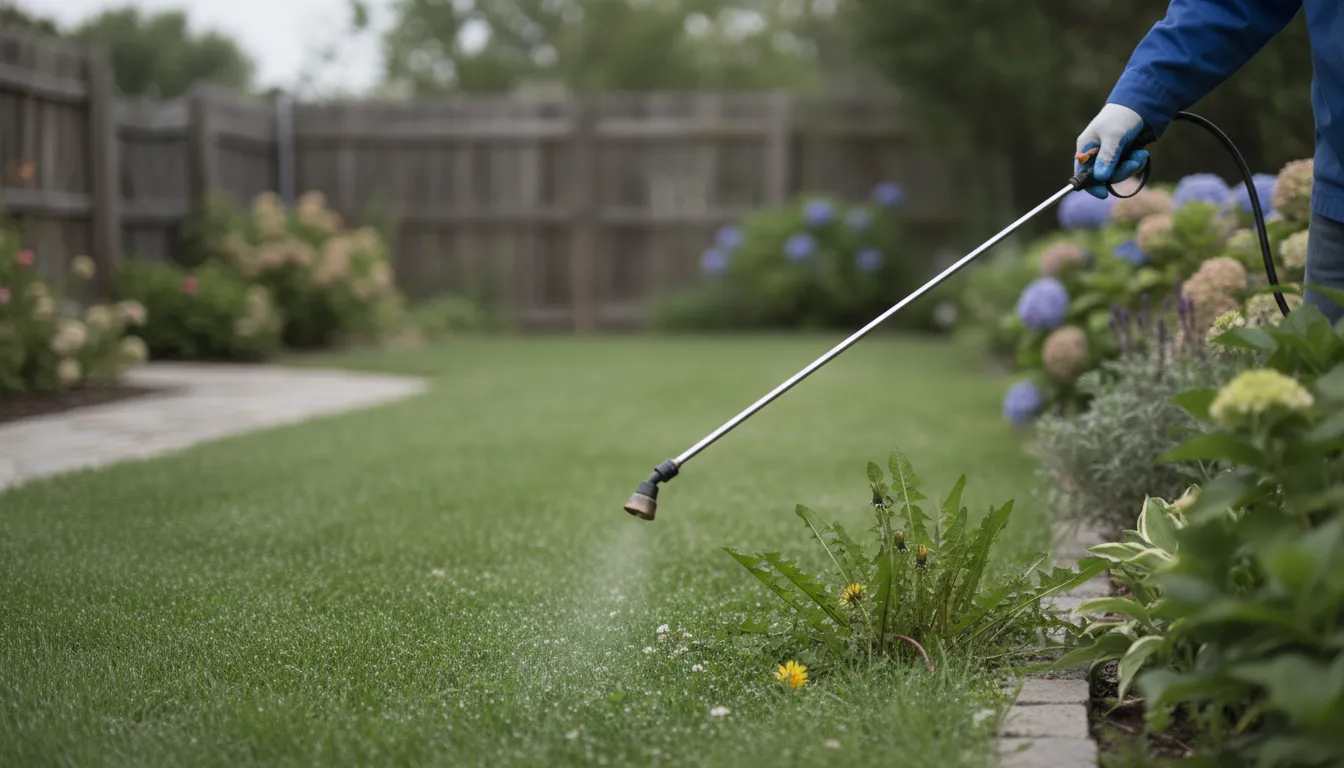
Find the Best Lawn Treatment Companies for Your Business
No obligation • Fast responses • Nationwide coverage

Why you can trust Landscape Atlas
Landscape Atlas is a leading United States resource for evaluating landscaping, lawn care, and outdoor service providers. Our team researches each category in depth, focusing on service quality, safety, and customer experience. Listings and rankings are based on independent criteria and user feedback, and companies cannot pay to influence our assessments or recommendations.
Search providers near you
Top Lawn Treatment Companies in Burlington, North Carolina Ranked
A healthy, vibrant lawn is more than just a patch of grass; it's a living ecosystem that enhances your home's curb appeal and provides a space for relaxation. Achieving that lush, green carpet in Burlington requires a strategic approach to lawn fertilization and weed control, tailored to our local climate and soil conditions. This guide explains the essential services that nourish your turf and suppress unwanted invaders, helping you understand the seasonal rhythms of lawn care so you can connect with local professionals who can craft an effective plan for your property.
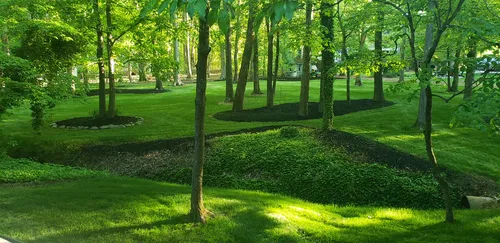
Tender Lawn Care
1074 Boulder Rd, Greensboro, NC 27409
Tender Lawn Care is a local lawn care company serving Greensboro, NC, and the surrounding Triad area. With over 40 years of experience, they offer comprehensive lawn care services including fertilization, weed control, core aeration, overseeding, and pest control treatments for mosquitoes, fleas, and ticks. Their services also extend to holiday lighting installation and gutter cleaning, providing year-round support for homeowners. Tender Lawn Care is known for tailored lawn care programs designed to maintain healthy, green lawns and effective pest management solutions.
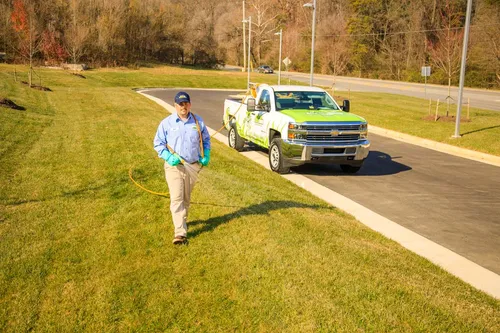
The Green Team
4510 Weybridge Ln suite 200 office 211, Greensboro, NC 27407
The Green Team is a lawn care company based in Greensboro, NC, serving Virginia and the Carolinas. With over 25 years of experience, they offer a range of services including lawn fertilization, weed control, aeration and seeding, tree and shrub care, and insect control. Their certified professionals use targeted treatments to maintain healthy lawns and landscapes, addressing issues like soil acidity and common pests to promote robust growth and resilience.
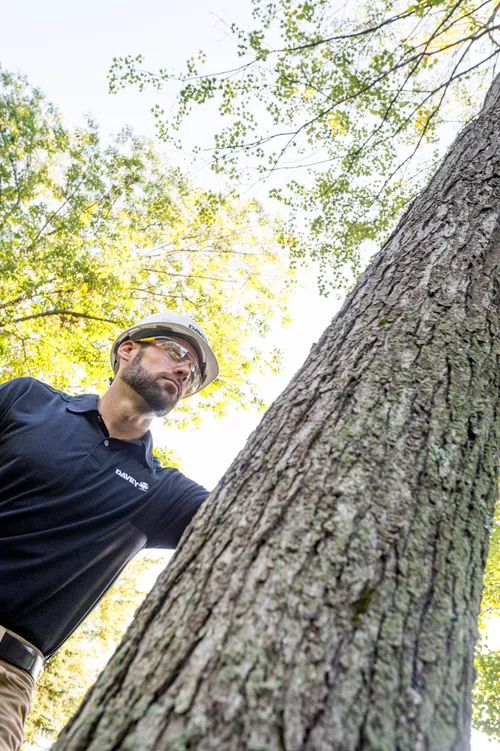
The Davey Tree Expert Company
7609 Boeing Dr, Greensboro, NC 27409
The Davey Tree Expert Company provides professional tree and lawn care services in Greensboro, NC. Their ISA Certified Arborists offer tree removal, trimming, pruning, fertilization, pest and disease treatments, and lawn care including fertilization and pest management. Serving Greensboro and surrounding communities, they focus on maintaining healthy and vibrant outdoor spaces. With over 130 years of experience in tree care, Davey combines expertise and accredited safety standards to support the health and safety of trees and landscapes.
Superior Green
2219 Setter Ln, Efland, NC 27243
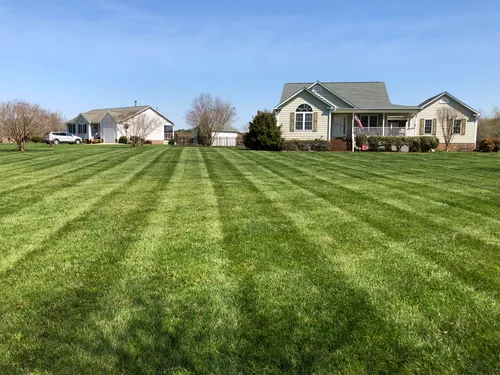
Superior Green is a lawn care company based near Durham, NC, specializing in lawn fertilization, weed control, insect and disease management, aeration, overseeding, and year-round lawn maintenance. They focus on eco-friendly practices tailored to North Carolina's climate and soil conditions, serving Mebane and surrounding areas including Burlington, Hillsborough, Graham, and Chapel Hill. Their services include custom fertilization blends and core aeration to improve soil health and lawn vitality. Superior Green is locally owned and operated with licensed and insured technicians, providing clear communication and free service calls between visits.
K & K Lawn Service Inc.
235 S Cobb Ave, Burlington, NC 27217
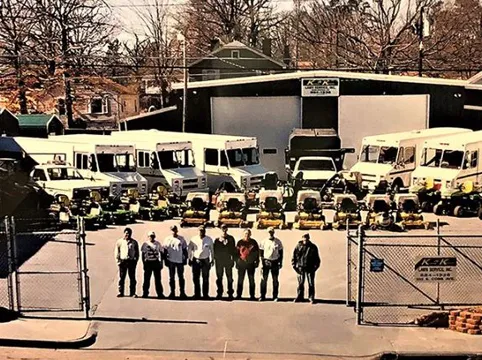
K & K Lawn Service Inc. is a landscaping contractor based in Greensboro, NC, serving Gibsonville, Whitsett, Burlington, Elon, Graham, and nearby areas. Since 1974, they have provided a wide range of lawn care and landscaping services, including lawn mowing, edging, weed control, landscape design, and installation of landscape lighting and hardscaping features such as patio pavers and drainage systems. Their experienced team works with both residential and commercial clients to maintain and enhance outdoor spaces with comprehensive care and design solutions.
Understanding Your Burlington Lawn's Needs
The foundation of any effective lawn care program is knowing what type of grass you have. Burlington, situated in North Carolina's Piedmont region, is a transition zone where both warm-season and cool-season grasses can thrive, each with its own distinct lifecycle and care requirements 1.
Warm-Season Grasses, such as Bermuda and Zoysia, are heat-loving varieties that hit their peak growth during the hot summer months. They go dormant and turn brown after the first hard frost in late fall, staying that way until soil temperatures warm again in spring. Their active feeding and growth period is concentrated from late spring through early fall.
Cool-Season Grasses, primarily Tall Fescue, prefer the milder temperatures of spring and fall. They remain green for much longer into the winter but can struggle during Burlington's hot, humid summers. Their most critical growth and recovery periods are in the early fall and again in spring.
A professional lawn feeding and weed management service will first identify your grass type, as this dictates the entire annual schedule for nutrient applications and herbicide treatments.
The Annual Lawn Care Schedule: A Season-by-Season Guide
A systematic, timed approach is key to preventing problems and promoting dense, healthy turf that naturally resists weeds, disease, and drought. Most professional programs in Burlington consist of 5 to 7 visits throughout the year, each with a specific goal.
Early Spring (February - March)
This is a critical window for crabgrass prevention. As soil temperatures approach 55°F, crabgrass seeds begin to germinate. A pre-emergent herbicide application forms a barrier in the soil that stops these weeds before they ever sprout. This visit often includes the first fertilizer application of the year for cool-season grasses like Fescue, giving them a boost for spring growth.
Late Spring (April - May)
Focus shifts to strengthening the lawn and tackling broadleaf weeds. A balanced fertilizer application encourages lush, green growth. Post-emergent herbicides are used to control visible weeds like dandelions and clover that escaped the pre-emergent barrier. For warm-season lawns, this period marks the beginning of their primary fertilization season as they exit dormancy.
Summer (June - August)
This season is about sustaining health through stress. For warm-season grasses (Bermuda, Zoysia), summer is their prime growing season, and they benefit from nutrient-rich feeding 2 3. For all lawns, the heat and humidity can be stressful. Services often include targeted feeding and spot treatments for summer weeds. Proper mowing and irrigation guidance are also crucial during this time to avoid scalping or drought damage.
Early Fall (September - October)
Fall is arguably the most important season for lawn care in Burlington, especially for Tall Fescue lawns. This is the ideal time for overseeding to thicken thin turf and repair summer damage, as cooler temperatures and autumn rains promote strong seed germination 4. A core fertilizer application at this time fuels root development and prepares the grass for winter. Soil pH testing and correction may also be addressed now, as proper pH is essential for nutrient uptake 5.
Late Fall (November)
The final service of the year typically involves applying a winterizer fertilizer. This special formulation is high in potassium, which strengthens cell walls and promotes deep root growth, helping your lawn survive the winter cold and bounce back vigorously in the spring 6. It's a vital step for long-term lawn resilience.
Find the perfect lawn treatment companies for your needs
Get personalized recommendations and expert advice
Key Components of Professional Lawn Treatment Services
When you hire a service for lawn nourishment and weed management, you're investing in a comprehensive system. Here's what that typically encompasses:
- Customized Fertilization Plans: Professionals don't apply a one-size-fits-all product. They select fertilizers with the correct nitrogen (N), phosphorus (P), and potassium (K) ratios for the season and your grass type. Slow-release formulas are often used to provide a steady supply of nutrients over several weeks.
- Pre-Emergent & Post-Emergent Weed Control: This two-pronged strategy is essential. Pre-emergents are applied before weed seeds germinate, providing season-long control for annual pests like crabgrass. Post-emergents are used to eliminate existing weeds, with selective herbicides targeting specific weeds without harming your desirable grass.
- Soil Health Analysis: The best food and weed control can be ineffective if your soil is too acidic or compacted. Some services include basic soil testing to check pH levels and may offer amendments like lime to optimize the soil environment for grass growth.
- Grass Type-Specific Timing: As outlined, the timing of every application is meticulously planned. Applying fertilizer to a dormant warm-season lawn in winter is wasteful, while missing the fall overseeding window for Fescue can mean waiting another full year for optimal results.
What to Expect: Investment and Service Models
Understanding the structure and cost of professional lawn care can help you evaluate your options. In Burlington, most companies offer annual programs that bundle multiple services into a scheduled plan.
A typical annual program for basic fertilization and weed control can range from approximately $300 to $600 per year, depending on the size of your lawn, the number of applications, and the specific services included 7 8 9. This often breaks down to a per-visit cost of between $50 and $100 for a standard-sized yard 7 8. Larger properties will naturally see higher costs per treatment, potentially starting around $80 or more 8.
These programs are designed for convenience and consistency, ensuring your lawn receives the right care at the right time without you having to track the calendar. Reputable local providers, such as those similar to Lawn Doctor or Emerald Green Inc., build these plans based on decades of experience with North Carolina's unique growing conditions 10.
The Benefits of a Professional Program
While DIY lawn care is possible, partnering with a professional offers distinct advantages:
- Expert Timing: They know the exact windows for pre-emergent applications and optimal fertilization for Burlington's climate.
- Correct Product Selection: Professionals have access to commercial-grade products and the knowledge to apply them safely and effectively.
- Time Savings: It eliminates the need to purchase, store, and apply products yourself.
- Problem Diagnosis: Trained eyes can spot early signs of disease, insect damage, or soil issues that a homeowner might miss.
- Consistent Results: A scheduled program provides the regular care needed to build and maintain a healthy lawn over years, not just a single season.
By understanding the science and schedule behind lawn fertilization and weed control, you can make an informed decision about caring for your Burlington property. A thriving lawn is an investment that pays dividends in beauty, enjoyment, and property value.
Frequently asked questions
Sources
Footnotes
-
- Lawns | NC State Extension Publications - https://content.ces.ncsu.edu/extension-gardener-handbook/9-lawns
-
When to Fertilize My Lawn in North Carolina? - https://lawnsquad.com/lawn-care-blog/how-often-should-i-fertilize-my-lawn-in-north-carolina/ ↩
-
When to Fertilize Bermudagrass - LawnStarter - https://www.lawnstarter.com/blog/lawn-care-2/when-fertilize-bermudagrass/ ↩
-
When to Overseed Lawn in North Carolina | Jonathan Green - https://www.jonathangreen.com/resources/when-overseed-lawn-north-carolina/ ↩
-
Best Lawn Care Schedule for Raleigh - Eastern Turf Maintenance - https://etmlawncare.com/raleigh-lawn-care-schedule/ ↩
-
Best Times for Cool and Warm Season Grasses in North Carolina - https://www.trianglelawns.com/blog/best-time-fertilize-lawn-nc/ ↩
-
Weed Control Service - Burlington, North Carolina (27215) - https://www.lawndoctor.com/blog/weed-control-service-burlington-north-carolina-27215/ ↩ ↩2
-
How Much to Charge for Lawn Mowing: Complete Pricing Guide - https://order.siterecon.ai/blog/how-much-to-charge-for-lawn-mowing ↩ ↩2 ↩3
-
How much does lawn care service cost? - Green Lawn Fertilizing - https://www.greenlawnfertilizing.com/blog/how-much-does-lawn-care-service-cost ↩
-
Lawn Care Company | Burlington, NC | Emerald Green Inc - https://www.emeraldgreeninc.com/contact/lawn-care-company-service-area/Burlington-NC ↩