Find the Best Lawn Treatment Companies for Your Business
No obligation • Fast responses • Nationwide coverage

Why you can trust Landscape Atlas
Landscape Atlas is a leading United States resource for evaluating landscaping, lawn care, and outdoor service providers. Our team researches each category in depth, focusing on service quality, safety, and customer experience. Listings and rankings are based on independent criteria and user feedback, and companies cannot pay to influence our assessments or recommendations.
Search providers near you
Top Lawn Treatment Companies in Raleigh, North Carolina Ranked
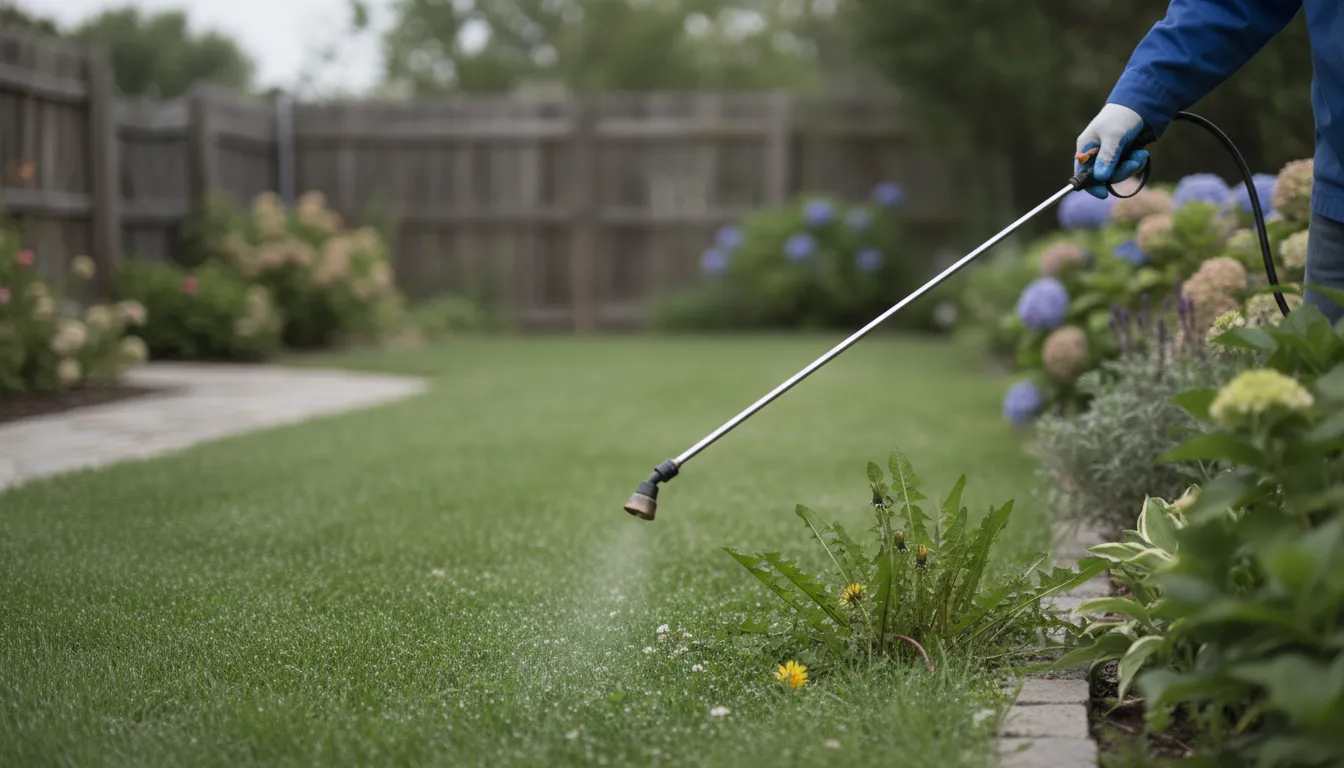
A healthy, vibrant lawn in Raleigh is the result of a consistent, science-backed program of fertilization and weed management. These essential services provide your grass with the nutrients it needs to develop deep roots and resist stress, while systematically preventing and eliminating invasive weeds that compete for resources. This guide will help you understand the seasonal rhythms of lawn care in our region and how to find local professionals who can create a customized plan for your specific grass type and property.
DreamScapes
4913 Professional Ct, Raleigh, NC 27609
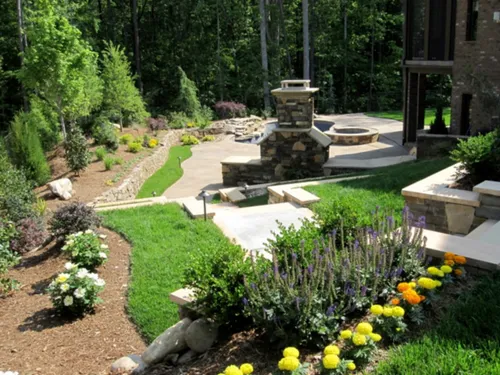
DreamScapes is a landscaping company based in Raleigh, NC, offering a wide range of residential and commercial landscaping services. Their expertise includes lawn mowing, fertilization, weed control, sod and artificial turf installation, landscape lighting, design, tree services, yard drainage, sprinkler installation and repair, as well as hardscaping such as pavers and retaining walls. With over fifteen years of experience, DreamScapes serves the greater Raleigh area including Cary, Wake Forest, Durham, and Chapel Hill. They provide customized landscape design and maintenance plans, combining hardscapes, planting, and lighting to meet client needs. DreamScapes sources materials from local high-quality suppliers and is known for attention to detail and comprehensive service. The company does not specify special availability hours.
Triple R Landscape Supply
8488 Cleveland Rd, Clayton, NC 27520
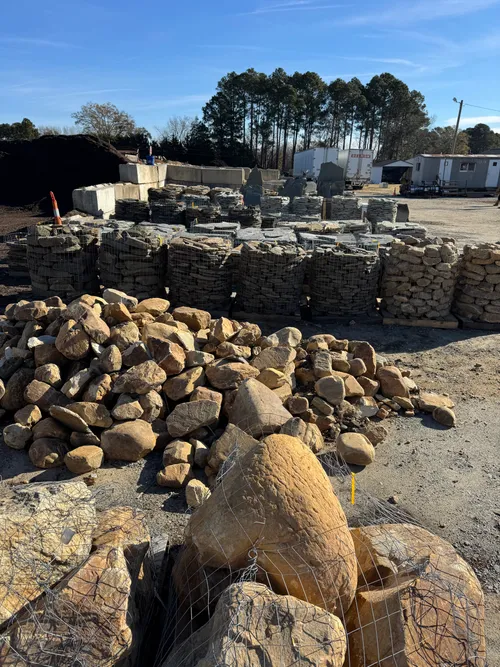
Triple R Landscape Supply is a full-service landscaping company based near Raleigh, NC, offering a wide range of lawn care and landscape services. They provide lawn mowing, fertilization, weed control, landscape design, hardscaping, and supply materials such as mulch, stone, sand, and soil with delivery options. Serving Raleigh and nearby areas including Clayton, Garner, Smithfield, and Fuquay-Varina, the company combines landscape supply with professional installation and maintenance. Triple R Landscaping is licensed, insured, and bonded, known for delivering tailored outdoor solutions and reliable delivery service.
Triangle Lawn Care
3125 Poplarwood Ct Suite 245, Raleigh, NC 27604
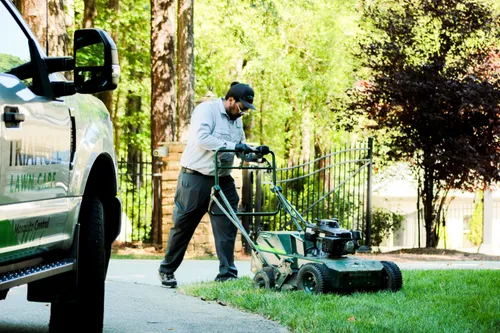
Triangle Lawn Care is a lawn care company based in Raleigh, NC, specializing in lawn fertilization, weed control, yard drainage, and grading services. They offer a comprehensive year-round lawn care program tailored to the local climate, including custom fertilization blends, core and liquid aeration to improve drainage and root health, and targeted weed and grub control treatments. Their approach begins with a professional lawn inspection to assess turf and soil conditions, followed by clear communication about the treatment plan and timing. Triangle Lawn Care has deep knowledge of the lawn care needs specific to the Triangle region.
Agape Lawn Company
2500 Regency Pkwy Suite 211, Cary, NC 27518
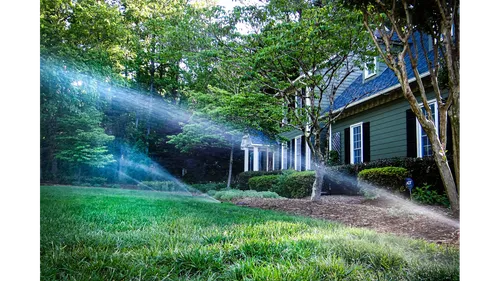
Agape Lawn Company provides comprehensive lawn care, landscaping, and outdoor living services to homeowners in Raleigh, NC. Their offerings include lawn fertilization, weed control, sod installation, irrigation system installation and repair, tree and shrub care, landscape design, and hardscaping features such as patios and retaining walls. Established in 2009, the company combines years of experience with a wide range of capabilities to maintain and enhance residential properties in the area.
Landscape Solutions
103 Kilmayne Dr Suite D1, Cary, NC 27511
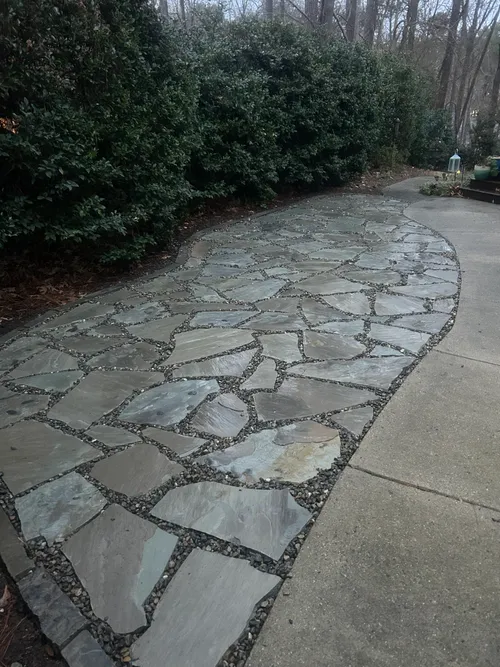
Landscape Solutions is a landscaping and lawn care company based in Raleigh, NC. They provide a range of services including lawn mowing, lawn fertilization, weed control, landscape design, hardscaping with pavers and retaining walls, and commercial and residential yard maintenance. Their capabilities include creating stone pathways and outdoor kitchens, aiming to enhance both the beauty and functionality of outdoor spaces. Landscape Solutions works with clients from initial consultation through project completion, maintaining clear communication throughout.
Achieving a lush, green lawn in Raleigh isn't just about occasional mowing and watering. It requires a strategic approach tailored to our unique climate and the specific grasses that thrive here. Professional lawn feeding and weed management programs are designed to work with nature's calendar, applying the right products at the right times to foster resilience and beauty. Whether you're nurturing hardy Bermuda or elegant Tall Fescue, understanding these fundamentals is the first step toward a healthier landscape.
Understanding Raleigh's Primary Grass Types
Your lawn care strategy begins with identifying your grass. Raleigh's climate supports both warm-season and cool-season varieties, each with distinct growth cycles and care needs.
- Warm-Season Grasses (Bermuda, Zoysia): These grasses thrive in the heat of summer, growing most vigorously from late spring through early fall. They enter dormancy and turn brown after the first hard frost in late fall, remaining dormant until soil temperatures warm again in spring. Their peak growing season dictates a fertilization schedule focused on the warmer months 1.
- Cool-Season Grasses (Tall Fescue): This popular grass type remains green through much of the fall, winter, and spring. It grows actively during the cooler temperatures of autumn and spring but can struggle in the peak summer heat. Its care program is heavily weighted toward fall treatments to strengthen it before winter and summer stress 2.
The Essential Components of a Professional Program
A comprehensive lawn nutrition and weed suppression service is more than just "weed and feed." It integrates several key practices for holistic turf health.
- Fertilization: Professionals use slow-release nitrogen formulas that feed the grass gradually over several weeks. This promotes steady growth, encourages deep root development for drought tolerance, and improves the lawn's rich green color without causing excessive, weak growth.
- Weed Control: This is a two-pronged approach. Pre-emergent herbicides are applied before weed seeds germinate, creating a barrier in the soil to stop problems like crabgrass before they start. Post-emergent herbicides are used to target and eliminate existing weeds, such as dandelions, clover, and chickweed, that have already sprouted.
- Insect and Pest Management: Grubs, the larval stage of beetles, can cause significant damage by feeding on grass roots. Other pests like fire ants and surface-feeding insects are also addressed as part of a full-season program to protect the lawn from hidden threats 3.
- Core Aeration and Overseeding: Often performed in the fall, aeration involves removing small plugs of soil to alleviate compaction, improve water and nutrient penetration, and enhance root growth. Overseeding fills in bare or thin spots with new grass seed, increasing turf density to naturally crowd out future weeds 4.
The Raleigh Lawn Care Calendar: A Seasonal Guide
Timing is everything in effective turf care. Here's how a typical professional schedule aligns with our local seasons.
Late Winter / Early Spring (February - March)
As soil temperatures begin to rise, the focus is on prevention and a strong start. A pre-emergent herbicide application is critical during this window to prevent summer annual weeds like crabgrass from ever taking hold. A balanced, slow-release fertilizer gives the grass an initial nutrient boost for green-up and early growth.
Late Spring / Early Summer (May - June)
With weeds actively growing, post-emergent spot treatments target visible broadleaf weeds. This is also a key time for grub prevention controls. For warm-season lawns, a nitrogen-rich fertilizer application supports their peak growth phase.
Summer (July - August)
The stress of heat and potential drought is the main concern. Lawn treatment shifts to maintaining health without forcing excessive growth. Insect control for surface pests may be needed, and fertilizers for warm-season grasses are balanced to sustain them, while cool-season fescue lawns often receive minimal feeding to avoid stress.
Find the perfect lawn treatment companies for your needs
Get personalized recommendations and expert advice
Fall (September - November)
This is the most important season for lawn care in Raleigh, especially for cool-season Tall Fescue. The cooler temperatures and autumn rains create ideal conditions for root growth. Applications of slow-release fertilizer in early fall build the root reserves needed for a green winter and a robust spring comeback. Post-emergent weed control in fall is highly effective on perennial weeds, and this is the prime time for core aeration and overseeding to repair summer damage and thicken the turf 5.
Winter (December - February)
While growth slows or stops, care continues. A "dormant feeding" may be applied to warm-season grasses to provide nutrients ready for spring green-up. Some programs include dormant oil sprays for certain overwintering insects. This is also the season for planning and preparing equipment for the year ahead 6.
Investing in Your Lawn: Understanding Service Programs and Value
Professional lawn fertilization and weed control is typically offered as a seasonal program, which provides consistency and often better value than one-off treatments. A basic annual program in Raleigh usually includes 6 to 12 visits, timed according to the seasonal guide above.
Costs can vary based on lawn size, grass type, and program complexity. On average, you can expect a basic annual program to range from approximately $300 to $600 per year, which breaks down to about $50 to $100+ per scheduled visit 7 8. Add-on services like aeration and overseeding are often recommended annually or bi-annually and represent a separate investment, typically ranging from $150 to $750 depending on the size of the area treated 8.
The value of a professional program lies in expertise, proper timing, high-quality materials, and the long-term results of a thicker, healthier lawn that is more resistant to weeds, disease, and environmental stress.
Tailoring Your Approach for Lasting Results
The cornerstone of success is customization. A one-size-fits-all approach rarely works. The most effective plans are built on two key principles:
- Respect the Grass Type: Fertilization for warm-season grasses is concentrated from April through September, while cool-season fescue receives its most important feedings in March, September, and November 9.
- Prioritize Fall Care: For the cool-season lawns that dominate many Raleigh neighborhoods, fall treatments are non-negotiable. This season strengthens the plant from the roots up and eliminates weeds when they are actively storing energy, leading to a healthier lawn the following year 10 11.
By partnering with a knowledgeable local provider who understands these rhythms, you transform your lawn from a seasonal chore into a year-round asset.
Frequently asked questions
Sources
Footnotes
-
Top 3 Sod Varieties For Central NC - https://peaksodding.com/the-top-3-sod-varieties-for-central-nc/ ↩
-
When to Apply Weed and Feed to Your Lawn - LawnStarter - https://www.lawnstarter.com/blog/lawn-care-2/when-to-apply-weed-and-feed/ ↩
-
DIY vs Professional Lawn Care Services: A Guide for Raleigh & ... - https://www.naturefirstlandscaping.com/diy-vs-professional-lawn-care ↩
-
How to Take Care of Your Lawn Year-Round - https://www.echo-usa.com/applications/all-season-lawn-care-schedule ↩
-
Lawn Care Program & Maintenance Service in Raleigh, NC - https://lawnpride.com/north-raleigh/7-application-program/ ↩
-
Raleigh Lawn Care Schedule - Eastern Turf Maintenance - https://etmlawncare.com/raleigh-lawn-care-schedule/ ↩
-
Lawn Fertilization and Weed Management | Raleigh & Cary, NC - https://www.ncturfcare.com/fertilization ↩
-
How much does lawn care service cost? - Green Lawn Fertilizing - https://www.greenlawnfertilizing.com/blog/how-much-does-lawn-care-service-cost ↩ ↩2
-
Lawn Fertilization Services in Raleigh & Charlotte NC - Fairway Green - https://fairwaygreen.com/lawn-services/fertilization/ ↩
-
When Is the Best Time to Apply Weed Control in North Carolina? - https://www.advancedturfcare.com/blog/best-time-to-apply-weed-control-north-carolina/ ↩
-
When to Fertilize My Lawn in North Carolina? - https://lawnsquad.com/lawn-care-blog/how-often-should-i-fertilize-my-lawn-in-north-carolina/ ↩