Find the Best Lawn Treatment Companies for Your Business
No obligation • Fast responses • Nationwide coverage

Why you can trust Landscape Atlas
Landscape Atlas is a leading United States resource for evaluating landscaping, lawn care, and outdoor service providers. Our team researches each category in depth, focusing on service quality, safety, and customer experience. Listings and rankings are based on independent criteria and user feedback, and companies cannot pay to influence our assessments or recommendations.
Search providers near you
Top Lawn Treatment Companies in Chapel Hill, North Carolina Ranked
Maintaining a vibrant, healthy lawn in Chapel Hill requires a strategic approach to feeding your grass and managing unwanted weeds. Professional lawn fertilization and weed control services provide the targeted nutrients and treatments your specific grass type needs to thrive while suppressing invasive plants. This guide will help you understand the local lawn care landscape, from seasonal schedules and grass types to typical service structures, so you can find the right expertise for your property.
DreamScapes
4913 Professional Ct, Raleigh, NC 27609
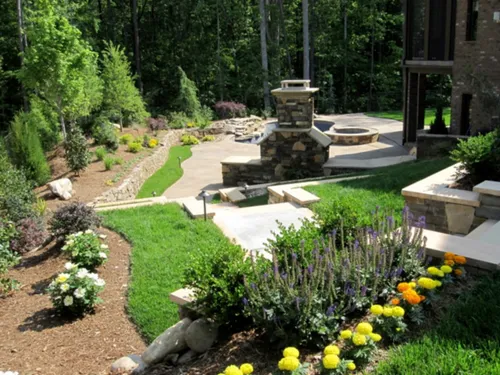
DreamScapes is a landscaping company based in Raleigh, NC, offering a wide range of residential and commercial landscaping services. Their expertise includes lawn mowing, fertilization, weed control, sod and artificial turf installation, landscape lighting, design, tree services, yard drainage, sprinkler installation and repair, as well as hardscaping such as pavers and retaining walls. With over fifteen years of experience, DreamScapes serves the greater Raleigh area including Cary, Wake Forest, Durham, and Chapel Hill. They provide customized landscape design and maintenance plans, combining hardscapes, planting, and lighting to meet client needs. DreamScapes sources materials from local high-quality suppliers and is known for attention to detail and comprehensive service. The company does not specify special availability hours.
Triangle Lawn Care
3125 Poplarwood Ct Suite 245, Raleigh, NC 27604
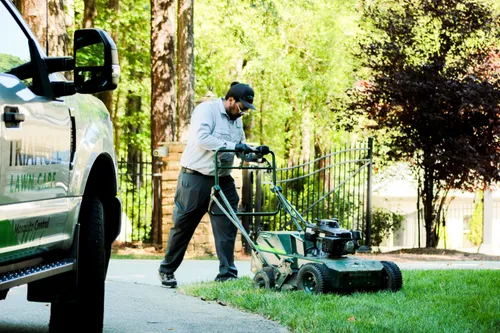
Triangle Lawn Care is a lawn care company based in Raleigh, NC, specializing in lawn fertilization, weed control, yard drainage, and grading services. They offer a comprehensive year-round lawn care program tailored to the local climate, including custom fertilization blends, core and liquid aeration to improve drainage and root health, and targeted weed and grub control treatments. Their approach begins with a professional lawn inspection to assess turf and soil conditions, followed by clear communication about the treatment plan and timing. Triangle Lawn Care has deep knowledge of the lawn care needs specific to the Triangle region.
Agape Lawn Company
2500 Regency Pkwy Suite 211, Cary, NC 27518
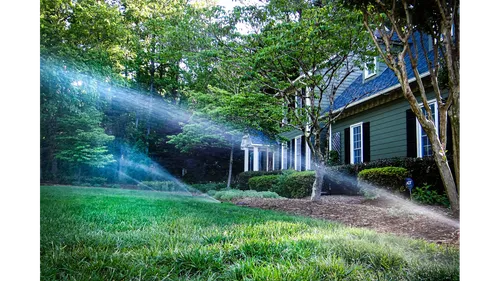
Agape Lawn Company provides comprehensive lawn care, landscaping, and outdoor living services to homeowners in Raleigh, NC. Their offerings include lawn fertilization, weed control, sod installation, irrigation system installation and repair, tree and shrub care, landscape design, and hardscaping features such as patios and retaining walls. Established in 2009, the company combines years of experience with a wide range of capabilities to maintain and enhance residential properties in the area.
Superior Green
2219 Setter Ln, Efland, NC 27243
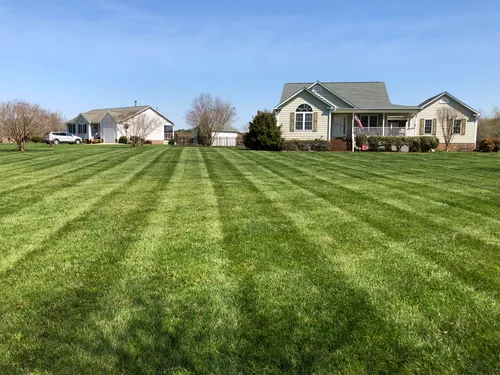
Superior Green is a lawn care company based near Durham, NC, specializing in lawn fertilization, weed control, insect and disease management, aeration, overseeding, and year-round lawn maintenance. They focus on eco-friendly practices tailored to North Carolina's climate and soil conditions, serving Mebane and surrounding areas including Burlington, Hillsborough, Graham, and Chapel Hill. Their services include custom fertilization blends and core aeration to improve soil health and lawn vitality. Superior Green is locally owned and operated with licensed and insured technicians, providing clear communication and free service calls between visits.
Landscape Solutions
103 Kilmayne Dr Suite D1, Cary, NC 27511
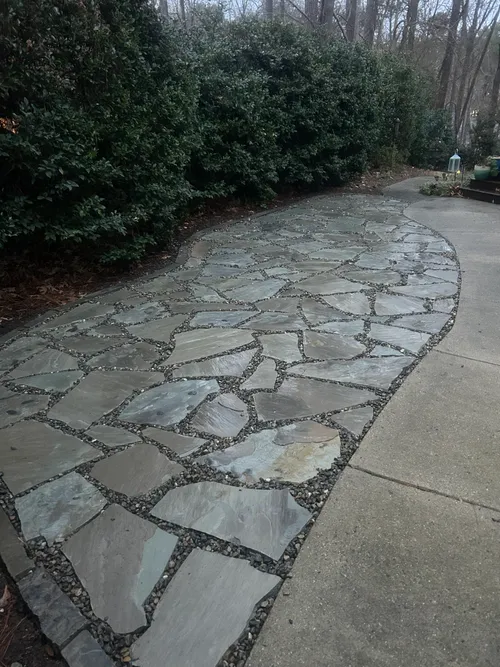
Landscape Solutions is a landscaping and lawn care company based in Raleigh, NC. They provide a range of services including lawn mowing, lawn fertilization, weed control, landscape design, hardscaping with pavers and retaining walls, and commercial and residential yard maintenance. Their capabilities include creating stone pathways and outdoor kitchens, aiming to enhance both the beauty and functionality of outdoor spaces. Landscape Solutions works with clients from initial consultation through project completion, maintaining clear communication throughout.
Understanding Chapel Hill's Lawn Types
The foundation of any effective lawn care program is knowing what type of grass you have. Chapel Hill's climate supports both cool-season and warm-season grasses, and each has a completely different growth cycle and care calendar.
Cool-Season Grasses, like Tall Fescue and Kentucky Bluegrass, are common in the area. They grow most actively during the cooler temperatures of spring and fall. For these lawns, fertilization and weed control efforts are most critical during these peak growth periods to build strong roots and crowd out weeds.
Warm-Season Grasses, such as Bermuda and Zoysia, hit their stride in the heat of summer. Their care program is flipped, with the most intensive feeding and weed management scheduled for the summer months when they are actively growing. Treatments for these lawns specifically target summer annual weeds and provide nutrients during this active phase 1.
The Local Challenge: Chapel Hill's Clay Soil
One of the most significant factors influencing lawn health in our region is the prevalent clay soil. This dense soil type can compact easily, leading to poor drainage, limited air circulation to roots, and difficulty for water and nutrients to penetrate deeply. A quality lawn care service will recognize this challenge and often recommend or include complementary practices like core aeration and top-dressing with compost. Aeration punches holes in the soil to relieve compaction, while compost improves soil structure and nutrient content, making your fertilization and weed prevention efforts far more effective.
A Seasonal Guide to Lawn Care
A professional lawn treatment program isn't a one-time event; it's a year-round strategy tailored to the seasons. Here's a typical annual schedule for a comprehensive lawn care plan in Chapel Hill:
Early Spring (March - April): This is the time for a pre-emergent herbicide application to create a barrier against crabgrass and other summer annual weeds before they germinate. A light, early-season fertilizer application may also be used to encourage green-up and recovery from winter.
Late Spring (May - June): As temperatures rise, post-emergent weed control targets any broadleaf weeds (like dandelions or clover) that have already emerged. Fertilizer applications during this period for warm-season grasses begin in earnest, while cool-season grass feeding tapers off.
Summer: The focus shifts to maintaining lawn health through stress. Weed control remains important, but fertilization for cool-season grasses is minimal to avoid forcing growth during heat stress. Warm-season lawns receive their primary feeding during this active growth period.
Fall (September - November): This is arguably the most critical season for lawn care in Chapel Hill, especially for cool-season grasses. Fall treatments are highly effective for controlling perennial weeds, as the plants are sending energy down to their roots, carrying the herbicide with them. It's also the prime time for fertilization to strengthen roots for the winter and ensure a thick, healthy lawn the following spring.
Winter: Lawn care is mostly dormant, but some programs may include a dormant feeding to promote root strength without encouraging top growth 2.
Find the perfect lawn treatment companies for your needs
Get personalized recommendations and expert advice
What to Expect from Professional Services
Professional lawn care providers typically offer structured programs that bundle essential services. Understanding these models can help you evaluate what's right for your budget and lawn goals.
Bundled Monthly Plans: Many companies offer a convenient monthly subscription that includes regular mowing, periodic fertilization, and scheduled weed control. In the Chapel Hill area, these bundled plans often range from $70 to $150 per month, depending on lawn size and service frequency.
Annual Lawn Care Programs: If you handle mowing yourself or have a separate service, you can opt for a standalone fertilization and weed control program. These typically involve 4 to 7 targeted visits per year. A basic annual program for these core services can range from $300 to $600 3.
Per-Visit Pricing: Some providers offer à la carte pricing for specific applications. A single weed control and fertilizer application might cost between $50 and $100, while a standalone mowing visit could be $40 to $604.
For context, national service providers like TruGreen structure their pricing similarly, with annual programs ranging from $450 to $2,000 or per-visit costs between $65 and $225, depending on the scope of services and property size 5.
Key Considerations When Choosing a Service
- Fall Focus: Prioritize companies that emphasize the importance of fall treatments for weed control and lawn strengthening, as this season is critical for long-term success 6.
- Soil Savvy: Look for providers that acknowledge Chapel Hill's clay soil and offer solutions like aeration and soil amendments as part of or in addition to their chemical treatment programs 7.
- Customized Plans: Your lawn is unique. A good provider will customize their program based on a lawn analysis, identifying your grass type and specific weed pressures (e.g., crabgrass, chickweed, or ground ivy) 8.
Investing in professional lawn nutrition and weed management transforms your yard from a constant chore into a resilient and beautiful asset. By partnering with a provider who understands the local climate, grass types, and soil conditions, you can achieve a healthier lawn with less effort.
Frequently asked questions
Sources
Footnotes
-
Best Grass Types for Durham-Chapel Hill - Lawn Love - https://lawnlove.com/blog/best-grass-types-durham-chapel-hill/ ↩
-
Best Times for Cool and Warm Season Grasses in North Carolina - https://www.trianglelawns.com/blog/best-time-fertilize-lawn-nc/ ↩
-
How much does lawn care service cost? - Green Lawn Fertilizing - https://www.greenlawnfertilizing.com/blog/how-much-does-lawn-care-service-cost ↩
-
The Cost of Professional Lawn Care in NC - Honeycutt Landscaping - https://www.honeycutt-landscaping-inc.com/nc-lawn-care-cost-guide-residential-service/ ↩
-
How Much Does TruGreen Cost? (2026) - HomeGuide - https://homeguide.com/costs/trugreen-cost ↩
-
When Is the Best Time to Apply Weed Control in North Carolina? - https://www.advancedturfcare.com/blog/best-time-to-apply-weed-control-north-carolina/ ↩
-
Lawn Care Chapel Hill NC | Professional Services by Superior ... - https://superiorgreenlawn.com/lawn-care-chapel-hill ↩
-
Weed Control Service | Cary, Chapel Hill & Raleigh, NC - https://agapelawnco.com/services/lawn-care/weed-control/ ↩