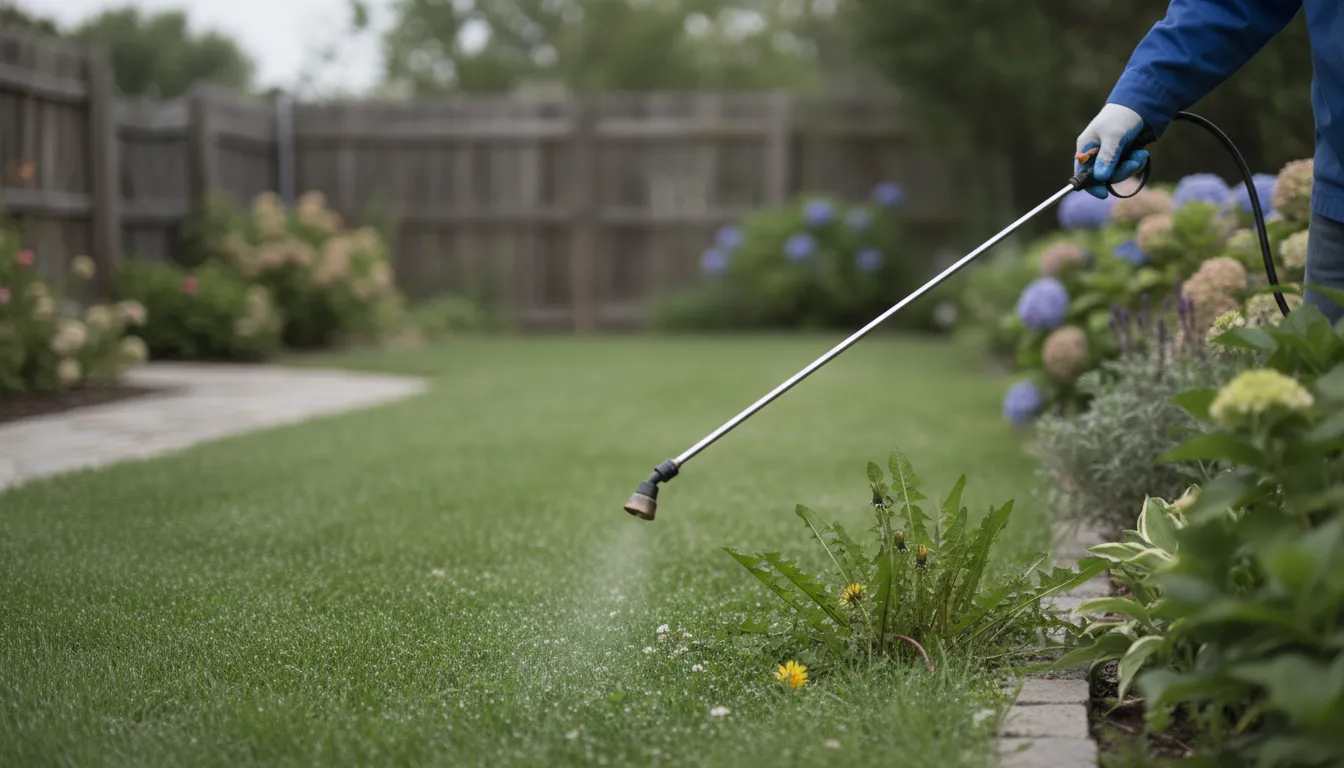
Find the Best Lawn Treatment Companies for Your Business
No obligation • Fast responses • Nationwide coverage

Why you can trust Landscape Atlas
Landscape Atlas is a leading United States resource for evaluating landscaping, lawn care, and outdoor service providers. Our team researches each category in depth, focusing on service quality, safety, and customer experience. Listings and rankings are based on independent criteria and user feedback, and companies cannot pay to influence our assessments or recommendations.
Search providers near you
Top Lawn Treatment Companies in Harrisburg, Pennsylvania Ranked
A healthy, vibrant lawn in Harrisburg requires a strategic approach to feeding your grass and managing unwanted weeds. Professional lawn fertilization and weed control services provide a science-backed program to nurture cool-season grasses through Pennsylvania's distinct seasons, building resilience against drought, disease, and pests. This guide will help you understand the local lawn care schedule, typical services, and costs, empowering you to find the right provider for your property's needs.
Understanding Harrisburg's Lawn Environment
The foundation of effective turf management in Harrisburg is understanding the local climate and grass types. The city experiences a humid continental climate with cold winters and warm, often humid summers. This environment is ideal for cool-season grasses, which thrive in the spring and fall but can struggle during summer's peak heat.
The most common turfgrasses in area lawns are Kentucky Bluegrass, Tall Fescue, and Perennial Ryegrass, often found in blends. These grasses have two primary growth periods: early spring and early fall. A proper lawn care program is timed to support these growth spurts, particularly the critical fall period which determines the lawn's health for the following year. Before starting any regimen, a soil test is highly recommended to identify pH imbalances and specific nutrient deficiencies, ensuring treatments are precisely tailored 1.
The Essential Seasonal Treatment Schedule
A professional-grade lawn maintenance plan in Harrisburg isn't a one-time event; it's a year-round cycle of targeted applications. Most local programs consist of 4 to 6 visits, strategically timed from March through November.
Early Spring (March - April)
This first application is critical for setting the stage for the year. It typically combines a balanced fertilizer to jump-start green-up with a pre-emergent herbicide. This herbicide creates a barrier in the soil to prevent crabgrass seeds from germinating, tackling this common invasive weed before it ever appears. Broadleaf weed control for existing problems like dandelions is also often included.
Late Spring (May - June)
As temperatures rise, a second round of fertilizer supports continued growth and density. The focus for weed management often shifts to controlling persistent broadleaf weeds. This application helps the lawn build strength before the stressful summer months arrive.
Summer (July - August)
Summer treatments are more conservative. Instead of promoting top growth, a slow-release nitrogen fertilizer may be applied to sustain color without forcing vulnerable growth during heat stress. Spot treatment for weeds and insect control (for pests like grubs) are addressed as needed, with many companies offering free service calls for outbreak issues between scheduled visits 2.
Late Summer / Early Fall (August - September)
This is arguably the most important feeding of the year. As temperatures cool, grass roots become active again. Fertilizer applied now fuels tremendous root development and energy storage. Broadleaf weed control is also effective during this period as weeds are actively transporting nutrients to their roots.
Fall Winterizer (October - November)
The final application is the "winterizer." This high-potassium fertilizer is designed not for green color but for enhancing the lawn's hardiness. It strengthens cell walls, improves drought tolerance, and promotes deep root growth, giving your grass the resources it needs to survive winter and green up vigorously next spring 3 4 5.
Find the perfect lawn treatment companies for your needs
Get personalized recommendations and expert advice
What to Expect from Professional Services
When you hire a provider for lawn nutrition and weed suppression, you're typically enrolling in a seasonal program. These programs offer consistency and are designed to address the lawn's changing needs automatically. Key services within these plans often include:
- Granular Fertilization: The primary method for delivering essential nutrients (Nitrogen, Phosphorus, Potassium) in precise ratios.
- Pre-Emergent Weed Control: A proactive approach to stop crabgrass and other grassy weeds.
- Post-Emergent Weed Control: Liquid or granular treatments to eliminate visible broadleaf weeds like clover, plantain, and ground ivy.
- Grub & Insect Control: Preventative or curative treatments for soil-dwelling pests that damage roots.
- Soil Amendment Recommendations: Guidance based on soil test results, which may include lime to adjust pH.
Many companies also offer complementary services like core aeration and overseeding, which are best performed in the fall and significantly enhance the results of a fertilization program by improving soil compaction and introducing new grass seed.
Cost Considerations for Harrisburg Homeowners
Investing in professional turf care is an investment in your property's curb appeal and value. Costs are influenced by your lawn's square footage, its current condition, and the specifics of the program.
- Per-Application Cost: For an average Harrisburg lawn of 5,000 to 10,000 square feet, individual visits for fertilizer and weed control typically range from $50 to $150 per service 6.
- Annual Program Cost: A full-season program of 4 to 6 applications generally costs between $300 and $800+ per year 7 8. The final price depends on the lawn size, the number of visits, and whether add-ons like grub prevention or aeration are included.
- Influencing Factors: Larger properties, lawns with poor soil health, or requests for premium organic products will increase the cost. The inclusion of lawn insect control or other pest management services will also affect the annual total 9.
Choosing the Right Local Provider
With an understanding of the local schedule and services, you can better evaluate companies. Look for providers that offer free, on-site estimates and are willing to explain their product choices and timing. Ask if their program is customizable and whether they guarantee their work or offer free callback visits for weed breakthroughs. Check that they are licensed to apply pesticides in Pennsylvania and inquire about their experience with the specific grass types common in the Harrisburg area. A reputable company will view your lawn as a long-term project, not just a seasonal task.
Frequently asked questions
Sources
Footnotes
-
Lawn care and fertilizer application tips for cool-season turf in 'Pennsylvania's' growing season. - https://www.terra-lawn-care.com/lawn-fertilizer-schedule/ ↩
-
Lawn Fertilizing Service in Harrisburg, PA | Four Season - https://fourseasonpropertyservices.com/harrisburg-residential-lawn-services/lawn-fertilizing-service-and-weed-control/ ↩
-
Month-to-Month Lawn Care Schedule for Pennsylvania ... - https://www.lawnstarter.com/blog/pennsylvania/lawn-care-schedule-pa/ ↩
-
Seasonal Lawn Care in Western PA - https://www.superiorlawncareusa.com/seasonal-lawn-care-in-western-pa/ ↩
-
5 Application Lawn Program - https://naturescapelawncare.com/us/services/lawncare/5app/ ↩
-
How much does lawn care service cost? - Green Lawn Fertilizing - https://www.greenlawnfertilizing.com/blog/how-much-does-lawn-care-service-cost ↩
-
Professional Lawn Fertilization Cost Guide: Berks County Expert Tips - https://bladesofsteellandscaping.com/blog/professional-lawn-fertilization-cost-guide-berks-county-expert-tips/ ↩
-
How Much Does Lawn Fertilization Cost in 2026? - LawnStarter - https://www.lawnstarter.com/blog/cost/lawn-fertilization-price/ ↩
-
How Much Does TruGreen Cost? (2026) - HomeGuide - https://homeguide.com/costs/trugreen-cost ↩