Find the Best Lawn Treatment Companies for Your Business
No obligation • Fast responses • Nationwide coverage

Why you can trust Landscape Atlas
Landscape Atlas is a leading United States resource for evaluating landscaping, lawn care, and outdoor service providers. Our team researches each category in depth, focusing on service quality, safety, and customer experience. Listings and rankings are based on independent criteria and user feedback, and companies cannot pay to influence our assessments or recommendations.
Search providers near you
Top Lawn Treatment Companies in Pittsburgh, Pennsylvania Ranked
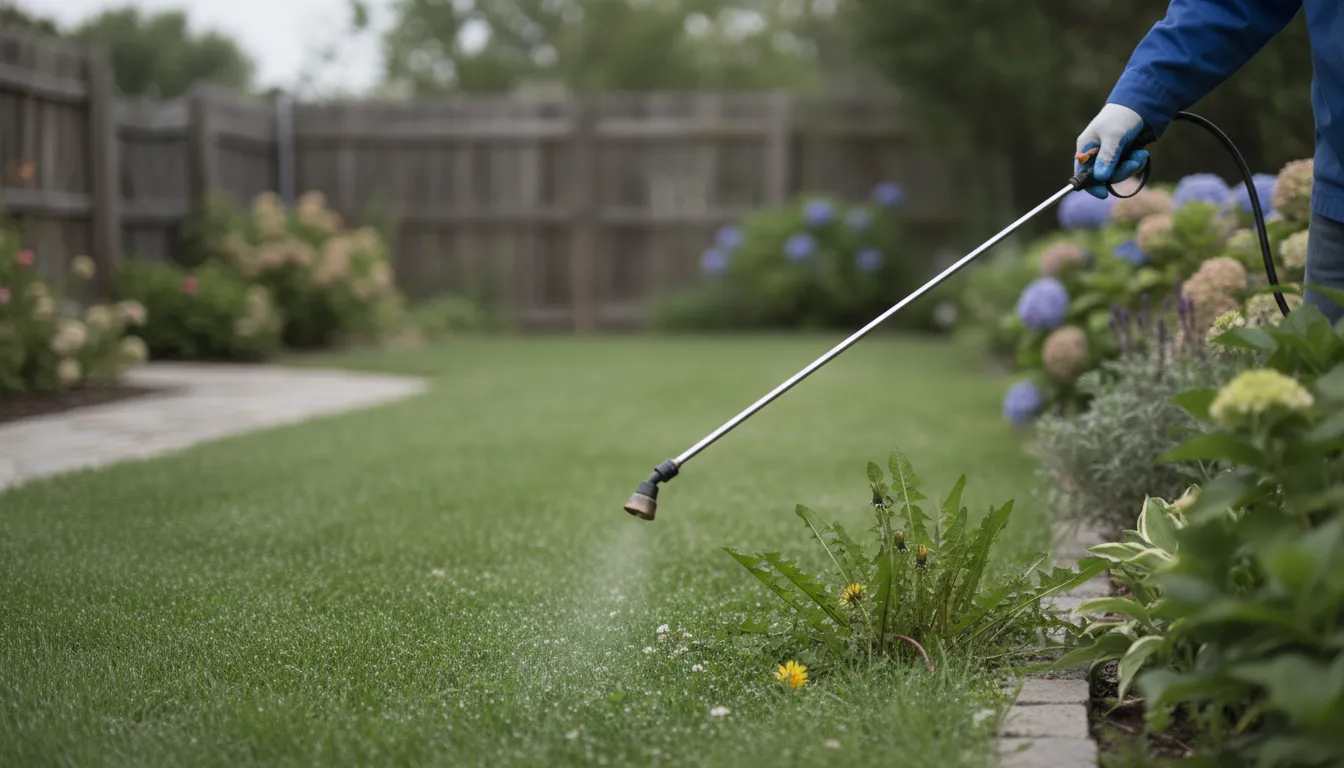
A healthy, vibrant lawn in Pittsburgh requires more than just regular mowing. A consistent fertilization and weed management program is essential to nourish the cool-season grasses common to Western Pennsylvania and defend against invasive weeds. This guide explains the science and schedule behind effective lawn feeding and weed suppression, helping you understand the local approach to turf care and how to connect with professionals who can tailor a plan for your property.
Doyle Bros. Lawn Care
Pittsburgh, PA
Doyle Bros. Lawn Care is a lawn care company based in Pittsburgh, PA. Founded in 2003 by John Doyle while he was still in high school, the business has grown from a small side job into a full-time operation maintaining over 115 lawns weekly. They offer services including professional mowing, mulch installation, fertilization, and seasonal treatments. The company focuses on dependable service and fair pricing, serving local residential customers in the Pittsburgh area.
Custom Turf
4001 Clairton Rd Suite E, West Mifflin, PA 15122
Custom Turf is a lawn care company based in Pittsburgh, PA, serving communities across Western Pennsylvania, Central Ohio, and Eastern West Virginia. Since 1987, they have provided lawn fertilization, weed control, sprinkler installation, and irrigation repair services. Their team is skilled in comprehensive lawn care and outdoor pest control, with a focus on detailed treatments to maintain healthy, green yards. Custom Turf also offers sprinkler system installation and repair, helping customers manage irrigation effectively.
A&J Lawn Pros LLC
Pittsburgh, PA
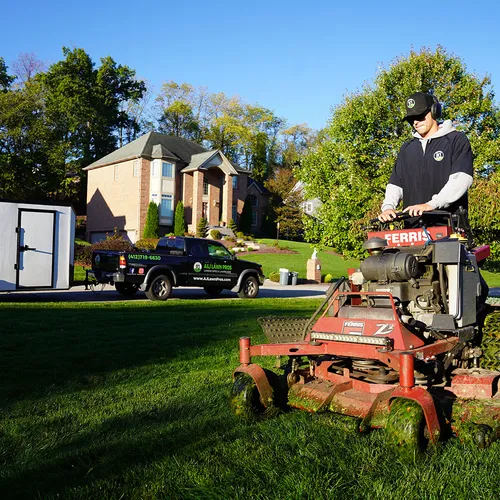
A&J Lawn Pros LLC is a landscaping and lawn care company based in Pittsburgh, PA. They offer a wide range of outdoor services including lawn mowing, fertilization, weed control, landscape design, hardscaping with patios and retaining walls, yard drainage, land clearing, and holiday lighting installation. Their team also handles commercial and residential property maintenance, excavation, and grading projects. The company is licensed and insured, emphasizing safety and professionalism in their work. They provide personalized consultations and use commercial-grade equipment to maintain lawns and outdoor spaces.

Kapp's Green Lawn
200 Rochester Rd, Pittsburgh, PA 15229
Kapp's Green Lawn is a lawn care and tree service company based in Pittsburgh, PA. They offer a range of services including lawn fertilization, weed control, pest control, aeration, overseeding, and tree and shrub care. Their approach focuses on local soil and climate conditions to provide customized year-round lawn and pest management solutions. Kapp's Green Lawn serves Pittsburgh and surrounding areas with expertise in treatments like deep-root aeration and comprehensive pest control designed to protect lawns and homes. The company is known for its tailored plans and local knowledge, helping maintain healthy and vibrant outdoor spaces.
Dream Greener Lawn & Landscape
4991 Library Rd, Bethel Park, PA 15102
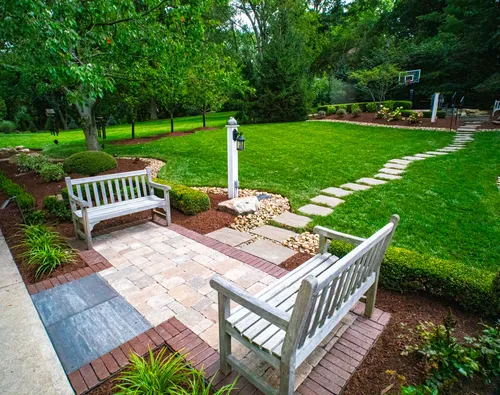
Dream Greener Lawn & Landscape is a comprehensive lawn care and landscaping company serving Pittsburgh, PA, and nearby communities. They offer a wide range of services including lawn fertilization, weed control, sod installation, landscape lighting, tree services, yard drainage, hardscaping, and landscape design. The company operates with a science-based approach to lawn and plant health, supported by their own plant nursery and materials stock, which helps ensure quality and timely project completion. Founded in 2013 by Jon Stanton, a nationally recognized turf specialist, Dream Greener Lawn & Landscape combines expert knowledge with advanced technology to provide personalized and environmentally conscious outdoor solutions. Their team includes certified arborists and licensed technicians, and they emphasize ongoing monitoring and integrated pest management to maintain healthy landscapes.
Understanding Pittsburgh's Lawn Environment
The foundation of any successful lawn care program is understanding the local growing conditions. In Pittsburgh, lawns are predominantly composed of cool-season grasses like Kentucky Bluegrass, Perennial Ryegrass, and various Fescues. These grasses thrive in the cooler temperatures of spring and fall and can go dormant during the peak summer heat. Their annual nutrient goal is typically 3 to 4 pounds of nitrogen per 1,000 square feet, which should be delivered in multiple applications throughout the growing season for optimal health and density.
Soil conditions also play a critical role. Many soils in Pennsylvania tend to be acidic, which can lock away essential nutrients and prevent grass from absorbing fertilizer effectively. A simple soil test can determine if your lawn needs lime applications to balance the pH, making any subsequent feeding program far more effective.
The Seasonal Program: A Year-Round Approach
Effective lawn nutrition and weed control isn't a one-time event; it's a year-round strategy timed to the grass's natural growth cycles and weed life cycles. A typical professional program in the Pittsburgh area involves between 5 and 8 scheduled visits, each with a specific purpose.
Early Spring (March - April)
This first application is crucial for setting the stage for the entire season. It combines a balanced fertilizer to kick-start green-up and root development with a pre-emergent herbicide. This herbicide creates a barrier in the soil to prevent crabgrass and other grassy weeds from germinating as soil temperatures rise. A broadleaf weed control is often included to tackle early-emerging dandelions and clover.
Late Spring (May - June)
As growth accelerates, a second round of fertilizer supports lush, thick turf. A follow-up broadleaf weed control application targets any weeds that escaped the first treatment or have since germinated, ensuring your lawn isn't competing for water and nutrients.
Summer (July - August)
Summer stress calls for a gentle approach. A slow-release fertilizer provides steady nutrition without forcing excessive growth during hot, dry periods. This visit often includes monitoring and treatment for insect pests, particularly white grubs, which can cause significant damage to grass roots 1.
Late Summer (August - September)
This application prepares the lawn for the favorable growing conditions of fall. Fertilizer encourages recovery from summer stress, and another round of broadleaf weed control cleans up the lawn before weeds set seed for the next year 2.
Fall (September - October)
The final, and arguably most important, application is the fall winterizer. This treatment is high in potassium, which strengthens grass roots and improves winter hardiness, disease resistance, and drought tolerance. A healthy root system in the fall leads to a quicker green-up and a more resilient lawn the following spring 3.
Find the perfect lawn treatment companies for your needs
Get personalized recommendations and expert advice
Key Services Within a Program
Beyond the core applications, several ancillary services can be integrated into a comprehensive lawn care plan to address specific challenges and enhance results.
- Soil Testing: The starting point for a customized plan. It identifies pH imbalances and nutrient deficiencies so that lime and fertilizer can be applied precisely.
- Core Aeration: Performed best in the fall, this process removes small plugs of soil to alleviate compaction, improve water and nutrient penetration, and strengthen root systems.
- Overseeding: Introducing new grass seed, particularly after aeration, helps fill in bare spots, improve lawn density, and introduce more resilient grass varieties, naturally crowding out future weeds 4 5.
Investment and Cost Considerations
The cost of a professional lawn fertilization and weed control program in Pittsburgh is an investment in your property's curb appeal and long-term health. For an average-sized yard (around 5,000 square feet), a basic annual program with 5-7 applications typically starts in the range of $300 to $400 6 7. This often breaks down to approximately $50 to $70 per scheduled visit 8 9.
Several factors influence the final price:
- Property Size: Larger lawns require more product and time.
- Service Tier: Basic programs may cost less than those including grub control, insect prevention, or organic fertilizer options.
- Additional Services: Bundling core aeration, overseeding, or soil testing with your fertilization plan can offer better value.
- Product Type: Slow-release or organic-based fertilizers may command a higher price point than standard synthetic blends 10.
Aftercare and Best Practices
To get the most out of any lawn treatment, proper aftercare is essential. For liquid applications, it's generally recommended to water the lawn if rainfall isn't expected within 24 hours, as this helps move the fertilizer and control products into the soil. During periods of extreme heat or drought, service may be paused to avoid stressing the grass. For the safety of pets and children, it's advisable to keep them off the treated lawn until the application has fully dried, typically about 24 hours 11.
Frequently asked questions
Sources
Footnotes
-
Professional Lawn Fertilizing & Weed Control Services in PA, NJ & DE - https://www.greenlawnfertilizing.com/services/lawn-care-programs/ ↩
-
5 Application Lawn Program - https://naturescapelawncare.com/us/services/lawncare/5app/ ↩
-
Fall Lawn Fertilization in Pittsburgh | Prepare for a Healthy Spring - https://dreamgreener.com/fall-fertilization-in-pittsburgh-strengthen-your-lawn-before-winter/ ↩
-
Seasonal Lawn Care in Western PA - https://www.superiorlawncareusa.com/seasonal-lawn-care-in-western-pa/ ↩
-
Affordable Lawn Care Plans & Pricing Options - TruGreen - https://www.trugreen.com/products-and-services ↩
-
How much does lawn care service cost? - Green Lawn Fertilizing - https://www.greenlawnfertilizing.com/blog/how-much-does-lawn-care-service-cost ↩
-
Pittsburgh, PA Lawn Treatment & Fertilization | Weed Control - https://www.lawnstarter.com/pittsburgh-pa-lawn-treatment ↩
-
The Cost of Lawn Treatment Services - Fertilizer, Weed Control, and ... - https://www.lawnbuddies.com/blog/cost-of-lawn-treatment-services-fertilizer-weed-control ↩
-
How Much Does Lawn Fertilization Cost in 2026? - https://lawnlove.com/blog/lawn-fertilization-cost/ ↩
-
How Much Does Lawn Fertilization Cost in 2026? - LawnStarter - https://www.lawnstarter.com/blog/cost/lawn-fertilization-price/ ↩
-
Lawn Fertilization | Pittsburgh, PA - https://www.adlertreeservice.net/lawn-fertilization ↩