Find the Best Lawn Treatment Companies for Your Business
No obligation • Fast responses • Nationwide coverage

Why you can trust Landscape Atlas
Landscape Atlas is a leading United States resource for evaluating landscaping, lawn care, and outdoor service providers. Our team researches each category in depth, focusing on service quality, safety, and customer experience. Listings and rankings are based on independent criteria and user feedback, and companies cannot pay to influence our assessments or recommendations.
Search providers near you
Top Lawn Treatment Companies in Providence, Rhode Island Ranked
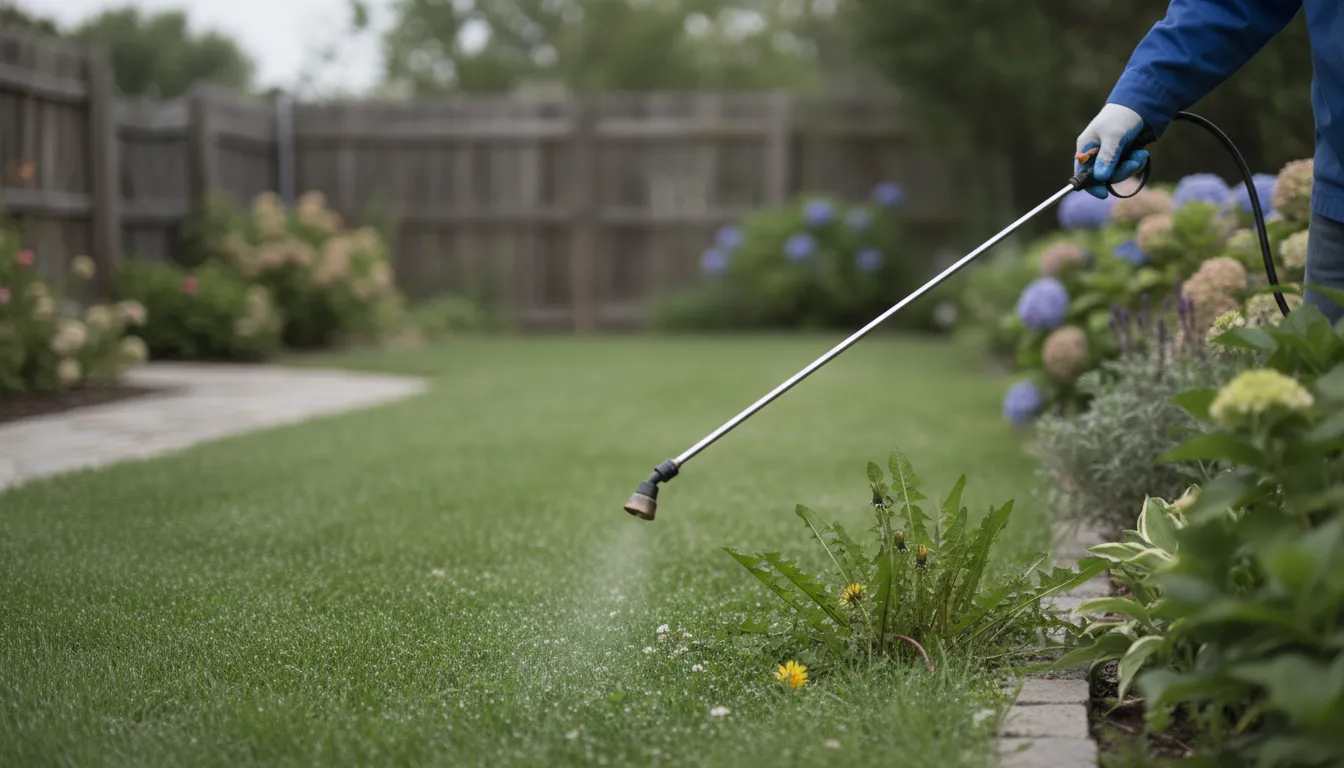
A healthy, vibrant lawn in Providence is more than just a green space; it's a source of pride and a key part of your home's curb appeal. Achieving that lush, weed-free turf requires a science-based approach tailored to Rhode Island's unique climate and soil conditions. This guide explains the essential services of lawn feeding and weed management, why a seasonal program is crucial, and how you can connect with local experts who understand the specific needs of cool-season grasses in the Ocean State.
Pat Gibbs Landscape Design & Construction, Inc.
Boston, MA
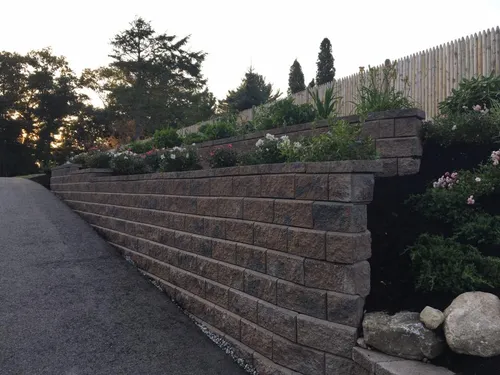
Pat Gibbs Landscape Design & Construction, Inc. is a landscaping and construction company serving Boston, MA, and the surrounding areas. With over 25 years of experience, they offer a wide range of services including lawn maintenance, landscaping, hardscaping, excavating, fencing installation, outdoor living spaces, tick and mosquito spray, bathroom remodeling, dumpster rental, and snow removal. The company uses quality materials such as Techo Block and Uni-Lock for durable and attractive hardscaping projects and provides a 25-year warranty on hardscaping work. They also offer a 10% discount for military and first responders on seasonal contracts and hardscaping.
A. David Lawn Care
1075 Pleasant St, Norwood, MA 02062
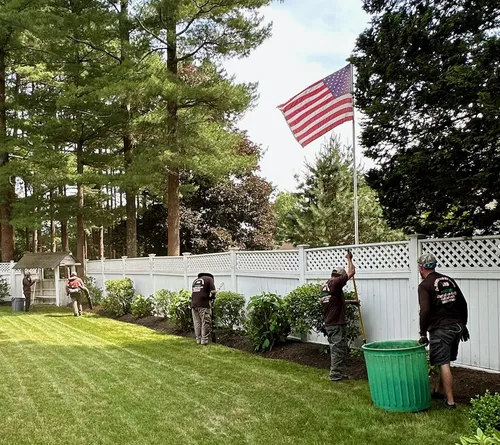
A. David Lawn Care is a family-owned lawn care and landscaping company serving Boston, MA, and nearby towns including Norwood, Walpole, and Westwood. With over 30 years of experience, they provide year-round services such as lawn mowing, fertilization, weed control, hardscaping, and mosquito management. Their team offers expertise in landscaping and hardscaping projects, focusing on attention to detail and quality workmanship. The company has built its reputation through referrals and a strong commitment to customer loyalty.
Weed Man Lawn Care
Boston, MA
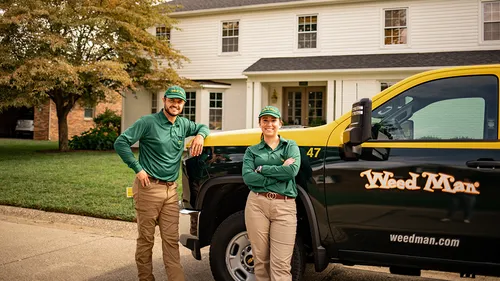
Weed Man Lawn Care is a lawn care company based in Boston, MA, specializing in lawn fertilization and weed control services. They offer comprehensive lawn care solutions tailored to the local soil and seasonal conditions in the Boston area. Their expertise includes creating healthy, well-maintained lawns through targeted fertilization and effective weed management.
Understanding Providence's Lawn Environment
Providence lawns face a distinct set of challenges and opportunities. The region's humid continental climate, with cold winters and warm summers, is ideal for cool-season grasses but also creates windows where weeds and pests can thrive. Most lawns here are composed of blends of Kentucky Bluegrass, Fine Fescue, and Perennial Ryegrass, which offer a dense, durable, and attractive green carpet when properly cared for.
A critical starting point is understanding your soil. Rhode Island soils tend to be naturally slightly acidic, which can affect nutrient availability for your grass 1. A simple soil test, often offered by local extension services or lawn care companies, is the best way to determine your soil's pH and nutrient profile. This test can reveal if applications of lime are needed to raise the pH, making the soil environment more favorable for your turf and less hospitable for certain weeds 2.
The Core of a Healthy Lawn: A Seasonal Program
Spot-treating problems as they appear is a reactive approach. For consistent results, local professionals recommend a proactive, seasonal lawn care program. This systematic schedule aligns treatments with your grass's natural growth cycles for maximum health and resilience.
Early Spring (March - April): The Foundation
As soil temperatures rise, your lawn wakes from dormancy. This is the most critical time for weed prevention. A balanced fertilizer application provides the nutrients needed for strong initial green-up and root development. More importantly, this visit should include a pre-emergent herbicide. This product creates a barrier in the soil that prevents crabgrass and other grassy weeds from germinating, stopping problems before they ever appear. Tackling broadleaf weeds like dandelions early is also more effective.
Late Spring (May - June): Deepening Roots & Pest Defense
The focus shifts to strengthening the lawn for the coming summer stress. A fertilizer application with a root-boosting formula encourages deeper growth, helping the grass access water during drier periods. This is also the ideal window for grub prevention treatments. Grubs, the larvae of beetles, feed on grass roots and can cause significant damage by late summer; preventing them now is far easier than curing the damage later. Spot treatments for any breakthrough weeds are also part of this phase.
Summer (July - August): Stress Management
Contrary to popular belief, heavy lawn feeding is not recommended during the peak summer heat in Providence. Fertilizing now can promote excessive top growth and stress the plant. The summer strategy should center on proper cultural practices: mowing high (adhering to the "one-third rule"-never removing more than one-third of the grass blade at once), consistent deep watering, and simply monitoring for issues 3.
Early Fall (August - September): Renovation & Recovery
Fall is arguably the best time for major lawn improvements. The warm soil and cool air create perfect conditions for grass seed germination and root growth. Core aeration relieves soil compaction, allowing water, air, and nutrients to reach the root zone. Following aeration with overseeding introduces new, robust grass plants to thicken the turf and crowd out weeds. A fall fertilizer application at this time fuels this recovery and growth, building carbohydrate reserves in the roots 4.
Late Fall (October - November): The Winterizer
The final application of the year is designed not for top growth, but for root strength and winter survival. A "winterizer" fertilizer is typically higher in potassium, which enhances the plant's hardiness against cold, disease, and drought. This is also an excellent time for a final broadleaf weed control application, as weeds are actively moving nutrients to their roots, carrying the herbicide down with them. If a soil test indicated the need, lime can be applied in the fall to slowly adjust pH over the winter 5.
Find the perfect lawn treatment companies for your needs
Get personalized recommendations and expert advice
What to Expect from Professional Lawn Care Services
Engaging a professional for your turf nutrition and weed management means leveraging local expertise and commercial-grade products. Reputable providers will typically start with a property evaluation, discussing your goals and possibly testing your soil. They then design a program based on the number of annual visits, which commonly ranges from four to seven applications depending on the level of care.
Understanding Service Costs
Investment in a lawn care program varies based on several factors specific to your property. The primary cost drivers are the size of your lawn (the average Providence yard is around 1,500 square feet), the complexity of the terrain, the number of annual visits, and any add-on services.
- Basic Programs (4-6 visits): These typically cover the essential seasonal fertilization and weed control applications. For an average-sized lawn, annual costs for such a program can range from approximately $300 to $600.
- Premium/Comprehensive Programs (6-7+ visits): These include all the basics plus additional treatments like grub prevention, insect control, and sometimes fungicide applications. These more thorough plans may start around $500 and increase annually depending on add-ons 6.
- À La Carte Services: Individual services are also available. For example, a one-time broadleaf weed control treatment might range from $50 to $125, while core aeration and overseeding is a more intensive service that can cost between $150 and $750 depending on lawn size and seed quality 7 8.
Maximizing Your Investment: Homeowner Best Practices
Professional treatments are most effective when paired with proper lawn maintenance from the homeowner.
- Mowing Correctly: Keep your mower blades sharp and set at a height of 3 to 3.5 inches for cool-season grasses. Taller grass shades the soil, conserves moisture, and out-competes weed seedlings.
- Watering Wisely: Water deeply and infrequently, aiming for about 1 inch of water per week, including rainfall. Early morning watering is best to reduce evaporation and fungal disease.
- Managing Clippings: Leave grass clippings on the lawn (grasscycling). They decompose quickly, returning valuable nitrogen and organic matter to the soil.
Choosing a local provider with knowledge of Providence's microclimates, common weed pressures, and soil types ensures your lawn receives truly customized care. Look for companies that are licensed, insured, and willing to explain their process and products clearly.
Frequently asked questions
Sources
Footnotes
-
Best Grass Seed for Rhode Island - Lawn Synergy - https://lawnsynergy.com/blogs/lawn-guides/best-grass-seed-for-rhode-island ↩
-
Lawn Care Programs, Providence, RI - City & Estate Gardener - https://www.cityestategardener.com/lawn-care-programs ↩
-
Easy Lawn Maintenance Schedule - Pennington Seed - https://www.pennington.com/all-products/grass-seed/resources/a-simple-weekday-maintenance-schedule-for-a-lush-lawn ↩
-
Healthy Lawn Care - URI Home-A-Syst - https://web.uri.edu/safewater/protecting-water-quality-at-home/sustainable-landscaping/healthy-lawn-care/ ↩
-
Best Lawn Fertilization Services in Rhode Island for 2025 - https://rilawncare.com/lawn-fertilization-services-in-rhode-island/ ↩
-
How much does lawn care service cost? - Green Lawn Fertilizing - https://www.greenlawnfertilizing.com/blog/how-much-does-lawn-care-service-cost ↩
-
Lawn Care in Providence, RI | 6000+ 5-Star Reviews - https://www.getsunday.com/local-guide/lawn-care-in-providence-ri ↩
-
How Much Does TruGreen Cost? (2026) - HomeGuide - https://homeguide.com/costs/trugreen-cost ↩