Find the Best Lawn Treatment Companies for Your Business
No obligation • Fast responses • Nationwide coverage

Why you can trust Landscape Atlas
Landscape Atlas is a leading United States resource for evaluating landscaping, lawn care, and outdoor service providers. Our team researches each category in depth, focusing on service quality, safety, and customer experience. Listings and rankings are based on independent criteria and user feedback, and companies cannot pay to influence our assessments or recommendations.
Search providers near you
Top Lawn Treatment Companies in Rock Hill, South Carolina Ranked
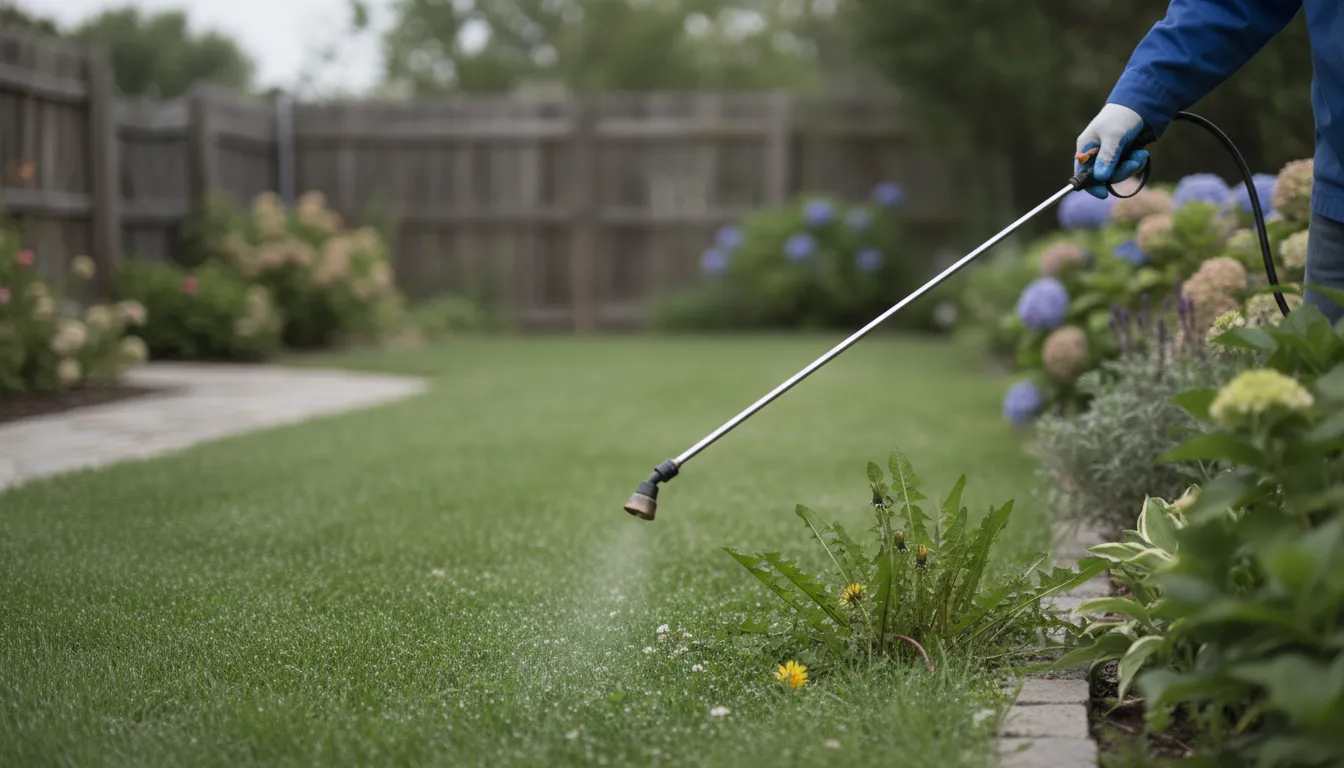
Achieving a lush, green, and weed-free lawn in Rock Hill requires a strategic approach tailored to our local climate and soil. Lawn fertilization and weed control are essential services that provide your grass with the nutrients it needs to thrive while actively suppressing invasive weeds. This guide will help you understand the specific needs of lawns in the Palmetto State, outline a typical seasonal program, and connect you with the knowledge to find the right local professional care for your yard.
American Green Lawns & Landscape Services
4228 River Otter Rd, Lake Wylie, SC 29710
American Green Lawns & Landscape Services is a lawn care and landscaping company serving Charlotte, NC. With over 20 years of experience, they provide lawn mowing, edging, blowing, seasonal fertilization, and weed control to maintain healthy and attractive outdoor spaces. Their team is trained to deliver consistent lawn care and landscaping solutions tailored to each client's needs.
LawnStarter - Charlotte Landscaping
900 Friendly Pl, Charlotte, NC 28213
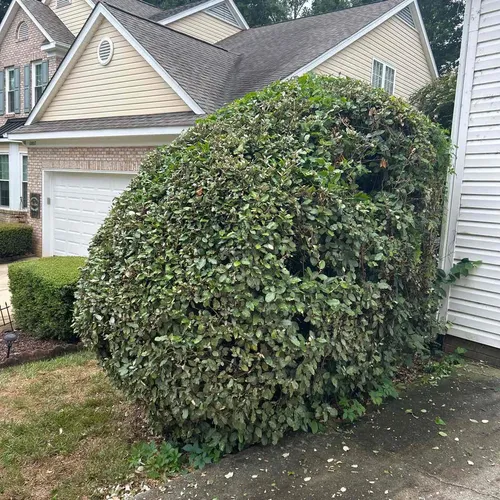
LawnStarter - Charlotte Landscaping offers a wide range of lawn care and landscaping services in Charlotte, NC. Their offerings include lawn mowing, fertilization, weed control, tree services, sprinkler installation and repair, landscape lighting, and general landscaping projects. They connect customers with local professionals who handle tasks such as grass cutting, shrub pruning, leaf removal, and outdoor lighting installation. LawnStarter emphasizes sustainable landscaping trends and seasonal yard care tailored to the Charlotte area. One notable capability is their ability to schedule services quickly, often within 48 hours, backed by a Done Right Guarantee that covers customer satisfaction and property protection.
Super-Sod of Charlotte
12600 Downs Cir, Pineville, NC 28134
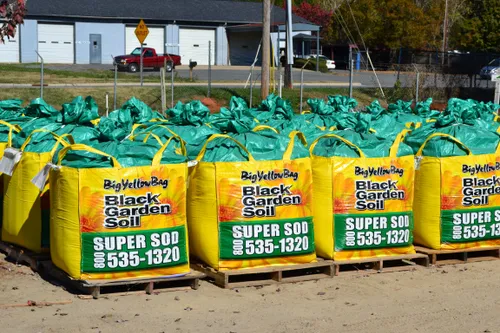
Super-Sod of Charlotte is a lawn care and landscaping supplier located in Charlotte, NC. They offer sod sales by the roll, pallet, or truckload, along with lawn care products such as fertilizers, pesticides, and weed control solutions. The company also provides consulting services for sod installation and grass selection. Their hardscaping products include wall blocks, pavers, and various natural stones. Customers can order online for pickup or delivery, with delivery service available for both small and large orders.

Tailor Made Lawns
11709 Fruehauf Dr suite 116, Charlotte, NC 28273
Tailor Made Lawns is a lawn care company based in Charlotte, NC, specializing in lawn fertilization, weed control, and comprehensive lawn care services. They offer a 9-step treatment plan designed to maintain strong, healthy grass throughout the year, including targeted fertilization, seasonal insect and disease control, lime application, and grub control. With over 25 years of experience serving Charlotte communities, Tailor Made Lawns uses family-friendly products and provides ongoing support to ensure customer satisfaction.
FineTurf Lawn Care
2168 Stevens Mill Rd, Matthews, NC 28104
FineTurf Lawn Care is a lawn care company based in Charlotte, NC, offering a range of services including lawn fertilization, weed control, tree and shrub care, pest control, and irrigation system installation and repair. They serve residential properties in the Charlotte area and select parts of South Carolina. Their services include deep root fertilization and outdoor pest control targeting mosquitoes, fleas, ticks, and fire ants. FineTurf emphasizes professionalism and attention to detail in maintaining healthy and attractive lawns.
Understanding Your Lawn's Foundation
The cornerstone of effective lawn care in Rock Hill is recognizing the type of grass growing in your yard. The region's warm, humid climate is ideal for warm-season grasses, each with its own personality and requirements.
- Bermuda Grass: Known for its durability and drought tolerance, Bermuda thrives in full sun and can handle heavy foot traffic. It responds well to regular fertilization.
- Zoysia Grass: This grass forms a dense, carpet-like turf that chokes out weeds. It's slower growing but highly resilient once established.
- Centipede Grass: Often called the "lazy man's grass," Centipede requires less fertilizer and mowing. It prefers acidic soil and can be damaged by over-fertilization.
- St. Augustine Grass: A favorite for its wide, dark green blades and shade tolerance, St. Augustine has specific nutritional needs, particularly requiring more potassium in later seasonal applications to strengthen it against stress.
A professional lawn feeding and weed management program starts with identifying your grass type, as applying the wrong product or schedule can do more harm than good. For instance, the nitrogen levels and application timing that make Zoysia thrive might stress a Centipede lawn 1.
The Seasonal Cycle of Lawn Care
A proactive, calendar-based approach is far more effective than reacting to problems. Most professional lawn treatment programs in Rock Hill involve 6 to 8 visits annually, targeting key growth and threat periods.
Spring (March - May): Awakening and Defense
As soil temperatures consistently reach around 65°F, your lawn exits dormancy. This is a critical window.
- Pre-emergent Herbicide: The primary focus is applying a pre-emergent weed control to create a barrier in the soil that prevents crabgrass and other grassy weeds from germinating. Missing this timing can lead to a season-long battle 2.
- Early Fertilization: A balanced, slow-release fertilizer encourages strong root development, which is essential for surviving the summer heat and drought.
Late Spring to Early Summer: Growth and Correction
Weeds that evade the pre-emergent barrier or are already established need attention.
- Post-emergent Weed Control: Targeted sprays address active weeds like dandelions, clover, and the particularly stubborn nutsedge.
- Balanced Feeding: Another round of fertilizer supports lush, green top growth and overall lawn health.
Mid-Summer: Sustenance and Protection
Heat and humidity bring unique challenges, including pests and disease.
- Pest Control: Treatments for surface pests like armyworms and subsurface threats like white grubs protect your lawn's root system from damage.
- Disease Management: Fungal diseases such as brown patch and dollar spot can spread quickly in humid conditions. Professional applications can halt their progress.
- Continued Feeding: Light, appropriate fertilization helps the lawn withstand summer stress.
Late Summer to Fall: Strengthening for Winter
The goal shifts from promoting growth to building hardiness.
- Winterization: This key application, especially for St. Augustine grass, is higher in potassium. It strengthens cell walls, improves drought and disease resistance, and promotes root storage of nutrients for a healthier spring green-up 3 4.
- Final Weed Assault: A late-season pre-emergent can be applied to control winter annual weeds.
Find the perfect lawn treatment companies for your needs
Get personalized recommendations and expert advice
Common Lawn Adversaries in Rock Hill
Knowing the enemy is half the battle. Here are the most common issues targeted by weed and feed programs in our area:
Weeds:
- Crabgrass: An annual grassy weed that thrives in thin, bare spots. Best controlled with spring pre-emergents.
- Nutsedge: A fast-growing, grass-like weed with a triangular stem. It often indicates overly wet soil and requires specific herbicides.
- Dandelions & Broadleaf Weeds: These are controlled with selective post-emergent herbicides that target the weed without harming your grass.
Pests and Diseases:
- White Grubs: The larval stage of beetles, these pests feed on grass roots, causing brown, spongy patches that can be rolled back like carpet.
- Armyworms: These caterpillars can devour lawn grass rapidly, often overnight.
- Brown Patch & Dollar Spot: Fungal diseases that create circular areas of discolored or dead grass, flourishing in hot, humid weather 5 6.
Services Beyond Basic Feeding and Spraying
A comprehensive lawn health program often includes complementary services that enhance the effectiveness of fertilization and weed control:
- Core Aeration: This process removes small plugs of soil to alleviate compaction, allowing air, water, and nutrients to reach the root zone more effectively.
- Overseeding: For thinning lawns, introducing new grass seed can improve density, which naturally helps crowd out weeds.
- Soil Health Analysis: Some providers may test soil pH and nutrient levels to create a truly customized plan.
Understanding Investment in Your Lawn
The cost for professional lawn fertilization and weed management in Rock Hill varies based on your lawn's size, condition, and the specific program scope. Most providers offer bundled seasonal programs for consistency and value.
- An annual bundled program typically ranges from $400 to $700+ for a standard-sized yard, covering the 6-8 visit schedule 7.
- Individual weed control visits or spot treatments may range from $50 to $100 per service 8.
- Many companies structure plans on a monthly billing cycle, with basic programs in comparable regions averaging around $45 per month 9.
The most significant value of a professional program is the expertise in timing, product selection, and problem diagnosis, which protects your investment in your landscape.
Frequently asked questions
Sources
Footnotes
-
South Carolina Lawn Care: When to Fertilize for Best Results - https://t2landscapes.com/uncategorized-archives/south-carolina-lawn-care/ ↩
-
Naturescape 6 Visit Lawn Care Program - https://naturescapelawncare.com/us/services/lawncare/6app/ ↩
-
Rock Hill, SC Lawn Care | 6000+ 5-Star Reviews - https://www.getsunday.com/local-guide/lawn-care-in-rock-hill-sc ↩
-
When Should You Fertilize Your Lawn in Mount Pleasant, SC? | Blog - https://www.goturfing.com/about/our-blog/when-should-you-fertilize-your-lawn-mount-pleasant-sc ↩
-
Rock Hill, SC Lawn Care & Pest Control Services | SpringGreen - https://www.spring-green.com/lawn-care-locations/rock-hill-sc/ ↩
-
Lawn Care Services in Rock Hill, SC | Hippo Turf Care - https://hippoturfcare.com/lawn-care-services-in-rock-hill-sc/ ↩
-
Lawn Treatments For Weed Control | GrassRoots Turf | Lawn Fertilizer Service Rock Hill, SC | Best Lawn Care Fertilization - https://grassrootsturf.com/lawn-care-rock-hill-sc-weed-control/ ↩
-
How much does lawn care service cost? - Green Lawn Fertilizing - https://www.greenlawnfertilizing.com/blog/how-much-does-lawn-care-service-cost ↩
-
Lawn Care Pricing in Atlanta, GA, Charlotte, NC & Greenville, SC - https://www.kinggreen.com/lawn-care-pricing ↩