Find the Best Lawn Treatment Companies for Your Business
No obligation • Fast responses • Nationwide coverage

Why you can trust Landscape Atlas
Landscape Atlas is a leading United States resource for evaluating landscaping, lawn care, and outdoor service providers. Our team researches each category in depth, focusing on service quality, safety, and customer experience. Listings and rankings are based on independent criteria and user feedback, and companies cannot pay to influence our assessments or recommendations.
Search providers near you
Top Lawn Treatment Companies in Hampton, Virginia Ranked
A healthy, vibrant lawn in Hampton requires more than just regular mowing; it demands a strategic approach to feeding and weed management. Professional lawn fertilization and weed control services provide the targeted nutrients and protection your specific grass type needs to thrive in the local climate, while systematically eliminating invasive weeds. This guide will help you understand the seasonal programs, common practices, and key considerations for maintaining a lush lawn in Hampton, empowering you to connect with local experts who can tailor a plan for your property.
Agronomic Lawn Management
2401 Bowland Pkwy, Virginia Beach, VA 23454
Agronomic Lawn Management is a locally owned lawn care company serving Virginia Beach, VA. Since 1998, they have provided lawn fertilization, weed control, disease and fungus treatments, and specialized services like slit seeding and warm-season aeration. Their certified technicians tailor treatments to each lawn's needs and offer a germination guarantee for their seeding services. The company emphasizes timely service, aiming to respond within 48 hours of a customer call.
Agronomic Lawn Management
1258 Progress Rd, Suffolk, VA 23434
Agronomic Lawn Management is a lawn care company serving Norfolk, VA, and nearby communities. Locally owned since 1998, they provide comprehensive lawn care services including fertilization, weed control, grub control, pest management, and lawn disease treatment. The company uses state-of-the-art technology and eco-friendly products to maintain healthy lawns year-round. They offer tailored treatment plans based on soil tests and provide up to 14 seasonal treatments to ensure optimal lawn health. Agronomic Lawn Management also specializes in slit seeding to rejuvenate thin or patchy lawns. Their pest control service targets mosquitoes, fleas, and ticks with family- and pet-safe treatments during the warmer months.
Meadow Lawn & Pest
21401 Brewers Neck Blvd, Carrollton, VA 23314
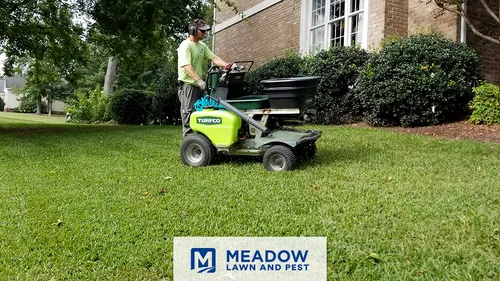
Meadow Lawn & Pest is a family-owned lawn care and pest control company serving Norfolk, VA, and surrounding areas including Carrollton, Smithfield, and Newport News. Established in 2008, they offer a range of services such as lawn mowing, fertilization, weed control, irrigation and sprinkler repair, landscaping, tree removal, and landscape lighting installation. Their team is licensed, certified, and insured, providing expertise in both indoor and outdoor pest control as well as yard drainage solutions. With over 16 years of experience, Meadow Lawn & Pest emphasizes consistent quality through regular maintenance and staff training.
Green Top Lawn LLC
Chesapeake, VA
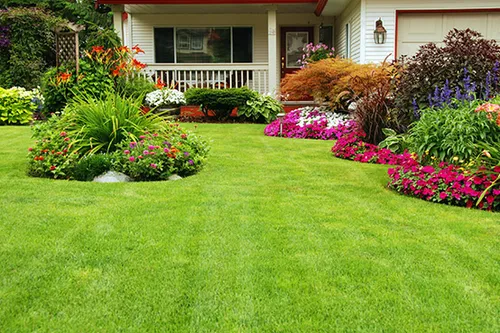
Green Top Lawn LLC is a lawn care and landscaping company serving Chesapeake, VA, as well as Norfolk and Virginia Beach. They offer a range of services including lawn mowing, fertilization, weed control, seeding, aeration, flower bed maintenance, pressure washing, and seasonal cleanups. The company also provides landscape design services to enhance outdoor living spaces by combining seasonal colors, perennials, and maintenance. Green Top Lawn LLC is veteran-owned and known for responsive service and efficient project completion.
Augusta Lawn Care of Virginia Beach
2699 N Landing Rd, Virginia Beach, VA 23456
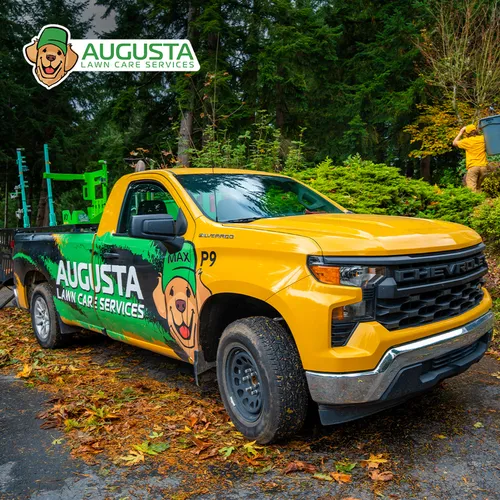
Augusta Lawn Care of Virginia Beach provides lawn mowing, fertilization, and weed control services in Virginia Beach, VA. The company offers comprehensive lawn care solutions to maintain healthy and attractive outdoor spaces. Augusta Lawn Care is fully insured and operates with set office hours during the week and weekends.
Understanding Hampton's Lawn Types
The foundation of any effective lawn care program is knowing what type of grass you have. Hampton's climate supports both cool-season and warm-season grasses, each with distinct needs.
- Cool-Season Grasses: Varieties like Tall Fescue and Kentucky Bluegrass are popular and thrive here. They grow most actively in the cooler spring and fall months. For these grasses, the focus is on consistent feeding and crucial fall maintenance like aeration and overseeding to recover from summer stress and build density.
- Warm-Season Grasses: Bermuda and Zoysia are also common. These grasses green up in late spring, grow vigorously through the summer heat, and go dormant (turn brown) after the first frost. Their primary feeding window is from mid-spring through summer.
- Split-Turf Programs: Many Hampton lawns have a mix of grass types. Professional services often offer specialized programs that treat different lawn areas separately, ensuring each section gets the correct fertilizer and weed control schedule for optimal health 1.
The Core Components of a Professional Program
A comprehensive lawn care plan involves more than just spreading fertilizer. It's an integrated system targeting soil and plant health.
Customized Fertilization Professionals use granular or liquid fertilizers with precise nitrogen-phosphorus-potassium (N-P-K) ratios tailored to your soil test results and grass type. The goal is to provide steady, balanced nutrition that promotes deep root growth and resilience without causing excessive, weak top growth 2.
Strategic Weed Control Weed management is a two-pronged approach:
- Pre-emergent Herbicides: Applied in early spring, these products form a barrier in the soil to prevent crabgrass and other grassy weeds from germinating. Timing is critical for effectiveness.
- Post-emergent Herbicides: These target weeds that have already emerged. Treatments are selected based on the weed type-common broadleaf weeds like dandelions and clover, or tough perennial weeds like nutsedge.
Essential Cultural Practices
- Aeration & Overseeding: Primarily for cool-season lawns, core aeration in the fall relieves soil compaction, allowing water, air, and nutrients to reach the roots. Following aeration with overseeding introduces new grass seed to fill in thin areas and improve overall turf density and health.
- Soil Amendments: Over time, soil can become acidic. Many advanced lawn care plans include lime applications to balance soil pH, which is essential for grass to properly utilize the nutrients in fertilizer 3.
Find the perfect lawn treatment companies for your needs
Get personalized recommendations and expert advice
A Seasonal Guide to Lawn Care in Hampton
Following nature's calendar is key to lawn success. Here's what a typical professional program addresses throughout the year.
Spring (March - May) This season is about green-up and defense. Applications focus on a starter fertilizer to kickstart growth and a pre-emergent herbicide to block crabgrass. As temperatures rise, broadleaf weed control targets dandelions and chickweed, and a balanced fertilizer application supports vigorous growth 4 5.
Summer (June - August) The focus shifts to protection and preservation. For warm-season grasses, fertilization continues. For all lawns, insect control becomes important to manage pests like chinch bugs. Treatments often include products that help grass tolerate heat and drought stress, coupled with recommendations for deep, infrequent watering.
Fall (September - November) Fall is the most critical season for lawn health, especially for cool-season grasses. This is the prime time for core aeration and overseeding. Multiple fertilizer applications are crucial-one for recovery from summer and another for winter root preparation. Fall is also an ideal window for controlling winter annual weeds like henbit and chickweed before they establish 6 7 8.
Winter (December - February) Lawn care is minimal during dormancy. Services may include debris removal and a final application to control overwintering weeds. This is also the time professionals plan the next year's program based on the previous season's results 9.
What to Expect from Professional Services
Engaging a professional lawn care service provides consistency and expertise. Most companies offer bundled programs that simplify maintenance.
Program Structure & Value Providers typically offer annual programs consisting of 5 to 7 or more scheduled visits throughout the year. These programs are designed to deliver the right treatment at the right time, automating your lawn's seasonal needs. A comprehensive plan might include fertilizer, weed control, insect control, and disease prevention in each visit.
Understanding Costs Pricing for these programs is often quoted on a per-application basis and varies based on your lawn's square footage and the service level chosen. In the Hampton area, you can generally expect costs to range from approximately $40 to $70 or more per application for a comprehensive program. For example, a 7-step annual program with core services might start around $49 per visit 10 11 12. It's important to get detailed quotes that outline exactly what is included in each visit.
Frequently asked questions
Sources
Footnotes
-
Lawn Care in Hampton, VA from $55 | 6000+ 5-Star Reviews - https://www.getsunday.com/local-guide/lawn-care-in-hampton-va ↩
-
Lawn Fertilization Services - https://meadowlawnandpest.com/lawn-care-services/lawn-fertilization/ ↩
-
Fertilization & Weed Control - Dreamlawns - https://dreamlawnsvb.com/services/fertilization-weed-control/ ↩
-
Lawn Care Services near Hampton, VA - Virginia Green - https://virginiagreen.com/locations/hampton-virginia ↩
-
Feed All Year Long with Our Custom Lawn Fertilizer Schedule - https://scottsmiraclegro.com/en-us/learn/lawn-care/Feed-all-year-long-with-our-custom-lawn-fertilizer-schedule.html ↩
-
Seasonal Lawn Care Maintenance and Treatment Schedule - https://www.trugreen.com/lawn-care-101/blog/trugreen-lawn-care-services/lawn-maintenance-checklist ↩
-
Lawn Care - York County/City of Poquoson | Virginia Tech - https://york.ext.vt.edu/content/dam/york_ext_vt_edu/files/LawnCarePub%20%28updated%29%202021.pdf ↩
-
Fall Lawn Fertilization Schedule for Virginia Homeowners - https://www.fertilizewithalm.com/blog/fall-lawn-fertilization-schedule-virginia ↩
-
Year Round Lawn Care Schedule and Tips For Maintaining Your Lawn - https://scottsmiraclegro.com/en-us/learn/lawn-care/your-seasonal-guide-to-a-lush-lawn.html ↩
-
Residential Lawn Care Programs - Virginia Green - https://virginiagreen.com/lawn-care-programs ↩
-
How much does lawn care service cost? - Green Lawn Fertilizing - https://www.greenlawnfertilizing.com/blog/how-much-does-lawn-care-service-cost ↩
-
How Much Does Lawn Fertilization Cost in 2026? - https://lawnlove.com/blog/lawn-fertilization-cost/ ↩