Find the Best Lawn Treatment Companies for Your Business
No obligation • Fast responses • Nationwide coverage

Why you can trust Landscape Atlas
Landscape Atlas is a leading United States resource for evaluating landscaping, lawn care, and outdoor service providers. Our team researches each category in depth, focusing on service quality, safety, and customer experience. Listings and rankings are based on independent criteria and user feedback, and companies cannot pay to influence our assessments or recommendations.
Search providers near you
Top Lawn Treatment Companies in Marysville, Washington Ranked
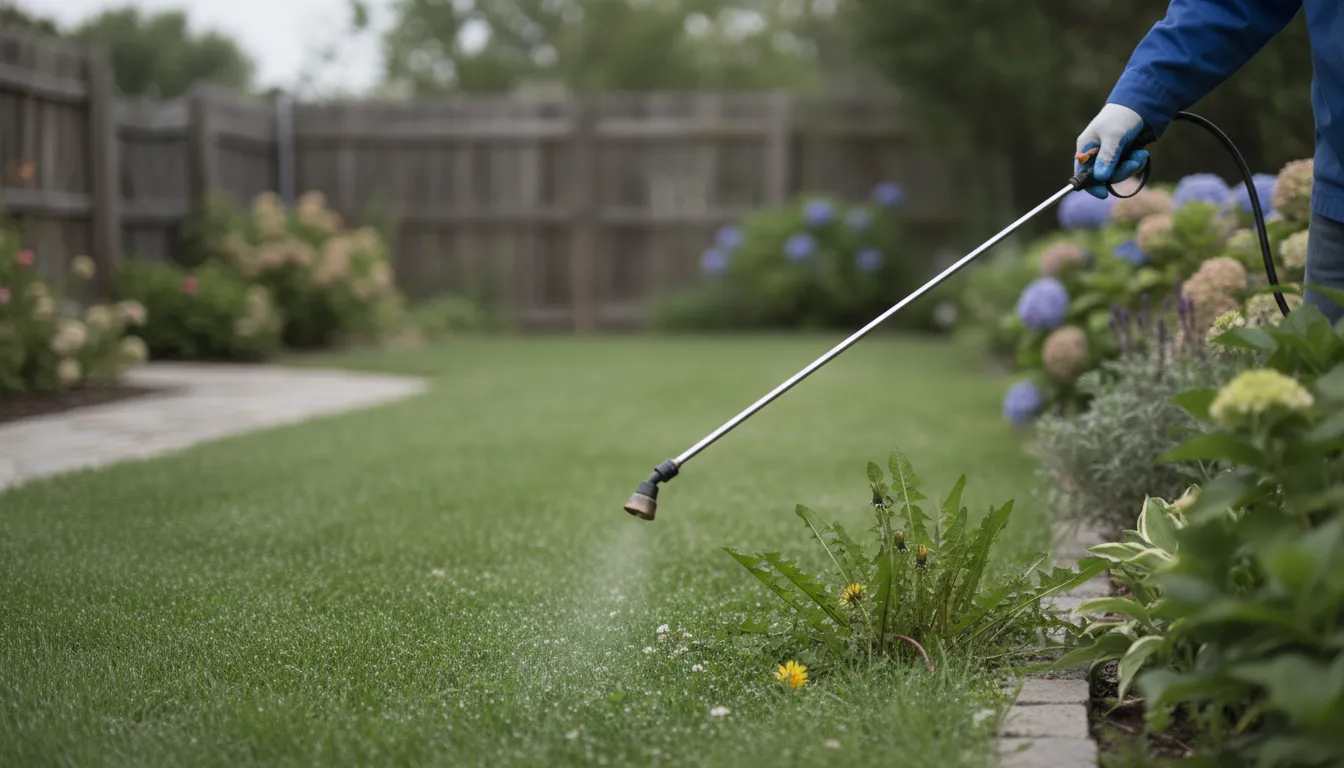
A healthy, vibrant lawn enhances your home's curb appeal and provides a beautiful space for outdoor living. In Marysville, achieving that lush green carpet requires a tailored approach to lawn nutrition and weed management, specifically designed for our unique Pacific Northwest climate. Professional lawn care programs provide a science-backed strategy, combining seasonal fertilization with targeted weed control to build soil health and crowd out unwanted plants. This guide will help you understand the local best practices for turf care, from selecting the right grass types to following a seasonal maintenance calendar, so you can make informed decisions for your property.
Augusta Lawn Care of Redmond
6335 180th Pl NE Suite #544, Redmond, WA 98052
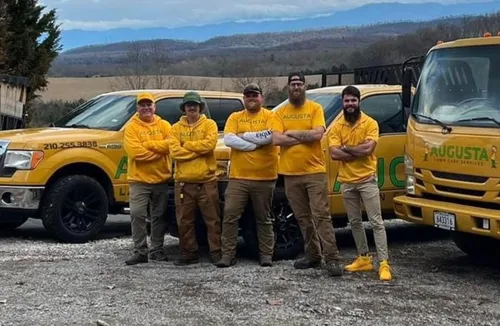
Augusta Lawn Care of Redmond is a lawn care company based near Seattle, WA. They provide lawn mowing, fertilization, and weed control services to maintain healthy and attractive lawns. The company is fully insured and operates with set office hours during the week and on Saturdays.
Ballinger Landscaping
20234 20th Pl NE, Shoreline, WA 98155
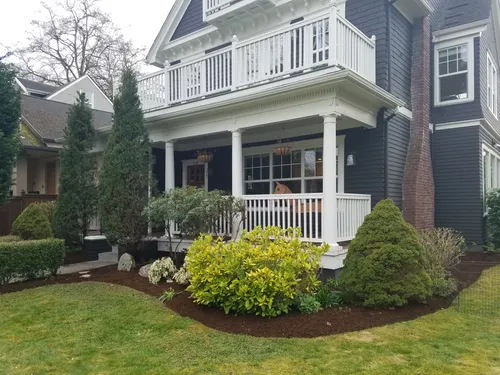
Ballinger Landscaping is a landscaping company based in the Ballinger neighborhood of northeast Shoreline, Washington, serving the Seattle, WA area. They offer a full range of landscaping services including lawn care, garden design, seasonal maintenance, plant installation, pressure washing, property cleanups, and commercial and HOA landscape maintenance. Their expertise includes creating low-maintenance landscapes that thrive in the local climate, focusing on both residential and commercial properties to enhance curb appeal and outdoor space functionality.
Spring Green
6830 NE Bothell Way STE C - PMB 271, Kenmore, WA 98028
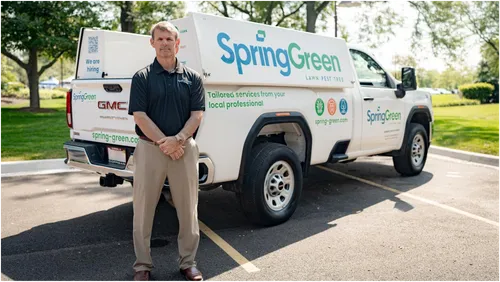
Spring Green is a locally owned lawn care and tree service company serving the Seattle, WA area. Since 2008, they have provided tailored lawn fertilization, weed control, pest control, and tree care services including core aeration, overseeding, lime treatment, and crane fly control. Their service area includes Everett, Marysville, Bothell, Lake Stevens, and nearby communities. Spring Green focuses on maintaining healthy lawns with treatments for common weeds and pests, as well as tree removal and stump grinding.
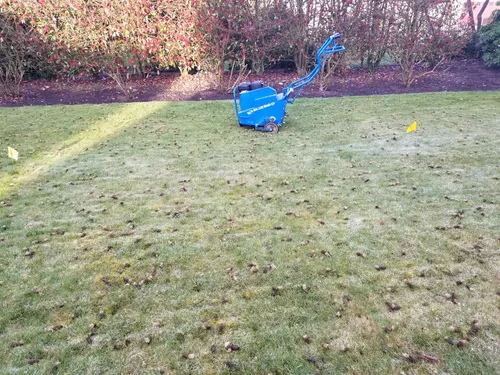
Evergreen Lawn Aeration
6920 Roosevelt Way NE #130th, Seattle, WA 98115
Evergreen Lawn Aeration is a locally owned lawn care company based in Seattle, WA, specializing in core aeration, dethatching, seeding, and fertilization. They serve North Seattle, Everett, and the Eastside north of the 520, using professional machinery and products to maintain and restore Pacific Northwest lawns. The company focuses on lawn restoration services during the season from February through November, depending on weather conditions.
Lawn Doctor of Bothell-Redmond-Woodinville-Sammamish-Kirkland-Kenmore-and Snohomish
Seattle, WA
Lawn Doctor of Bothell-Redmond-Woodinville-Sammamish-Kirkland-Kenmore-and Snohomish provides lawn care and pest control services in Seattle, WA. They offer customized treatment plans based on a free lawn analysis to address specific lawn needs, including fertilization and protection against pests like grubs and fire ants. Their annual lawn care programs help maintain healthy lawns year-round. The company serves multiple communities in the Seattle area, including Bothell, Woodinville, Redmond, Duvall, and Sammamish.
Understanding Marysville's Lawn Environment
Successful lawn care begins with understanding the local conditions. Marysville's climate is characterized by cool, wet winters and mild, relatively dry summers, which is ideal for cool-season grasses. The soil in our region can often be acidic and compacted, which affects nutrient availability and root growth. A professional lawn feeding and weed prevention program is built to work with these conditions, using products and timing that align with the natural growth cycles of local turfgrass.
The goal of a comprehensive program is not just to apply products, but to cultivate a thick, dense lawn that naturally resists weeds, disease, and drought stress. This is achieved through a balance of macro and micronutrients that support root development, color, and overall plant vigor, while strategic weed treatments eliminate competition for resources.
Optimal Grass Types for Marysville Lawns
Choosing the right grass seed is the foundation of a resilient lawn. The most common and successful varieties for Marysville are cool-season grasses, often used in blends to capitalize on each type's strengths 1.
- Perennial Ryegrass: This grass is prized for its quick germination and establishment. It tolerates foot traffic well and thrives in the cool, moist conditions typical of our springs and falls.
- Fine Fescues (Red, Chewings, Hard): An excellent low-maintenance option, fine fescues are particularly well-adapted to shady areas and droughty soils. They require less fertilizer and water than other varieties, making them a sustainable choice 2.
- Kentucky Bluegrass: Known for its rich green color and fine texture, Kentucky Bluegrass offers excellent winter hardiness. In Western Washington, it is typically included as a minor component (less than 50%) in seed blends due to specific soil and climate preferences, performing best in full sun 3.
- Turf-Type Tall Fescue: This variety is a workhorse, known for its deep root system that provides superior drought tolerance. It performs well in areas with poorer drainage and can handle both sun and partial shade, making it a versatile choice for many Marysville lawns 4 5.
The Core of a Professional Program: Fertilization & Weed Management
Most local lawn care plans involve 4 to 6 scheduled visits per year, each with a specific objective tailored to the season 6 7. This systematic approach ensures your grass gets what it needs when it needs it most.
Lawn Fertilization The focus of professional lawn feeding in Marysville is on building healthy soil to support sustained grass growth. Providers typically use slow-release, often organic-based fertilizer formulas. These products feed the grass gradually over several weeks, promoting steady growth without the excessive, weak top-growth associated with quick-release synthetic fertilizers. This method encourages deeper root development, improves drought resistance, and reduces the risk of nutrient runoff into local waterways 8.
Weed Control Effective weed management is a two-pronged strategy: prevention and treatment.
- Pre-Emergent Herbicides: Applied in early spring, these products create a barrier in the soil that prevents weed seeds (like crabgrass) from germinating. Timing is critical, often aligned with natural indicators like the blooming of forsythia 9.
- Post-Emergent Herbicides: Used throughout the growing season, these treatments target existing broadleaf weeds such as dandelions, clover, and plantain. Professionals select products based on the weed type and the grass species in your lawn to ensure effectiveness and safety 10.
Find the perfect lawn treatment companies for your needs
Get personalized recommendations and expert advice
A Seasonal Lawn Care Guide for Marysville
Following a calendar that respects the Pacific Northwest's rhythms is key to lawn health. Here's a breakdown of essential tasks by season 11 12.
Early Spring (March - April) As the lawn wakes from dormancy, the focus is on cleanup and prevention.
- Rake to remove winter debris and matted grass (thatch).
- Apply moss control if needed.
- Apply pre-emergent weed control to stop summer annual weeds.
- Core aeration can be performed if soil compaction is an issue.
Late Spring to Early Summer (May - June) This is a prime growth period for cool-season grasses.
- Apply the first round of slow-release fertilizer to fuel spring growth.
- Spot-treat any emerging broadleaf weeds with post-emergent products.
- Begin regular mowing, never removing more than one-third of the grass blade height at a time.
- Adjust irrigation systems as rainfall decreases.
Summer (July - August) The goal shifts to preservation and stress management during the drier months.
- Raise your mower blade to a higher setting (3-4 inches). Taller grass shades the soil, conserves moisture, and discourages weeds.
- Water deeply and infrequently to encourage deep roots. Aim for about 1 inch of water per week, including rainfall.
- Avoid fertilizing during periods of heat and drought stress.
- Monitor for insect activity or disease.
Fall (September - November) Fall is the most important season for lawn care in Marysville. Cool temperatures and autumn rains create ideal conditions for recovery and strengthening.
- Core aerate to relieve compaction and improve oxygen, water, and nutrient flow to roots.
- Overseed to introduce new grass plants and improve lawn density, crowding out future weeds.
- Apply a "winterizer" fertilizer. This formulation is typically higher in potassium, which strengthens cell walls and improves the lawn's hardiness against cold, disease, and drought 13 14.
- Continue mowing as growth slows, and keep the lawn clear of fallen leaves to prevent matting and disease.
Winter (December - February) Lawn activity is minimal, but a few tasks can set the stage for spring.
- Keep the lawn clear of leaves and debris.
- Have your soil tested. If acidity is high, professionals may apply lime to balance the pH, which improves nutrient availability 15.
- Plan any major lawn renovations for the coming year.
Enhancing Your Lawn Care Program
Beyond core fertilization and weed treatments, many providers offer add-on services that address specific lawn challenges and can significantly boost your results 16 17.
- Core Aeration: This service pulls small plugs of soil from your lawn, alleviating compaction and allowing air, water, and fertilizer to reach the root zone more effectively. It's highly recommended for most Marysville lawns, especially in fall.
- Overseeding: Introducing new grass seed into an existing lawn fills in thin areas, improves density, and enhances the lawn's overall color and weed resistance. Fall overseeding is particularly effective.
- Grub Control: Preventative treatments can protect your lawn from the root damage caused by beetle larvae (grubs).
- Dethatching: For lawns with a thick layer of thatch (dead organic matter between the grass blades and soil), dethatching can improve water penetration and nutrient uptake.
Understanding Investment and Value
The cost of professional lawn nutrition and weed management in Marysville varies based on the size of your lawn, the number of annual applications, and the specific services included. Annual programs typically offer better value than purchasing individual treatments. Based on local market data, a basic annual program for fertilization and weed control can range from approximately $300 to $600 per year 18 19. Individual service costs can include:
- Fertilization per visit: $46 - $139
- Weed control per visit: $50 - $100
- Aeration and overseeding: $150 - $750 (often as an annual add-on)
For an average 5,000 square foot lawn, a single professional application may start between $64 and $183 20. Requesting a customized quote from a local provider will give you the most accurate estimate for your specific property.
Frequently asked questions
Sources
Footnotes
-
How Often to Water a New Lawn: What are the Essential Tips for Healthy Growth? - https://www.greenacelawncare.com/blog/how-often-to-water-a-new-lawn/ ↩
-
Home Lawns - Wsu - Washington State University - https://s3.wp.wsu.edu/uploads/sites/2062/2014/04/eb0482.pdf ↩
-
The Best Grass Seed For Washington - https://naturesseed.com/grass-seed/washington/ ↩
-
Most Common Lawn Grasses in Washington State - https://www.lawncarecamas.com/blog/most-common-lawn-grasses-in-washington-state/ ↩
-
Best Lawn Grass Seeds For Washington - Outsidepride.com - https://www.outsidepride.com/seed/grass-seed/State-Lawn-Guide/Washington-Grass-Seed/ ↩
-
Marysville, WA Lawn Care & Pest Control Services - https://www.spring-green.com/lawn-care-locations/marysville-wa/ ↩
-
Lawn Fertilization & Weed Control in South Central PA | Good's - https://www.goodstreecare.com/services/lawn-care/fertilization-weed-control ↩
-
Natural Yard Care - City of Marysville, WA - https://www.marysvillewa.gov/555/Natural-Yard-Care ↩
-
Turf Pre-Emergent and Fertilization for Fall - https://southernbotanical.com/the-benchmark/turf-pre-emergent-and-fertilization-for-fall/ ↩
-
Lawn Fertilization For Weed Control - https://www.aaalawncare.com/fertilization-weed-control/ ↩
-
LAWN CARE CALENDAR | Wsu - https://s3.wp.wsu.edu/uploads/sites/2071/2013/12/Lawn-Care-Calendar.pdf ↩
-
Pacific Northwest Lawn Care Schedule - TruGreen - https://www.trugreen.com/lawn-care-101/blog/lawn-care/pacific-northwest-lawn-care-schedule ↩
-
Seasonal Lawn Tips - Todd Valley Farms - https://toddvalleyfarms.com/resources/seasonal-lawn-tips/ ↩
-
Month-to-Month Lawn Care Schedule for the Pacific Northwest - https://www.lawnstarter.com/blog/lawn-care-2/pacific-northwest-lawn-care-schedule/ ↩
-
Pacific Northwest Lawn Care Calendar - Swansons Nursery - https://www.swansonsnursery.com/lawn-care-calendar ↩
-
Lawn Fertilization & Weed Control - Simply Green - https://gosimplygreen.com/?page_id=233 ↩
-
Fertilization, Weed Control, & Aeration in Lawn Care Program - https://coloniallawn.com/understanding-fertilization-weed-control-and-aeration-in-lawn-care-programs/ ↩
-
The Best Grass Seed For Washington - https://naturesseed.com/resources/lawn-turf/washington/ ↩
-
How much does lawn care service cost? - Green Lawn Fertilizing - https://www.greenlawnfertilizing.com/blog/how-much-does-lawn-care-service-cost ↩
-
How Much Does Lawn Fertilization Cost in 2026? - https://lawnlove.com/blog/lawn-fertilization-cost/ ↩