Find the Best Lawn Treatment Companies for Your Business
No obligation • Fast responses • Nationwide coverage

Why you can trust Landscape Atlas
Landscape Atlas is a leading United States resource for evaluating landscaping, lawn care, and outdoor service providers. Our team researches each category in depth, focusing on service quality, safety, and customer experience. Listings and rankings are based on independent criteria and user feedback, and companies cannot pay to influence our assessments or recommendations.
Search providers near you
Top Lawn Treatment Companies in Sammamish, Washington Ranked
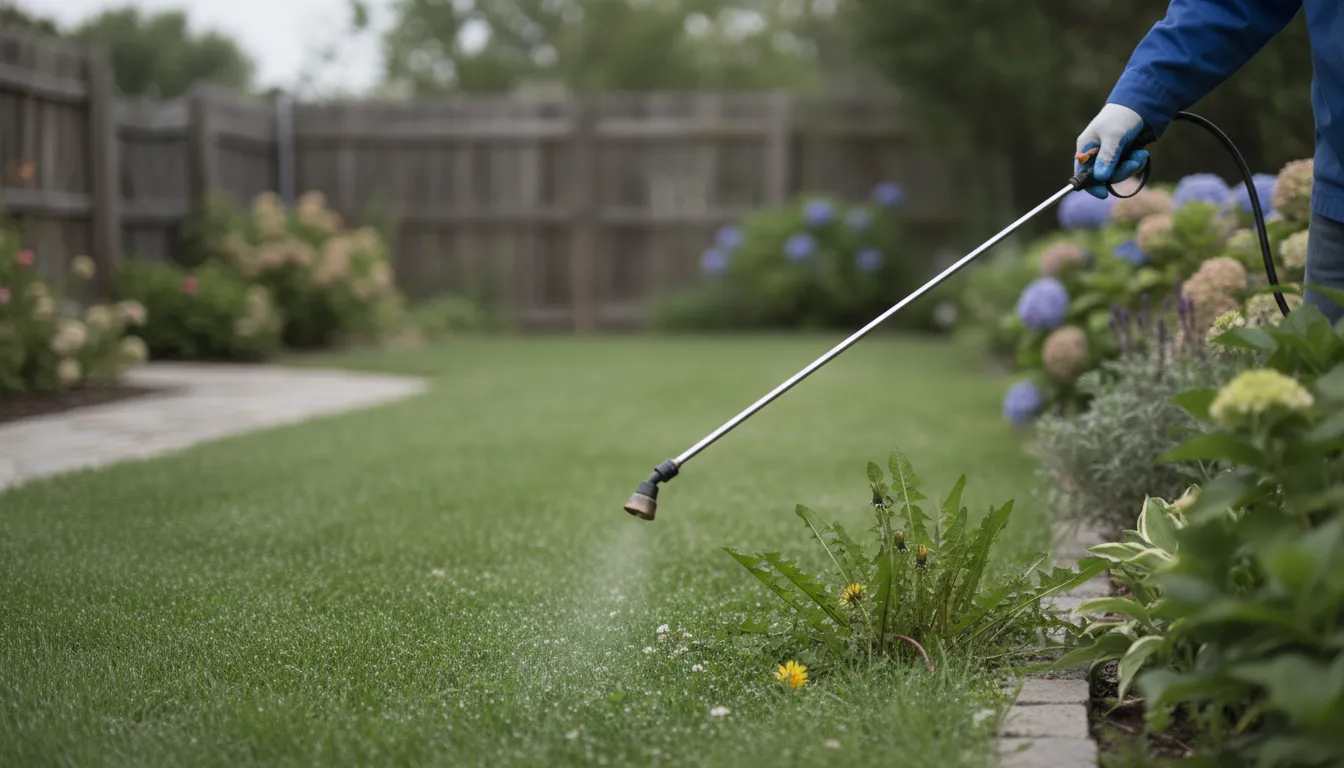
Maintaining a vibrant, healthy lawn in Sammamish requires a specialized approach tailored to the Pacific Northwest's unique climate. Lawn fertilization and weed control are essential services that provide your grass with the nutrients it needs to thrive while suppressing invasive plants that compete for resources. A well-executed program not only enhances your property's curb appeal but also builds a dense, resilient turf that can better withstand local challenges like moss, thatch, and seasonal stress. This guide outlines the key considerations for effective lawn nutrition and weed management, helping you understand the local best practices and connect with professionals who can develop a customized plan for your yard.
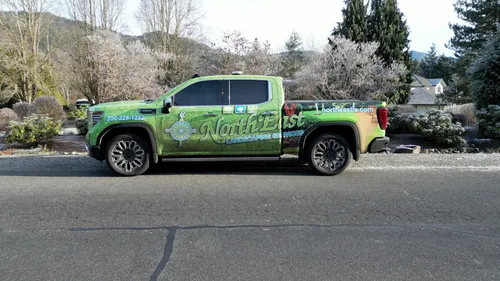
North East Landscaping Services
12259 155th Ave SE, Renton, WA 98059
North East Landscaping Services is a family-owned landscaping company with over 20 years of experience serving residential and commercial clients in Seattle, WA. They provide a comprehensive range of outdoor services including lawn care, fertilization, weed control, sod and artificial turf installation, fence and deck construction, landscape lighting, tree services, yard drainage, sprinkler installation and repair, as well as hardscaping like pavers and retaining walls. The company emphasizes quality workmanship and building lasting relationships with clients, handling projects of all sizes with care and honesty.
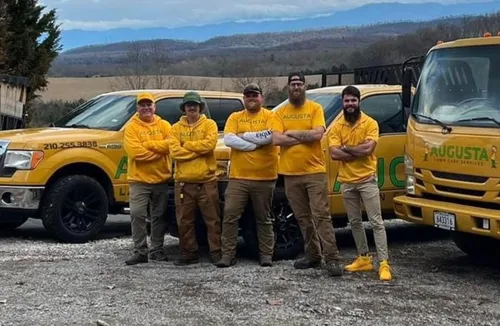
Augusta Lawn Care of Redmond
6335 180th Pl NE Suite #544, Redmond, WA 98052
Augusta Lawn Care of Redmond is a lawn care company based near Seattle, WA. They provide lawn mowing, fertilization, and weed control services to maintain healthy and attractive lawns. The company is fully insured and operates with set office hours during the week and on Saturdays.
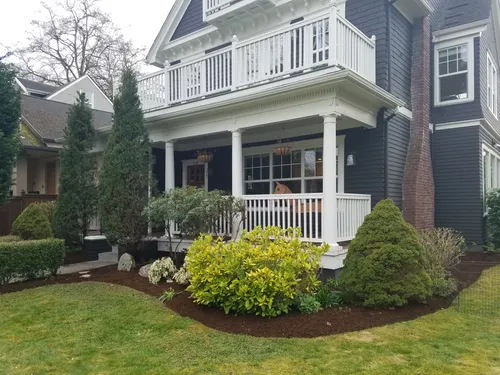
Ballinger Landscaping
20234 20th Pl NE, Shoreline, WA 98155
Ballinger Landscaping is a landscaping company based in the Ballinger neighborhood of northeast Shoreline, Washington, serving the Seattle, WA area. They offer a full range of landscaping services including lawn care, garden design, seasonal maintenance, plant installation, pressure washing, property cleanups, and commercial and HOA landscape maintenance. Their expertise includes creating low-maintenance landscapes that thrive in the local climate, focusing on both residential and commercial properties to enhance curb appeal and outdoor space functionality.
Spring Green
6830 NE Bothell Way STE C - PMB 271, Kenmore, WA 98028
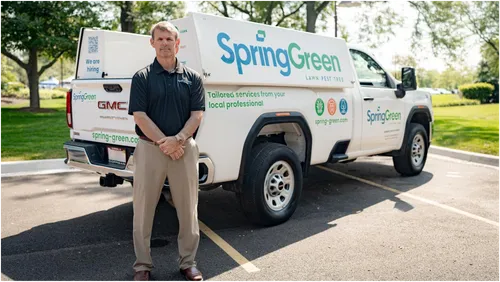
Spring Green is a locally owned lawn care and tree service company serving the Seattle, WA area. Since 2008, they have provided tailored lawn fertilization, weed control, pest control, and tree care services including core aeration, overseeding, lime treatment, and crane fly control. Their service area includes Everett, Marysville, Bothell, Lake Stevens, and nearby communities. Spring Green focuses on maintaining healthy lawns with treatments for common weeds and pests, as well as tree removal and stump grinding.
Augusta Lawn Care Services
5280 SE Mile Hill Dr, Port Orchard, WA 98366
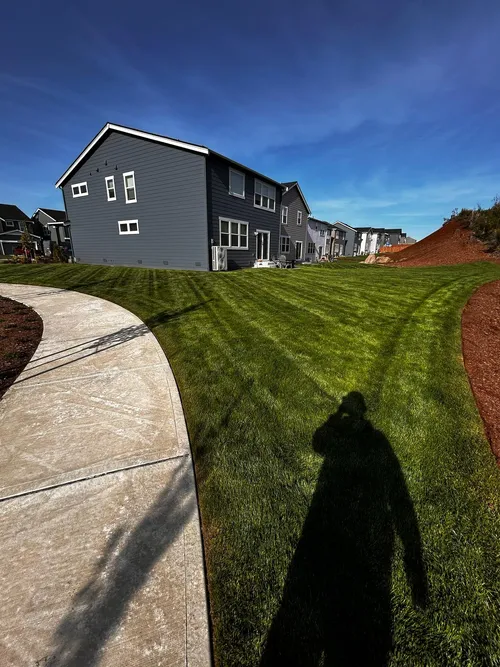
Augusta Lawn Care Services is a lawn care company based in Seattle, WA. They provide a range of lawn care services including lawn mowing, fertilization, and weed control. The company is fully insured and operates with regular business hours throughout the week.
Understanding Sammamish's Lawn Environment
Successful lawn care begins with understanding the local conditions. Sammamish's climate, characterized by wet, mild winters and dry summers, directly influences the type of grass that grows best and the seasonal care it requires. The soil in our area tends to be acidic, which can affect nutrient availability for your turf.
The most common and successful grasses here are cool-season varieties, which are well-adapted to the region's temperature patterns. These typically include blends of:
- Perennial Ryegrass: Valued for its quick germination and establishment, providing a consistent green appearance.
- Kentucky Bluegrass: Creates a lush, dense lawn with good self-repair capabilities and cold tolerance.
- Fine Fescues: An excellent choice for shaded areas, requiring less fertilizer and exhibiting better drought resistance than other cool-season grasses 1.
Often, a seed mix containing all three varieties offers the greatest resilience, ensuring some grass thrives whether an area is in full sun or partial shade 2.
The Core of a Local Lawn Care Program: Seasonal Timing
A one-size-fits-all approach doesn't work for lawn feeding and weed prevention in Sammamish. Professional programs are built around a seasonal calendar that addresses the lawn's changing needs throughout the year. A typical annual plan involves 6 to 8 visits, with services tailored to each season 3.
Late Winter / Early Spring (February - March)
This period is for assessment and preparation. Professionals will clear winter debris, test soil pH, and often apply lime to counteract the area's natural soil acidity. This is also an ideal time for core aeration or dethatching if needed, to alleviate soil compaction and allow air, water, and nutrients to reach the root zone more effectively.
Spring (April - May)
As growth begins, a slow-release fertilizer application provides essential nutrients for the coming season. Moss control is frequently addressed at this time. Crucially, broadleaf weeds like dandelions and clover are spot-treated before they flower and set seed, preventing a larger infestation later. The City of Sammamish encourages this targeted spot-treatment approach over blanket "weed and feed" products to better protect local waterways.
Summer (June - August)
The focus shifts to preservation during the drier months. Fertilization is generally minimized or avoided during peak heat to prevent burning the grass. The key to summer health is proper cultural practice: mowing high (3 inches or more) to shade roots and retain moisture, and watering deeply but infrequently to encourage deep root growth. Weed control may involve monitoring and spot-treating any persistent issues.
Fall (September - November)
This is the most critical season for lawn renovation in the Pacific Northwest. Core aeration is highly recommended to relieve summer compaction. Overseeding fills in thin areas and introduces fresh grass plants. A "winterizer" fertilizer application, rich in potassium, is applied to promote strong root development and disease resistance, helping the lawn survive the winter and green up quickly in spring 4.
Winter (December - January)
Activity is minimal. The primary tasks are keeping the lawn clear of leaves and debris to prevent mold and fungal diseases like snow mold from taking hold 5.
Find the perfect lawn treatment companies for your needs
Get personalized recommendations and expert advice
Key Services Within a Fertilization & Weed Control Plan
A comprehensive lawn nutrition and protection plan encompasses more than just spreading granules. Local professionals integrate several services to ensure long-term health.
- Soil Analysis & Amendment: Testing soil pH and nutrient levels is the first step in a science-based program. If the soil is too acidic, as is common here, applications of lime can help balance pH and improve fertilizer efficacy.
- Pre-Emergent & Post-Emergent Weed Control: This two-pronged strategy is essential. Pre-emergent herbicides create a barrier to prevent weed seeds from germinating, while post-emergent products target weeds that have already sprouted. For environmental safety, many providers emphasize selective, spot-treatment methods 6.
- Core Aeration: This process removes small plugs of soil from the lawn, reducing compaction and thatch. It allows fertilizer, water, and air to penetrate directly to the root zone, making your feeding program much more effective. It's often paired with fall overseeding 7 8.
- Grass Cycling & Proper Mowing: While not always a direct service, professionals provide guidance on mowing. Leaving grass clippings on the lawn (grass cycling) returns nutrients and organic matter to the soil, acting as a natural, mild fertilizer. Mowing at a higher height promotes deeper roots and shades out weed seeds 9.
Investment and Value of Professional Care
Investing in a professional lawn feeding and weed management program can save time and yield superior results compared to a DIY approach. Costs are influenced by the size of your lawn, its current condition, and the specific services included in your plan.
Based on local market data, here are typical price ranges for common services in Sammamish:
- Per-Visit Fertilization & Weed Control: $50 - $210 per application.
- Annual Program (6-8 visits): $300 - $800 for a seasonal plan 10.
- Core Aeration: $107 - $202 as a standalone service.
- Hand Weeding: $35 - $105 per hour for manual removal 11.
Many companies offer bundled annual plans that provide multiple seasonal treatments, which often prove more cost-effective than scheduling individual services. Reputable local providers can assess your property and provide a detailed quote for a customized program 12 13.
Environmental Stewardship in Lawn Care
Residents of Sammamish are often mindful of their environmental impact. Fortunately, modern lawn care practices align well with sustainability goals. Using slow-release fertilizers minimizes nutrient runoff into nearby lakes and streams. Integrated Pest Management (IPM) strategies focus on spot-treating weeds only when necessary and using the most targeted product available. Choosing grass varieties like fine fescues that are adapted to the local climate reduces the need for excessive water and chemical inputs 14 15 16. By working with a knowledgeable professional, you can achieve a beautiful lawn that is also a responsible part of Sammamish's ecosystem.
Frequently asked questions
Sources
Footnotes
-
Home Lawns - Wsu - Washington State University - https://s3.wp.wsu.edu/uploads/sites/2062/2014/04/eb0482.pdf ↩
-
The Best Grass Seed For Washington - https://naturesseed.com/resources/lawn-turf/washington/ ↩
-
How Much Does Lawn Doctor Cost? (2026) - HomeGuide - https://homeguide.com/costs/lawn-doctor-cost ↩
-
Pacific Northwest Lawn Care Schedule - TruGreen - https://www.trugreen.com/lawn-care-101/blog/lawn-care/pacific-northwest-lawn-care-schedule ↩
-
Pacific Northwest Lawn Care Schedule - TruGreen - https://www.trugreen.com/lawn-care-101/blog/lawn-care/pacific-northwest-lawn-care-schedule ↩
-
Natural Lawn Care for Western Washington - Seattle.gov - https://www.seattle.gov/documents/Departments/SPU/EnvironmentConservation/Landscaping/NaturalLawnCare.pdf ↩
-
Pacific Northwest Lawn Care Calendar - Swansons Nursery - https://www.swansonsnursery.com/lawn-care-calendar ↩
-
The Ultimate Guide to Overseeding a Lawn | LiquidGreen.ca - https://liquidgreen.ca/blog/the-ultimate-guide-to-overseeding-a-lawn/ ↩
-
#11 Lawns | King County | Washington State University - https://extension.wsu.edu/king/mg-home/gardening-resources/tip-sheets/tip-sheet-11 ↩
-
Sammamish, WA Lawn Care | 6000+ 5-Star Reviews - https://www.getsunday.com/local-guide/lawn-care-in-sammamish-wa ↩
-
How Much Does Lawn Fertilization Cost in 2026? - https://lawnlove.com/blog/lawn-fertilization-cost/ ↩
-
Lawn Care 101: Wetting agents and when to use them - https://trugreen.co.uk/lawn-care-101-wetting-agents/ ↩
-
TruGreen vs. Lawn Doctor (2025 Guide) - https://www.thisoldhouse.com/lawns/trugreen-vs-lawn-doctor ↩
-
Yard and Garden Care - Sammamish City Hall - https://www.sammamish.us/our-community/environment-sustainability/help-keep-clean/yard-and-garden-care/ ↩
-
Yard and Garden Care - Sammamish City Hall - https://www.sammamish.us/our-community/environment-sustainability/help-keep-clean/yard-and-garden-care/ ↩
-
Choosing the Best Grass Type For Your Home | Carl's Mower & Saw - https://carlsmower.com/choosing-the-best-grass-type-for-your-home/ ↩