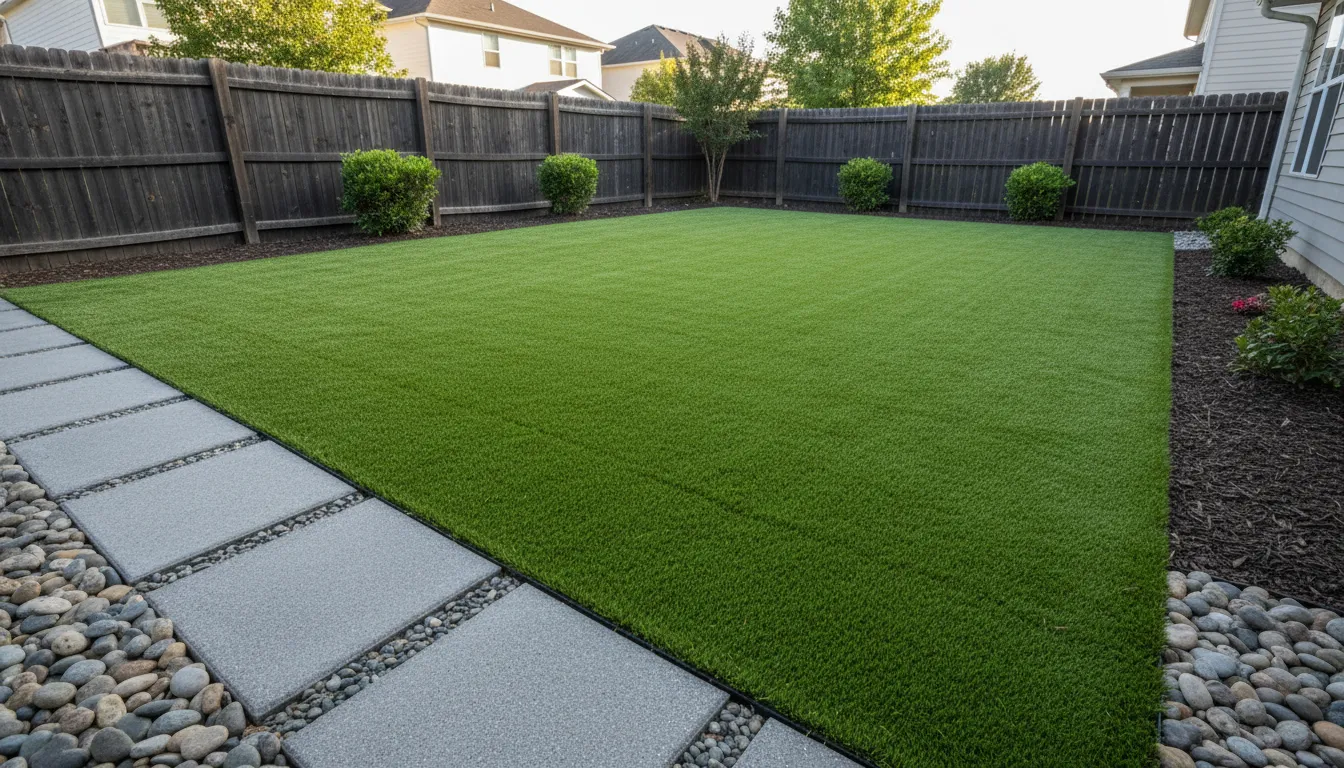
Find the Best Sod and Turf Lawn Installers for Your Business
No obligation • Fast responses • Nationwide coverage

Why you can trust Landscape Atlas
Landscape Atlas is a leading United States resource for evaluating landscaping, lawn care, and outdoor service providers. Our team researches each category in depth, focusing on service quality, safety, and customer experience. Listings and rankings are based on independent criteria and user feedback, and companies cannot pay to influence our assessments or recommendations.
Search providers near you
Top Sod and Turf Lawn Installers in Apple Valley, California Ranked
Transforming a patch of dirt or an old, tired lawn into a vibrant, green space is a major home improvement project. New lawn installation, whether with natural sod or modern artificial turf, can dramatically enhance your property's curb appeal, usability, and value. In Apple Valley's unique climate, choosing the right type of lawn and a qualified installer is crucial for long-term success. This guide will help you understand the key considerations, processes, and costs for sod and turf installation so you can make an informed decision and connect with the right local professionals for your project.
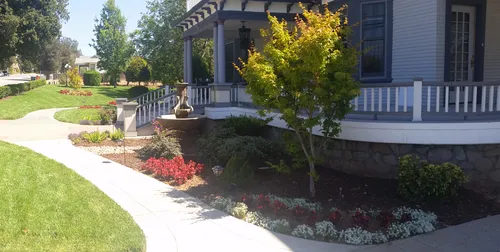
Understanding Your Lawn Options in the High Desert
When planning a lawn installation in Apple Valley, you have two primary paths: living sod or synthetic turf. Each serves the purpose of creating a lush, green yard but operates on fundamentally different principles, especially important in our semi-arid, high-desert environment.
Natural Sod provides an instant, living lawn. It's grass that has been pre-grown on a farm, harvested in rolls or slabs, and transported for installation. It offers the classic feel, smell, and cooling effect of real grass but requires a consistent commitment to watering, mowing, and fertilizing.
Artificial Turf, or synthetic grass, is a manufactured surface made from polyethylene or polypropylene fibers. Modern versions are incredibly realistic, durable, and designed to withstand intense sun and foot traffic. Its primary advantage in Southern California is its minimal need for water and maintenance once installed.
The choice often comes down to your priorities: the immediate natural beauty and environmental benefits of real grass versus the long-term water savings and low upkeep of a synthetic lawn.
The Critical Role of Site Preparation
Regardless of which lawn type you choose, proper site preparation is the single most important factor determining its longevity, appearance, and functionality. Skipping or skimping on prep is the leading cause of lawn failure.
Preparing for a Sod Lawn
For a successful sod installation, the goal is to create a healthy, stable bed for the grass roots to establish. The process typically involves:
- Clearing & Removal: Completely removing any existing grass, weeds, rocks, and debris.
- Soil Tilling & Amendment: Breaking up compacted soil to a depth of several inches and mixing in compost or other organic matter to improve nutrient content and drainage.
- Grading & Leveling: Carefully shaping the soil to ensure a smooth, even surface with a slight slope (about a 1-2% grade) away from your home's foundation to facilitate proper water runoff1.
- Final Compaction: Lightly compacting the prepared soil to eliminate air pockets and create a firm base, preventing future uneven settling.
Preparing for an Artificial Turf Lawn
Turf preparation is more intensive, as you are building a permanent, multi-layered foundation. The process is designed for superior drainage and stability:
- Excavation: Removing 3 to 4 inches of existing soil and material.
- Weed Barrier: Laying a geotextile fabric over the excavated area to prevent weeds from growing up through the turf.
- Base Installation: Adding, spreading, and meticulously compacting a 3-4 inch layer of crushed rock (often decomposed granite or gravel). This base is critical for drainage, stability, and creating a soft, natural feel underfoot.
- Final Grading: Precisely grading and compacting the rock base to the final contour, ensuring perfect drainage.
Breaking Down the Installation Process & Timeline
Knowing what to expect on installation day helps you plan accordingly.
Sod Installation: Once the site is fully prepared, the installation of the sod itself is relatively quick. Professionals will roll out the slabs, stagger the seams (like laying bricks), trim edges, and roll the entire lawn to ensure good soil-to-root contact. For a standard residential yard, the sod-laying process can often be completed in 1 to 3 days.
Artificial Turf Installation: This is a multi-stage project. After the base is prepared, installers will roll out the turf, seam it together with specialized tape and adhesive, trim it to fit around landscape features, and secure the perimeter with nails or staples. Infill-tiny granules of sand or rubber-is then brushed into the fibers to keep them upright and add weight. Due to the excavation and base work, a turf project typically takes 3 to 7 days or more, depending on the size and complexity of the area.
Cost Analysis for Apple Valley Homeowners
Cost is a major deciding factor, and it's essential to look at both upfront investment and long-term value, particularly regarding water use.
Sod Installation Costs: In Apple Valley, the installed cost for natural sod generally ranges from $2 to $6 per square foot. This price typically includes soil preparation, the sod itself, labor, and a starter fertilizer. For perspective:
- A 500 sq. ft. lawn: ~$1,000 - $3,000
- A 1,000 sq. ft. lawn: ~$2,000 - $6,000 2
Artificial Turf Installation Costs: The upfront cost for synthetic grass is higher, ranging from $5 to $20 per square foot installed. For most quality residential projects in California, you can expect to land in the $9 to $15 per square foot range. The variance depends on the turf quality, project complexity, and amount of site prep required. For example:
Find the perfect sod and turf lawn installers for your needs
Get personalized recommendations and expert advice
Why Climate Matters in Apple Valley
Apple Valley's climate-hot, dry summers and mild winters-directly impacts your lawn choice. Natural sod requires significant irrigation to stay alive and green during the summer months, contributing to higher water bills. In contrast, artificial turf requires no watering beyond an occasional rinse to clean it, offering substantial long-term utility savings6. This makes turf a financially and environmentally strategic choice for many homeowners in our region, offsetting the higher initial investment over time.
Choosing the Right Local Professional
A successful lawn installation hinges on the skill of the installer. When looking for a contractor in Apple Valley, prioritize those with specific, verifiable experience in your chosen lawn type.
- For Sod: Look for landscapers who emphasize proper soil science, grading, and preparation.
- For Artificial Turf: Seek out specialists (like local companies such as Daniel's Affordable Landscaping or Scott's Artificial Grass) who understand the critical importance of the subsurface base and drainage system for our area 7. Always check reviews, ask for references, and verify that they are licensed and insured. A detailed, written quote that breaks down material, labor, and prep costs is essential.
Homeowner Participation & DIY Considerations
To manage costs, some homeowners choose to handle parts of the project themselves. Tasks like clearing an old lawn, removing debris, or even light demolition are common DIY starting points. However, the technical aspects-especially final grading, soil amendment for sod, and the compacted rock base for turf-are best left to professionals. Improper grading can lead to drainage problems that damage your lawn, your home's foundation, or your new turf investment8.
Long-Term Care and Value
Your responsibilities change dramatically after installation.
- Sod Care: Requires a strict watering schedule for the first few weeks to establish roots, followed by regular mowing, fertilizing, aerating, and overseeding to maintain health.
- Turf Maintenance: Involves periodic brushing to keep fibers upright, rinsing to remove dust or pet waste, and replenishing infill material every few years. It eliminates the need for mowing, watering, and chemical applications.
Both options add tangible value to your property. A healthy natural lawn improves aesthetics and cools the local environment. A well-installed artificial lawn is a major selling point for its beauty and promise of zero water bills and weekend maintenance.
Frequently asked questions
Sources
Footnotes
-
Apple Valley Artificial Grass - Daniel's Affordable Landscaping - https://www.danielsaffordable.com/apple-valley-artificial-grass/ ↩
-
Grass Installation Cost: What Homeowners Should Know - https://warelandscaping.com/resources/grass-installation-cost ↩
-
How Much Does Turf Cost in California? (2026 Guide) - https://bigbullyturf.com/how-much-does-turf-cost-in-california/ ↩
-
How Much is Artificial Grass Installation? - Turf Distributors - https://blog.turfdistributors.com/blog/how-much-does-it-cost-to-get-artificial-grass-installed ↩
-
Cost to Install Artificial Grass - The Home Depot - https://www.homedepot.com/services/c/cost-install-artificial-grass/b7561b9d1 ↩
-
Synthetic Lawns Apple Valley, California - Global Syn-Turf - https://www.globalsynturf.com/apple-valley-california ↩
-
Artificial Grass in Apple Valley - https://scottsgrass.com/cities/apple-valley-artificial-turf-installation-california/ ↩
-
What is the average cost of artificial turf in California? - https://landscapeexpertsinc.com/average-cost-artificial-turf-california/ ↩