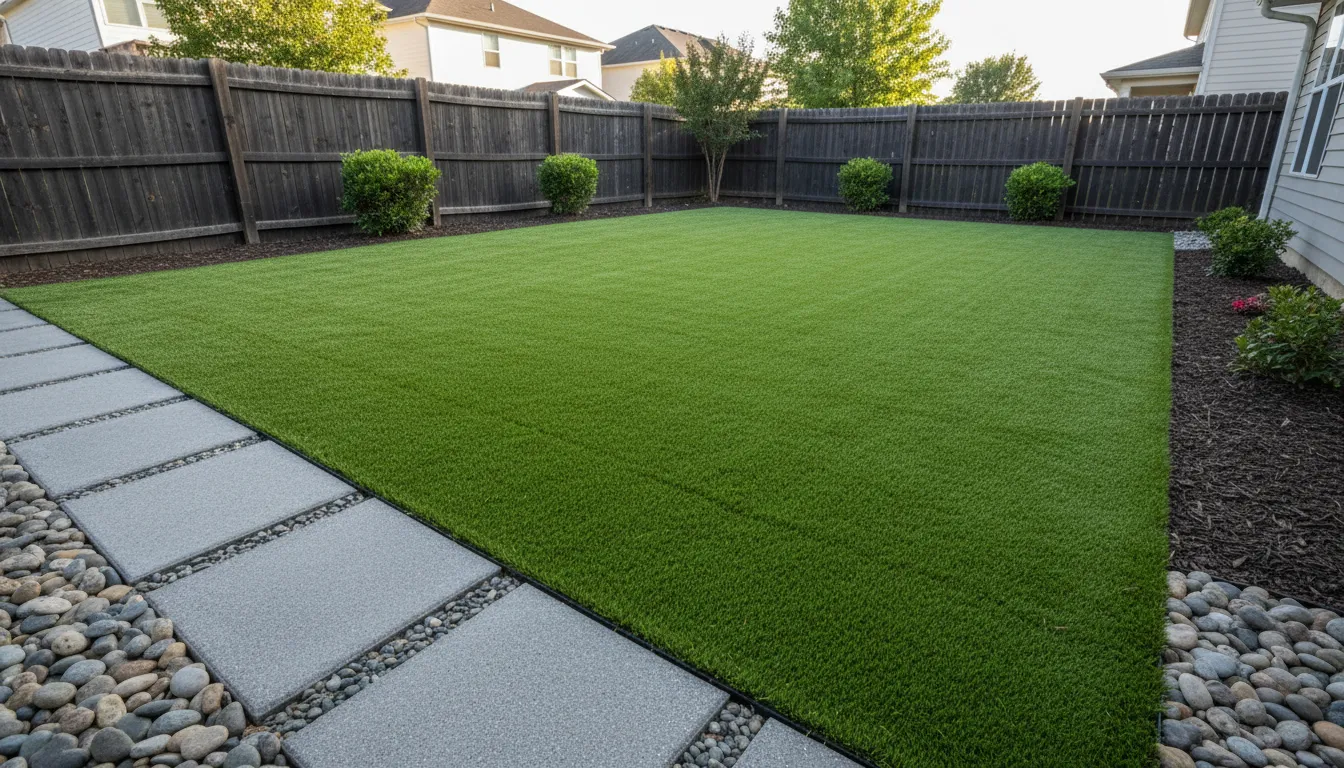
Find the Best Sod and Turf Lawn Installers for Your Business
No obligation • Fast responses • Nationwide coverage

Why you can trust Landscape Atlas
Landscape Atlas is a leading United States resource for evaluating landscaping, lawn care, and outdoor service providers. Our team researches each category in depth, focusing on service quality, safety, and customer experience. Listings and rankings are based on independent criteria and user feedback, and companies cannot pay to influence our assessments or recommendations.
Search providers near you
Top Sod and Turf Lawn Installers in Sparks, Nevada Ranked
Transforming a bare patch of earth into a lush, green lawn is a major upgrade for any Sparks property. Whether you're drawn to the classic look and feel of natural sod or the modern, low-maintenance appeal of artificial turf, professional new lawn installation ensures your outdoor space is beautiful, functional, and built to last. This guide will help you understand the key processes, costs, and considerations for both sod and turf installation, empowering you to make an informed decision and connect with the right local experts for your project.
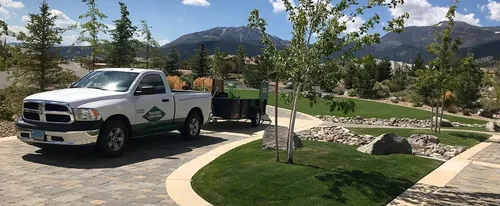
Tailored Lawn Care, LLC
230 Coney Island Dr, Sparks, NV 89431
Tailored Lawn Care, LLC is a lawn and landscaping company based in Reno, NV, offering a wide range of services including lawn mowing, fertilization, weed control, sod installation, artificial turf, landscape design, tree removal, stump grinding, sprinkler installation and repair, and land clearing. They specialize in eco-friendly xeriscaping and provide customized lawn care solutions to enhance residential outdoor spaces. With over 10 years of experience, Tailored Lawn Care is known for its comprehensive services and customer-focused approach, serving clients throughout the Reno area.
Top Tier Turf Company - Reno
870 Deming Way, Sparks, NV 89431
Top Tier Turf Company - Reno is a landscaping and turf installation business serving Reno, NV, and surrounding areas including Sparks, Tahoe, and Sacramento. They specialize in artificial turf installation, hardscaping including pavers and retaining walls, and landscaping services tailored to local environmental conditions. Their offerings include custom putting greens, pet-friendly turf with advanced drainage, xeriscaping for water conservation, and safe playground surfaces. With over 3 million square feet of turf installed, they have extensive experience in creating durable, low-maintenance outdoor spaces that suit a variety of needs and lifestyles.
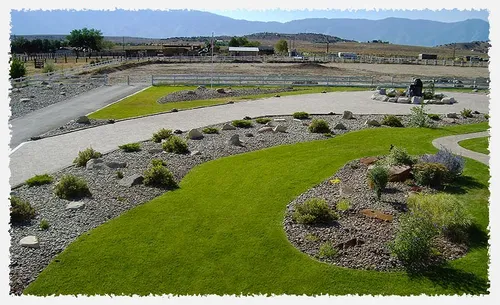
Rock Solid Landscape
Reno, NV
Rock Solid Landscape is a landscaping company based in Reno, NV, specializing in landscape design, hardscaping, artificial turf installation, and outdoor lighting. They create outdoor spaces tailored to Northern Nevada's climate, focusing on durability and functionality. Their services include paver driveways, retaining walls, and subtle outdoor lighting to enhance safety and aesthetics. Established in 2004, Rock Solid Landscape has over 20 years of experience serving Reno, Sparks, and Carson City with customized, climate-appropriate landscaping solutions.
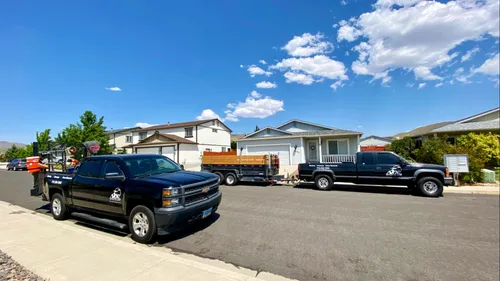
Cold Valley Lawn Services LLC
17775 Blackbird Dr, Reno, NV 89508
Cold Valley Lawn Services LLC is a lawn and landscaping company based in Reno, NV. They offer a range of services including lawn mowing, sod installation, artificial turf, fence installation, landscape design, and hardscaping such as paver walkways and retaining walls. The company serves both residential and commercial clients in Northern Nevada, focusing on basic maintenance and comprehensive landscape installs like xeriscaping and garden bed edging. Cold Valley Lawn Services emphasizes quality work and customer trust, providing free estimates and landscape designs to help clients achieve their ideal outdoor spaces.
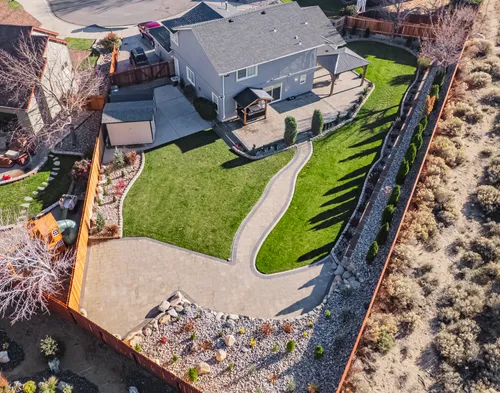
Legacy Landscaping
1811 Spooner Dr, Carson City, NV 89706
Legacy Landscaping is a local landscaping company serving Reno, NV, and the surrounding Northern Nevada region. They provide a wide range of services including landscape design, sod and artificial turf installation, fence installation, sprinkler system installation and repair, hardscaping with pavers and retaining walls, and outdoor living features. The company emphasizes clear communication through a detailed project roadmap that guides clients from design to installation, ensuring transparency throughout the process. With deep roots in the local landscape industry and extensive knowledge of Northern Nevada's soil and water conditions, Legacy Landscaping creates durable, water-wise landscapes tailored to each community's needs.
Understanding Your Lawn Options: Natural Sod vs. Artificial Turf
The first and most significant decision in your new lawn project is choosing between natural grass and synthetic grass. Each option offers distinct benefits and requires a different approach to installation and long-term care. In the arid climate of Sparks, this choice often comes down to balancing aesthetic preference with practical concerns like water usage and maintenance time.
Natural sod provides an instant, living carpet of grass. It offers that authentic feel underfoot, a natural cooling effect, and contributes to the local ecosystem. However, it demands consistent watering, especially during establishment and the hot Nevada summers, along with regular mowing, fertilizing, and seasonal care. Artificial turf, on the other hand, delivers a perpetually green, manicured look with virtually no ongoing maintenance beyond occasional rinsing. It eliminates water bills for irrigation and is ideal for high-traffic areas, pet spaces, or properties where growing grass is challenging.
The Critical First Step: Site Preparation
Regardless of your choice, the success of your new lawn hinges on meticulous site preparation. This phase is arguably more important than the installation of the grass itself, as it ensures proper drainage, a stable base, and long-term durability. Skipping or skimping on prep is a common cause of lawn failure, including pooling water, uneven surfaces, and poor root establishment for sod.
For both sod and turf, the process begins with clearing the area of all existing vegetation, rocks, and debris. The next step is grading-shaping the soil to create a gentle slope away from your home's foundation and other structures. This subtle grade, typically a 1-2% decline, is essential for directing rainwater and irrigation runoff, preventing puddles and potential water damage 1 2.
Preparing for a Natural Sod Lawn
When installing sod, the goal is to create an ideal environment for the grass roots to knit into the native soil. After clearing and grading, the soil must be tilled to a depth of 4-6 inches to loosen compaction. This is followed by amending the soil. In Sparks, native soil is often lean and rocky, so incorporating compost, topsoil, and a starter fertilizer is crucial to provide nutrients and improve moisture retention.
The final step before laying sod is to lightly compact the amended soil with a roller. This creates a firm, level surface that won't settle unevenly after installation. A soft, spongy base will lead to footprints and an uneven lawn once the sod is walked on.
Preparing for an Artificial Turf Lawn
Artificial turf installation requires a more engineered base. The area is typically excavated to a depth of 3-4 inches to accommodate the base materials. After grading the subsoil, a layer of compacted gravel (often ¾" minus road base) is spread and meticulously compacted in layers. This creates an incredibly stable, permeable foundation that will not shift or settle.
A critical component laid over this gravel base is a weed barrier fabric. This geotextile cloth prevents weeds from growing up through the turf while still allowing water to drain through. For areas with particularly poor drainage, additional solutions like a French drain system may be integrated during this stage.
The Installation Process: From Base to Beautiful
With a perfectly prepared base, the installation of your chosen lawn material can begin. This is where the visual transformation happens rapidly.
Sod Installation: Rolls or slabs of pre-grown grass are delivered and must be installed quickly, ideally within 24 hours, to prevent drying and damage. Installers lay the sod in a staggered brick-like pattern, ensuring seams are tight but not overlapping. The sod is then rolled again to ensure excellent soil-to-root contact. The immediate next step is critical: a deep, thorough watering to soak both the sod and the soil beneath it.
Artificial Turf Installation: Rolls of synthetic grass are rolled out over the prepared base and trimmed to fit the space. Seams between rolls are joined using specialized seam tape and adhesive to create an invisible bond. The perimeter of the turf is secured with landscaping spikes or nails. Once secured, an infill material-usually silica sand or a sand/rubber mix-is spread over the turf and brushed deep into the fibers. This infill weighs down the turf, helps the blades stand upright, and provides cushioning 3.
Find the perfect sod and turf lawn installers for your needs
Get personalized recommendations and expert advice
Cost Considerations for Your New Lawn
The investment for a new lawn in Sparks varies significantly based on your choice of material, the size and complexity of your yard, and the quality of installation. Understanding the cost breakdown helps in budgeting and comparing quotes.
- Natural Sod Installation: For a sod lawn, you can expect costs to range from $2 to $6 per square foot, which includes materials, soil amendment, labor, and installation 4 5. The final price depends on the grass variety (some drought-tolerant blends may cost more), the amount of soil amendment needed, and site accessibility.
- Artificial Turf Installation: Artificial turf represents a higher initial investment, with professional installation typically costing between $5 and $20 per square foot 6 7 8. This wide range accounts for the quality and pile height of the turf product, the depth and complexity of the base preparation, and any custom drainage work required. Higher-end turf products with better UV resistance and more natural looks fall at the top of this range.
It's important to view these costs with a long-term lens. While artificial turf costs more upfront, it eliminates ongoing expenses for water, mowing, fertilizing, and reseeding, leading to significant savings over time, especially in a dry climate like Nevada's 9.
Timeline: From Start to Green Finish
How long your project takes depends on the scope and the option you choose.
A professional artificial turf installation for a typical residential yard is often completed in 1 to 3 days, with the lawn ready for immediate use once the adhesive and infill have settled. A sod installation can also be laid in 2 to 5 days for the physical installation, but the timeline for a usable lawn is longer. After installation, sod requires a strict watering schedule for 2-3 weeks to establish roots, and full establishment where it can handle normal foot traffic takes a full growing season.
Local Factors for Sparks Homeowners
Sparks' climate and local programs play a role in your lawn decision. The region's low rainfall and hot summers make water conservation a priority. The Southern Nevada Water Authority (SNWA) and local utilities have historically offered rebates for replacing natural grass with water-smart landscaping, including artificial turf. It's always worth checking current programs, as these incentives can help offset the initial cost of a synthetic lawn.
Furthermore, working with local installers familiar with Northern Nevada soil conditions-which can be rocky and alkaline-is a major advantage. They understand the specific grading challenges and soil amendments needed for success, whether you choose a living lawn or a synthetic one.
DIY vs. Professional Installation
While a DIY approach can save on labor costs, new lawn installation is a physically demanding and technically precise project. For sod, mistakes in soil prep or watering can lead to dead patches and wasted money. For artificial turf, improper base compaction or seam sealing can lead to drainage problems, visible seams, and an uneven surface that wears poorly.
Professional installers bring expertise in grading, base construction, and efficient installation. They have the right tools and knowledge to handle unexpected issues, such as poor subsoil drainage, and can often source higher-quality materials. Their work typically comes with a warranty, providing peace of mind for your investment.
Frequently asked questions
Sources
Footnotes
-
New Lawn Installation | Servicing Reno, Sparks, & Tahoe - https://www.moananursery.com/timely-tips/tm-1-new-lawn-installation/ ↩
-
Sparks, NV's Premier Artificial Turf Distributor | SGW - https://syntheticgrasswarehouse.com/service-areas/sparks-nevada/ ↩
-
Synthetic Turf in Sparks, Nevada - Turf Pros Solution - https://turfprossolution.com/artificial-turf-sparks-nevada/ ↩
-
Grass Installation Cost: What Homeowners Should Know - Ware Landscaping - https://warelandscaping.com/resources/grass-installation-cost ↩
-
Sod Installation Cost San Diego 2025 - https://sodlawn.com/sod-installation-cost-san-diego-2025/ ↩
-
Artificial Turf vs. Real Grass in Las Vegas: Maintenance Cost ... - https://sparklyturf.com/artificial-turf-vs-real-grass-in-las-vegas/ ↩
-
Artificial Grass & Turf Installation - Las Vegas - Advantage Landscape - https://advantagenv.com/artificial-grass-turf-installation/ ↩
-
Artificial Grass Installation Cost: 2025 Price Guide - https://www.installartificial.com/how/cost-of-artificial-grass-installation ↩
-
Artificial Turf Installation: A Smart Way To Save Money - Lawn Kings - https://lawnkingsinc.com/how-artificial-turf-installation-saves-you-money/ ↩