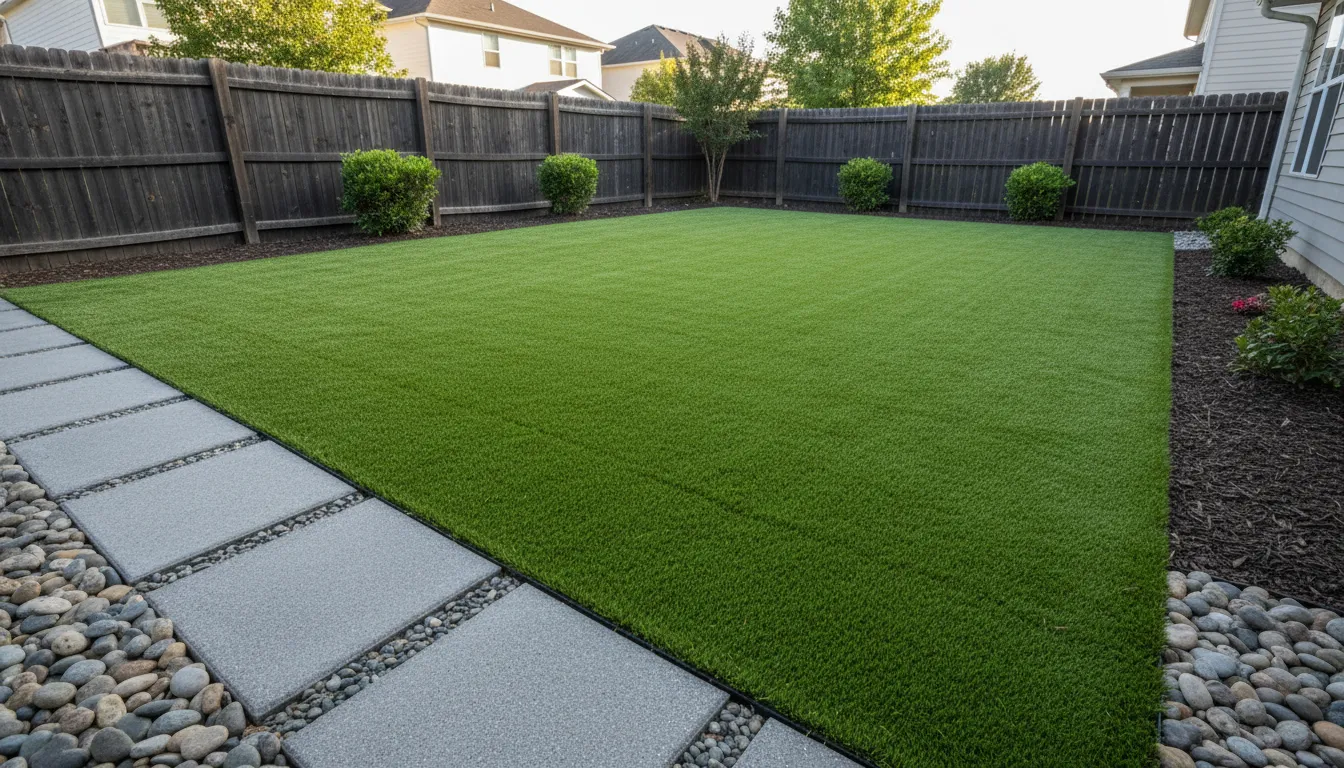
Find the Best Sod and Turf Lawn Installers for Your Business
No obligation • Fast responses • Nationwide coverage

Why you can trust Landscape Atlas
Landscape Atlas is a leading United States resource for evaluating landscaping, lawn care, and outdoor service providers. Our team researches each category in depth, focusing on service quality, safety, and customer experience. Listings and rankings are based on independent criteria and user feedback, and companies cannot pay to influence our assessments or recommendations.
Search providers near you
Top Sod and Turf Lawn Installers in Buffalo, New York Ranked
Transforming a patchy, bare, or tired yard into a lush, green lawn is a major upgrade for any Buffalo home. New lawn installation, whether with natural sod or modern artificial turf, provides immediate curb appeal, a usable outdoor space, and can solve persistent issues like mud and erosion. This process involves critical steps like soil preparation, grading, and drainage-especially important in our local climate. For Buffalo homeowners, understanding the options, costs, and key considerations is the first step toward finding the right local professional to bring your vision to life.
Alliance Landscapes
77 Keever Ave, Lackawanna, NY 14218
Alliance Landscapes is a full-service landscaping company based in Buffalo, NY. They offer a wide range of services including lawn fertilization, weed control, sod installation, artificial turf, landscape design, tree services, land clearing, hardscaping with pavers and retaining walls, and seasonal cleanups. The company is known for providing detailed design plans, including 3D renderings, to help clients visualize their projects. They have experience working on various landscaping needs from residential lawn care to complex outdoor living spaces. Alliance Landscapes also provides snow plow services during winter. The team is recognized for their quality workmanship, attention to detail, and clear communication throughout projects.
CSA Landscaping & Plowing
134 N Linden St, Buffalo, NY 14221
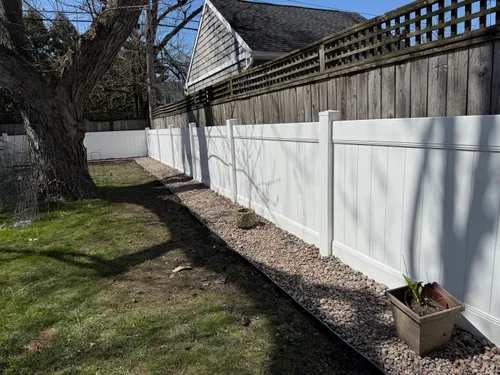
CSA Landscaping & Plowing is a landscaping and snow removal company based near Williamsville, serving Buffalo, NY, and the Western New York region. They provide a broad range of services including lawn maintenance, landscape design, hardscape installation, sod installation, fence building, and outdoor lighting. The company also offers snow plowing and salting services for both residential and commercial properties to manage winter conditions effectively. CSA Landscaping & Plowing supports year-round property care, helping clients with seasonal cleanups, garden care, and outdoor feature construction.
Amherst Landscaping
Buffalo, NY
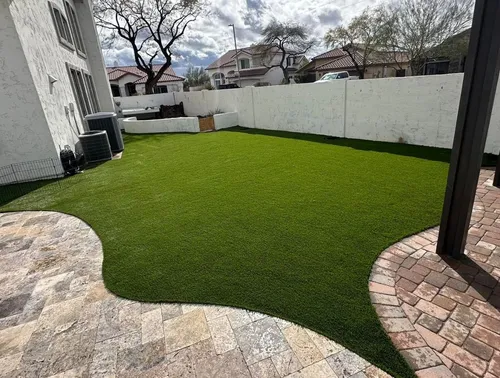
Amherst Landscaping is a landscaping company based in Buffalo, NY, offering a wide range of services including lawn fertilization, weed control, sod installation, fence installation, tree services, land clearing, hardscaping, and snow removal. They provide creative landscape design and maintenance with a focus on precision and customized solutions. With over five years of experience, Amherst Landscaping combines advanced tools and skilled workmanship to deliver projects on time and to client specifications. Their services cover year-round landscape care and snow management.
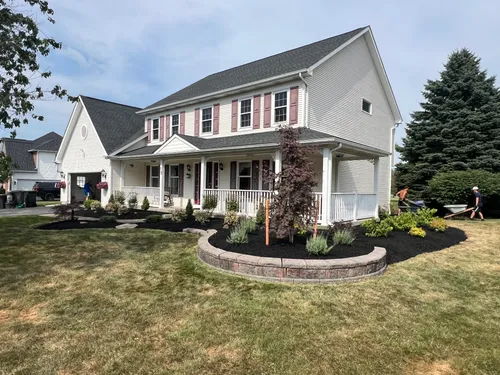
Craig's Landscaping Inc.
Buffalo, NY
Craig's Landscaping Inc. is a locally owned landscaping company serving Buffalo, NY, and the surrounding Western New York region. They offer a wide range of services including landscape design, sod installation, plant installation, bed maintenance, mulching, and hardscaping. The company specializes in addressing local challenges such as drainage issues, harsh weather, and limited sunlight by providing tailored solutions like grading, soil conditioning, and planting climate-appropriate vegetation. With over 15 years of experience, Craig's Landscaping provides full-service landscaping from design to installation and care guidance, ensuring projects are suited to the region's climate and customer needs. They maintain all-season service availability to support clients throughout the year.
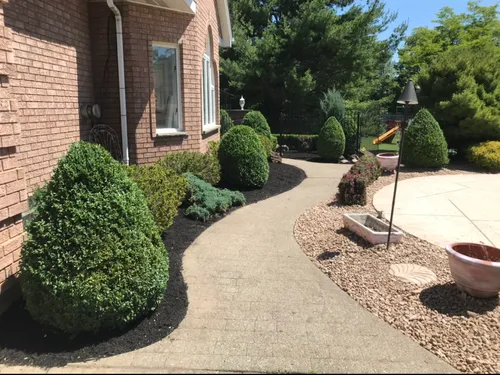
Buffalo Hardscapes Landscaping
5528 William St, Lancaster, NY 14086
Buffalo Hardscapes Landscaping is a landscaping and hardscaping company serving Buffalo, NY, and the surrounding Western New York area. They offer a range of services including sod installation, landscape lighting, landscape design, and hardscaping features such as paver patios and retaining walls. Their capabilities include custom outdoor living spaces with water features and fire pits, as well as complete landscape installations tailored to residential and commercial clients. Founded by a college student and now expanded, the company provides seasonal cleanups, emergency services, and holiday lighting to meet diverse landscaping needs.
Understanding Your Options: Natural Sod vs. Artificial Turf
The core decision in new lawn installation is choosing between natural grass sod and synthetic turf. Each has distinct advantages, maintenance needs, and cost structures that are important to weigh for your specific property.
Natural sod installation involves laying rolls or slabs of pre-grown grass that includes a thin layer of soil and roots. It provides an instant, traditional lawn that feels and smells like the real thing-because it is. It's a living system that requires ongoing care like watering, mowing, and seasonal fertilization but contributes to a cooler local microclimate and supports soil biology.
Artificial turf installation uses synthetic fibers designed to mimic the look of grass, installed over a prepared base. It offers a consistently green appearance year-round with no mowing or watering, making it a popular choice for low-maintenance landscaping, challenging shady areas, or high-traffic zones like pet runs. However, the initial installation is typically more complex and costly.
Why Proper Site Preparation is Non-Negotiable
Regardless of the material you choose, the success and longevity of your new lawn depend almost entirely on the work done beneath the surface. Skipping or skimping on prep is the leading cause of lawn failure, drainage problems, and uneven surfaces down the line.
For both sod and turf, preparation starts with clearing and demolition. This means removing any existing grass, weeds, rocks, and debris. The area must be excavated to the correct depth to accommodate new base materials. The next critical step is grading and sloping. The ground must be carefully shaped to ensure water flows away from your home's foundation and off the lawn surface, preventing pooling and waterlogging. In Buffalo's climate, with its significant precipitation, this is not a luxury-it's a necessity to protect your investment.
Finally, addressing subsurface drainage may be required. In areas with heavy clay soil or poor percolation, installing French drains or catch basins during the prep phase can prevent a soggy, unusable yard.
Find the perfect sod and turf lawn installers for your needs
Get personalized recommendations and expert advice
The Sod Installation Process in Detail
Installing a sod lawn in Buffalo is a multi-stage process that, when done correctly, results in a resilient and beautiful natural grass surface.
Choosing the Right Grass Type
Buffalo's climate falls within the transitional zone, but it leans toward the cooler, northern side. The best choices are cool-season grasses that can withstand cold winters and variable springs and falls. The most common and recommended types for sod include:
- Kentucky Bluegrass: Known for its rich color and dense, soft texture. It spreads well and can repair itself but requires more sun.
- Tall Fescue: A tough, drought-tolerant grass with deep roots, excellent for areas with varying sun and shade. It's known for its durability.
- Fine Fescue: Performs very well in shade and requires less fertilizer, making it a good component in many sod mixes for Buffalo yards.
- Perennial Ryegrass: Germinates quickly, providing a fast green-up. It's often blended with other grasses for wear tolerance and a fine texture 1.
Step-by-Step Installation
- Soil Testing & Amendment: A professional will often recommend a soil test to check pH and nutrient levels. Based on the results, lime or other amendments may be tilled into the subsoil.
- Adding Topsoil: Several inches of high-quality, screened topsoil are spread over the graded subsoil. This layer provides the essential medium for the sod roots to establish and grow into.
- Final Grading & Rolling: The topsoil is graded to the precise final slope and then lightly compacted with a roller to eliminate air pockets and create a firm, smooth bed.
- Laying the Sod: Sod rolls are laid in a staggered brick-like pattern, with seams tightly butted together. They are then rolled again to ensure good soil-to-root contact.
- Initial Watering: The new lawn is soaked thoroughly immediately after installation. Keeping the sod consistently moist for the first two weeks is critical for root establishment 2.
Cost Considerations for Sod
The cost for sod installation in Buffalo typically ranges from $2 to $6 per square foot for materials and professional labor 3. This wide range accounts for factors like:
- Sod Variety: Premium blends or specific grass types may cost more.
- Site Accessibility: Difficult-to-reach backyards can increase labor time.
- Amount of Prep Work: Yards that need significant grading, extra topsoil, or drainage solutions will see higher costs.
- Project Size: There are often economies of scale for larger properties.
The Artificial Turf Installation Process Explained
Artificial turf installation is an engineering project that creates a stable, permeable, and long-lasting surface. The quality of the base construction is even more crucial than with sod.
Critical Base Preparation
The goal is to create a stable, well-draining foundation that will not shift or settle. After excavation, a base of compacted crushed stone or gravel (often 3-4 inches deep) is installed and meticulously graded. This layer is crucial for drainage in Buffalo's wet weather. A layer of fine aggregate or decomposed granite may be added on top and compacted to create a perfectly smooth, hard surface.
Installation and Infill
The synthetic turf rolls are laid out, seamed together, and secured around the perimeter. Once positioned, infill material-usually silica sand or crumb rubber-is brushed deep into the turf fibers. This step is vital as it weighs down the turf, keeps the fibers upright, provides cushioning, and helps with drainage.
Cost Factors for Artificial Turf
Artificial turf has a higher upfront cost, generally ranging from $5 to $20 or more per square foot in Buffalo 4 5. Key variables include:
- Turf Quality: Higher pile height, density, and more realistic-looking fibers command a higher price.
- Base Materials: The type and depth of stone base required.
- Drainage Complexity: Sites with poor natural drainage may require additional systems.
- Labor Intensity: Custom shapes, removing old hardscapes, and navigating tight spaces add to labor costs.
Key Local Factors for Buffalo Homeowners
Buffalo's specific environment plays a huge role in planning a new lawn.
- Climate & Drainage: Our notorious snow and rain make drainage the #1 priority. Proper grading and potentially adding subsurface drains are not optional extras; they are central to a successful installation that won't turn into a swamp or ice sheet.
- Soil Conditions: Much of the soil in the region is clay-based, which drains poorly. Amending soil with organic matter for sod or building a robust stone base for artificial turf are essential steps to counteract this.
- Seasonality: The best time to install sod is during the cooler, moist periods of early fall or spring, giving roots time to establish before summer heat or winter freeze. Artificial turf can often be installed over a broader period, but frozen ground halts all excavation and grading work.
Finding and Working with a Professional
Given the technical nature of grading, drainage, and installation, hiring an experienced professional is strongly recommended.
- Get Multiple Quotes: Seek detailed quotes from several local contractors specializing in lawn installation or landscaping.
- Review the Details: A good quote should break down costs for site preparation (demolition, grading, drainage, topsoil/base), materials (sod type or turf product name), labor, and any warranties.
- Ask for References & Portfolios: Look at examples of their completed work, especially projects that are a few years old, to see how their lawns have held up.
- Verify Licensing and Insurance: Ensure the contractor is properly insured to protect your property during the work.
Frequently asked questions
Sources
Footnotes
-
Best Grass Types for Your Lawn in Buffalo - LawnStarter - https://www.lawnstarter.com/blog/new-york/buffalo-ny/grass-types-buffalo-ny/ ↩
-
How Much Does Sod Installation Cost in Charlotte, NC? - https://www.angi.com/articles/how-much-does-it-cost-lay-sod/nc/charlotte ↩
-
Grass Installation Cost: What Homeowners Should Know - https://warelandscaping.com/resources/grass-installation-cost ↩
-
Establishing a Lawn From Sod - Purdue Extension - https://www.extension.purdue.edu/extmedia/ay/ay-28-w.pdf ↩
-
Cost to install artificial turf in Buffalo, NY - Handoff AI Estimating - https://www.handoff.ai/construction-costs/install-artificial-turf/buffalo-ny ↩