Find the Best Sod and Turf Lawn Installers for Your Business
No obligation • Fast responses • Nationwide coverage
Why you can trust Landscape Atlas
Landscape Atlas is a leading United States resource for evaluating landscaping, lawn care, and outdoor service providers. Our team researches each category in depth, focusing on service quality, safety, and customer experience. Listings and rankings are based on independent criteria and user feedback, and companies cannot pay to influence our assessments or recommendations.
Search providers near you
Top Sod and Turf Lawn Installers in Tulsa, Oklahoma Ranked
Transforming a bare or struggling yard into a lush, green landscape is a major home improvement project. New lawn installation, whether with natural sod or modern artificial turf, provides immediate curb appeal and a usable outdoor space. For Tulsa homeowners, choosing the right material and a qualified installer is crucial for long-term success, given our local climate and soil conditions. This guide details the process, costs, and considerations for sod and turf installation to help you make an informed decision and connect with local professionals who can bring your vision to life.
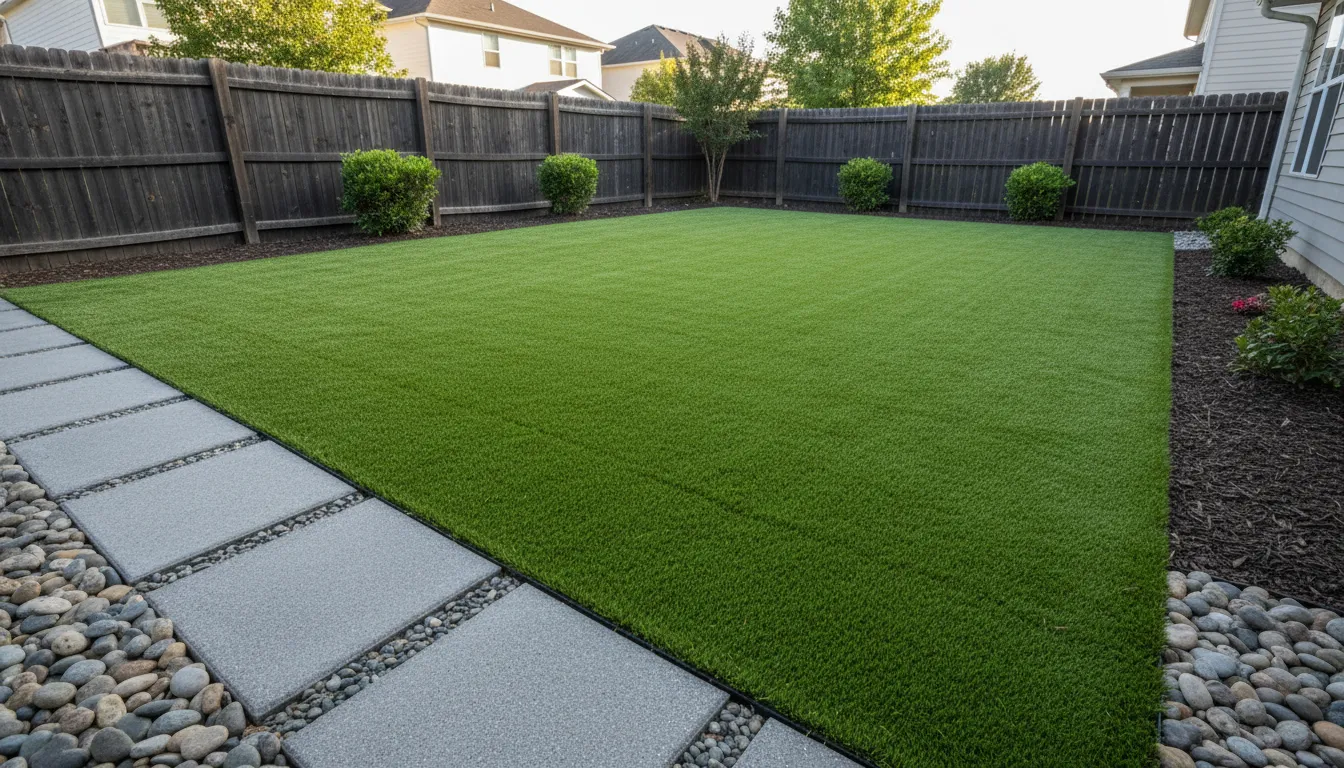
Living Water Outdoor Services | Artificial Turf Tulsa and Private Putting Greens
Tulsa, OK
Living Water Outdoor Services | Artificial Turf Tulsa and Private Putting Greens provides artificial turf installation and yard drainage solutions in Tulsa, OK. They specialize in installing low-maintenance artificial lawns that include grading and drainage features to prevent puddling and water buildup. Their turf products are designed to resist fading and reduce bacteria, making them suitable for families and pets. The company also offers private putting greens as part of their outdoor services.
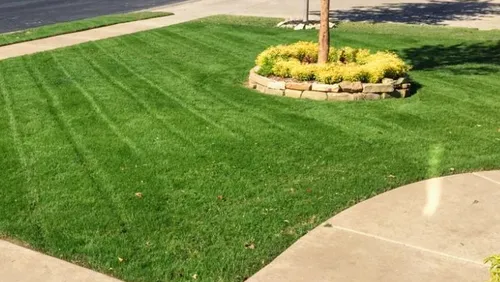
Rockwell Irrigation and Landscaping
Tulsa, OK
Rockwell Irrigation and Landscaping is a locally owned company serving Tulsa, OK, and Broken Arrow. They specialize in irrigation system repair, landscape design, lighting installation, sod installation, and lawn care for residential and commercial properties. With over 10 years of experience, they focus on diagnosing and repairing sprinkler systems to extend their life rather than replacing them unnecessarily. Their services also include professional landscape lighting and seasonal maintenance to enhance outdoor spaces year-round. The owner, Donny, brings local expertise and a hands-on approach to addressing irrigation and landscaping challenges specific to the area.
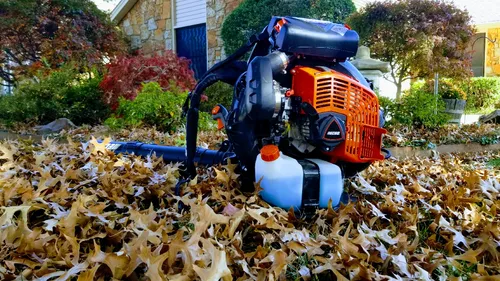
Kickin' Grass & Takin' Names Lawn Care
2629 S Poplar Ave, Broken Arrow, OK 74012
Kickin' Grass & Takin' Names Lawn Care is a lawn care company serving Tulsa, OK, and surrounding areas including Broken Arrow, Mid-Town Tulsa, Bixby, Catoosa, Jenks, and Coweta. They offer a wide range of services such as lawn mowing, edging, trimming, leaf mulching, gutter cleaning, hedge trimming, leaf cleanup, Christmas light installation, sod repair, small tree removal, mulch installation, fertilization, and broadleaf weed control. Founded by Kevin Falcon in 2019, the company builds on over 20 years of experience in lawn care. They provide year-round service and focus on consistent scheduling to fit customers' needs.
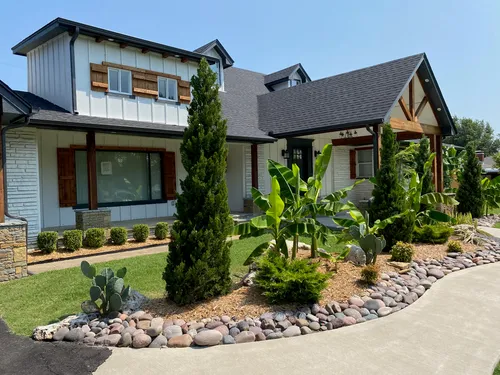
Amigo Landscaping LLC
5755 S 258th E Ave, Broken Arrow, OK 74014
Amigo Landscaping LLC is a full-service landscaping company based in Tulsa, OK. They offer a wide range of services including lawn and landscape maintenance, landscape design and installation, fence and retaining wall construction, deck and patio building, irrigation and drainage solutions, as well as tree and snow removal. Their expertise covers both residential and commercial properties, with capabilities such as sprinkler system installation and French drain installation to manage irrigation and drainage effectively. Amigo Landscaping is known for transforming outdoor spaces into enjoyable environments and provides comprehensive care for lawns and gardens.
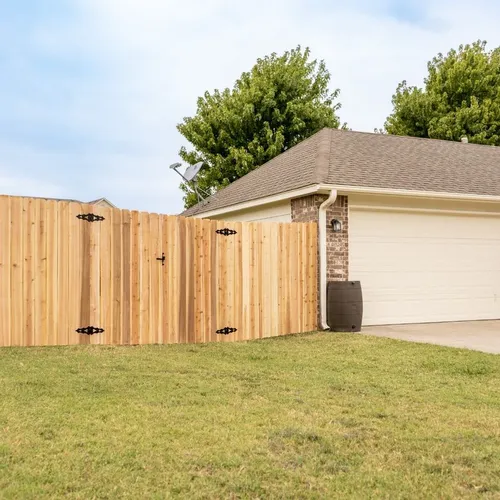
A-2-Z Outdoor Service
500 S Lynn Riggs Blvd Ste 272, Claremore, OK 74017
A-2-Z Outdoor Service is a landscaping and outdoor solutions company based in Tulsa, OK. They offer a comprehensive range of services including fence installation, landscaping, hardscaping, yard drainage, and sod installation. The company serves Tulsa and surrounding areas such as Claremore, Owasso, Broken Arrow, and more, providing tailored solutions that consider local climate and soil conditions. Their capabilities include installing various types of fences, custom firepits, French drains, grading systems, and professional sod installation. With years of experience, A-2-Z Outdoor Service handles multiple outdoor projects with expertise and care.
Understanding Your Options: Natural Sod vs. Artificial Turf
The first major decision in a new lawn project is choosing between natural grass sod and synthetic turf. Each has distinct characteristics, benefits, and maintenance profiles suited for different lifestyles and property needs.
Natural Sod provides the classic look and feel of a real grass lawn. In Tulsa, installers typically use warm-season grasses like Bermuda or Zoysia, which are well-adapted to the local heat and sun exposure. Some blends may include Fescue for areas with more shade. A sod lawn is a living ecosystem that cools the air, produces oxygen, and can handle pet traffic, though it requires a consistent commitment to watering, mowing, and seasonal care.
Artificial Turf, or synthetic grass, offers a consistently green appearance with minimal upkeep. Modern turf products are highly realistic and designed for durability. The installation involves creating a stable base and using specialized infill materials, with options available for pet-friendly or playground applications. It eliminates the need for watering, mowing, and fertilizing, making it a popular choice for low-maintenance landscaping, challenging shady areas, or spaces that see high foot traffic.
The Critical First Step: Site Preparation
Regardless of the material you choose, proper site preparation is the most important factor for a successful and long-lasting installation. This phase often represents a significant portion of the project's labor and cost, especially for complex sites.
- Clearing and Demolition: The existing surface must be completely removed. This includes old grass, weeds, roots, rocks, and any debris. For turf installations, this often means excavating several inches of soil.
- Grading and Slope: The land must be expertly graded to ensure proper water runoff away from your home's foundation. A uniform, smooth surface is critical; for sod, it prevents puddling that can drown grass, and for turf, it ensures a perfectly flat finished product 1.
- Drainage Solutions: If the site has poor drainage, this issue must be addressed before any new surface is installed. Installers may incorporate French drains or other subsurface systems to channel water away, which is essential for the health of a sod lawn and the stability of a turf base 2.
- Soil Work: For sod installation, the existing soil may need amending with compost or topsoil to provide the right nutrient balance and texture for root growth. For artificial turf, the soil is typically replaced with a compacted aggregate base, such as road base or decomposed granite, to create a firm, stable, and permeable foundation.
The Installation Process: From Ground Up to Green Up
Once the site is prepped, the installation of your chosen material begins. The processes differ significantly between sod and turf.
Sod Installation:
- Delivery and Layout: Rolls of fresh sod are delivered and laid in a staggered brick-like pattern to avoid seams lining up.
- Watering and Establishment: The new sod must be watered deeply immediately after installation. The critical rooting period is the first 2-3 weeks, during which the lawn requires consistent, careful irrigation to prevent the seams from drying out 3.
- Initial Use: With proper care, the sod will knit together and root into the soil below, becoming fully established and usable for regular activity within about a month 4.
Artificial Turf Installation:
- Base Compaction: The aggregate base is meticulously leveled and compacted with a plate compactor.
- Turf Rolling and Seaming: Large rolls of synthetic grass are laid out, trimmed, and seamed together using specialized tape and adhesive for an invisible join.
- Infill Application: A layer of infill material (like silica sand or coated sand) is brushed into the turf blades. This weighs down the turf, helps the blades stand upright, and provides cushioning 5.
- Final Grooming: The turf is brushed one final time to evenly distribute infill and fluff up the fibers, resulting in a natural appearance.
Find the perfect sod and turf lawn installers for your needs
Get personalized recommendations and expert advice
Investment and Cost Considerations
The total cost of a new lawn in Tulsa varies widely based on the material, site conditions, and project scale. It's essential to get detailed, site-specific quotes from installers.
Sod Installation Costs: For natural sod, homeowners can expect costs ranging from $2 to $6 per square foot, which typically includes materials, delivery, labor, and standard site preparation 6 7. The final price depends on the grass variety selected and the amount of preparatory work needed, such as adding new topsoil or correcting severe grading issues.
Artificial Turf Installation Costs: Synthetic turf is a larger upfront investment, with prices generally between $8 and $20 or more per square foot for a full professional installation 8 9. This higher cost accounts for the turf product itself, the extensive excavation and base work, specialized infills, and labor. Premium turf products or complex site work will push costs toward the higher end of this range 10.
Factors That Influence Both: Several variables can add substantially to either project:
- Site Accessibility: Difficult-to-reach backyards may increase labor time.
- Soil Removal: Hauling away large amounts of old soil or grass adds disposal fees.
- Major Grading or Drainage: Correcting significant slope or water issues requires heavy equipment and expertise 11.
- Irrigation System: Adding or updating a sprinkler system for a sod lawn is a separate but highly recommended cost.
Choosing and Working with a Tulsa Installer
A successful project hinges on selecting the right professional. Look for installers with specific, verifiable experience in either sod or artificial turf installation.
- Schedule Consultations: Reputable companies will insist on an on-site consultation. This allows them to assess your soil, drainage, sunlight, and scope to provide an accurate quote-not just a rough estimate 12.
- Review Portfolios and References: Ask to see photos of completed local projects similar to yours. Request and contact references to ask about the crew's professionalism, adherence to timeline, and the quality of the finished lawn.
- Understand the Quote: Ensure the written proposal itemizes all costs: demolition, disposal, soil amendments or base materials, the sod/turf product, infill (for turf), labor, and any warranties on materials or workmanship.
- Prepare for the Project: While professionals handle the heavy lifting, you can assist by clearly marking irrigation lines, sprinkler heads, or other underground utilities, and ensuring easy access to the yard.
Long-Term Enjoyment and Care
Your responsibilities begin once the installers leave. A new sod lawn requires a strict watering schedule for the first few weeks, followed by a regular regimen of mowing, fertilizing, and aeration to keep it healthy through Tulsa's seasons. An artificial turf lawn needs minimal but specific care: periodic rinsing to remove dust, brushing to keep blades upright, and spot-cleaning any pet waste. Both, when installed correctly, will provide years of beauty and function to your outdoor living space.
Frequently asked questions
Sources
Footnotes
-
New Sod Installation STEP by STEP! | DIY landscaping. - https://www.youtube.com/watch?v=fYPMQ2o3nH0&t=128 ↩
-
Preparing Your Yard For Fall Sod Installation | Full Guide - https://www.freshsod.com/preparing-your-yard-for-fall-sod-installation/ ↩
-
Tulsa Grading & Sod - Lawn & Sod - VistaScapes & Design - https://vistascapesdesign.com/our-services/grading-sod/ ↩
-
The Ultimate Guide to Artificial Grass Installation - https://www.ergeon.com/blog/post/how-to-install-artificial-grass ↩
-
Artificial Grass & Synthetic Turf Installation in Tulsa, OK - https://synlawnoklahoma.com/installation/ ↩
-
New Lawn Installation Tulsa, Oklahoma - https://www.perfectionoutdoor.com/new-lawn-installation/ ↩
-
Grass Installation Cost: What Homeowners Should Know - Ware Landscaping - https://warelandscaping.com/resources/grass-installation-cost ↩
-
Artificial Turf Installation: A Smart Way To Save Money - Lawn Kings - https://lawnkingsinc.com/how-artificial-turf-installation-saves-you-money/ ↩
-
How Much Does Artificial Turf Cost? A Guide for Homeowners - https://kndlandscaping.com/how-much-does-artificial-turf-cost-a-guide-for-homeowners/ ↩
-
Cost of Artificial Grass Installation - 2024 Price Breakdown - https://www.youtube.com/watch?v=GohvQzEselI&t=1 ↩
-
Residential Sod Installation: Costs, Planning & What to Expect - https://gvt.net/residential-sod-installation-costs-planning/ ↩
-
Artificial Turf - Perfection Outdoor Solutions Tulsa Oklahoma - https://www.perfectionoutdoor.com/artificial-turf/ ↩