Find the Best Sod and Turf Lawn Installers for Your Business
No obligation • Fast responses • Nationwide coverage

Why you can trust Landscape Atlas
Landscape Atlas is a leading United States resource for evaluating landscaping, lawn care, and outdoor service providers. Our team researches each category in depth, focusing on service quality, safety, and customer experience. Listings and rankings are based on independent criteria and user feedback, and companies cannot pay to influence our assessments or recommendations.
Search providers near you
Top Sod and Turf Lawn Installers in Draper, Utah Ranked
Transforming a patch of dirt or an old, tired lawn into a lush, green oasis is a major home improvement project. Whether you choose the natural feel of sod or the low-maintenance appeal of artificial turf, a new lawn installation enhances curb appeal, creates usable outdoor space, and can even improve your property's value. For Draper homeowners, understanding the local process, costs, and considerations is key to a successful project. This guide will help you navigate the essentials of lawn and turf installation, from initial site preparation to final care, so you can make informed decisions and connect with qualified local professionals.

Understanding Your Options: Natural Sod vs. Artificial Turf
The first and most significant decision is choosing between natural sod and synthetic turf. Each has distinct advantages, costs, and long-term care requirements that suit different lifestyles and property goals.
Natural Sod provides an instant, living lawn. It's real grass that's grown on a farm, harvested in rolls or slabs, and installed on your prepared soil. It offers a classic look and feel, cools the surrounding air, and is biodegradable. However, it requires consistent watering, regular mowing, fertilization, and seasonal care to thrive in Draper's climate.
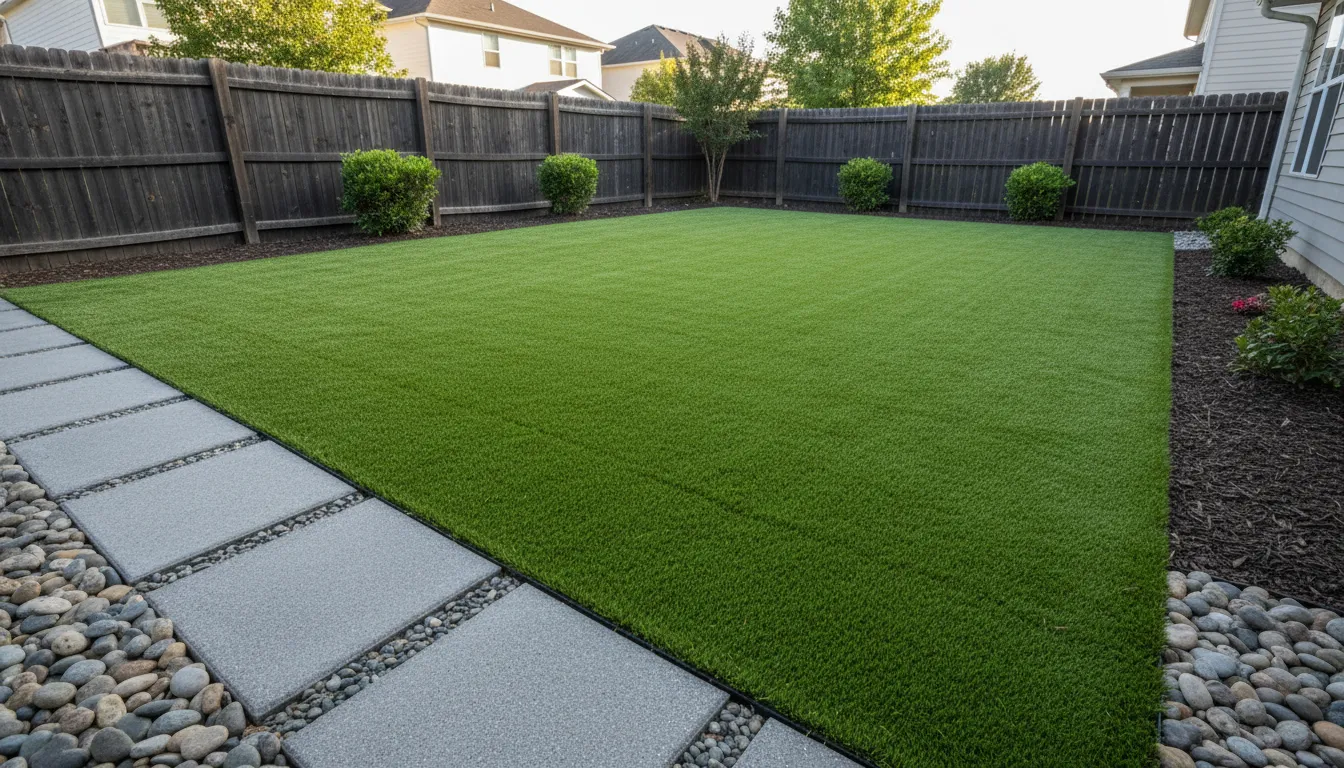
Artificial Turf, or synthetic grass, is a manufactured surface made to look like natural grass. It requires no watering, mowing, or fertilizing, making it an excellent option for low-maintenance landscaping, areas with poor sun exposure, or for homeowners seeking to conserve water. Modern turf products are durable, UV-resistant, and can look surprisingly realistic.
The Critical First Step: Comprehensive Site Preparation
Regardless of your choice, proper site preparation is the non-negotiable foundation for a long-lasting, great-looking lawn. Rushing or skimping on prep is the leading cause of lawn failure or turf issues down the road. The process is intensive and typically involves several key stages.
- Clearing and Removal: The existing surface must be completely removed. This includes killing and stripping away old grass, weeds, and vegetation. All rocks, debris, and any obstacles like old tree stumps or roots need to be cleared from the area.
- Grading and Drainage: This is especially crucial in Draper, where proper slope prevents water from pooling against your home's foundation or creating soggy patches in your yard. The soil is graded to create a gentle slope (typically a 1-2% grade) away from structures to ensure positive drainage 1.
- Soil Work (For Sod): For a natural sod lawn, the existing soil needs to be tilled to a depth of 2-4 inches to loosen it and create a welcoming bed for new roots. A soil test is highly recommended to check pH and nutrient levels; based on the results, amendments like compost, lime, or sulfur are worked into the soil to create optimal growing conditions 2.
- Base Installation (For Turf): Artificial turf requires a more engineered base. After grading, a compacted layer of gravel or decomposed granite is installed. This base provides critical drainage, stability, and a level surface for the turf to be secured to, preventing wrinkles and dips.
This preparation phase can take anywhere from one to five days, depending on the size of the yard, the complexity of the grading, and the amount of material that needs to be removed.
Installation Timelines: What to Expect
Once the site is perfectly prepared, the installation of your chosen material can begin. The timelines for sod and turf differ significantly.
Sod installation is relatively swift. For a typical Draper yard, the actual laying of the sod rolls can often be completed in one to two days. However, the clock starts ticking immediately after installation. Sod must be watered thoroughly within a short window (often 30 minutes) of being laid and kept consistently moist for the first two weeks to prevent the seams from drying out and to encourage root establishment into the soil below.
Artificial turf installation is a more methodical process. While the weather doesn't impact the work, the installation itself takes longer-typically between two to seven days for a full yard. This includes precisely laying the turf, seaming sections together, securing the perimeter, and adding an infill material (like silica sand or crumb rubber) to keep the blades upright and provide cushioning. The result is a immediately usable, weather-independent surface.
Breaking Down the Costs in Draper
Investment is a major factor. Costs vary widely based on yard size, accessibility, the complexity of site prep, and the quality of materials chosen. Here's a general breakdown for the Draper area:
- Natural Sod Installation: The total installed cost for sod typically ranges from $1.70 to $2.60 or more per square foot 3 4. This price usually includes the sod itself, delivery, labor for site preparation (grading, tilling), and installation. The wide range accounts for the cost of soil amendments, the scope of grading work needed, and the type of grass selected (e.g., Kentucky Bluegrass vs. Tall Fescue blends suited for Utah) 5.
- Artificial Turf Installation: This is a more significant upfront investment, with total installed costs commonly ranging from $5 to $15 or more per square foot 6 7. The higher cost reflects the price of the synthetic material itself, the more complex and layered base preparation required for drainage, and the detailed labor involved in cutting, seaming, and finishing the turf.
Find the perfect sod and turf lawn installers for your needs
Get personalized recommendations and expert advice
The Homeowner's Role & Working with Professionals
A successful new lawn is a partnership. As the homeowner, your primary roles are in the planning and decision-making stages: defining your budget, choosing the type of lawn (sod or turf), selecting specific grass varieties or turf products, and obtaining the necessary permits if your project is extensive. You may also handle clearing light debris beforehand. The heavy lifting-operating tillers and graders, executing precise grading plans, and performing the skilled installation-should be left to experienced contractors.
When vetting professionals in Draper, look for those with specific experience in lawn installation. Ask for local references, proof of insurance, and detailed written estimates that break down costs for preparation, materials, labor, and any warranties offered on materials or workmanship. A reputable installer will always visit your property to assess drainage, soil conditions, and sunlight before providing a quote.
Long-Term Care and Local Considerations
Your responsibilities shift to maintenance once the installation is complete.
- Caring for New Sod: The first few weeks are critical. Follow a strict watering schedule to keep the soil moist several inches deep. Avoid heavy foot traffic until the roots have firmly knit into the soil, which usually takes 2-3 weeks. Your first mowing should happen once the grass reaches about 3 inches tall. Following a Northern Utah turfgrass management calendar for seasonal fertilization, aeration, and watering adjustments is key to long-term health.
- Maintaining Artificial Turf: Maintenance is minimal but necessary. Regularly brush the turf to keep the blades standing upright and redistribute the infill. Rinse it occasionally to remove dust and pollen. Promptly clean up pet waste and inspect the surface for any damage from sharp objects.
A local pro-tip for Draper homeowners: Fall is an excellent time to install sod in Northern Utah. The cooler temperatures and (typically) more consistent autumn rainfall reduce heat stress on the new grass and aid in root establishment before winter 8. Artificial turf can be installed almost any time of year, as it is not dependent on growing conditions.
Frequently asked questions
Sources
Footnotes
-
Prepare Soil For Sod | Complete Guide From Ideal Rockaway! - https://idealrockaway.com/blog/how-to-prepare-soil-for-sod-complete-guide/ ↩
-
How to Prepare Soil for Sod | Site Preparation Tips - Saratoga Sod Farm - https://www.saratogasod.com/tips-resources/site-preparation/ ↩
-
Sod Installation in Draper, UT - https://sprinklerwork.com/draper/services/landscaping/sod-installation ↩
-
Sod Installation in Utah County, UT - https://sprinklerwork.com/utah-county/services/landscaping/sod-installation ↩
-
How Much Does it Cost to Lay Sod in 2026? - Lawn Love - https://lawnlove.com/blog/sod-cost/ ↩
-
Draper | The Turf Yard - https://theturfyard.com/service-areas/utah/draper/ ↩
-
How Much Does Artificial Turf Cost? A Complete Guide - https://www.re-thinkingthefuture.com/technologies/gp2931-how-much-does-artificial-turf-cost-a-complete-guide/ ↩
-
Northern Utah Turfgrass Management Calendar | USU - https://extension.usu.edu/yardandgarden/research/northern-utah-turfgrass-management-calendar ↩