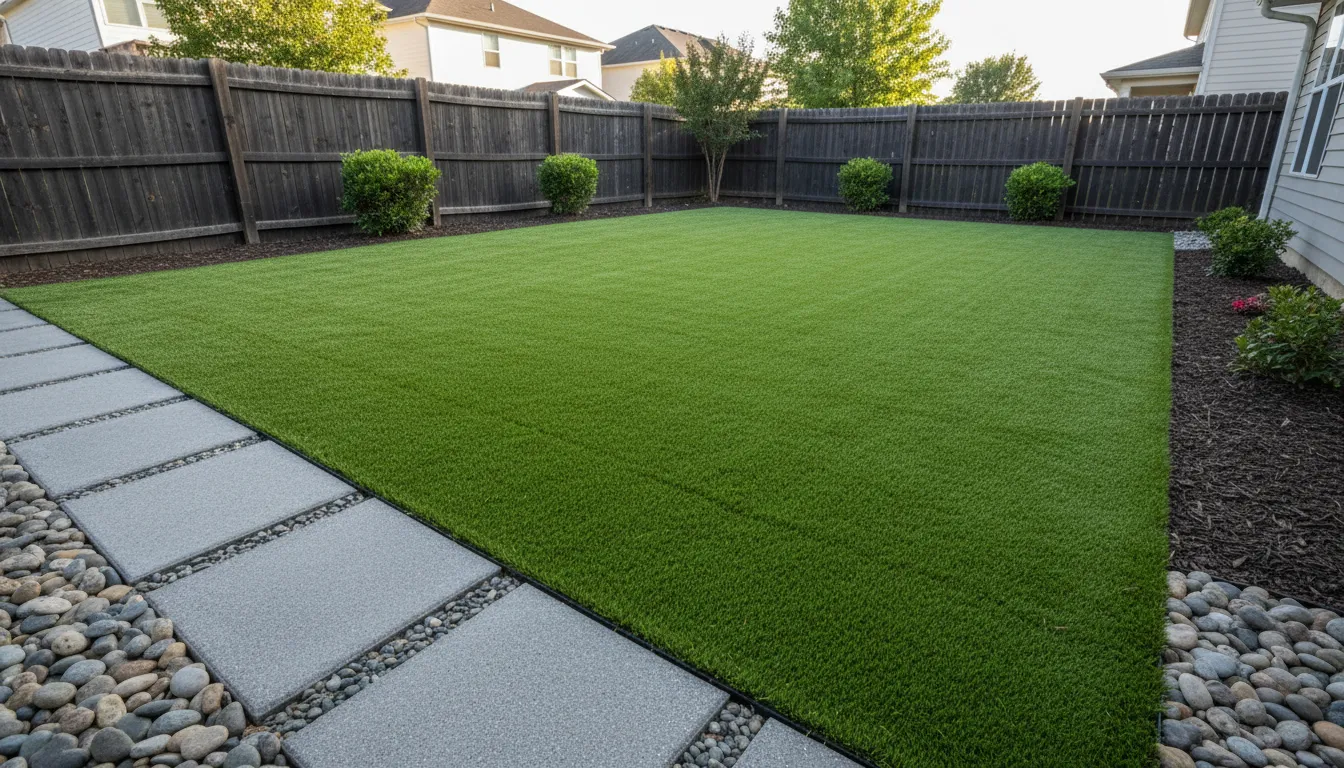
Find the Best Sod and Turf Lawn Installers for Your Business
No obligation • Fast responses • Nationwide coverage

Why you can trust Landscape Atlas
Landscape Atlas is a leading United States resource for evaluating landscaping, lawn care, and outdoor service providers. Our team researches each category in depth, focusing on service quality, safety, and customer experience. Listings and rankings are based on independent criteria and user feedback, and companies cannot pay to influence our assessments or recommendations.
Search providers near you
Top Sod and Turf Lawn Installers in Portsmouth, Virginia Ranked
Transforming a patchy, bare, or problematic yard into a lush, green landscape is a major home improvement project. In Portsmouth, Virginia, new lawn installation-whether with natural sod or artificial turf-requires careful planning to address the region's unique soil and drainage challenges. This guide explains the key considerations for turf and sod installation, helping you understand the process, costs, and long-term care so you can make an informed decision and connect with qualified local professionals for your project.
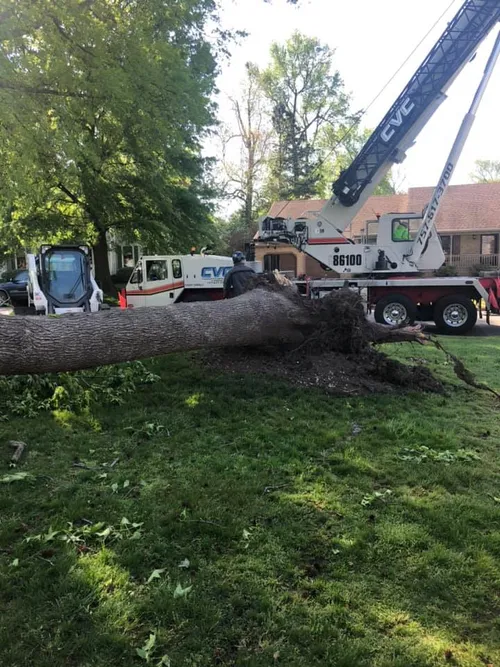
Aubrey's Tree Service & Landscaping
630 Carter Rd, Chesapeake, VA 23322
Aubrey's Tree Service & Landscaping is a family-owned business serving Chesapeake, VA, and the Hampton Roads area for over 25 years. They offer a wide range of services including tree removal, stump grinding, landscape design and installation, hardscaping, sod installation, irrigation, drainage system installation, and lot clearing. Their team is certified by OSHA and ISA and provides 24/7 emergency tree services to address urgent needs promptly. With extensive experience and comprehensive capabilities, they handle projects from concept to completion, including commercial and residential properties.

Impact Landscaping
5041 Jakeman St, Virginia Beach, VA 23455
Impact Landscaping is a landscaping company based in Virginia Beach, VA, offering a wide range of outdoor services including sod and artificial turf installation, fence and hardscape construction, landscape lighting, tree and yard maintenance, sprinkler system installation, and land clearing. They specialize in custom garden design, concrete and paver work, and drainage solutions using industry-leading products. The team also provides property rehabilitation and real estate rescue services to restore and enhance outdoor spaces. Impact Landscaping partners with local experts for irrigation and custom deck and fence installations to deliver comprehensive outdoor improvements. Their skilled crew focuses on quality craftsmanship and personalized service, working on projects throughout Virginia Beach and nearby areas. Phone support is available 24/7, and they operate on-site daily from dawn to dusk.
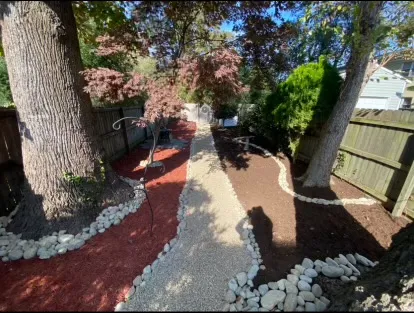
Tk’s Landscaping
1446 Dam Neck Rd, Virginia Beach, VA 23452
Tk's Landscaping is a landscaping and lawn care company based in Virginia Beach, VA. They offer a range of services including lawn fertilization, weed control, sod installation, artificial turf, landscape design, tree removal, stump grinding, land clearing, brush removal, and mulch installation. Their work covers both new lawn establishment and ongoing yard maintenance, with a focus on improving curb appeal and soil health through quality mulch and plant care. The company is known for attentive project planning and thorough cleanup, with a reputation for accommodating customer needs efficiently.
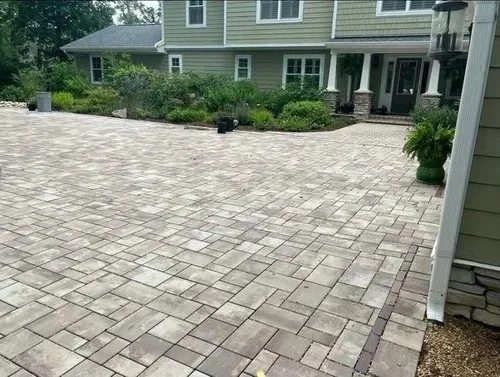
All Things Green
2500 Performance Ct Ste 400, Virginia Beach, VA 23453
All Things Green is a family-owned landscaping and irrigation company based in Virginia Beach, VA. Serving Virginia Beach, Chesapeake, and Southside, VA, they offer a wide range of services including lawn care, synthetic turf installation, hardscaping, sprinkler installation and repair, and landscape design. With over two decades of experience, they provide services to both residential and commercial clients, focusing on creating functional and attractive outdoor spaces.
Greensward Solutions
900 Commonwealth Pl #200, Virginia Beach, VA 23464
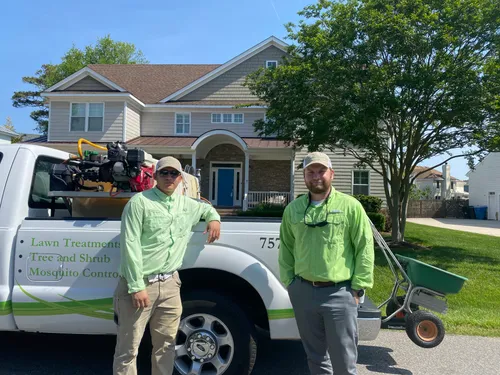
Greensward Solutions is a lawn care company based in Virginia Beach, VA, offering a range of services including lawn fertilization, weed control, sod installation, artificial turf installation, tree services, and stump grinding. They provide tailored lawn treatments such as a 7 Step Fescue Program, aeration and seeding, and nutsedge control, focusing on science-driven, environmentally friendly practices to improve lawn health and appearance. Greensward Solutions has been serving the area for several years, with a strong emphasis on soil testing and customized care plans to address the unique needs of each lawn.
Understanding Your Options: Natural Sod vs. Artificial Turf
The first major decision in a new lawn project is choosing between natural sod and synthetic turf. Each offers distinct benefits and requires a different approach to installation and maintenance.
Natural sod provides an instant, living lawn. It's real grass that has been pre-grown on a farm, harvested in rolls or slabs, and installed on your prepared soil. It offers the classic look, feel, and environmental benefits of real grass, such as cooling the air and supporting soil microbes. However, it requires consistent watering, mowing, and seasonal fertilization to thrive in the Hampton Roads climate.
Artificial turf, or synthetic grass, is a manufactured surface designed to look like natural grass. It's made from synthetic fibers and a backing that allows for drainage. The primary appeal is its low maintenance; it requires no watering, mowing, or fertilizing, providing a consistently green appearance year-round. The initial investment is typically higher, but it can be a cost-effective solution over time, especially for areas with poor soil, heavy shade, or high foot traffic.
Critical First Step: Site Preparation and Soil Analysis
Regardless of which material you choose, proper site preparation is the most critical factor for a successful, long-lasting installation. In Portsmouth, this process often begins with addressing the area's prevalent heavy clay soil, which can lead to poor drainage and compaction issues 1.
The first phase is removal and excavation. Existing grass, weeds, and the top 2-4 inches of soil must be completely removed. This eliminates competition and prevents old root systems from causing uneven settling later on 2. For a fresh start, this step is non-negotiable.
Next comes soil amendment and grading, which is particularly vital for natural sod. The existing subsoil is typically tilled to a depth of 4-6 inches. To combat clay density and improve structure, organic material like compost or topsoil is mixed in 3. This creates a fertile, aerated bed that allows new sod roots to penetrate deeply and establish themselves.
For artificial turf, the preparation shifts to creating a stable, draining base. After excavation, a geotextile weed barrier is laid to prevent any future weed growth 4. Then, a 3-inch layer of a compactible aggregate, like road base or decomposed granite, is spread and meticulously compacted. This creates a rock-solid, level platform that ensures proper drainage and prevents the turf from shifting or becoming lumpy 5.
The Portsmouth Priority: Managing Drainage and Grading
Proper drainage isn't just a recommendation in Portsmouth; it's a necessity to protect your home's foundation and prevent a soggy, unusable yard. The flat topography and clay soil common in the area can lead to water pooling, especially after heavy rains 6.
Grading for Runoff: The fundamental rule is that your soil should slope away from your home's foundation. Professionals aim for a drop of at least 2-3 inches for every 10 feet of distance 7. This gentle grade directs surface water away from your house and toward appropriate drainage points or landscaped areas.
Integrated Drainage Solutions: For low-lying spots or properties with severe clay content, basic grading may not be enough. In these cases, installers may integrate subsurface solutions like French drains (gravel-filled trenches with perforated pipe), swales (shallow grassy channels), or catch basins to actively collect and redirect water 8. Addressing these issues during the initial installation prevents costly repairs later.
Material-Specific Drainage: With natural sod, water infiltrates the soil, so a well-leveled but not overly compacted surface is key 9. For synthetic turf, drainage happens through the material itself; water passes through the turf blades, through small holes in the backing, and into the permeable aggregate base below 10. The quality of the turf backing and the installation of the base are crucial for preventing puddles on your artificial lawn.
The Installation Process: What to Expect
A professional new lawn installation for an average-sized residential yard in Portsmouth typically takes 1-3 days from start to finish 11. The timeline can extend for larger properties or sites requiring complex drainage work.
Day 1 is usually dedicated to the heavy work: removal of old grass and soil, excavation, and rough grading. For turf projects, this includes laying and compacting the aggregate base.
Day 2 involves fine-tuning. For sod, this is the final soil leveling (often called "screeding") and the actual laying of the sod rolls. Installers stagger the seams like bricks and ensure tight edges. For artificial turf, this day involves rolling out the synthetic grass, trimming it to fit precisely around edges and obstacles, and seaming sections together with specialized tape and adhesive.
Day 3, if needed, involves finishing touches. For sod, this includes a thorough initial watering and a final roll with a lawn roller to ensure good soil-to-root contact. For turf, the final step is spreading and brushing in the infill-usually silica sand or crumb rubber-which helps keep the blades upright, adds weight, and aids in drainage 12.
Find the perfect sod and turf lawn installers for your needs
Get personalized recommendations and expert advice
Cost Considerations for Portsmouth Homeowners
The total cost of a new lawn is highly variable, depending on the size of your yard, the amount of site preparation needed, the quality of materials, and any additional drainage work. It's always wise to get detailed estimates from several licensed local contractors 13.
As a general range, installed natural sod in Portsmouth typically costs between $2 and $6 per square foot 14 15. This means a 1,000-square-foot lawn could range from $2,000 to $6,000. The lower end might apply to a simple, small area with minimal prep, while the higher end accounts for larger yards, significant soil amendment, or complex grading.
Artificial turf installation has a wider price range, usually between $5 and $20 per square foot installed 16 17. For that same 1,000-square-foot area, you might invest between $5,000 and $20,000. The cost is driven by the quality and pile height of the turf product, the complexity of the sub-base installation, and the longevity of the materials and warranties offered.
Choosing the Right Grass for Your Lifestyle
Selecting the specific product is a key part of the planning process.
For natural sod, choosing a grass type suited to our region is essential. Turf-type Tall Fescue is a popular cool-season grass that performs well here. For a more drought-tolerant, warm-season option, Zoysia grass is also available and can handle the heat of Virginia summers 18. A reputable installer can help you choose based on your yard's sun exposure and your desired maintenance level.
For artificial turf, you'll choose based on pile height (how long the grass blades are), density (how many blades per square inch), and color. Higher-end turf features a mix of green shades and brown thatch fibers for a more natural look. Reputable installers will provide physical samples so you can see and feel the options in your own space 19.
Long-Term Care and Maintenance
Your responsibilities change dramatically after installation depending on your choice.
A new sod lawn requires diligent care to establish its root system. For the first two weeks, it needs daily watering to keep the soil consistently moist. After that, you transition to a schedule of less frequent but deeper watering to encourage roots to grow down 20. You'll also begin a regular regimen of mowing, seasonal fertilization, and aeration to keep it healthy.
Artificial turf requires a different kind of care. It needs no water, mow, or feed. Maintenance involves occasionally brushing the fibers with a stiff broom or power brush to keep them upright and prevent matting 21. You may also need to rinse it off periodically to remove dust or pollen, and spot-clean any pet waste. A well-installed high-quality turf can last 15-20 years with proper care 22.
Frequently asked questions
Sources
Footnotes
-
How to Prepare Soil for Sod - A Step-by-Step Guide - NG Turf - https://ngturf.com/soil-prep-guide/ ↩
-
Artificial Turf Installation Guide - https://www.artificialgrassliquidators.com/how-to-install-artificial-grass/ ↩
-
How to Prepare Soil for Sod Installation in Virginia - https://www.meadowsfarms.com/blog/lawn-sod-preparation-maintenance/ ↩
-
Underlay for Artificial Grass on Soil: Top 5 Essential Tips - https://maslandscaping.com/underlay-for-artificial-grass-on-soil/ ↩
-
Artificial Turf Installation: A Smart Way To Save Money - https://lawnkingsinc.com/how-artificial-turf-installation-saves-you-money/ ↩
-
Wet Yard - Solving Drainage Problems | Northern Virginia Soil ... - https://www.fairfaxcounty.gov/soil-water-conservation/drainage-problem-wet-yard ↩
-
Proper Yard Grading for Drainage: Essential Tips for MD & VA ... - https://www.bluecollarscholars.net/yard-grading-for-drainage/ ↩
-
Expert Landscape French Drain Installation in Northern Virginia - https://luxcando.com/solutions/french-drain/ ↩
-
Prepare Your Lawn for Sod Installation: A Step-By-Step Guide - https://www.southdallasturfandsupply.com/blog/prepare-your-lawn-for-sod/ ↩
-
Fake Grass in Portsmouth, Virginia | Turf Pros Solution - https://turfprossolution.com/synthetic-turf-portsmouth-virginia/ ↩
-
#1 Best Rated New Lawn Installation Company In Hampton, Virginia - https://www.757ole.com/new-lawn-installation/ ↩
-
Base for Artificial Turf: Essential Guide to Installation - https://pristinelandscapingandlighting.com/base-for-artificial-turf-essential-guide-to-installation/ ↩
-
Find sod installation companies in Portsmouth, VA - HomeGuide - https://homeguide.com/va/portsmouth/sod-installation/ ↩
-
Grass Installation Cost: What Homeowners Should Know - https://warelandscaping.com/resources/grass-installation-cost ↩
-
How Much Does it Cost to Lay Sod in 2026? - Lawn Love - https://lawnlove.com/blog/sod-cost/ ↩
-
Grass Installation Cost: What Homeowners Should Know - https://warelandscaping.com/resources/grass-installation-cost ↩
-
Artificial Grass Cost | Installation and Cost vs Natural Grass - https://www.duralawn.ca/artificial-grass-cost.html ↩
-
Artificial Grass Installation at Lowe's - https://www.lowes.com/l/install/artificial-grass ↩
-
How to Lay Artificial Grass: Step-by-Step Guide to Fake Grass Installation - https://www.selcobw.com/blog/how-to-lay-artificial-grass ↩
-
Sod Tips for Maintenance and Measuring Sod 804-883-6338 - https://www.brookmeadesod.com/all-about-sod/ ↩
-
How Much Does Synthetic Artificial Grass Cost? [2025] - https://hipages.com.au/article/how_much_does_synthetic_grass_cost ↩
-
Artificial Grass For Sale in Charlotte, NC | SYNLawn North Carolina - https://www.carolinaartificiallawns.com/artificial-grass/ ↩