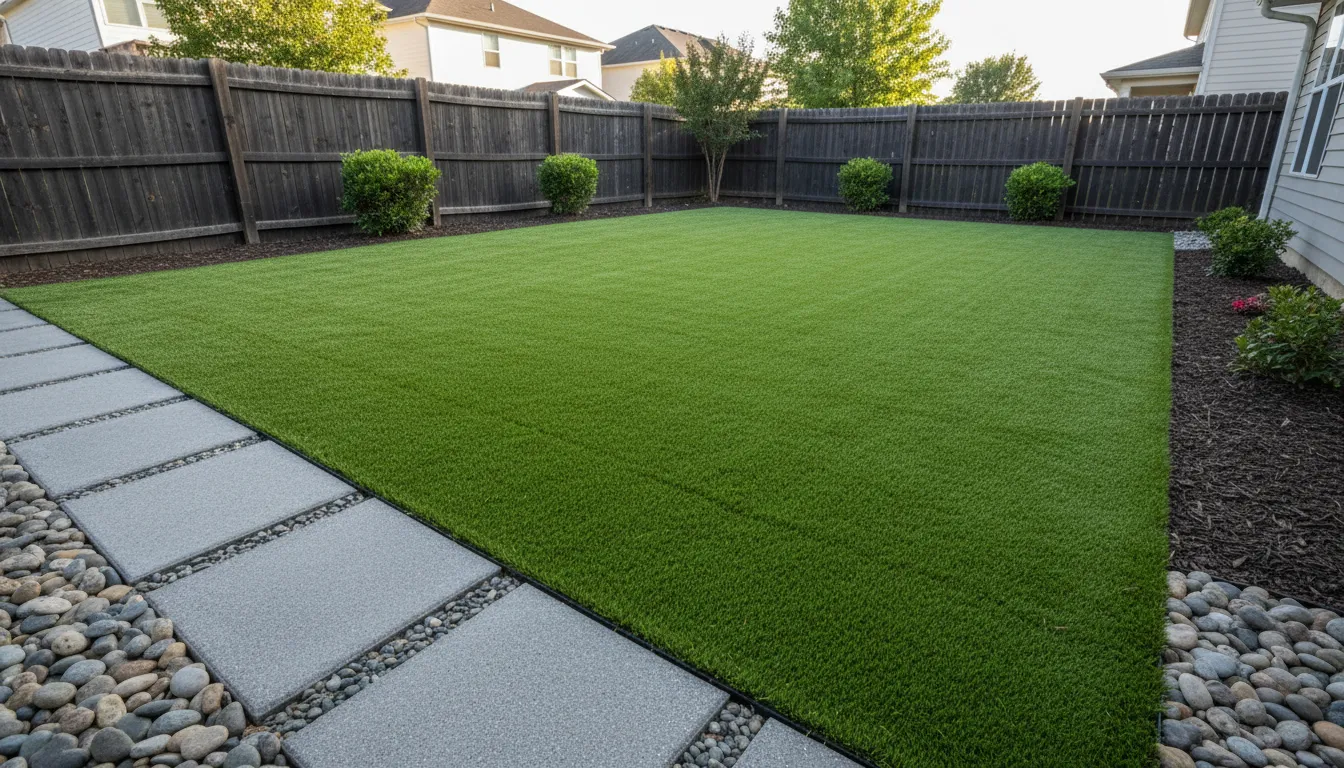
Find the Best Sod and Turf Lawn Installers for Your Business
No obligation • Fast responses • Nationwide coverage

Why you can trust Landscape Atlas
Landscape Atlas is a leading United States resource for evaluating landscaping, lawn care, and outdoor service providers. Our team researches each category in depth, focusing on service quality, safety, and customer experience. Listings and rankings are based on independent criteria and user feedback, and companies cannot pay to influence our assessments or recommendations.
Search providers near you
Top Sod and Turf Lawn Installers in Auburn, Washington Ranked
Transforming a patchy, muddy, or barren yard into a lush, green space is a major home improvement. New lawn installation, whether with natural sod or modern artificial turf, provides an instant upgrade to your property's curb appeal and usability. This guide explains the key processes, costs, and considerations for installing a new lawn in Auburn, helping you understand what to expect and how to find qualified local professionals for your project.
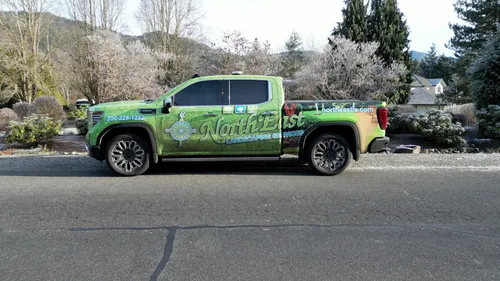
North East Landscaping Services
12259 155th Ave SE, Renton, WA 98059
North East Landscaping Services is a family-owned landscaping company with over 20 years of experience serving residential and commercial clients in Seattle, WA. They provide a comprehensive range of outdoor services including lawn care, fertilization, weed control, sod and artificial turf installation, fence and deck construction, landscape lighting, tree services, yard drainage, sprinkler installation and repair, as well as hardscaping like pavers and retaining walls. The company emphasizes quality workmanship and building lasting relationships with clients, handling projects of all sizes with care and honesty.
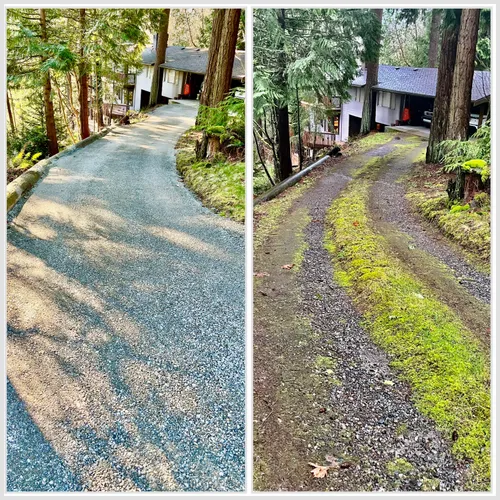
Precision Landscape LLC
16203 122nd Ave SE, Renton, WA 98058
Precision Landscape LLC is a landscaping company based in Seattle, WA, offering a wide range of services including sod installation, artificial turf, tree removal, stump grinding, yard drainage, grading, land clearing, and brush removal. Serving residential and commercial clients throughout King County, they provide customized landscaping solutions supported by specialized equipment to improve efficiency and project outcomes. Their capabilities include comprehensive tree services and land clearing to prepare properties for various uses. With over 15 years of experience, Precision Landscape LLC is licensed, bonded, and insured to handle diverse landscaping needs.
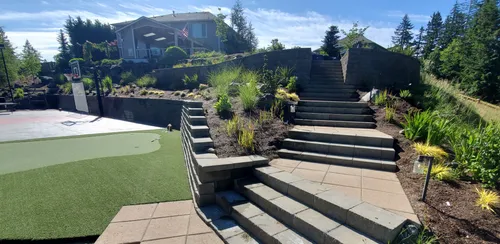
Hone Landscape Company
31604 NE 40th St, Carnation, WA 98014
Hone Landscape Company is a landscaping and hardscaping contractor serving Seattle, WA, and nearby communities. They offer a full range of services including landscape design, sod and artificial turf installation, outdoor lighting, yard drainage solutions, and the construction of patios, retaining walls, and driveways. The company emphasizes a principles-based approach focused on clear communication and integrity. They have experience managing drainage problems and creating sustainable landscapes, ensuring projects are completed from design through installation with detailed estimates and ongoing customer updates.
Lee's General Landscaping and Yard Clean Up
12224 5th Ave S, Seattle, WA 98168
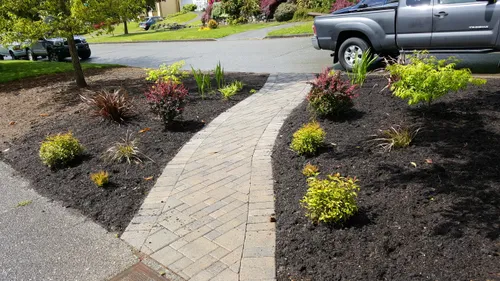
Lee's General Landscaping and Yard Clean Up is a family-owned landscaping company serving Seattle, WA, and the surrounding King County area. With over 30 years of experience, they offer a wide range of services including lawn mowing, fertilization, weed control, sod installation, fence and landscape lighting installation, tree removal, yard drainage, sprinkler system work, land clearing, and hardscaping such as patios and retaining walls. They specialize in comprehensive landscape design and construction, handling projects from small garden beds to full outdoor living spaces. The company is known for managing invasive plant removal and providing custom solutions tailored to various landscape styles.
Economy Landscaping
9052 3rd Ave SW, Seattle, WA 98106
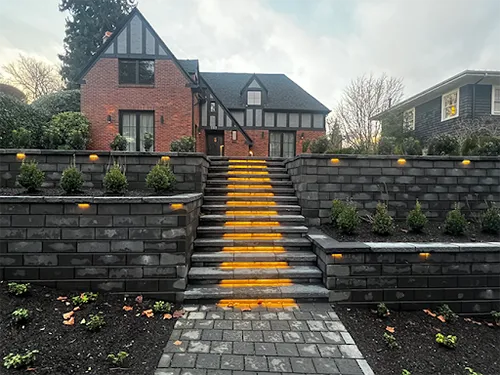
Economy Landscaping is a landscaping company based in Seattle, WA, offering a wide range of outdoor services for homes and businesses. They provide landscape design, hardscaping, fence installation, artificial turf installation, irrigation systems, landscape lighting, and yard drainage solutions. Their work includes custom patios, retaining walls, paver walkways, and sustainable landscaping tailored to the Pacific Northwest climate. With over 30 years of experience, Economy Landscaping serves Seattle and surrounding areas including Bellevue, Issaquah, and Redmond, focusing on durable, eco-friendly outdoor spaces that blend beauty with functionality.
Understanding Your Lawn Installation Options
In Auburn, homeowners typically choose between two primary methods for establishing a new lawn: laying natural sod or installing synthetic turf. Each offers distinct advantages and involves different preparation, maintenance, and long-term value.
Sod Installation provides an "instant lawn" of living grass. Rolls of pre-grown turf are delivered and laid onto prepared soil, offering immediate greenery and soil stabilization. It's a popular choice for those who prefer the natural look and feel of real grass but don't want to wait for seed to germinate.
Artificial Turf Installation involves laying synthetic grass over a prepared base. This option has gained significant popularity for its low maintenance and consistent appearance year-round, regardless of weather. It's ideal for areas with heavy use, poor growing conditions, or for homeowners seeking to reduce water usage.
The Critical First Step: Site Preparation
Regardless of the material you choose, proper site preparation is the most crucial factor for a successful and long-lasting lawn installation. Skimping on prep work is the leading cause of lawn failures, from drainage issues to uneven surfaces.
Removal and Excavation: The first task is to clear the area. Existing grass, weeds, roots, and debris must be completely removed. For a proper base, contractors typically excavate 2 to 4 inches of soil. This creates the necessary space for the foundational materials that ensure drainage and stability.
Grading and Drainage: The subgrade must be carefully shaped or graded. Proper grading ensures water flows away from your home's foundation and prevents pooling in the middle of your yard, which can drown sod roots or create puddles on artificial turf. In some cases, soil amendments are added to improve the grade 1. Extensive grading can add $0.08-$2 per square foot to a project's cost 2.
Base Installation: This step differs significantly between sod and synthetic turf.
- For Sod: A layer of high-quality topsoil or lawn soil is spread and graded. This nutrient-rich layer gives the sod roots a good environment for immediate establishment and growth.
- For Artificial Turf: A stable, permeable base is essential. Typically, 3-4 inches of compactable gravel (like Class II road base) is spread and then meticulously compacted with a plate compactor. A weed barrier fabric is often laid over this compacted base to prevent weeds from growing up through the turf.
Material Choices: Sod vs. Artificial Turf
Your choice between natural and synthetic grass will define your lawn's look, feel, and care requirements for years to come.
Natural Sod: Sod is grown on farms and sold in rolls or slabs. In the Pacific Northwest, cool-season grasses like Kentucky Bluegrass, Perennial Ryegrass, and Fescue blends are common. Sod offers a traditional lawn experience but requires a consistent regimen of watering, mowing, and fertilizing, especially during Auburn's dry summer months.
Artificial Turf: Modern synthetic grass is far more realistic than earlier versions. Quality is determined by pile height, density, fiber material (polyethylene is common), and the color blend. A crucial component is the infill-tiny granules (often sand or crumb rubber) brushed into the turf to keep the blades upright, provide cushioning, and add weight. Higher-quality turf products and specialized infills increase the project cost but also improve durability and appearance.
Breaking Down the Costs of Lawn Installation
The total cost for new lawn installation in Auburn varies widely based on the square footage, site complexity, material choice, and labor. Here's a general breakdown of what homeowners can expect.
Sod Installation Costs: For natural sod, homeowners can expect a total installed cost ranging from $2 to $6 per square foot. Some comprehensive quotes, including soil delivery, old lawn removal, and installation, may be around $7 per square foot3. This price typically covers the sod itself, delivery, soil preparation, and professional laying.
Artificial Turf Installation Costs: Synthetic lawn installation is a larger upfront investment, with costs ranging from $5 to $20+ per square foot4 5. The wide range accounts for the quality of the turf product and the complexity of the site. For projects on hills, around tight landscaping, or with difficult access, costs can reach $14 to $17 or more per square foot due to increased labor and custom cutting 4 6.
Key Cost Factors:
- Site Complexity: Slopes, stairs, irregular shapes, and poor access significantly increase labor time and material waste, raising the price, especially for artificial turf.
- Drainage Solutions: If the yard has existing water issues, additional drainage work like French drains or more extensive grading will add to the cost 7.
- Material Quality: For synthetic turf, a higher-density product with a better face weight and more realistic color will cost more than a basic grade 8.
Find the perfect sod and turf lawn installers for your needs
Get personalized recommendations and expert advice
Project Timeline: From Dirt to Green
How long the installation takes depends on the size of the area and the method.
Sod Installation Timeline: A professional crew can often complete the installation of a sod lawn in one to two days 9. The result is immediate-a fully green lawn the same day. However, the critical establishment period requires careful, frequent watering for the first few weeks to ensure the roots knit into the soil beneath.
Artificial Turf Installation Timeline: The process for synthetic grass often takes longer due to the detailed base work. Excavation, grading, and compacting the gravel base is time-consuming. For a small to average residential yard, the entire project might take a few days to a week. The actual turf rolling, seaming, cutting, and infill spreading happens relatively quickly once the base is perfect.
Long-Term Care and Considerations
Your responsibilities change dramatically once the installers leave.
Caring for a New Sod Lawn: The first month is critical. New sod requires deep, frequent watering to prevent the seams from drying out. After establishment, it settles into a routine of regular mowing, seasonal fertilizing, and aeration. It will go dormant and brown during winter frosts, greening up again in spring.
Maintaining Artificial Turf: Synthetic grass requires minimal but specific care. It should be rinsed occasionally to remove dust and pollen. Leaves and debris should be removed with a leaf blower or plastic rake. Brushing the turf periodically helps maintain the blades' upright position. While it eliminates watering and mowing, it can get hot in direct summer sun and has a different feel underfoot than natural grass.
Choosing the Right Professional in Auburn
Given the importance of proper site preparation and installation technique, selecting an experienced professional is key. Look for contractors who specialize in your chosen method (sod or synthetic) and who thoroughly assess your yard's drainage and sun exposure. They should provide a detailed written estimate that breaks down costs for removal, grading, materials, base installation, and labor. Always ask for local references and examples of past work.
A beautifully installed new lawn not only enhances your daily enjoyment of your outdoor space but also adds significant value to your Auburn home. By understanding the processes, costs, and commitments involved in sod and turf installation, you can make an informed decision and invest in a landscape that will serve you well for years to come.
Frequently asked questions
Sources
Footnotes
-
Residential Sod Installation: Costs, Planning & What to Expect - https://gvt.net/residential-sod-installation-costs-planning/ ↩
-
How Much Does Land Grading Cost in 2026? - Lawn Love - https://lawnlove.com/blog/land-grading-cost/ ↩
-
Sod Installation | Washington Sod and Turf - https://www.washingtonsod.com/sod-installation ↩
-
Learn How Much Synthetic Turf Installation Costs in 2025 - https://syntheticturfofpugetsound.com/blog/average-cost-for-synthetic-turf-installation-in-tacoma ↩ ↩2
-
Synthetic Turf Cost: Product & Installation - https://www.syntheticturfnorthwest.com/how-much-does-artificial-grass-cost/ ↩
-
Grass Installation Cost: What Homeowners Should Know - Ware Landscaping - https://warelandscaping.com/resources/grass-installation-cost ↩
-
Artificial Turf Installation: A Smart Way To Save Money - Lawn Kings - https://lawnkingsinc.com/how-artificial-turf-installation-saves-you-money/ ↩
-
Artificial Grass Installation Cost: 2025 Price Guide - https://www.installartificial.com/how/cost-of-artificial-grass-installation ↩
-
How Much Does a New Lawn Cost? Sod vs. Seed - https://www.landscapingnetwork.com/lawns/cost.html ↩