Find the Best Sprinkler & Irrigation Companies for Your Business
No obligation • Fast responses • Nationwide coverage

Why you can trust Landscape Atlas
Landscape Atlas is a leading United States resource for evaluating landscaping, lawn care, and outdoor service providers. Our team researches each category in depth, focusing on service quality, safety, and customer experience. Listings and rankings are based on independent criteria and user feedback, and companies cannot pay to influence our assessments or recommendations.
Search providers near you
Top Sprinkler & Irrigation Companies in Edina, Minnesota Ranked
A well-designed sprinkler and irrigation system is a cornerstone of a healthy, vibrant landscape in Edina. These automated watering systems deliver precise amounts of water exactly where your lawn and garden beds need it, conserving water and saving you time. Whether you're looking to install a new system, repair an existing one, or optimize your watering schedule, understanding your options helps you make informed decisions for your property. This guide will help you navigate the components, best practices, and local services available for landscape watering in the Edina area.
Sod Smith LLC
6417 Penn Ave S Ste. 8, Richfield, MN 55423
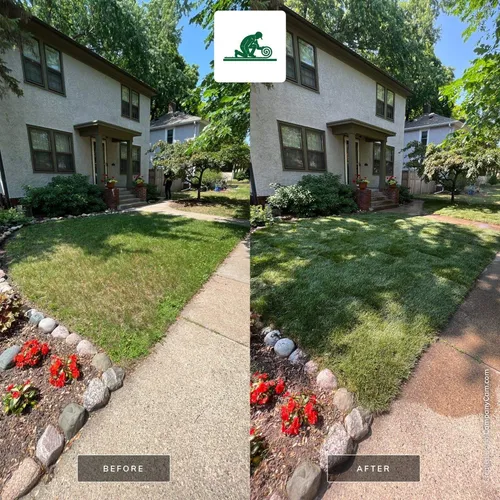
Sod Smith LLC is a lawn care company based in Minneapolis, MN, specializing in sod installation and a variety of lawn maintenance services. They offer efficient sod installation that provides instant curb appeal and support new lawns with a proprietary Establishment Plan to promote healthy root growth. The company also installs digital sprinkler systems designed to reduce water use by up to 50%, contributing to sustainable lawn irrigation. Sod Smith emphasizes precise soil preparation and tailored care suited to Minnesota's conditions to ensure successful lawn transformations. Their services are available throughout Minneapolis, with quick booking and transparent communication to keep customers informed throughout the process.
Pioneer Landscaping LLC
1694 Ivory Ave N, Lake Elmo, MN 55042
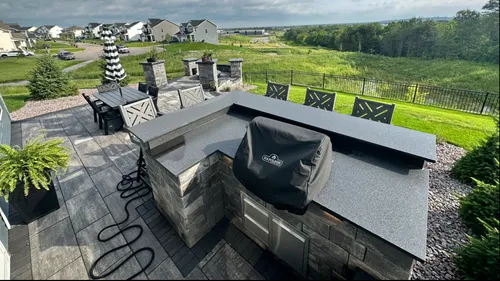
Pioneer Landscaping LLC is a full-service landscaping company based in St Paul, MN, offering a wide range of services including hardscaping, outdoor living spaces, sod and irrigation installation, sport court and pool installation, and year-round property maintenance for both residential and commercial clients. They serve the St Paul area along with nearby communities such as Lake Elmo, Woodbury, Stillwater, and White Bear Lake. Founded in 2020, the company emphasizes dedicated crews and specialized managers to deliver precise results and sustainable practices. Pioneer Landscaping also provides 24/7 emergency services, ensuring support through all seasons.
Ring Lawn Care
1925 Oak St W, Stillwater, MN 55082
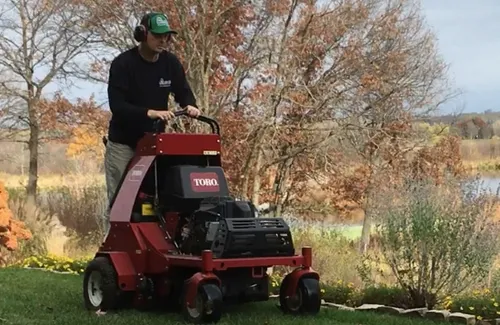
Ring Lawn Care is a lawn care and snow service company based in St Paul, MN. They offer a range of outdoor services including weekly lawn mowing, lawn fertilization, weed control, sprinkler system installation and repair, landscaping, and snow plowing. Their technicians handle irrigation system maintenance such as seasonal start-up, winterization, and repairs to ensure proper operation. With over 20 years of experience, Ring Lawn Care emphasizes practices like core aeration and fall lawn care to promote healthy turf growth. They also provide snow and ice management for residential and commercial properties near Stillwater and surrounding areas.
Green Oasis
2042 Wooddale Dr, Woodbury, MN 55125
Green Oasis is a lawn care and landscaping company serving St Paul, MN, and surrounding areas in Minnesota and Wisconsin. They offer a wide range of services including lawn mowing, fertilization, weed control, landscape design and installation, outdoor lighting, sprinkler installation and repair, hardscaping, and pest control. With over 45 years of experience, Green Oasis focuses on customized outdoor solutions tailored to each client's needs and property. Their licensed and certified technicians provide ongoing maintenance and pest control using environmentally responsible methods to ensure healthy, attractive outdoor spaces year-round.
Be Right There All Season Yard Care
St Paul, MN
Be Right There All Season Yard Care is a lawn and yard service company based in St Paul, MN. They provide a wide range of services including lawn mowing, fertilization, weed control, sod installation, tree removal, stump grinding, sprinkler installation and repair, land clearing, landscaping, and hardscaping. The company emphasizes detailed care such as hedge trimming and sculpturing, mulching, and lawn repair with follow-up visits to ensure successful seeding or sodding. They also offer cleanup services year-round and handle hauling of yard waste. Operating for nearly a decade in the Twin Cities Metro Area, Be Right There All Season Yard Care focuses on organic material handling and personalized service. They maintain sharp tools for clean pruning cuts and provide temporary watering systems to support new lawns. Their approach includes preparing soil carefully to promote healthy grass growth and offering a variety of landscaping enhancements like paver patios and fire pits.
How an Irrigation System Works
At its core, a modern sprinkler system is a network designed to mimic efficient rainfall. It consists of several key components working together 1. The controller, often called the timer or the system's "brain," is programmed to send low-voltage electrical signals at set times. These signals activate solenoid valves, which are electronically controlled gates that open to allow water to flow from your main supply into specific underground pipes.
The water travels through these pipes-typically made of PVC or polyethylene-to the sprinkler heads positioned throughout your yard. When the water pressure builds, the heads pop up and distribute water in a predetermined pattern. The system is divided into sections called zones, because different areas of your landscape have vastly different water requirements. For example, a sunny lawn needs more frequent watering than a shaded garden bed of drought-tolerant plants. Zoning allows each area to be watered for the correct duration, ensuring efficiency and plant health.
Key Components of Your System
Understanding the parts of your irrigation setup can help you communicate with service professionals and identify potential issues.
- Controllers & Timers: This is your command center. Basic models allow you to set start times and run durations per zone. Smart irrigation controllers are a significant upgrade, often connecting to Wi-Fi and local weather stations to automatically adjust watering based on real-time conditions like rain, temperature, and evaporation rates, preventing overwatering.
- Valves & Manifolds: Solenoid valves are the workhorses that control water flow to each zone. They are usually grouped together on a manifold, which is a central hub of valves located in a valve box underground. A common repair issue involves a valve sticking open or failing to close, which can lead to a zone running continuously or not at all.
- Sprinkler Heads and Emitters: These are the endpoints that deliver water. The main types are:
- Rotor Heads: These rotate a stream of water back and forth, covering larger, circular areas (e.g., 25 to 50 feet). They apply water more slowly than spray heads, which improves absorption and reduces runoff 4.
- Drip Irrigation: This method uses flexible tubing with small emitters that deliver water slowly and directly to the root zone of plants, shrubs, and garden beds. It is exceptionally efficient, minimizing evaporation and weed growth.
- Piping and Backflow Preventer: Durable piping connects everything. A critical safety device called a backflow preventer is installed where your irrigation system connects to your home's potable water supply. It ensures contaminated water from your yard cannot flow backward into your home's drinking water, a requirement by plumbing codes.
Designing for Efficiency: Zoning and Coverage
A successful irrigation plan starts with a smart design. The goal is to achieve head-to-head coverage, meaning the spray from one sprinkler head reaches the adjacent head5. This overlap ensures every square foot of the zone receives uniform water, eliminating dry spots. Professionals will map your property, noting sun exposure, soil type, plant types, and slope to create distinct zones.
For instance, a typical Edina home might have:
- Zone 1: Front lawn (sunny, turf grass)
- Zone 2: Back lawn (partial shade)
- Zone 3: Foundation shrub beds (drip irrigation)
- Zone 4: Side yard or garden area
Separating turf areas from planting beds is crucial because they require different amounts of water and application methods. Turf is best served by spray or rotor heads, while beds thrive with targeted drip irrigation.
Find the perfect sprinkler & irrigation companies for your needs
Get personalized recommendations and expert advice
Best Practices for Watering in Edina's Climate
Minnesota's climate, with its warm summers and freezing winters, demands a specific approach to lawn irrigation. The general rule is to provide about 1 inch of water per week to your lawn, including rainfall. This promotes deep root growth, which makes your grass more drought-resistant.
- Timing is Everything: The best time to water is in the early morning, between 4 a.m. and 10 a.m. 6. Winds are calmer, evaporation rates are lowest, and foliage has time to dry before nightfall, reducing the risk of fungal diseases.
- Frequency and Duration: It's better to water deeply and infrequently than to sprinkle daily. For most soils in our region, this means running each zone 2-3 times per week. The exact runtime depends on your sprinkler type and output. For example, a zone with standard spray heads might need 15-20 minutes, while a zone with rotors applying water more slowly may need 30-45 minutes to deliver the same half-inch of water7 8. A simple "tuna can test" (placing empty cans around your yard and measuring accumulation) can help you calibrate your system.
Installation, Repair, and Seasonal Maintenance
New system installation is a significant project that involves careful planning, trenching for pipes and wires, installing the valve manifold, placing heads, and connecting to your water supply. Costs vary widely based on yard size, number of zones, the complexity of the design (e.g., incorporating drip lines), and the quality of components like smart controllers9. Local firms provide custom quotes after a site assessment.
Even the best systems need occasional repairs. Common issues include:
- Leaks in pipes or at head connections.
- Sprinkler heads broken by lawn mowers or that fail to pop up.
- Faulty valves that won't open or close.
- Clogged nozzles or filters in drip lines. Service calls for diagnosis often start at a base rate, with additional costs for parts and labor.
In Minnesota, seasonal maintenance is non-negotiable:
- Spring Start-Up: Typically performed from mid-April to May, this service involves turning the water back on, pressurizing the system, checking for winter damage, programming the controller, and activating each zone to ensure proper operation.
- Fall Winterization: Before the first hard freeze (usually late October), a professional will perform a blow-out. Using a large air compressor, they force all water out of the pipes, valves, and heads to prevent freezing and cracking, which can cause costly damage10 11.
Working with Local Irrigation Professionals
Edina is served by experienced irrigation companies such as Formaneck Irrigation, Advanced Irrigation, Inc., and Edina Lawn Sprinklers, who specialize in design, installation, and maintenance 12. When seeking service, look for licensed, insured professionals who understand local codes and climate challenges. They can provide invaluable advice on system upgrades, such as converting zones to more efficient drip irrigation or installing a weather-smart controller to maximize water conservation and savings on your utility bill.
Frequently asked questions
Sources
Footnotes
-
The 5 essential components for an efficient irrigation system - rain.it - https://www.rain.it/en/magazine/5-essential-components-for-an-efficient-irrigation-system/ ↩
-
Landscape Irrigation | Home Water Works - https://home-water-works.org/landscape-irrigation/irrigation ↩
-
The Essential Guide to Irrigation Systems: Types, Components, and ... - https://elementslawn.com/the-essential-guide-to-irrigation-systems-types-components-and-installation/ ↩
-
CHAPTER 5. SPRINKLER IRRIGATION - https://www.fao.org/4/s8684e/s8684e06.htm ↩
-
Sprinkler Planning & Installation Guide - https://sod.com/wp-content/uploads/2015/10/sprinkler-pig.pdf ↩
-
Landscape Irrigation Watering Guide - https://northgeorgiawater.org/wp-content/uploads/2017/02/Landscape-Irrigation-Watering-Guide.pdf ↩
-
How Long to Run Sprinklers - Irrigreen - https://irrigreen.com/blogs/sprinkler-systems/how-long-to-run-sprinklers ↩
-
How Long to Run a Sprinkler for 1 Inch of Water - Sod Solutions - https://sodsolutions.com/advanced-how-to/how-long-to-run-a-sprinkler-for-1-inch-of-water/ ↩
-
Edina Sprinkler Irrigation System Installation, Repair ... - https://www.formaneckirrigation.com/edina-sprinkler-irrigation/ ↩
-
Spring Sprinkler System Start Up: 5 Irrigation Tips for WI and MN ... - https://www.rainmasterlawn.com/blog/spring-sprinkler-system-start-up-irrigation-tips ↩
-
Edina Lawn Sprinklers - https://www.edinalawnmn.com/ ↩
-
Lawn Sprinklers Edina MN | Irrigation Systems & Lawn Care - https://www.advancedirrigationmn.com/sprinklers-edina/ ↩