Find the Best Sprinkler & Irrigation Companies for Your Business
No obligation • Fast responses • Nationwide coverage

Why you can trust Landscape Atlas
Landscape Atlas is a leading United States resource for evaluating landscaping, lawn care, and outdoor service providers. Our team researches each category in depth, focusing on service quality, safety, and customer experience. Listings and rankings are based on independent criteria and user feedback, and companies cannot pay to influence our assessments or recommendations.
Search providers near you
Top Sprinkler & Irrigation Companies in St Louis Park, Minnesota Ranked
A well-designed sprinkler and irrigation system is the cornerstone of a healthy, vibrant landscape in St Louis Park. These automated watering systems deliver precise hydration to your lawn and garden beds, conserving water and saving you time. This guide will help you understand how these systems work, what to consider for your property, and how to connect with local professionals for design, installation, and maintenance.
Sod Smith LLC
6417 Penn Ave S Ste. 8, Richfield, MN 55423
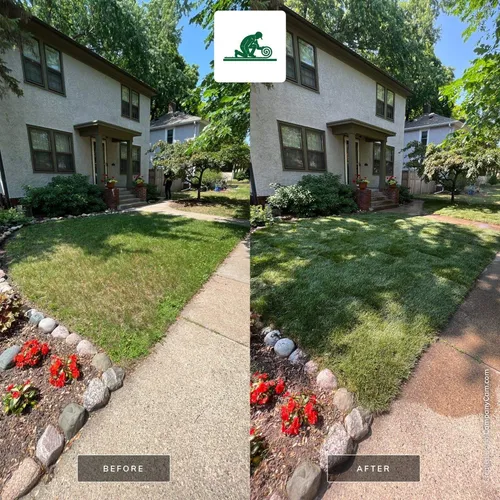
Sod Smith LLC is a lawn care company based in Minneapolis, MN, specializing in sod installation and a variety of lawn maintenance services. They offer efficient sod installation that provides instant curb appeal and support new lawns with a proprietary Establishment Plan to promote healthy root growth. The company also installs digital sprinkler systems designed to reduce water use by up to 50%, contributing to sustainable lawn irrigation. Sod Smith emphasizes precise soil preparation and tailored care suited to Minnesota's conditions to ensure successful lawn transformations. Their services are available throughout Minneapolis, with quick booking and transparent communication to keep customers informed throughout the process.
Pioneer Landscaping LLC
1694 Ivory Ave N, Lake Elmo, MN 55042
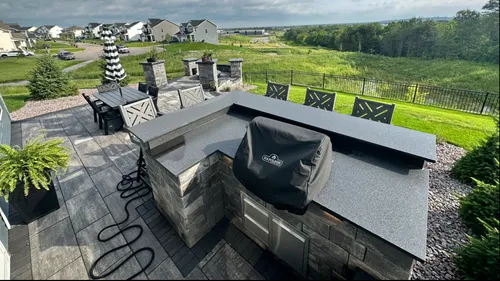
Pioneer Landscaping LLC is a full-service landscaping company based in St Paul, MN, offering a wide range of services including hardscaping, outdoor living spaces, sod and irrigation installation, sport court and pool installation, and year-round property maintenance for both residential and commercial clients. They serve the St Paul area along with nearby communities such as Lake Elmo, Woodbury, Stillwater, and White Bear Lake. Founded in 2020, the company emphasizes dedicated crews and specialized managers to deliver precise results and sustainable practices. Pioneer Landscaping also provides 24/7 emergency services, ensuring support through all seasons.
Ring Lawn Care
1925 Oak St W, Stillwater, MN 55082
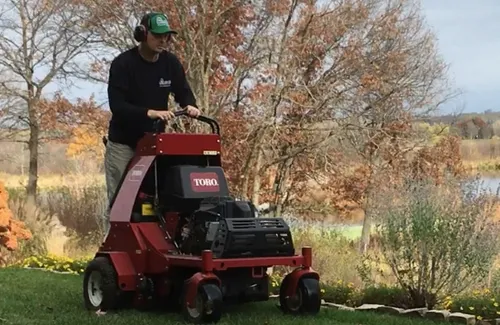
Ring Lawn Care is a lawn care and snow service company based in St Paul, MN. They offer a range of outdoor services including weekly lawn mowing, lawn fertilization, weed control, sprinkler system installation and repair, landscaping, and snow plowing. Their technicians handle irrigation system maintenance such as seasonal start-up, winterization, and repairs to ensure proper operation. With over 20 years of experience, Ring Lawn Care emphasizes practices like core aeration and fall lawn care to promote healthy turf growth. They also provide snow and ice management for residential and commercial properties near Stillwater and surrounding areas.
Green Oasis
2042 Wooddale Dr, Woodbury, MN 55125
Green Oasis is a lawn care and landscaping company serving St Paul, MN, and surrounding areas in Minnesota and Wisconsin. They offer a wide range of services including lawn mowing, fertilization, weed control, landscape design and installation, outdoor lighting, sprinkler installation and repair, hardscaping, and pest control. With over 45 years of experience, Green Oasis focuses on customized outdoor solutions tailored to each client's needs and property. Their licensed and certified technicians provide ongoing maintenance and pest control using environmentally responsible methods to ensure healthy, attractive outdoor spaces year-round.
Be Right There All Season Yard Care
St Paul, MN
Be Right There All Season Yard Care is a lawn and yard service company based in St Paul, MN. They provide a wide range of services including lawn mowing, fertilization, weed control, sod installation, tree removal, stump grinding, sprinkler installation and repair, land clearing, landscaping, and hardscaping. The company emphasizes detailed care such as hedge trimming and sculpturing, mulching, and lawn repair with follow-up visits to ensure successful seeding or sodding. They also offer cleanup services year-round and handle hauling of yard waste. Operating for nearly a decade in the Twin Cities Metro Area, Be Right There All Season Yard Care focuses on organic material handling and personalized service. They maintain sharp tools for clean pruning cuts and provide temporary watering systems to support new lawns. Their approach includes preparing soil carefully to promote healthy grass growth and offering a variety of landscaping enhancements like paver patios and fire pits.
How an Automatic Irrigation System Works
An automatic sprinkler system is a network of components working together to water your landscape efficiently. Understanding the basics can help you communicate better with service providers and make informed decisions about your property's needs.
The process begins at the water source, which is typically connected to your home's main water supply line or, in some cases, a private well. A controller-often a smart, Wi-Fi-enabled device mounted in your garage or basement-acts as the system's brain, programming when and how long each zone will run. When the controller activates a schedule, it sends a signal to open solenoid valves, which control the flow of water to specific areas known as zones 1.
From the valves, water travels through a network of underground PVC piping to the sprinkler heads 2. These heads pop up when pressurized to deliver water and retract when finished. The system is divided into zones because a property's water pressure and flow rate can only support a certain number of heads running at once. Proper zoning groups plants with similar water needs together, such as separating thirsty turf grass from drought-tolerant perennial beds.
Key Design Principles for Effective Watering
A successful irrigation installation relies on thoughtful design tailored to your yard's unique layout and plant material. Two fundamental concepts guide professional system layout.
Head-to-Head Coverage is the gold standard for uniform watering, especially in open lawn areas. This means sprinklers are strategically placed so the spray from one head reaches the base of the adjacent head. This overlap ensures every square foot receives an even amount of water, preventing dry brown spots or overly saturated areas that can lead to disease and runoff.
Zone-Specific Equipment Selection is equally critical. Different types of sprinkler heads and emitters are used for different applications 3. For large, rectangular sections of lawn, rotor heads that spray streams of water in a rotating pattern are ideal for their long throw distance. For smaller, irregularly shaped lawn areas or narrow strips, spray heads with a fixed fan pattern provide better coverage. For landscape beds, shrubs, and garden areas, drip irrigation lines or micro-sprayers deliver water slowly and directly to the root zone, minimizing waste and weed growth. A good design also factors in sun exposure, soil type, and slope.
Smart Watering Practices for the St Louis Park Climate
Installing a system is only half the battle; programming it correctly is key to lawn health and water conservation. The general goal for our region is to provide turf grass with about 1 inch of water per week, including rainfall.
It's typically better to water deeply and less frequently. This encourages roots to grow deeper, creating a more drought-resistant lawn. A common schedule is to run the system 2-3 times per week, with each zone running long enough to deliver its share of the weekly inch 4. For many spray zones, this might mean run times of 25-30 minutes per cycle. The absolute best time to water is in the early morning, before 10 AM 5. This allows grass blades to dry quickly in the sun, reducing the risk of fungal diseases, and minimizes water loss from evaporation.
Modern smart controllers take the guesswork out of scheduling. These devices can connect to local weather data or on-site soil moisture sensors to automatically adjust watering times, skipping cycles after a rainstorm or increasing run time during a heat wave. This technology is a significant upgrade for water efficiency and plant health.
Find the perfect sprinkler & irrigation companies for your needs
Get personalized recommendations and expert advice
Understanding Installation and Repair
The scope and cost of installing a new automatic sprinkler system can vary widely based on your property's size, complexity, and the system's features. A basic system for a small yard might start in the range of $1,500 to $3,000, while a comprehensive design for a large property with multiple zones, smart technology, and drip irrigation sections can easily exceed $5,000 to $10,000+ 6 7. The installation process involves site analysis and design, checking water pressure and flow, trenching for pipes, assembling the valve manifold, placing heads, and finally programming the controller.
Like any mechanical system, irrigation systems require occasional maintenance and repair. Common issues include clogged or damaged sprinkler heads, malfunctioning solenoid valves, broken pipes from freezing or landscaping work, and controller failures. Minor repairs, such as replacing a head or fixing a valve, might range from $150 to $400, while addressing a major pipe break or replacing a central controller can cost more 8 9. Regular start-up and winterization services are crucial in Minnesota to prevent freeze damage.
Finding Local Irrigation Expertise
St Louis Park is home to several established companies specializing in lawn sprinkler and landscape watering systems. Providers like Formaneck Irrigation and NewLeaf St Louis Park Landscapers offer full-service design, installation, and maintenance. A search for local lawn repair and irrigation services can also connect you with other qualified technicians, such as Rob Smith Irrigation, who service the area 10. When evaluating a provider, look for experience with our local soil conditions and climate, knowledge of current water-efficient technologies, and a portfolio of completed projects.
Investing in a properly designed and maintained irrigation system protects your landscaping investment, enhances your property's curb appeal, and promotes responsible water use. By understanding the components, principles, and local resources available, you can ensure your St Louis Park lawn and garden thrive for seasons to come.
Frequently asked questions
Sources
Footnotes
-
CHAPTER 5. SPRINKLER IRRIGATION - https://www.fao.org/4/s8684e/s8684e06.htm ↩
-
How to Plan Your Automatic Sprinkler System | Rain Bird - https://www.rainbird.com/homeowners/blog/planning-an-irrigation-system ↩
-
Sprinkler System Layout Guide | Sprinkler Radius - https://designerwatering.com.au/sprinkler-layout/ ↩
-
How Long to Water Your Lawn in Summer - LawnStarter - https://www.lawnstarter.com/blog/lawn-care-2/how-long-to-water-lawn-summer/ ↩
-
How Long to Run a Sprinkler for 1 Inch of Water - Sod Solutions - https://sodsolutions.com/advanced-how-to/how-long-to-run-a-sprinkler-for-1-inch-of-water/ ↩
-
St Louis Park Sprinkler Irrigation Systems Installation, Repair ... - https://www.formaneckirrigation.com/html/St_Louis_Park_Sprinkler_Systems.htm ↩
-
How to Design and Install Your Irrigation System With The Irrigation Shop - https://theirrigationshop.com.au/blogs/news/how-to-design-and-install-your-irrigation-system-with-the-irrigation-shop ↩
-
Irrigation Systems - NewLeaf St Louis Park Landscapers - https://www.stlouisparklandscaping.com/irrigation-systems ↩
-
Cost to Repair an Irrigation System: Minor vs Major Fixes 💦 - https://simmonslandscape.com/cost-to-repair-an-irrigation-system/ ↩
-
TOP 10 BEST Lawn Repair in St. Louis Park, MN - Yelp - https://m.yelp.com/search?find_desc=Lawn+Repair&find_loc=St.+Louis+Park%2C+MN ↩