Find the Best Yard Drainage Contractors for Your Business
No obligation • Fast responses • Nationwide coverage

Why you can trust Landscape Atlas
Landscape Atlas is a leading United States resource for evaluating landscaping, lawn care, and outdoor service providers. Our team researches each category in depth, focusing on service quality, safety, and customer experience. Listings and rankings are based on independent criteria and user feedback, and companies cannot pay to influence our assessments or recommendations.
Search providers near you
Top Yard Drainage Contractors in North Miami, Florida Ranked
A well-drained yard is essential for protecting your North Miami property from Florida's intense seasonal rains. Yard drainage and grading services focus on managing surface and subsurface water to prevent flooding, soil erosion, and foundation damage. This guide explains the common solutions for local homes and how to find qualified professionals to assess your landscape and implement an effective water management plan.
RFM Landscaping
Miami, FL
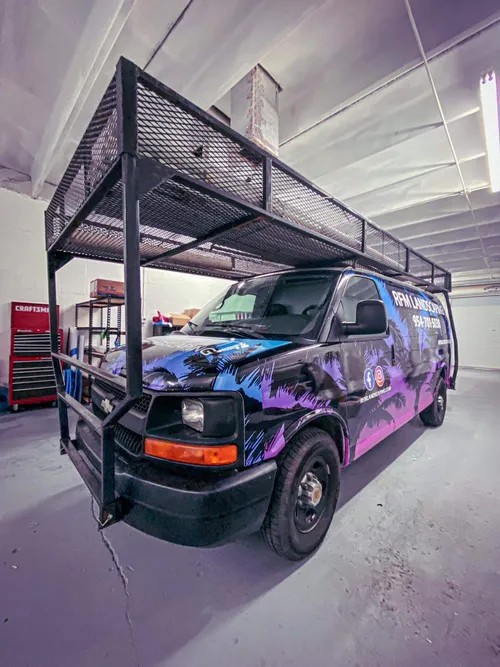
RFM Landscaping is a family-owned landscaping company serving Miami, FL, and the surrounding South Florida counties including Miami-Dade, Broward, and Monroe. They provide a wide range of services for residential, commercial, and HOA properties, including lawn care, landscape design, tree services, irrigation installation and repair, drainage solutions, and hardscaping such as pavers and fencing. Their team is experienced in managing South Florida's unique climate challenges, offering eco-friendly and sustainable landscaping solutions. RFM Landscaping also specializes in storm and hurricane cleanup to help restore properties after severe weather.
Driveway & Paver Solutions
5420 NW 114th Ave Ste 102, Doral, FL 33178
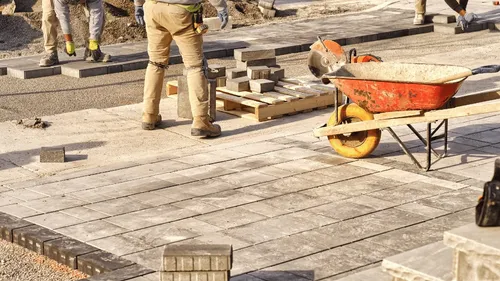
Driveway & Paver Solutions is a hardscaping and landscaping company based in Miami, FL, offering design, permit processing, and installation services for outdoor projects. They specialize in driveway installation, pool decks, patios, walkways, pergolas, retaining walls, and artificial turf, serving Miami-Dade and Broward counties. Led by a civil engineer with over 25 years of experience, the company ensures compliance with local codes and HOA requirements. Their expertise includes permeable paver systems designed for Miami-Dade's drainage regulations. They provide in-house permit handling and a one-year warranty on materials and workmanship.
Beast grading and Junk Removal
11083 Boston Dr, Cooper City, FL 33026
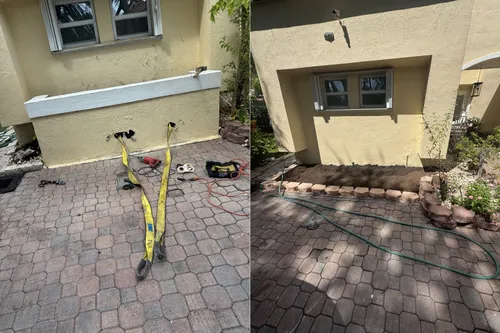
Beast grading and Junk Removal is a yard drainage, grading, and land clearing contractor based in Miami, FL. They provide services including junk removal, light demolition, debris hauling, estate and garage cleanouts, and skid steer work such as driveway grading and soil resurfacing. The company serves residential and commercial clients across Miami, Broward, and Palm Beach counties. Beast grading and Junk Removal offers 24-hour availability to assist with disaster response and other urgent cleanup needs.
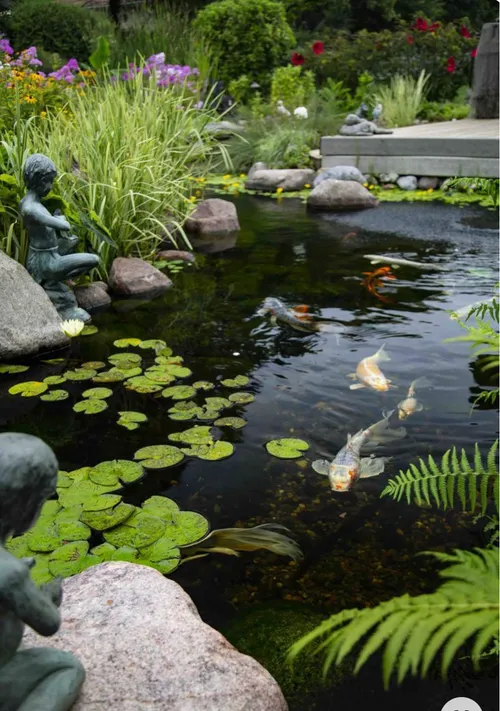
OUTDOOR PRO LAND & WATER DESIGN
15000 SW 200th St, Miami, FL 33187
OUTDOOR PRO LAND & WATER DESIGN is a landscaping company based in Miami, FL. They offer a range of services including landscape design, yard drainage, grading, sprinkler installation and repair, as well as hardscaping with pavers and retaining walls. Their capabilities include custom hardscape designs and drainage solutions, along with features like ponds and fountains. The company emphasizes eco-conscious practices and professionalism in their work.
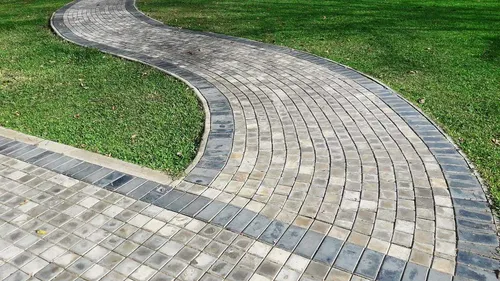
Harold's Paving & Drainage INC
1450 NE 201st Terrace, Miami, FL 33179
Harold's Paving & Drainage INC is a paving and drainage contractor based in Miami, FL, offering services for both residential and commercial properties. With over 25 years of experience, they provide a wide range of solutions including asphalt and concrete paving, drainage system installation, sealcoating, and excavation. Their expertise includes managing stormwater and sewer systems to ensure effective drainage and durable surfaces. Harold's Paving & Drainage INC emphasizes quality workmanship and uses modern techniques to meet client needs.
Understanding North Miami's Drainage Challenges
North Miami's subtropical climate brings heavy, frequent downpours, especially during the wet season. The region's generally flat topography and sandy soil can create unique challenges; while sand drains quickly, it can also lead to erosion and fail to direct water away from structures effectively. Without proper grading or drainage systems, water can pool in low spots, saturate lawns, and threaten your home's foundation, patio, or pool deck. Professional water management is not just about moving water-it's about controlling its flow to safeguard your investment and landscape health.
Core Solutions for Yard Water Management
Local professionals employ a combination of surface and subsurface techniques to solve drainage issues. The right solution depends on your property's specific grading, soil composition, and the source of the water problem.
Regrading and Slope Correction
The first line of defense is often correcting the slope, or grade, of your yard. Proper grading involves shaping the land to create a gentle slope away from your home's foundation-typically a drop of about 1 inch for every foot traveled for at least 10 feet. This fundamental step ensures surface runoff flows away from structures and toward a safe discharge point, like a street gutter or a drainage swale. Regrading a yard may involve moving significant amounts of soil and is a critical step in any comprehensive drainage plan.
Subsurface Drainage Systems
When surface grading isn't enough, subsurface systems are installed to intercept and redirect water below ground.
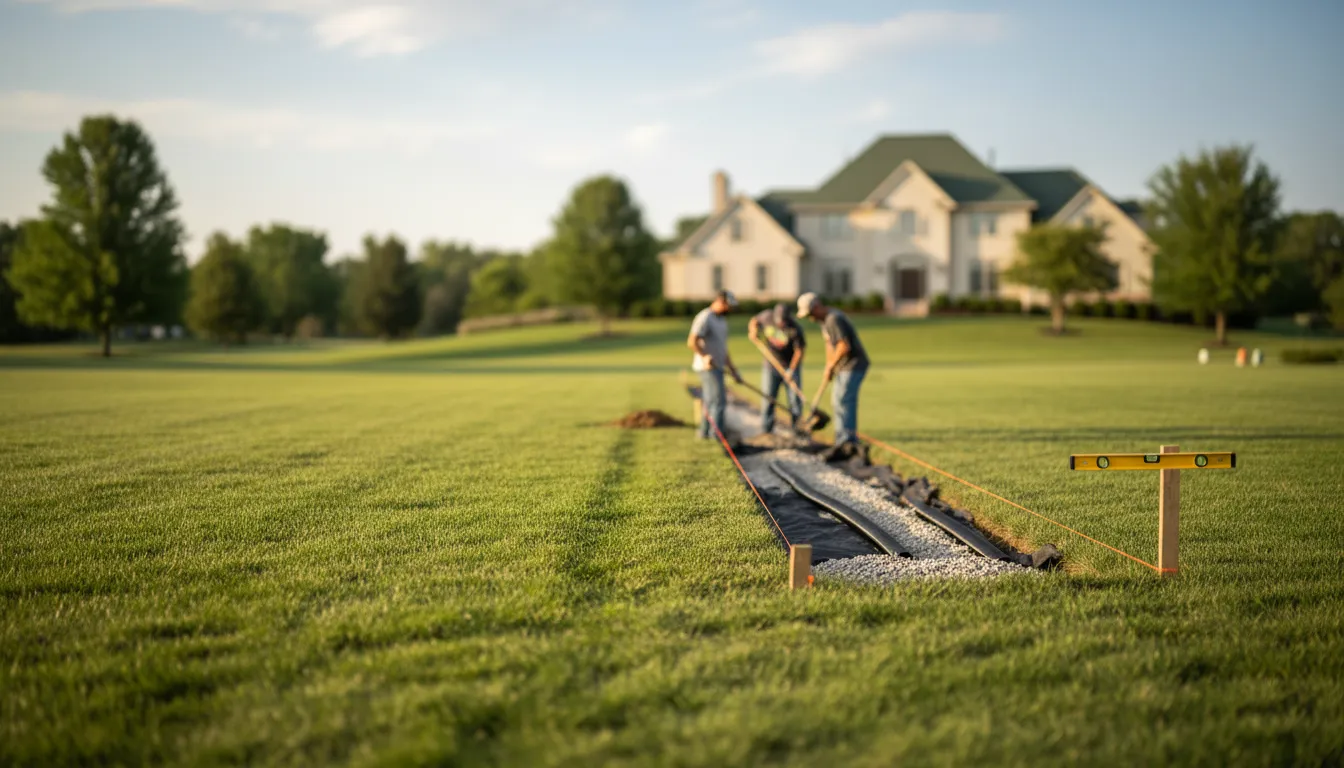
- French Drains: A trench is dug, lined with gravel, and contains a perforated pipe that collects and channels groundwater away from problem areas. This is a highly effective solution for yards with soggy soil or water seeping into basements or crawl spaces 1.
- Catch Basins: These are grated inlets installed in low points where surface water collects. They connect to a buried pipe system that carries the water away, making them ideal for driveways, patios, and other paved areas that experience pooling 2.
- Dry Wells: For properties where diverting water to a street isn't feasible, a dry well can be used. This is an underground pit filled with gravel that collects runoff and allows it to percolate slowly back into the surrounding soil 3.
Surface Water Management
Some solutions work on the surface to guide water flow.
- Swales: These are broad, shallow ditches or depressions landscaped into the yard. They provide a natural-looking channel to direct surface runoff slowly, allowing some water to infiltrate the soil along the way. Swales are often used in conjunction with other systems 4.
- Downspout Extensions and Burying: A simple but crucial step is ensuring your gutter downspouts discharge water at least 5 to 10 feet away from your foundation. For a cleaner look, downspouts can be connected to underground pipes that lead to a drainage outlet or dry well.
The Professional Installation Process
A successful drainage project follows a structured process to ensure long-term effectiveness and compliance with local regulations.
- Site Assessment and Design: A specialist will inspect your property to identify low spots, water flow patterns, and soil conditions. They will then design a custom system, which may involve surveyors or engineers for complex projects 5.
- Permitting: In North Miami and surrounding Miami-Dade County, installing certain drainage structures often requires permits. A reputable professional will handle this process, ensuring the work meets municipal codes for stormwater management 6.
- Site Preparation and Installation: The area is cleared, and trenches are dug for pipes or basins. Piping is laid, connected, and covered with gravel. For grading projects, soil is moved and compacted to achieve the proper slope 7 8.
- Final Grading and Restoration: Once drains are in place, the final layer of topsoil is graded and smoothed. Sod or seed is replaced, and any disturbed landscaping is restored. The system is then tested with water to ensure proper flow 9.
Find the perfect yard drainage contractors for your needs
Get personalized recommendations and expert advice
What to Expect: Investment and Considerations
The cost of drainage work in North Miami varies widely based on the size of your yard, the complexity of the problem, and the solutions chosen. Simple regrading or a single French drain line may start around a few thousand dollars. More comprehensive systems integrating catch basins, multiple drain lines, and significant regrading typically range from $2,500 to $13,000 or more for a residential property 10.
When planning your project, it's vital to work with experienced local contractors. They understand the specific soil conditions, high water table, and intense rainfall patterns of South Florida. Furthermore, due to North Miami's history, a professional can advise on any necessary precautions regarding soil contamination when excavating for subsurface systems, an important consideration highlighted in local guidance 11.
Maintaining Your Drainage System
After installation, simple maintenance ensures your system works for years to come. Regularly clear debris from gutter downspouts, catch basin grates, and the openings of any surface channels. Periodically inspect areas where water is discharged to ensure they remain clear. For French drains and dry wells, occasional professional flushing may be needed to prevent silt and root clogging.
Frequently asked questions
Sources
Footnotes
-
Residential and Commercial Yard Drainage - Raider Rooter - https://raiderrooter.com/drainage/ ↩
-
Residential and Commercial Drainage Solutions - https://theamericanseptic.com/plumbing/drainage/ ↩
-
All The Different Types Of Drainage Solutions For Your Yard Explained - https://www.landscapesandmore.com/blog/all-the-different-types-of-drainage-solutions-for-your-yard-explained/31 ↩
-
Effective Yard Drainage Solutions For Florida's Unique Landscape - https://eastcoastlandscapeservices.com/effective-yard-drainage-solutions-for-floridas-unique-landscape/ ↩
-
Grading and Drainage Design - Landscape Architecture - https://www.lewisaqui.com/services-process/grading-drainage-design/ ↩
-
Drainage Installation in Miami - Conserva Irrigation - https://www.conservairrigation.com/miami/services/drainage-solutions/ ↩
-
How to Grade a Yard: Step-by-Step Guide for Proper Drainage - https://www.schmittwaterproofing.com/blog/yard-grading-101-how-to-grade-a-yard-for-proper-drainage-step-by-step/ ↩
-
Grading & Re-Sloping | Safe, Level & Well-Drained Yards - https://www.outdoorlivinglandscaping.com/services/grading-re-sloping ↩
-
Drainage & Grade Work: Vital Components of the Construction ... - https://grovin.com/drainage-grade-work/ ↩
-
How Much Does Yard Drainage Cost? - https://drainagefirst.com/how-much-does-yard-drainage-cost/ ↩
-
Design and Construction of - Cutler Bay - https://www.cutlerbay-fl.gov/sites/default/files/fileattachments/community/page/9746/regulatory_guidance_documents_for_stormwater_management_construction_dewatering_at_contaminated_redevelopment_sites-goldstein.pdf ↩