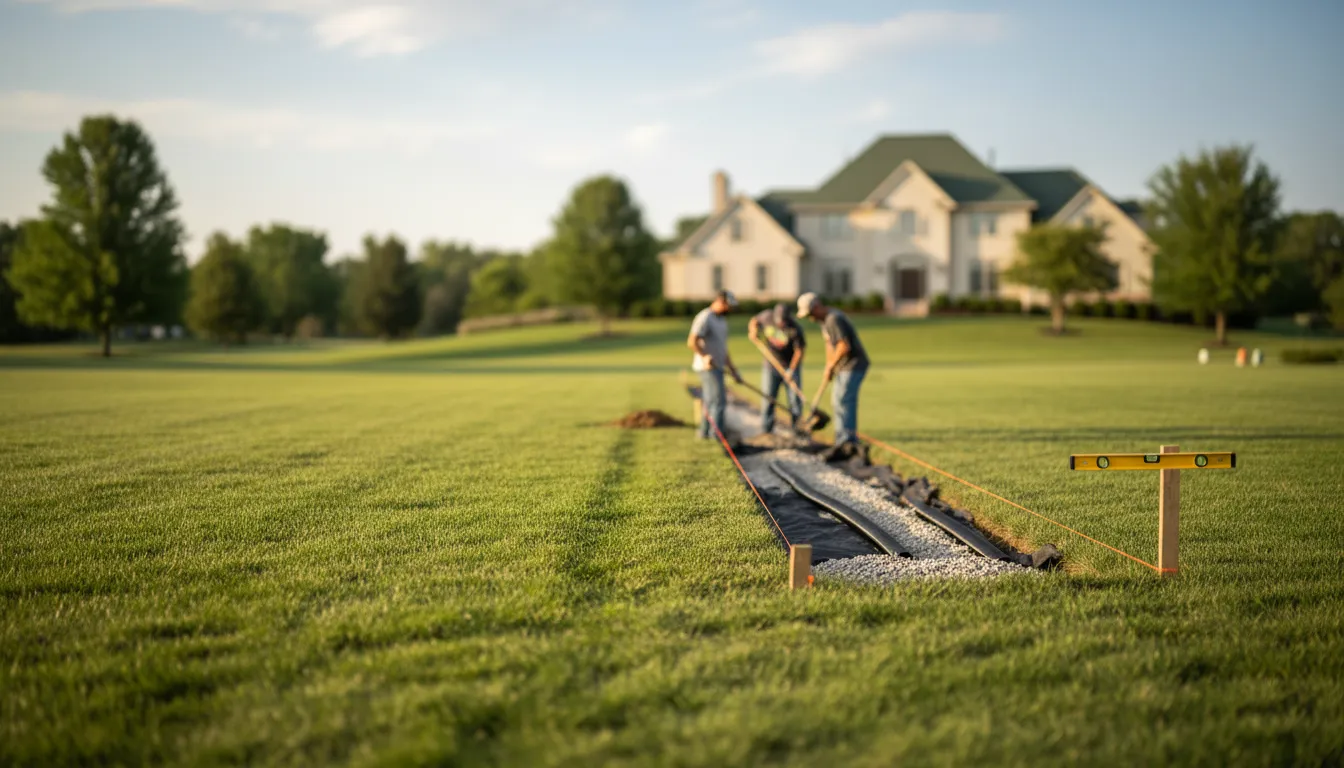
Find the Best Yard Drainage Contractors for Your Business
No obligation • Fast responses • Nationwide coverage

Why you can trust Landscape Atlas
Landscape Atlas is a leading United States resource for evaluating landscaping, lawn care, and outdoor service providers. Our team researches each category in depth, focusing on service quality, safety, and customer experience. Listings and rankings are based on independent criteria and user feedback, and companies cannot pay to influence our assessments or recommendations.
Search providers near you
Top Yard Drainage Contractors in Ocoee, Florida Ranked
A soggy lawn, standing water, or erosion near your foundation are more than just eyesores; they're signs of a drainage problem that can threaten your home's structural integrity and landscape health. Proper yard drainage and grading involves managing the flow of surface and subsurface water away from your property using techniques like re-sloping land, installing underground pipes, or creating natural filtration basins. For Ocoee homeowners, finding the right solution is crucial due to our local soil, frequent heavy rains, and specific city stormwater guidelines. This guide will help you understand your options and connect with experienced local professionals who can assess your property and implement an effective water management plan.
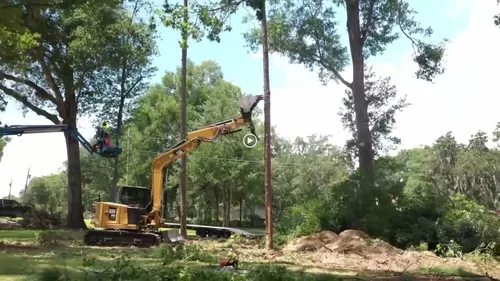
DEANGELOS LAND SERVICES
Orlando, FL
DEANGELOS LAND SERVICES is a comprehensive land and tree service provider based in Orlando, FL, serving Central Florida including Lake Mary and surrounding areas. They offer a wide range of services such as tree removal, land clearing, drainage solutions, tree trimming, excavation, and emergency tree removal with 24/7 availability. The company also specializes in arborist services, storm damage cleanup, landscape design, hardscaping, sod installation, and irrigation system installation. With over 8 years of experience, DEANGELOS LAND SERVICES is licensed and insured, focusing on safety, efficiency, and personalized care to maintain and enhance outdoor spaces.
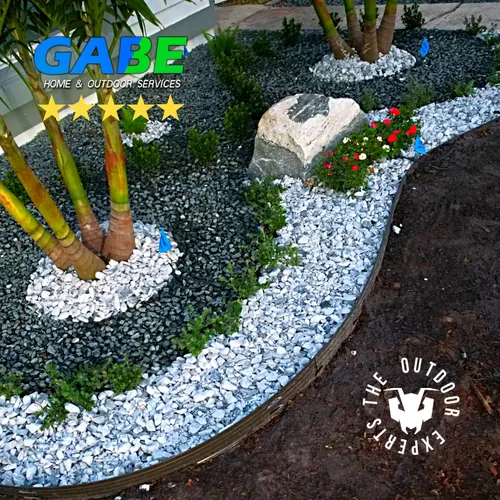
Gabe Home & Outdoor Services
Orlando, FL
Gabe Home & Outdoor Services is a landscaping and irrigation company based in Orlando, FL, serving the Winter Garden area. They offer a wide range of outdoor services including landscaping design and installation, irrigation system repairs and installations, French drainage solutions, artificial turf and sod installation, tree trimming, and hardscaping with brick pavers. Their expertise includes custom storm drainage systems designed to prevent yard flooding using precise technology for proper slope and water flow. With years of hands-on experience and continuous training, they have built a strong reputation in the community and provide all services fully licensed and insured.
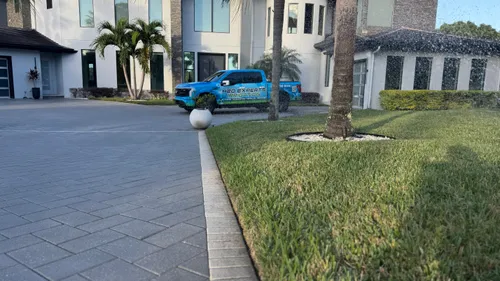
H2O Experts Irrigation & Drainage
Orlando, FL
H2O Experts Irrigation & Drainage is a landscape and irrigation company serving Orlando, FL. They provide sprinkler installation, repair, and maintenance, as well as landscape lighting and yard drainage services. The company designs irrigation systems to maximize efficiency and coverage for lawns and gardens. H2O Experts operates in Central and Southwest Florida, including Lake Mary, Winter Springs, and Sarasota. They offer maintenance contracts with flexible schedules to help prevent irrigation problems and emergencies.
BrightWater Irrigation and Lighting
535 W Plant St, Winter Garden, FL 34787
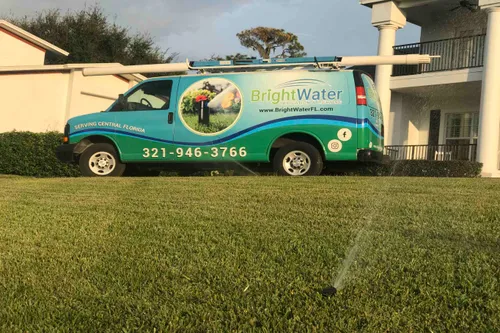
BrightWater Irrigation and Lighting is a family-owned company serving Orlando, FL, and the greater Central Florida area for over 22 years. They provide a range of outdoor services including irrigation system installation and repair, landscape lighting, artificial turf installation, yard drainage, and landscaping. Their artificial turf installation offers durable, low-maintenance, and pet-friendly synthetic grass for residential, commercial, and HOA properties. BrightWater also specializes in custom outdoor lighting solutions designed to enhance curb appeal, improve safety, and extend outdoor living spaces with energy-efficient and low-maintenance options.
Tate's Tree Service
Orlando, FL
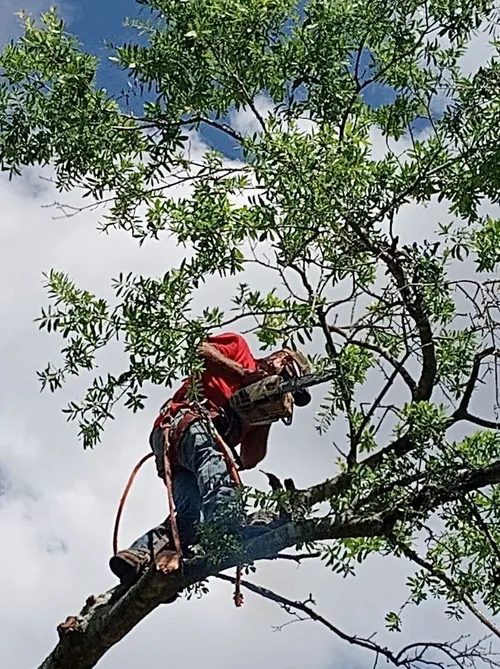
Tate's Tree Service is a third-generation, family-owned company providing tree care and yard drainage services in Orlando, FL. Since 2006, they have offered tree removal, tree trimming, stump grinding, and soil grading, along with drainage solutions like French drains and NDS drain systems. Their team uses both heavy and light equipment to handle jobs of various sizes safely and efficiently. The company is fully licensed and insured and serves homeowners, commercial businesses, and contractors in the area.
Why Proper Drainage is Critical in Ocoee
Central Florida's climate, characterized by intense afternoon thunderstorms and a defined rainy season, puts significant stress on residential landscapes. Urban development increases impervious surfaces like roofs and driveways, which dramatically accelerates runoff volume and speed during storms 1. Ocoee's own Drainage Sub-element outlines the importance of managing this runoff to prevent flooding, protect water quality, and maintain property values 2. Without a functional drainage plan, water can pool in low spots, drown plant roots, create mosquito breeding grounds, and, most critically, seep toward your home's foundation, leading to costly moisture damage and basement or crawl space issues.
Common Signs You Need Drainage or Grading Work
How do you know if your property needs intervention? Look for these telltale signs:
- Standing Water: Puddles that remain for more than 24 hours after rain.
- Soil Erosion: Washouts or gullies in your lawn, especially near downspouts or slopes.
- Soggy Lawn: Areas that are consistently spongy or muddy.
- Water in the Home: Dampness in the basement, crawl space, or around the foundation.
- Foundation Cracks: New or widening cracks in exterior walls or interior drywall, often caused by expanding and contracting saturated soil.
- Unhealthy Landscaping: Plants that are yellowing, dying, or failing to thrive in consistently wet soil.
Core Solutions for Yard Drainage Problems
Professional drainage contractors in Ocoee typically recommend a combination of the following systems, tailored to your property's specific topography and problem areas.
1. Grading and Swales
Grading is the process of re-shaping and sloping the land's surface to direct water flow. The goal is to achieve a gentle slope (typically a minimum 2% grade) away from your home's foundation and toward a suitable discharge point like a street gutter or drainage ditch. Swales are shallow, vegetated channels designed to move water across a slope slowly, allowing for some absorption and filtration 3. This is often the first line of defense and a foundational step for any other drainage system.
2. French Drains
A French drain is a subsurface solution for redirecting groundwater. It consists of a trench lined with landscape fabric, filled with gravel, and containing a perforated pipe. This system collects water from saturated soil and channels it away from problem areas to a safe discharge location. They are ideal for solving problems with yard seepage, wet basements, and waterlogged planting beds.
3. Catch Basins and Channel Drains
For managing concentrated surface runoff from driveways, patios, or pool decks, catch basins (grated inlets) and channel drains (trench drains) are highly effective. They capture water at the surface, where it then flows into an underground pipe system that carries it away. These are crucial for preventing flooding on hardscapes and directing large volumes of water efficiently.
4. Dry Wells
A dry well is an underground structure, often a large pit filled with gravel or a pre-fabricated chamber, that collects water from downspouts or drainage pipes and allows it to percolate slowly into the surrounding soil 4. This is an excellent solution for properties with poor percolation or where diverting water to the street is not feasible, as it recharges groundwater on-site.
5. Rain Gardens
A rain garden is a landscaped depression planted with native, water-tolerant vegetation. It is designed to capture and temporarily hold runoff from roofs or lawns, allowing it to soak into the ground while filtering out pollutants 5. This eco-friendly solution reduces stormwater volume, enhances biodiversity, and can be an attractive landscape feature. The City of Ocoee encourages such green infrastructure to help manage community stormwater 6.
The Professional Drainage Project Process
Working with a local Ocoee contractor ensures the job is done correctly and complies with city regulations. A typical project follows these steps:
- Site Assessment and Diagnosis: A professional will inspect your property during or after a rain event to identify the source and flow path of water. They will evaluate soil type, slope, and existing landscaping.
- System Design and Planning: Based on the assessment, the contractor will design a customized solution, which may integrate multiple systems (e.g., catch basins feeding into a French drain that outlets to a dry well). They will also check with the City of Ocoee regarding any necessary permits, especially if work involves connecting to municipal storm systems or altering significant amounts of earth.
- Installation: This involves the physical earthwork: grading the soil to the proper slope, digging trenches for pipes and drains, installing basins and wells, and connecting all components. Proper installation of filter fabric and gravel is key to long-term functionality and preventing clogging.
- Testing and Final Landscaping: Once installed, the system should be tested with water to ensure proper flow. After confirmation, trenches are backfilled, and the area is re-sodded or re-landscaped to restore your yard's appearance.
Find the perfect yard drainage contractors for your needs
Get personalized recommendations and expert advice
Understanding Costs for Drainage and Grading Work
The investment for a drainage solution varies widely based on your yard's size, the complexity of the problem, the solutions chosen, and the materials required. Simple grading is less intensive than installing a network of underground pipes and structures. Here is a general overview of potential cost ranges, though only a site-specific quote from an Ocoee contractor can provide an accurate estimate.
- Minor Grading / Simple Swale: Adjusting the slope of a specific area may range from $500 to $2,000 or more.
- French Drain or Catch Basin System: Installing a basic system can cost between $1,000 and $5,000. For example, a few hundred feet of French drain might average around $2,000 7.
- Rain Garden or Dry Well: These feature-based solutions typically range from $500 to $3,000+, depending on size and plant materials.
- Comprehensive Full-Yard Solution: For extensive regrading combined with multiple integrated drainage systems, costs can range from $5,000 to $15,000 or more 8.
Key Takeaway: Always obtain multiple detailed quotes from licensed and insured local professionals. They can navigate Ocoee's stormwater management requirements and ensure the design is both effective for your property and compliant with local codes 9.
Maintaining Your Drainage System
A well-installed system is low-maintenance but not no-maintenance. Periodic checks are essential:
- Keep Grates Clear: Regularly remove leaves, grass clippings, and debris from catch basin grates.
- Inspect Outlets: Ensure discharge points are not blocked by soil or vegetation.
- Check for Settling: After installation, some soil settling is normal. Regrade minor depressions to prevent new puddles from forming.
- Monitor Plant Growth: In rain gardens or near swales, manage plant growth so roots do not invade pipes or basins.
Frequently asked questions
Sources
Footnotes
-
Effects of Urban Development on Floods - USGS.gov - https://pubs.usgs.gov/fs/fs07603/ ↩
-
DRAINAGE SUB-ELEMENT - Ocoee.org - https://www.ocoee.org/DocumentCenter/View/416/Drainage-PDF ↩
-
Control Heavy Runoff - Solving Drainage and Erosion Problems - https://www.fairfaxcounty.gov/soil-water-conservation/drainage-problem-control-runoff ↩
-
Types of Residential Drainage Systems: An Essential Guide - https://erosionmanagementservices.com/blog/essential-guide-to-the-basic-types-of-residential-drainage-systems/ ↩
-
Benefits of Rain Gardens | Pleasant Hill, IA - Official Website - https://www.pleasanthilliowa.org/681/Rain-Garden-Benefits ↩
-
Methods to Reduce Urban Runoff: AP® Environmental Science Review - https://www.albert.io/blog/methods-to-reduce-urban-runoff-ap-environmental-science-review/ ↩
-
4 Types of Landscaping Drainage Solutions - https://m2enterprises.com/advice/four-types-drainage-solutions ↩
-
Landscape Grading and Drainage Costs - https://www.whiteshovel.com/blog/landscape-grading-and-drainage-costs ↩
-
Stormwater Management | Ocoee, FL - https://www.ocoee.org/1138/Stormwater-Management ↩