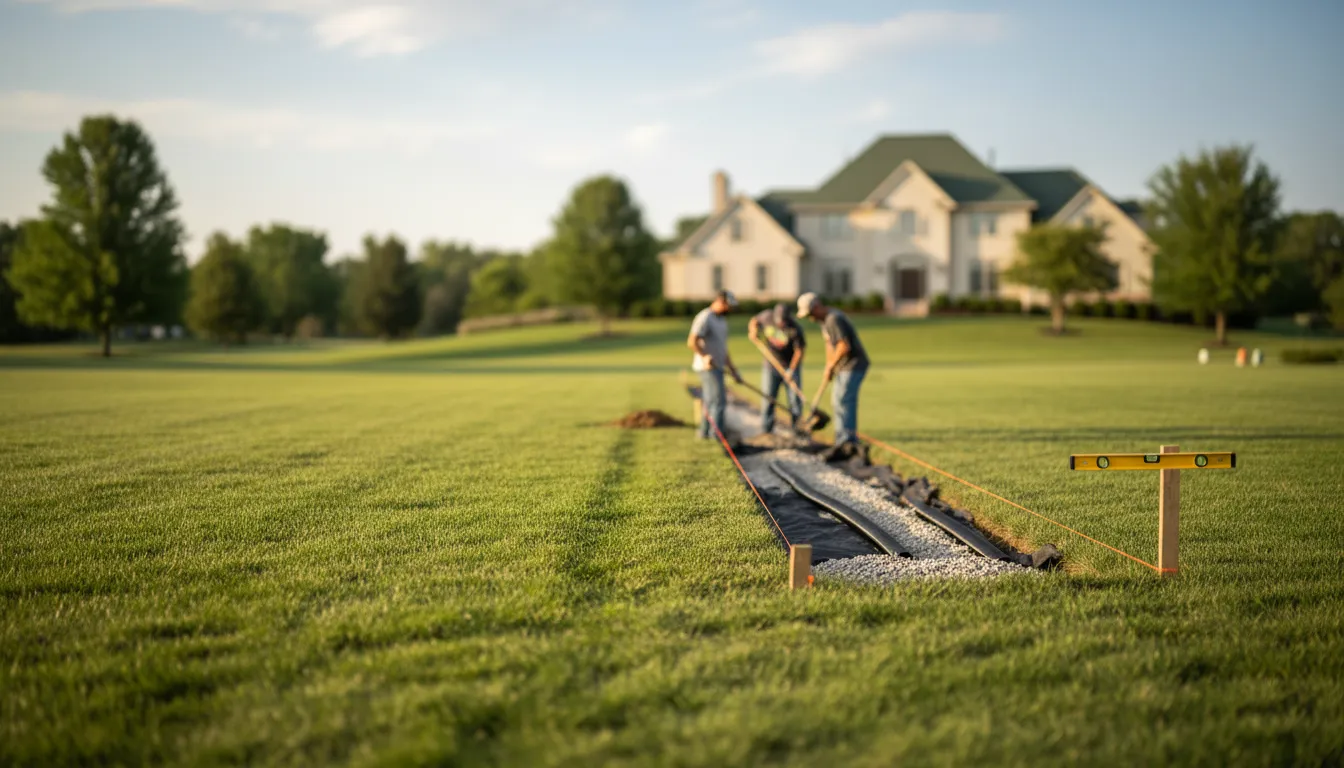
Find the Best Yard Drainage Contractors for Your Business
No obligation • Fast responses • Nationwide coverage

Why you can trust Landscape Atlas
Landscape Atlas is a leading United States resource for evaluating landscaping, lawn care, and outdoor service providers. Our team researches each category in depth, focusing on service quality, safety, and customer experience. Listings and rankings are based on independent criteria and user feedback, and companies cannot pay to influence our assessments or recommendations.
Search providers near you
Top Yard Drainage Contractors in Waipahu, Hawaii Ranked
Managing water flow on your property is a critical aspect of homeownership in Waipahu. Effective yard drainage and grading systems are designed to protect your home's foundation, prevent soil erosion, and eliminate standing water that can breed pests and damage landscaping. This is especially vital in our local climate, where heavy tropical rains can quickly overwhelm a poorly managed yard. The following information will help you understand the common solutions and considerations for addressing drainage issues, empowering you to connect with experienced local professionals who can assess your specific situation.
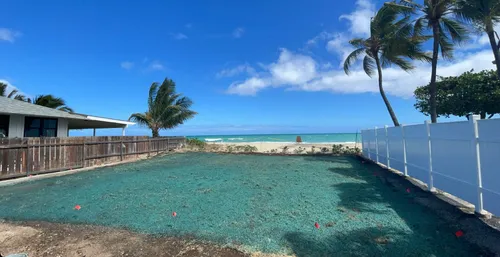
Aloha hydroseed
Keolu Dr, Kailua, HI 96734
Aloha Hydroseed is a lawn care company based in Honolulu, HI, specializing in hydroseeding as a cost-effective alternative to sod installation. They provide services including lawn fertilization, weed control, yard drainage, grading, sprinkler installation and repair, irrigation, land clearing, and brush removal. Their hydroseeding process involves thorough site preparation, irrigation setup, and fertilizing to promote healthy grass growth, with expertise in various grass types such as Eltoro Zoysia, St Augustine, Bermuda, and Seashore Pestpalm. The company emphasizes proper watering and weed management to ensure successful lawn establishment.
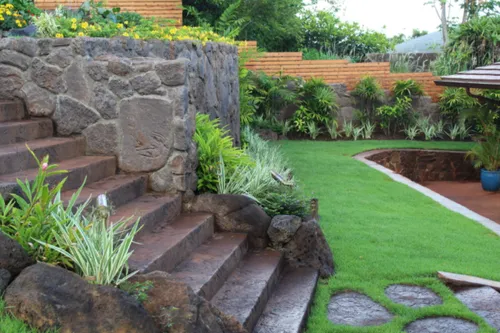
Landscape Builders Hawaii
Honolulu, HI
Landscape Builders Hawaii is a landscaping and hardscaping contractor based in Honolulu, HI. They offer a range of services including landscape design and installation, concrete driveway and patio construction, as well as wall and fence installation using various materials. The company also addresses yard drainage and erosion issues by creating functional outdoor spaces that enhance both residential and commercial properties. With years of experience, they guide clients from design through installation to achieve tailored outdoor living areas that complement the natural beauty of Hawaii.
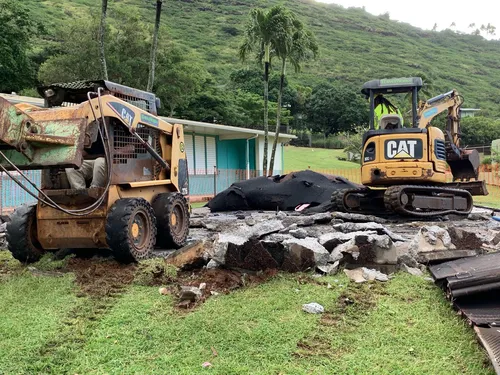
HAWAII WORKS, INC
160-A Ahui St, Honolulu, HI 96813
HAWAII WORKS, INC is a contractor based in Honolulu, HI, specializing in concrete, erosion control, masonry, excavation, and comprehensive site work. They serve all of Oahu, providing services such as grading, drainage, retaining walls, pavers, seawalls, and underground utilities. The company is experienced in handling both residential and commercial projects, with capabilities including structural concrete, shotcrete, soil nail walls, and coastal protection. Their work includes preparing land for construction, building durable foundations, and installing erosion control measures tailored to Hawaii's environment. HAWAII WORKS, INC emphasizes precision and craftsmanship to ensure long-lasting results. They are fully licensed, bonded, and insured, and operate during regular business hours on weekdays.
Aloha `Aina Landscaping LLC
41-668 Kakaina St, Waimanalo, HI 96795
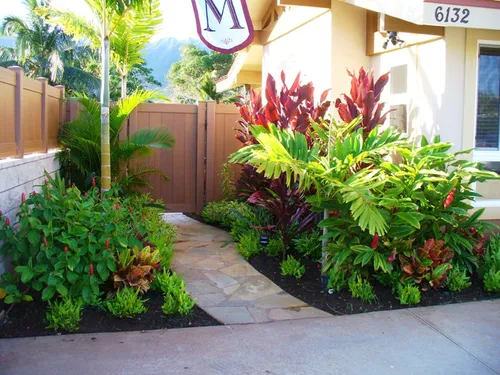
Aloha `Aina Landscaping LLC is a licensed and insured landscaping company based in Honolulu, HI. They offer a comprehensive range of services including landscape design and planting, irrigation system installation, lawn installation, drainage and grading, masonry and fencing construction, landscape lighting, and yard care. Their nursery grows high-quality plants to support vibrant outdoor spaces. The company emphasizes transparent communication and partnership to meet client project visions with cost-effective solutions. Aloha `Aina Landscaping is known for their masonry construction capabilities such as driveway and walkway paving.
Ultimate Innovations Inc
41-937 Kakaina St, Waimanalo, HI 96795
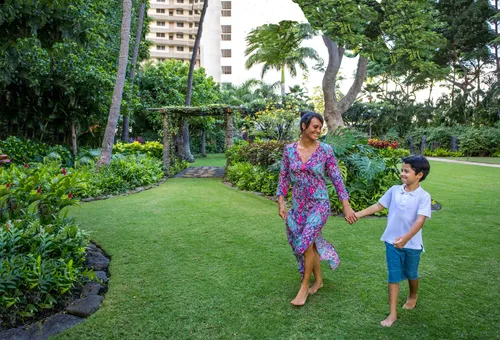
Ultimate Innovations Inc is a landscaping company based in Honolulu, HI, offering a wide range of commercial and residential landscaping services. They specialize in landscape design, maintenance, tree care, sprinkler installation and repair, yard drainage, hardscaping, and lawn care. The company integrates sustainable practices such as native plant use, water-efficient irrigation, and organic soil enrichment to preserve Hawaii's unique environment. With expertise in creating tropical landscapes that reflect local heritage, Ultimate Innovations serves diverse clients including resorts, commercial properties, municipalities, and residential homeowners. They also provide 24/7 emergency services for urgent landscape issues.
Understanding Drainage Challenges in Waipahu
Waipahu's unique environment presents specific challenges for property water management. The area experiences intense, periodic tropical rainfall that can deliver a large volume of water in a short time. Furthermore, Oahu's prevalent clay soils absorb and release water slowly, which can lead to prolonged surface pooling and subsurface saturation if water isn't actively directed away. Without a proper drainage plan, this water can seep toward your home's foundation, create muddy bogs in your lawn, or even contribute to localized flooding. A well-designed system isn't just about convenience; it's a protective measure for your property's structural integrity and value.
Core Principles of Effective Water Management
The goal of any drainage or grading project is to control the path of surface and subsurface water. This involves two key concepts: grading, which is the shaping of the land's surface, and drainage, which involves installed systems to collect and redirect water. Successful projects often combine both. Proper land grading creates a gentle slope (typically a minimum 2% grade away from structures) that encourages water to flow off your property naturally 1. When grading alone isn't sufficient, subsurface drainage solutions are installed to intercept water below the surface or at collection points.
Common Drainage and Grading Solutions
Local professionals utilize a range of techniques to solve water problems. The right choice depends on your property's topography, soil type, and the specific issue you're facing.
Grading and Sloping
This is often the first line of defense. Regrading involves moving soil to create a consistent slope away from your home's foundation and toward a suitable discharge point, like a street gutter or a drainage easement. For larger properties, earth shaping can include creating swales-broad, shallow ditches that channel water across a landscape.
French Drains
A French drain is a gravel-filled trench containing a perforated pipe. It's designed to collect subsurface water (hydrostatic pressure) and redirect it to a safer location. They are excellent for relieving wet basements, soggy yards, or areas where water tends to seep up from the ground. Proper installation includes landscape fabric to prevent clogging.
Catch Basins and Channel Drains
These are solutions for collecting surface water. A catch basin is a grated inlet placed at a low spot in your yard or driveway, connected to an underground pipe that carries the water away. Channel drains (or trench drains) are long, grated systems often used along driveways, patios, or walkways to intercept runoff before it reaches a structure.
Rain Gardens and Bioswales
These are landscaped, eco-friendly drainage features. A rain garden is a depressed area planted with native, water-tolerant plants that collects runoff from roofs or paved areas, allowing it to slowly infiltrate the soil while filtering pollutants. A bioswale is a similar but often longer, linear channel designed to convey water while also encouraging infiltration.
Dry Wells and Dry Creek Beds
A dry well is an underground pit filled with gravel that collects drainage pipe outflow, allowing water to gradually percolate into the surrounding soil. Dry creek beds are decorative surface features made of stone and rock that mimic a natural stream bed, providing an attractive path for water to flow during rains.
Find the perfect yard drainage contractors for your needs
Get personalized recommendations and expert advice
The Professional Project Process
Engaging a professional for yard drainage work typically follows a structured process to ensure an effective and lasting solution.
- Site Assessment and Diagnosis: A qualified landscaper or drainage expert will inspect your property to identify the source of water, map the flow, test soil composition, and determine the best legal discharge point. This crucial step informs the entire design.
- System Design and Planning: Based on the assessment, the professional will design a tailored system. This plan specifies the techniques to be used (e.g., grading, French drain layout, catch basin placement), materials needed, and the path for water from collection to discharge.
- Permitting: For significant earthwork or systems that tie into municipal storm drains, a permit from the City & County of Honolulu may be required. Your contractor should advise on and often handle this process.
- Excavation and Installation: This is the construction phase, involving digging trenches for pipes, shaping the land for proper yard sloping, and installing all drainage components like pipes, basins, and fabric.
- Backfill and Restoration: Once the system is in place, trenches are backfilled, and the site is restored. This may involve re-sodding grass, replanting gardens, or adding the finishing touches to a decorative dry creek bed.
What Influences Project Scope and Investment?
The scope and cost of a drainage project in Waipahu can vary widely based on several factors. The size of your property and the extent of the problem are primary drivers. A simple regrading of a small area is a different project than installing a comprehensive network of French drains and catch basins for an entire lot.
The techniques chosen directly impact the budget. For example, installing a subsurface drainage system with deep trenches and multiple catch basins involves more labor and materials than creating a surface swale. Local material costs and the complexity of working with Oahu's clay soil also play a role. Always seek a detailed, written estimate from a professional after they have assessed your property.
- Simple Grading or Swale Creation: This can range from a more modest investment for minor corrections to a more significant one for moving large amounts of earth.
- French Drain Installation: The cost depends heavily on length, depth, and accessibility, often representing a mid-range investment for a single run.
- Catch Basin System: Integrating multiple basins and longer pipe runs for comprehensive surface water control is typically a more substantial project.
- Rain Garden Installation: While plants and soil amendments have a cost, this can be a cost-effective and beautiful solution for managing runoff from downspouts 2.
Frequently asked questions
Sources
Footnotes
-
Waipahu Transit-Oriented Development Collaboration - Flood ... - https://issuu.com/uhcdc/docs/waipahu-tod_flood-mitigation-measures ↩
-
M&M LANDSCAPING AND YARD SERVICES - Updated January 2026 - https://m.yelp.com/biz/m-and-m-landscaping-and-yard-services-waipahu ↩