Find the Best Yard Drainage Contractors for Your Business
No obligation • Fast responses • Nationwide coverage

Why you can trust Landscape Atlas
Landscape Atlas is a leading United States resource for evaluating landscaping, lawn care, and outdoor service providers. Our team researches each category in depth, focusing on service quality, safety, and customer experience. Listings and rankings are based on independent criteria and user feedback, and companies cannot pay to influence our assessments or recommendations.
Search providers near you
Top Yard Drainage Contractors in Naperville, Illinois Ranked
Proper yard drainage and grading are essential for protecting your Naperville home from water damage. These services manage surface and subsurface water flow to prevent basement flooding, foundation issues, and soggy, unusable lawns. This guide explains common solutions like regrading and French drains, helping you understand your options and connect with experienced local professionals who can assess your property's unique needs.
Ross & Jack's Landscaping Inc
Chicago, IL
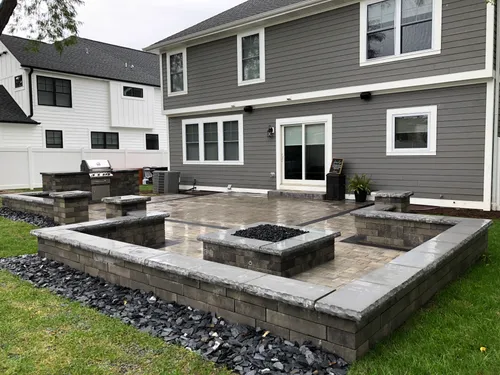
Ross & Jack's Landscaping Inc is a family-owned landscaping company based in Elmhurst, Illinois, serving Chicago and surrounding towns. Since 1975, they have offered comprehensive landscaping services including landscape design, installation, grounds maintenance, lawn care, sod installation, drainage solutions, and hardscaping such as retaining walls and brick paving. Their expertise includes digital landscape design layouts to help clients visualize projects before installation, as well as specialized drainage solutions like dry wells to manage water issues effectively. The company focuses on creating functional and aesthetically pleasing outdoor living spaces that enhance property value.
Ascend Irrigation, Inc
813 E Washington St, West Chicago, IL 60185
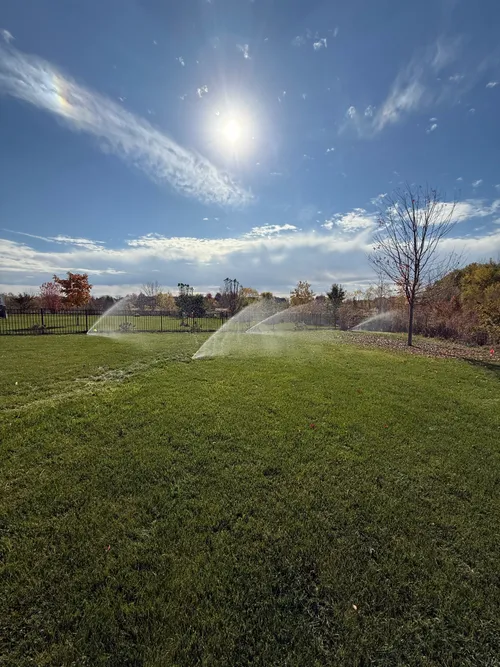
Ascend Irrigation, Inc is a Chicago, IL-based company specializing in landscape lighting installation, yard drainage, grading, and sprinkler system services. They design and install tailored irrigation and drainage solutions that promote efficient water use and help maintain healthy, vibrant outdoor spaces. Their expertise includes advanced irrigation technologies aimed at minimizing water waste and comprehensive drainage systems to prevent water buildup and erosion. With years of experience, Ascend Irrigation, Inc serves both residential and commercial properties, focusing on sustainable landscaping and outdoor lighting enhancements.
Xpert Flood Control And Seepage Inc.
3544 W Montrose Ave, Chicago, IL 60618
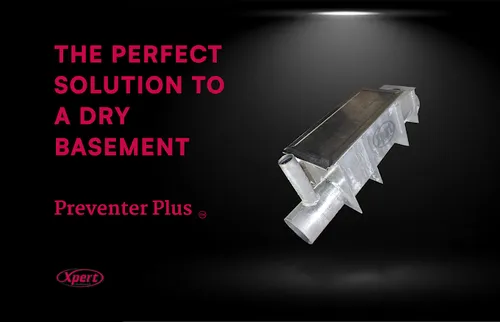
Xpert Flood Control And Seepage Inc. is a yard drainage and grading service provider located in Chicago, IL. They specialize in flood control, sump pump installation, and basement waterproofing, offering various flood prevention solutions for homes and yards. With over 63 locations serving Chicago and its suburbs, they provide local expertise in managing basement flooding and yard drainage issues. Their services include the installation of durable flood control products designed for long-term performance and backed by a warranty.
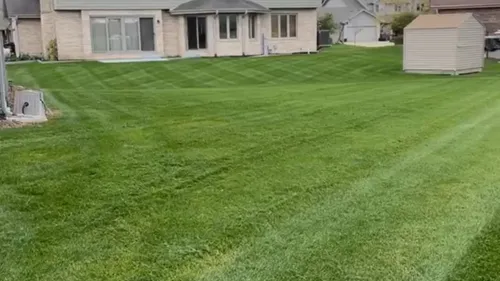
Arts Landscaping & Maintenance LLC
3146 W 59th St, Chicago, IL 60629
Arts Landscaping & Maintenance LLC is a locally owned landscaping and lawn care company based in Chicago, IL. They provide a wide range of outdoor services including lawn mowing, fertilization, weed control, sod installation, tree trimming and removal, stump grinding, yard drainage, grading, and hardscaping such as retaining walls and concrete pathways. The company serves both residential and commercial clients throughout Chicago, tailoring their services to the local climate and seasonal needs. Their capabilities include lawn aeration, overseeding, and comprehensive landscape maintenance to ensure healthy, vibrant outdoor spaces year-round.
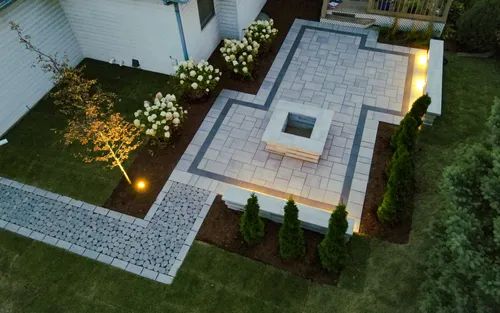
Luxterra Outdoors
Chicago, IL
Luxterra Outdoors is a landscaping company based in Chicago, IL, specializing in landscape design, sod and artificial turf installation, fence installation, yard drainage, sprinkler systems, and hardscaping including pavers and retaining walls. They focus on residential projects, offering sustainable and low-maintenance outdoor spaces tailored to Chicago's unique climate and lot sizes. Their services include managing permits for features like retaining walls and grading, and they incorporate capabilities such as smart irrigation systems and durable materials suited for winter weather. Luxterra Outdoors emphasizes thoughtful design for small urban yards, pet-friendly spaces, and historic homes, combining creativity with practical solutions.
Why Drainage is Critical in Naperville
Naperville's landscape and soil composition create specific challenges for homeowners. The region is known for its heavy clay soil, which absorbs water very slowly. After a rainstorm, water tends to pool on the surface or run off quickly, rather than soaking into the ground. This can lead to water seeping into basements, eroding landscaping, and creating persistent muddy areas in your yard. Effective water management systems are not just about comfort; they are a key component of home maintenance that safeguards your property's structural integrity and value.
Beyond the soil, local regulations emphasize responsible stormwater management. The City of Naperville provides guidelines to ensure drainage improvements direct water appropriately to the municipal storm system without negatively impacting neighboring properties. A professional familiar with these codes can design a system that is both effective and compliant.
Common Yard Drainage Solutions
Several proven techniques are used to correct drainage problems. The right solution depends on the source and path of the water on your property.
Regrading and Sloping
This is often the first line of defense. Regrading involves reshaping the soil around your home to create a slope that directs water away from the foundation. A standard guideline is a slope of 6 inches downward over a distance of 10 feet. This technique is applied not just near the house, but also to correct slopes on driveways, patios, and lawns to channel water toward the street or a designated drainage point.
French Drains
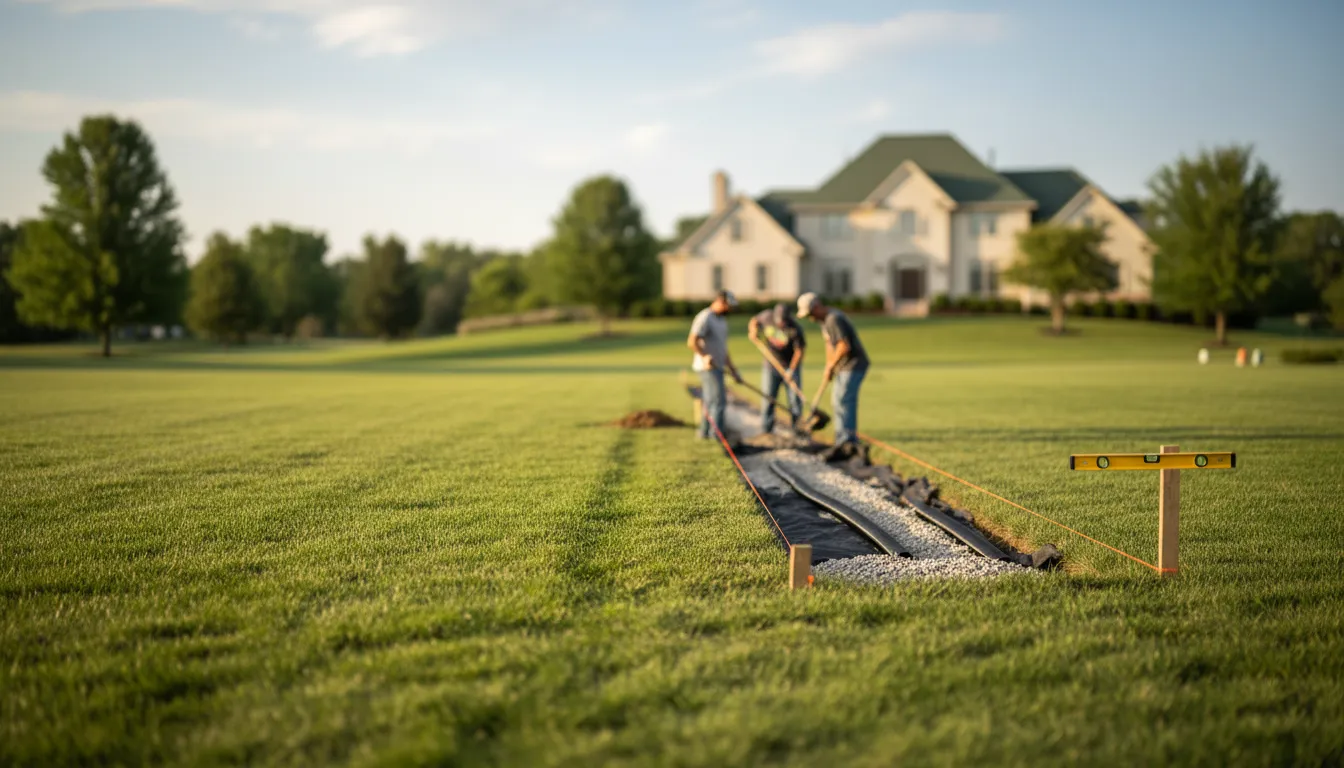
A French drain is a subsurface solution ideal for yards with soggy spots or where water collects at a low point. It consists of a trench filled with gravel containing a perforated pipe. The pipe collects groundwater and redirects it to a safer discharge area, such as a storm sewer inlet or a dry well. French drains are highly effective for managing water that percolates through Naperville's dense clay.
Catch Basins and Inlets
These are grated boxes installed in low areas of the yard where surface water pools. They act as collection points, catching runoff and connecting to an underground pipe system that carries the water away. Installing a catch basin is a common solution for a persistent puddle at the bottom of a driveway or in a backyard depression.
Swales and Downspout Management
Swales are broad, shallow, vegetated channels designed to guide surface water across your property to a suitable outlet. They are a more natural-looking alternative to buried pipes. Proper downspout management is also crucial; this involves disconnecting downspouts from the sewer and extending them away from the foundation, often directing water into a swale or toward the street.
Find the perfect yard drainage contractors for your needs
Get personalized recommendations and expert advice
The Professional Installation Process
A successful drainage project follows a systematic approach to ensure long-term results.
- Assessment: A thorough inspection is conducted after a rain event to identify pooling water, runoff paths, and soil saturation issues. Professionals evaluate the property's slope and look for signs of foundation water exposure.
- Design: A plan is created that may combine several techniques-such as regrading a section of lawn, installing a French drain in a wet area, and adding a catch basin. The design must account for the final discharge point, connecting to the city storm system where possible.
- Preparation: The work area is marked, and any existing landscaping that needs protection is addressed. Unwanted plants or structures in the excavation path are removed.
- Installation: This phase includes the physical work: excavating trenches, laying pipe, setting basins, regrading soil, and connecting downspouts. For French drains, this involves placing gravel and perforated pipe before backfilling.
- Restoration & Testing: Once the drainage components are in place, the area is backfilled, compacted, and restored with new sod or seed. The system is then tested, often with a hose, to verify water flows correctly away from the home and into the intended drainage path.
Understanding Project Investment
The cost of drainage work in Naperville varies significantly based on the property's size, the complexity of the problem, and the solutions required. Here is a general overview of what homeowners might expect:
- Minor Regrading or Downspout Extensions: Simpler projects can range from $500 to $2,000 or more. While some downspout work can be a DIY project, professional regrading ensures the correct slope is achieved for lasting protection.
- French Drain Installation: A common and effective solution, a French drain system typically costs between $1,500 and $4,000+ for a 50-foot run. The final price depends on depth, soil conditions (clay can be harder to excavate), and the extent of lawn restoration needed afterward 1.
- Catch Basin/Inlet Installation: Adding a single catch basin to manage a specific pooling issue may cost between $800 and $2,500, not including the cost of connecting it to a longer drainage pipe run.
- Comprehensive Yard Drainage System: For properties requiring multiple interventions-such as regrading, several French drains, and multiple catch basins-the project can represent a major investment, often ranging from $3,000 to over $10,000 2. These systems provide a complete solution for chronically wet yards.
Naperville-Specific Considerations
When planning drainage improvements, it's important to work with professionals who understand local factors.
- Clay Soil Expertise: Contractors experienced with Naperville's clay know how to design systems that work with its slow-percolating nature, often emphasizing movement over absorption 3.
- City Guidelines and Resources: Professionals should ensure designs direct water to the municipal storm system appropriately. Homeowners can also participate in community efforts like the Adopt-A-Drain program, helping keep neighborhood street drains clear of debris to prevent localized street flooding 4.
- Permitting: While not always required for every project, significant regrading or connections to city infrastructure may need a permit. A qualified contractor will handle this process.
Frequently asked questions
Sources
Footnotes
-
Yard Drainage Central Illinois - Midstate Land Solutions, LLC - https://midstatelandsolutions.com/yard-drainage-central-illinois/ ↩
-
Naperville Yard Drainage Contractors & Flooded Lawns - https://warelandscaping.com/drainage/ ↩
-
Yard Drainage and Flooding | The City of Naperville - https://www.naperville.il.us/residents/stormwater/yard-drainage-and-flooding/ ↩
-
Stormwater Resources | The City of Naperville - https://www.naperville.il.us/residents/stormwater/ ↩