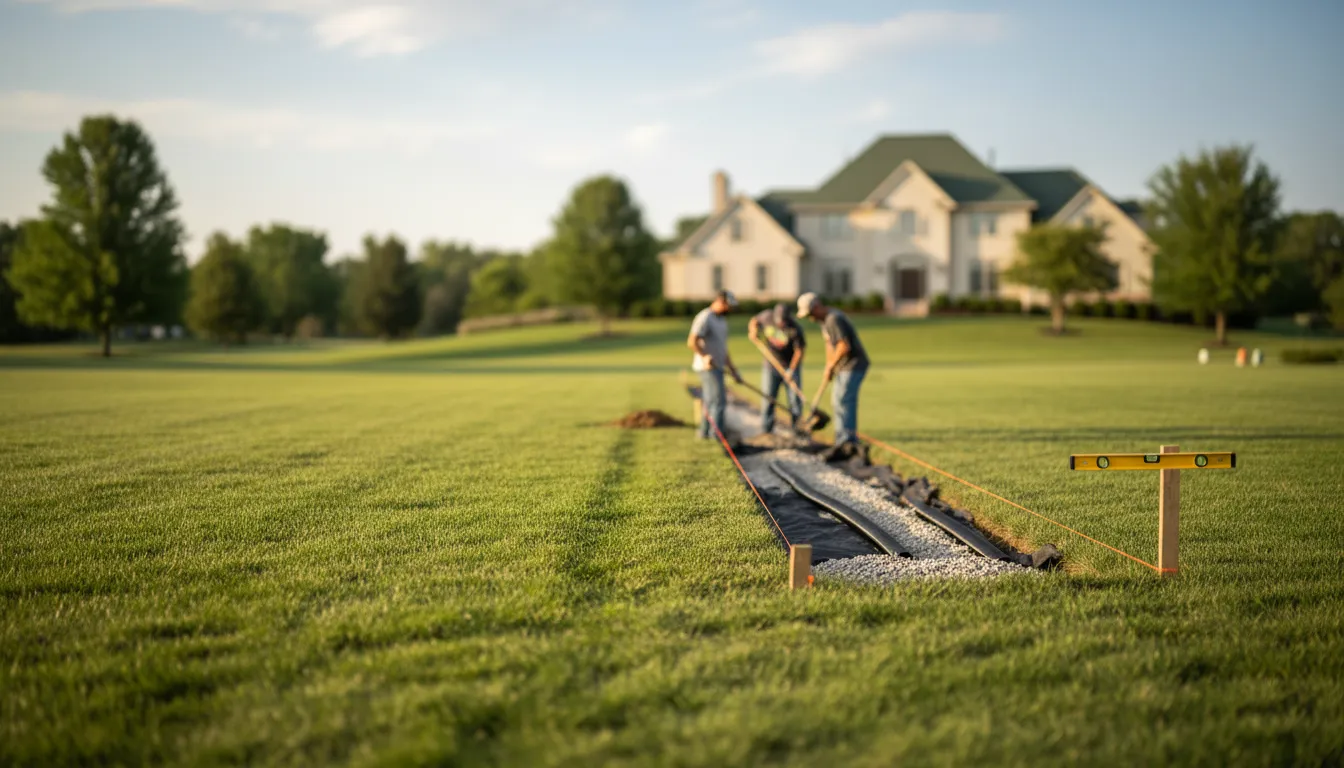
Find the Best Yard Drainage Contractors for Your Business
No obligation • Fast responses • Nationwide coverage

Why you can trust Landscape Atlas
Landscape Atlas is a leading United States resource for evaluating landscaping, lawn care, and outdoor service providers. Our team researches each category in depth, focusing on service quality, safety, and customer experience. Listings and rankings are based on independent criteria and user feedback, and companies cannot pay to influence our assessments or recommendations.
Search providers near you
Best Yard Drainage Contractors in Indiana Ranked
Effective yard drainage and proper grading are essential for protecting your Indiana home from water damage. The state's heavy rainfall and varied soil conditions can lead to foundation issues, basement flooding, and landscape erosion if water isn't managed correctly. This guide explains the core principles of managing water on your property and how to connect with local professionals who can assess your specific situation and implement the right solutions.
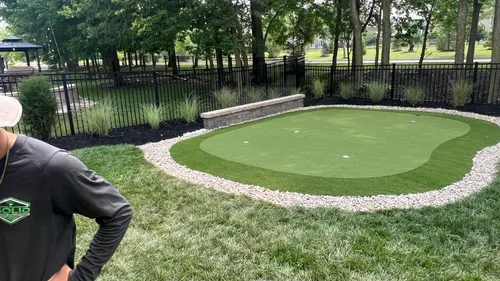
Solid Ground Solutions LLC
5342 Elmwood Ave Ste J&K, Indianapolis, IN 46203
Solid Ground Solutions LLC is a landscaping and hardscaping company based in Indianapolis, IN. They offer a range of services including custom hardscape design and installation, artificial turf installation, landscape installation, yard drainage, and lawn grading. Their work covers Indianapolis and nearby areas such as Greenwood, Fishers, Carmel, Noblesville, and Avon. The company specializes in durable paver patios, walkways, retaining walls, and pet-friendly synthetic turf with superior drainage. Solid Ground Solutions LLC is licensed, bonded, and insured, emphasizing clear communication and professionalism throughout each project.
Fralich's
959 W 100 N, Greenfield, IN 46140
Fralich's is a landscaping company serving Indianapolis, IN, with over 20 years of combined experience. They offer a wide range of services including lawn mowing, fertilization, weed control, landscape design and installation, yard drainage and grading, sprinkler installation and repair, land clearing, and hardscaping such as pavers and retaining walls. Their team uses professional equipment for land grading to ensure lawns are even and free of standing water. Established in 2006, Fralich's has grown from a one-man operation to a seasonal crew of 15, focusing on both residential and commercial landscaping projects.

Fine Touch Services
12175 Visionary Way Suite 929, Fishers, IN 46038
Fine Touch Services is a landscaping and lawn care company based in Indianapolis, IN. They offer a wide range of services including lawn mowing, fertilization, weed control, sod installation, fence installation, landscape lighting, tree and stump removal, yard drainage, sprinkler system installation and repair, land clearing, and hardscaping such as patios and retaining walls. Serving the Greater Indianapolis area, including Carmel, Fishers, Noblesville, and surrounding communities, Fine Touch provides custom irrigation and drainage solutions along with comprehensive landscape design and installation. Their capabilities include outdoor living spaces, fire pits, water features, and seasonal lawn maintenance.
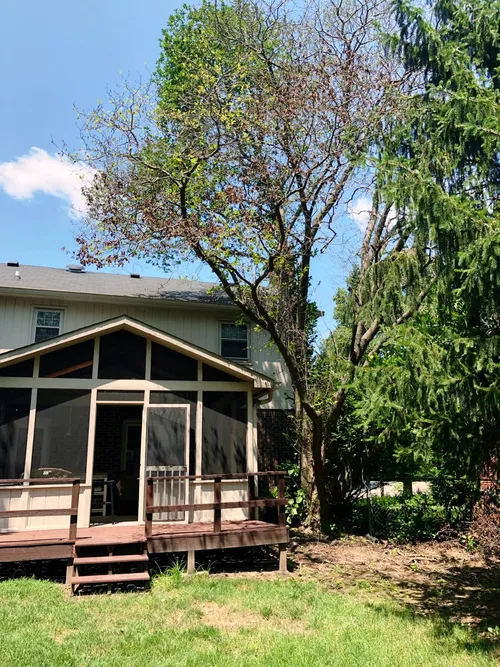
Evergreen Tree Service & Landscape
13255 Parkside Dr Suite 102, Fishers, IN 46038
Evergreen Tree Service & Landscape is a landscaping and tree service company based in Indianapolis, IN. They offer a wide range of services including tree removal, stump grinding, sod installation, landscape design, yard drainage, land clearing, and hardscaping such as patios and retaining walls. Their team includes certified arborists who prioritize safety and use the right equipment for tasks like stump grinding and lot clearing. Evergreen Outdoor is locally owned and known for handling challenging projects that other companies may not take on, ensuring quality work and customer satisfaction.
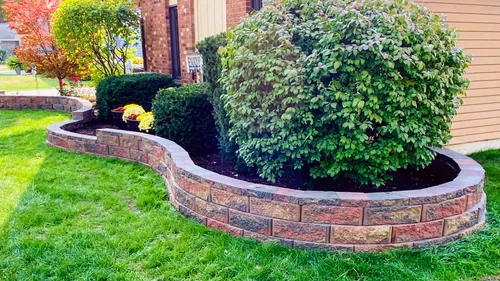
Golden Gates Lawn Care & Landscaping LLC
Fort Wayne, IN
Golden Gates Lawn Care & Landscaping LLC offers a wide range of landscaping and lawn care services in Fort Wayne, IN. They serve both residential and commercial properties with services including custom landscape design, lawn fertilization, weed control, fence installation, yard drainage solutions, and hardscaping such as patios and retaining walls. The company also provides seasonal maintenance like spring planting, fall leaf removal, and snow management to keep properties looking their best year-round. Their approach emphasizes attention to detail and personalized outdoor spaces, including features like fire pits, water elements, and outdoor kitchens. Golden Gates is known for its licensed and insured team, clear pricing, and a comprehensive approach to maintaining healthy and attractive green spaces.
Why Proper Drainage is Critical in Indiana
Indiana's climate presents unique challenges for homeowners. The state receives significant rainfall throughout the year, which, when combined with common soil types like clay, can lead to excessive surface runoff and poor water absorption. Without a proper drainage plan, this water pools around your home's foundation, saturates your lawn, and can easily find its way into your basement or crawl space. Furthermore, erosion from uncontrolled runoff can wash away topsoil, damage plantings, and create unsightly gullies in your landscape. Implementing effective drainage and grading isn't just about fixing a wet yard; it's a crucial investment in your property's structural integrity and long-term value.
Core Principles: Grading and Runoff Management
The first and most fundamental line of defense is ensuring your yard has the correct grade, or slope.
Establishing Positive Grade The golden rule for protecting your home is to maintain a slope that directs water away from the foundation. A standard recommendation is a minimum 6-inch drop in the first 10 feet of ground extending from your house. This "positive grade" ensures surface water flows away from your basement walls rather than pooling against them. Over time, soil can settle, or landscaping projects can inadvertently alter the grade, so this should be checked periodically.
Managing Roof Runoff Your roof collects a massive amount of water during a storm. Gutters and downspouts are critical for channeling this water, but where the downspout terminates is equally important. Simply letting water dump at the base of your house defeats the purpose. Downspouts should be extended several feet away from the foundation, ideally connecting to a splash block or, for better results, an underground drain pipe that carries the water to a safe discharge point.
Complementary Protective Measures For comprehensive protection, grading is often paired with other techniques. Foundation waterproofing, which involves sealing basement walls with specialized membranes or coatings, provides a barrier against any water that does accumulate1. Using pervious surfaces like permeable pavers for patios or driveways also helps by allowing rainwater to infiltrate the ground on-site rather than becoming runoff.
Find the perfect yard drainage contractors for your needs
Get personalized recommendations and expert advice
Common Drainage Solutions for Indiana Properties
When positive grading alone isn't enough to handle Indiana's rainfall, several effective drainage systems can be installed. The right choice depends on your specific problem: surface water, subsurface water, or the need to slow and filter runoff.
French Drains and Perimeter Drains A French drain is a gravel-filled trench containing a perforated pipe. It's designed to intercept and redirect subsurface water (water moving through the soil). They are exceptionally useful for relieving hydrostatic pressure against foundation walls or for draining a consistently soggy area of the lawn. For homes on slopes greater than 2%, a perimeter drain installed around the foundation is often recommended to catch water moving downhill2.
Surface Drains: Catch Basins and Trench Drains These systems address surface water in concentrated flow paths. A catch basin is a grated inlet installed in a low spot, connected to an underground pipe. It's perfect for collecting water from downspouts or draining puddles that form on driveways and patios. A trench drain is a long, linear grate system, ideal for channeling water across a sidewalk or the base of a sloping driveway.
Swales and Berms These are landscape-shaped features that guide water. A swale is a broad, shallow, vegetated channel designed to convey runoff slowly, allowing for some infiltration. A berm is a raised mound of soil used to divert water flow around a protected area, like a home's foundation. They are often used in tandem.
Rain Gardens A rain garden is a depressed area planted with native, water-tolerant vegetation. It's designed to collect runoff from roofs or paved areas, allowing it to pond temporarily and soak into the ground. This not only reduces runoff volume but also filters pollutants 3. They are an excellent, eco-friendly solution for managing stormwater in a residential setting.
Understanding Costs and Planning Your Project
The cost of drainage and grading work in Indiana varies widely based on the scope, property size, and solutions chosen.
- Grading / Finish Grading: Simple regrading of soil around a foundation may start around $200, while more complex regrading of an entire yard can cost $1,000 or more4.
- French Drain: Installed costs typically range from $15 to $40 per linear foot, which includes excavation, pipe, gravel, and filter fabric 5.
- Rain Garden: A small residential rain garden can be installed for between $300 and $1,500, depending on size, plants, and soil amendments6.
- Catch Basin/Trench Drain: Installation of a single catch basin or a small trench drain system can range from $400 to over $1,200, influenced by depth, piping length, and site complexity7 8.
These are estimates, and obtaining multiple quotes from qualified local professionals is essential. A reputable provider will start with a thorough site evaluation to diagnose the water flow patterns and soil conditions before recommending a solution.
Regulations and Best Practices in Indiana
When planning a drainage project, it's important to be aware of guidelines and potential regulations.
State and Local Guidance The Indiana Department of Environmental Management (IDEM) provides the Indiana Storm Water Quality Manual, which outlines best management practices (BMPs) for controlling runoff and pollution9 10. While these are often geared toward larger developments, the principles are sound for residential projects. Many local municipalities have their own ordinances regarding stormwater management, erosion control, and permits for excavation or altering drainage patterns. For example, cities like Portage have adopted specific technical standards for stormwater systems11. Always check with your local building or planning department before beginning significant work.
Professional Design and Installation For anything beyond minor regrading, working with a knowledgeable professional is wise. They understand how to calculate flow rates, size pipes appropriately, and ensure systems discharge to a legal and stable outlet (like a storm sewer or daylighted area where it won't cause erosion on a neighbor's property). Proper installation is key-a French drain installed at the wrong depth or without the correct filter fabric will fail prematurely 12.
Frequently asked questions
Sources
Footnotes
-
The Complete Guide to Landscape Grading - https://www.bloomingtonlandscape.com/the-complete-guide-to-landscape-grading/ ↩
-
CHAPTER - IN.gov - https://www.in.gov/idem/stormwater/files/stormwater_manual_chap_08.pdf ↩
-
CHAPTER - IN.gov - https://www.in.gov/idem/stormwater/files/stormwater_manual_chap_05.pdf ↩
-
Finish Grading - Berger Hargis Landscape Management - https://bergerhargis.com/finish-grading/ ↩
-
Indiana Standards for Drainage Systems - IN.gov - https://www.in.gov/health/eph/files/Standard_Drainage.pdf ↩
-
Yard Grading in Indianapolis: A Critical Step to Protect Your Home ... - https://integrityoutdoorsolutions.com/yard-grading-in-indianapolis/ ↩
-
4 Best Types of Backyard Drainage Systems - Slot Drain - https://blog.slotdrainsystems.com/backyard-drainage-design ↩
-
10 Things You Can Do to Prevent Stormwater Runoff Pollution - https://www.farmington-ct.org/departments/engineering/stormwater/10-things-to-prevent-stormwater-pollution ↩
-
Indiana Storm Water Quality Manual - IN.gov - https://www.in.gov/idem/stormwater/resources/indiana-storm-water-quality-manual/ ↩
-
indiana storm water quality manual - INAFSM - https://www.inafsm.net/assets/docs/indiana%20storm%20water%20quality%20manual.pdf ↩
-
Storm Water Technical Standards Manual - Portage, IN - https://www.portagein.gov/DocumentCenter/View/5277/Portage-Stormwater-Technical-Guide-Adopted-June-6-2024 ↩
-
Excavation, Landscaping, & Drainage Solutions in Bloomington, Indiana - https://www.robertslandscapinganddrainagesolutions.com/excavation-landscaping-french-drains-and-drainage-solution-services-in-bloomington-indiana ↩