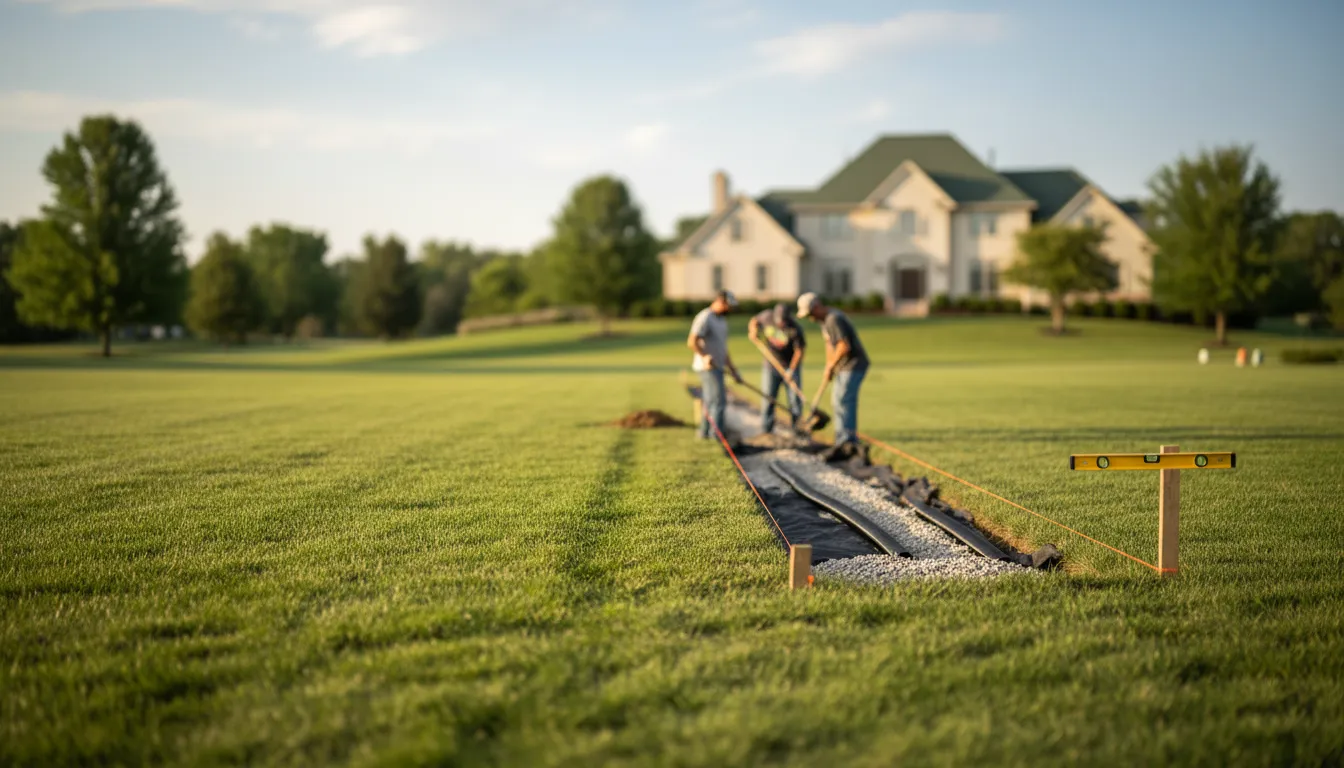
Find the Best Yard Drainage Contractors for Your Business
No obligation • Fast responses • Nationwide coverage

Why you can trust Landscape Atlas
Landscape Atlas is a leading United States resource for evaluating landscaping, lawn care, and outdoor service providers. Our team researches each category in depth, focusing on service quality, safety, and customer experience. Listings and rankings are based on independent criteria and user feedback, and companies cannot pay to influence our assessments or recommendations.
Search providers near you
Top Yard Drainage Contractors in Indianapolis, Indiana Ranked
A soggy, waterlogged yard is more than just an inconvenience; it can threaten your home's foundation, create a breeding ground for pests, and ruin your landscaping. Proper yard drainage and grading involves managing the flow of surface and subsurface water to protect your property. This guide explains the common water management solutions for Indianapolis homes, helping you understand your options and connect with experienced local professionals who can assess and solve your specific drainage challenges.
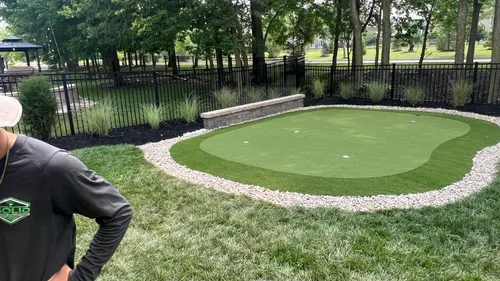
Solid Ground Solutions LLC
5342 Elmwood Ave Ste J&K, Indianapolis, IN 46203
Solid Ground Solutions LLC is a landscaping and hardscaping company based in Indianapolis, IN. They offer a range of services including custom hardscape design and installation, artificial turf installation, landscape installation, yard drainage, and lawn grading. Their work covers Indianapolis and nearby areas such as Greenwood, Fishers, Carmel, Noblesville, and Avon. The company specializes in durable paver patios, walkways, retaining walls, and pet-friendly synthetic turf with superior drainage. Solid Ground Solutions LLC is licensed, bonded, and insured, emphasizing clear communication and professionalism throughout each project.
Fralich's
959 W 100 N, Greenfield, IN 46140
Fralich's is a landscaping company serving Indianapolis, IN, with over 20 years of combined experience. They offer a wide range of services including lawn mowing, fertilization, weed control, landscape design and installation, yard drainage and grading, sprinkler installation and repair, land clearing, and hardscaping such as pavers and retaining walls. Their team uses professional equipment for land grading to ensure lawns are even and free of standing water. Established in 2006, Fralich's has grown from a one-man operation to a seasonal crew of 15, focusing on both residential and commercial landscaping projects.

Fine Touch Services
12175 Visionary Way Suite 929, Fishers, IN 46038
Fine Touch Services is a landscaping and lawn care company based in Indianapolis, IN. They offer a wide range of services including lawn mowing, fertilization, weed control, sod installation, fence installation, landscape lighting, tree and stump removal, yard drainage, sprinkler system installation and repair, land clearing, and hardscaping such as patios and retaining walls. Serving the Greater Indianapolis area, including Carmel, Fishers, Noblesville, and surrounding communities, Fine Touch provides custom irrigation and drainage solutions along with comprehensive landscape design and installation. Their capabilities include outdoor living spaces, fire pits, water features, and seasonal lawn maintenance.
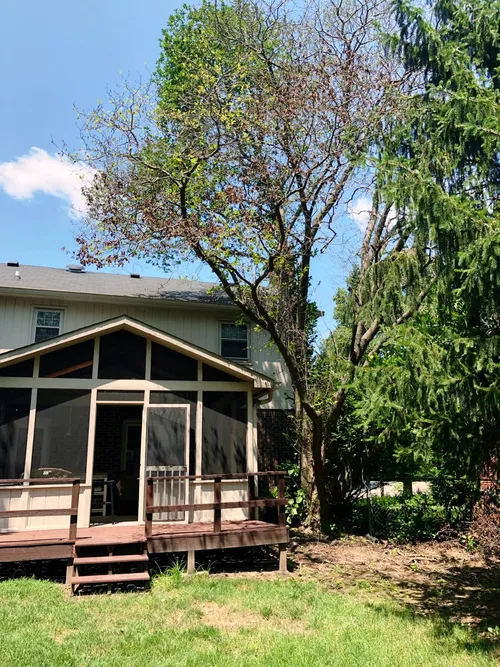
Evergreen Tree Service & Landscape
13255 Parkside Dr Suite 102, Fishers, IN 46038
Evergreen Tree Service & Landscape is a landscaping and tree service company based in Indianapolis, IN. They offer a wide range of services including tree removal, stump grinding, sod installation, landscape design, yard drainage, land clearing, and hardscaping such as patios and retaining walls. Their team includes certified arborists who prioritize safety and use the right equipment for tasks like stump grinding and lot clearing. Evergreen Outdoor is locally owned and known for handling challenging projects that other companies may not take on, ensuring quality work and customer satisfaction.
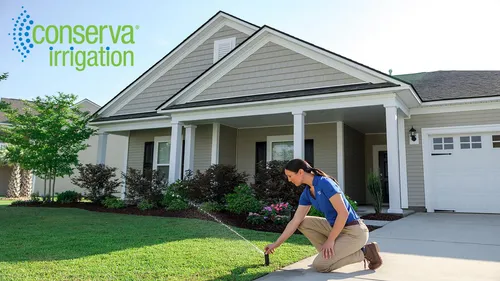
Conserva Irrigation of North Indianapolis
8481 Bash St #1300, Indianapolis, IN 46250
Conserva Irrigation of North Indianapolis provides irrigation system design, installation, repair, and maintenance services in Indianapolis, IN, and surrounding areas including Carmel, Fishers, Noblesville, Westfield, and Zionsville. They specialize in sprinkler system installation and repair, yard drainage, grading, and smart irrigation solutions that help conserve water and improve lawn health. Their services include system inspections, winterization, backflow testing, and upgrades to intelligent controllers and sensors. Conserva Irrigation emphasizes efficient water use and offers comprehensive expertise in irrigation system components and layout. The company has built a reputation for thorough diagnostics and clean repairs, serving the community with a focus on water conservation and system optimization.
Understanding Indianapolis Drainage Problems
The flat topography and heavy clay soils common in Central Indiana can create perfect conditions for standing water. Spring thaws and summer thunderstorms often overwhelm natural drainage, leaving yards saturated for days. This persistent moisture isn't just a nuisance-it can lead to foundation cracks, basement flooding, and the death of grass and plants. Identifying the source of the water is the first step, whether it's surface runoff from a neighbor's property, poor lot grading from the original construction, or a high water table.
Core Solutions for Water Management
Professional water control strategies range from simple regrading to complex underground systems. The right approach depends on the water's source, your yard's slope, and your budget.
Regrading and Resloping
The most fundamental solution is to reshape your yard's contour. Proper yard grading creates a gentle slope (typically a 2-5% grade) away from your home's foundation, guiding surface water toward a safe outlet like a storm drain or a wooded area 1. This process often involves bringing in clean topsoil or fill dirt to build up low spots and create the correct pitch. For many homes, correcting the slope within the first 5 to 10 feet of the foundation is the most critical step in preventing basement moisture issues.
French Drain Systems
When water pools in the middle of a yard or soaks into the ground near the foundation, a French drain is a common remedy. This is a trench filled with gravel containing a perforated pipe that collects and redirects groundwater. The pipe is wrapped in fabric to prevent soil clogging and is sloped to carry water to a daylight point, dry well, or storm sewer. French drains are highly effective for solving subsurface saturation and are a staple of professional land drainage work in Indianapolis.
Surface Drainage: Swales, Basins, and Channels
For managing rainwater runoff across the surface, several solutions exist. A swale is a broad, shallow, vegetated ditch designed to channel water slowly, allowing some to infiltrate the soil while moving the rest away. Catch basins and channel drains are used in hardscape areas like driveways or patios. These grated inlets collect surface water and connect to underground piping, making them essential for preventing puddles on paved surfaces.
Complementary Techniques
Sometimes, improving the soil itself can aid drainage. Core aeration and adding soil amendments like sand or compost can help break up compacted clay, allowing water to percolate down more effectively for minor damp areas. Dry wells are another component, acting as underground storage chambers that collect water from downspouts or drains and release it slowly into the surrounding soil, which is useful when there's no convenient outlet.
Find the perfect yard drainage contractors for your needs
Get personalized recommendations and expert advice
The Professional Installation Process
Tackling a significant drainage issue is a multi-stage project best left to experts who understand local soil conditions and regulations.
- Site Assessment & Diagnosis: A specialist will visit after a rain to observe water flow, identify the source, and locate low spots. They may perform simple tests to check soil composition and percolation rates.
- System Design & Planning: Using their assessment, the professional will design a tailored system. This plan will specify the type of drains, pipe sizing and placement, slope calculations, and the final outlet point, ensuring all work complies with local codes 2.
- Excavation & Installation: This is the physical work: digging trenches for French drains, reshaping the earth for regrading, or placing basins. Proper installation depth, slope, and pipe connections are crucial for long-term functionality 3.
- Connection & Outlet: Every system must discharge water somewhere legally and safely. The installer will ensure pipes daylight in a suitable area or connect properly to a municipal storm system or dry well.
- Restoration & Cleanup: The final step is restoring your yard. This includes backfilling trenches, compacting soil, laying new sod or grass seed, and repairing any disturbed landscaping or hardscapes.
What to Expect: Investment and Considerations
The cost for drainage solutions in Indianapolis varies dramatically based on the yard's size, the complexity of the problem, and the solutions chosen. Simple regrading or adding a swale might range from $500 to $2,000, while installing a comprehensive French drain system can cost between $1,000 and $3,000 or more per section 4 5 6. Systems involving multiple catch basins, channel drains, or dry wells can reach $4,000 to $5,000+ 7 8. These are estimates; obtaining multiple detailed quotes from local contractors is essential for an accurate price.
When evaluating professionals, look for experience with residential grading and drainage, proper licensing and insurance, and the ability to explain their diagnosis and plan clearly. Ask for references and, if possible, see examples of their completed work. A reputable contractor will focus on solving the root cause of the water problem, not just its symptoms.
Maintaining Your Drainage System
Once installed, a good drainage system requires minimal maintenance but shouldn't be ignored. Periodically inspect the outlets after heavy rain to ensure they are flowing freely. Keep grass over swales mowed and clear any debris from catch basin grates. For French drains, avoid planting deep-rooted trees or shrubs near the pipe lines. Every few years, have a professional check the system, especially if you notice water beginning to back up again, to ensure it remains fully functional.
Frequently asked questions
Sources
Footnotes
-
Yard Grading 101: Everything you need to know - This Old House - https://www.thisoldhouse.com/lawns/yard-grading ↩
-
How to Prevent Waterlogging in Your Garden: Creative Drainage Solutions - https://www.haywood-landscapes.co.uk/haywood-blog/how-to-prevent-waterlogging-in-your-garden-creative-drainage-solutions ↩
-
Sloped Yard Drainage: 12 Best DIY Solutions for 2024 - https://salcorplandscaping.com/sloped-yard-drainage/ ↩
-
Control Heavy Runoff - Solving Drainage and Erosion Problems - https://www.fairfaxcounty.gov/soil-water-conservation/drainage-problem-control-runoff ↩
-
8 Ways to Stop Yard Flooding This Spring After Heavy Rain - PuroClean - https://www.puroclean.com/blog/yard-flooding/ ↩
-
How to Fix the Wet Spot in Your Yard | Proven Winners - https://www.provenwinners.com/learn/finding-right-plant/how-fix-wet-spot-your-yard ↩
-
How to Solve Yard Drainage Problems | Lowe's - https://www.lowes.com/n/how-to/solve-simple-drainage-problems ↩
-
How Yard Drainage Works: Understanding the Science Behind It - https://www.schmittwaterproofing.com/blog/understanding-the-science-behind-yard-drainage/ ↩