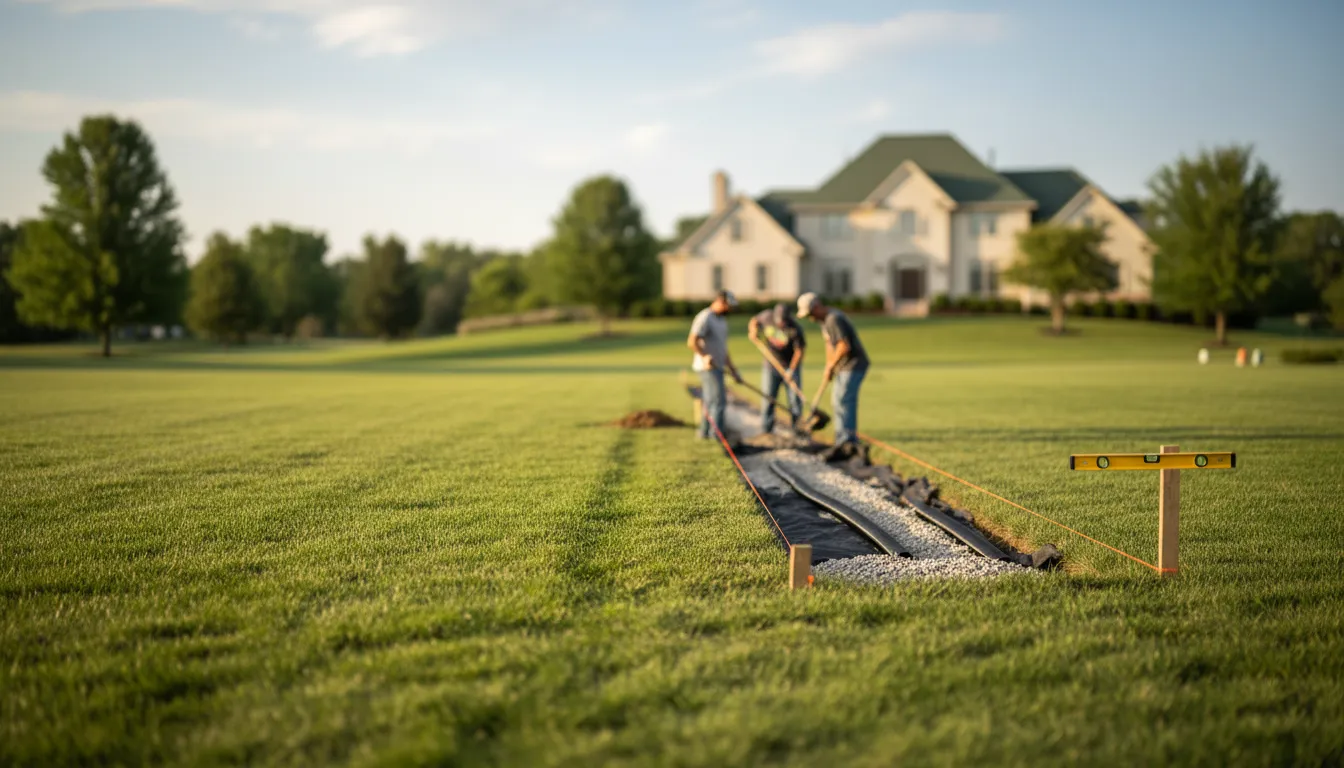
Find the Best Yard Drainage Contractors for Your Business
No obligation • Fast responses • Nationwide coverage

Why you can trust Landscape Atlas
Landscape Atlas is a leading United States resource for evaluating landscaping, lawn care, and outdoor service providers. Our team researches each category in depth, focusing on service quality, safety, and customer experience. Listings and rankings are based on independent criteria and user feedback, and companies cannot pay to influence our assessments or recommendations.
Search providers near you
Top Yard Drainage Contractors in Newton, Massachusetts Ranked
Effective yard drainage and grading is essential for protecting your Newton property from water damage, soil erosion, and foundation issues. A properly designed system directs stormwater away from your home and into appropriate outlets, preserving your landscape's health and your home's structural integrity. This guide explains the common solutions for managing water on your property and how to connect with local specialists who can assess your unique situation and implement a lasting fix.
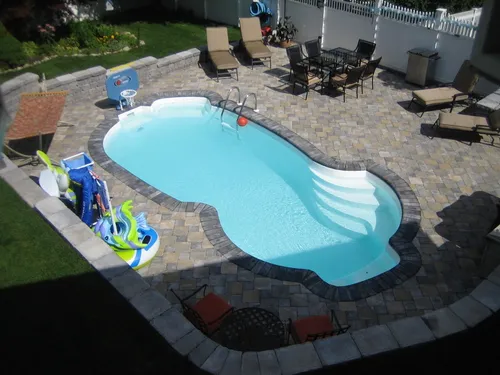
Pave Tech LLC
27 Wendell Rd, Newton, MA 02459
Pave Tech LLC is a licensed and insured contractor based in Boston, MA, specializing in asphalt paving, hardscaping, yard drainage, and grading services. With over 30 years of experience, they serve both commercial and residential clients throughout the Greater Boston area. Their services include driveway and parking lot paving, asphalt milling, excavation, drainage system installation, and snow removal. Pave Tech is equipped to handle demolition and hardscaping projects such as pavers and retaining walls, ensuring proper ground preparation and quality materials for lasting results.
Conserva Irrigation of Southwest Boston
Boston, MA
Conserva Irrigation of Southwest Boston provides residential and commercial irrigation services in Boston, MA, and surrounding areas. They specialize in eco-friendly sprinkler system installation, repair, and maintenance, focusing on water conservation through smart irrigation technology and sustainable practices. Their services include system inspections, drip irrigation installation, grading for proper drainage, and seasonal maintenance to keep landscapes healthy year-round. Conserva Irrigation partners with leading brands like Toro and Hunter to offer advanced irrigation solutions and has built a reputation for knowledgeable and thorough service. They serve a wide range of nearby communities and emphasize water-saving technologies in their work.
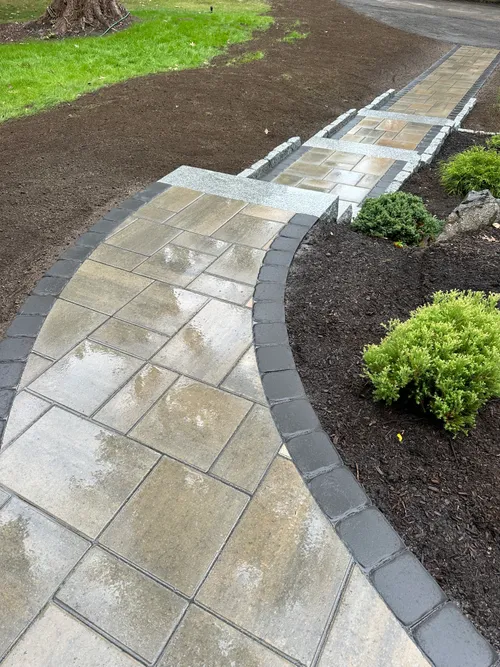
Land Solutions & Hardscapes, LLC
685 Main St, Wilmington, MA 01887
Land Solutions & Hardscapes, LLC is a full-service landscape and hardscape contractor based near Boston, MA. With over 20 years of experience, they provide design and installation services for residential and commercial outdoor living spaces. Their offerings include custom walkways, paver patios with fire pits, outdoor kitchens, and retaining walls. The company also specializes in grading and excavation services, ensuring a well-prepared site for any landscaping or hardscaping project.
EP Landscape Demo & Services LLC - Boston
Boston, MA
EP Landscape Demo & Services LLC - Boston is a landscaping company serving Boston, MA, and surrounding communities. They offer a wide range of services including lawn mowing, fertilization, weed control, landscape design, tree and stump removal, yard drainage, grading, land clearing, and brush removal. Their expertise covers residential, commercial, and industrial landscaping needs, with capabilities such as large-scale land clearing, site preparation, and storm damage cleanup. The company understands Boston's unique climate and terrain, adapting their services to local conditions including coastal weather and seasonal changes. They provide ongoing maintenance and specialized services like bi-weekly weeding and mulch installation to support healthy landscapes throughout the year.
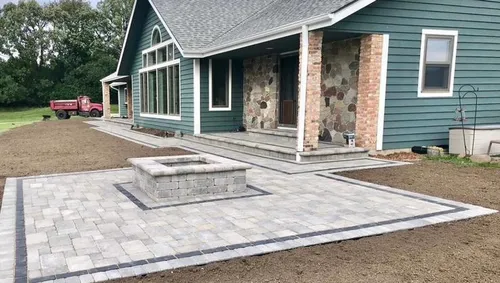
Omar Masonry And Painting LLC
39 Alpena Ave, Dedham, MA 02026
Omar Masonry And Painting LLC is a landscaping and hardscaping company based in Boston, MA. They offer a wide range of services including landscape design, yard drainage, grading, lawn care, and hardscaping such as patios, walkways, and retaining walls. The company also provides masonry, painting, basement cleanouts, demolition, power washing, gutter repair, and carpentry services. Omar Masonry And Painting LLC serves both residential and commercial clients in the Boston area, focusing on enhancing outdoor spaces with durable and functional designs.
Understanding Water Problems in Newton Yards
Newton's landscape, with its mix of clay soils and periods of heavy rainfall, can create persistent water management challenges for homeowners. Common signs you need drainage or grading work include standing water that lasts more than a day after a storm, soggy lawns, soil erosion in planting beds, water seeping into your basement or crawl space, and ice patches forming on walkways in winter. These issues are more than just an inconvenience; they can undermine your home's foundation, damage landscaping investments, and create hazardous conditions. Addressing them starts with a professional assessment to identify the source, whether it's surface runoff, a high water table, or improper slope from neighboring properties.
Core Solutions for Residential Drainage
Professional contractors in Newton utilize a range of techniques to solve water problems. The right solution depends on the specific issue, your property's topography, and local regulations.
Regrading and Landscape Grading
This is often the first line of defense. Regrading involves reshaping the soil to create a gentle slope (typically around 5% or 2-3 inches over 10 feet) away from your home's foundation. 1 This natural method directs surface runoff to a safer discharge point, such as a street gutter or a wooded area. It's a fundamental correction for yards that are flat or slope toward the house. For new construction or major renovations, final grading is a crucial step to ensure the entire lot sheds water properly from the start.
Subsurface Drainage Systems
When water is coming from below the surface or collecting in specific low spots, underground systems are key.
- French Drains: A trench filled with gravel and a perforated pipe that collects and redirects groundwater and subsurface water. They are highly effective for relieving hydrostatic pressure against foundation walls and drying out perpetually wet areas of the lawn.
- Dry Wells: An underground chamber filled with gravel or a pre-fabricated structure that collects water from downspouts or drains and allows it to percolate slowly back into the soil, preventing overwhelming the municipal system or your yard.
- Channel Drains (Trench Drains): Often used in hardscape areas, these are linear drains with a grate flush with the surface, perfect for capturing heavy runoff from driveways, patios, or walkways.
Surface Water Management
These solutions work with the landscape to slow and absorb runoff.
- Catch Basins: These are in-ground boxes with a grate that collect surface water, connecting to an underground pipe system to carry it away. They are ideal for pooling in driveways or low spots.
- Swales: Broad, shallow, vegetated ditches designed to channel water across a property. They are a more natural, landscaped alternative to concrete ditches. 2
- Rain Gardens: A landscaped depression planted with native, water-tolerant plants that collects runoff from roofs or paved areas, allowing it to be absorbed and filtered naturally. 3 This is an eco-friendly solution that also enhances biodiversity.
The Professional Installation Process
A successful drainage project follows a systematic approach to ensure long-term effectiveness.
- Site Assessment and Diagnosis: A specialist will inspect your property during or after a rain event to identify the exact sources of water, the flow paths, and the low points. They will also check soil composition and look for any existing, failed systems.
- Custom Design and Planning: Using the assessment, a plan is drafted that may combine several solutions-like regrading a slope and installing a French drain to handle subsurface flow. This plan considers the optimal outlet for the water, such as a storm sewer (where permitted), a dry well, or a natural drainage easement.
- Permitting and Compliance: In Newton, stormwater management is regulated. The city's Stormwater Ordinance (C-8) and its MS4 (Municipal Separate Storm Sewer System) program may impact larger projects. 4 Your contractor should handle checking if permits are required and ensuring the design complies with local codes to manage runoff volume and quality.
- Excavation and Installation: This is the construction phase, where trenches are dug for drains, soil is moved for grading, and basins or wells are set in place. Proper pipe sloping (fall) and the use of filter fabric to prevent clogging are critical technical steps.
- System Connection and Outlet: All components must be tied together and directed to a legal and effective outlet. This is a crucial step-a drain with nowhere to go will fail.
- Restoration and Final Grading: The work area is backfilled, compacted, and restored. New topsoil is added, and the area is seeded, sodded, or replanted to blend seamlessly with your existing landscape. 5
Find the perfect yard drainage contractors for your needs
Get personalized recommendations and expert advice
Investment and Value Considerations
The cost for drainage and grading work in Newton varies significantly based on the project's scale and complexity. Simple regrading for a small area may start in the low thousands, while integrating multiple systems like French drains, catch basins, and a dry well for a large, complex property can reach $15,000 or more. Key cost factors include:
- Linear Footage: French drain costs are often quoted per linear foot ($10 - $50+), with depth and accessibility affecting the price. 6 7
- Equipment and Labor: The need for mini-excavators, manual labor in tight spaces, and the disposal of excess soil.
- Materials: Quality of pipe (smooth-walled vs. corrugated), type of gravel, and pre-fabricated structures like catch basins or dry well chambers.
- Site Restoration: The extent of lawn reseeding, sodding, or replanting needed.
While an investment, effective drainage protects a far more valuable asset: your home. It prevents costly foundation repairs, basement waterproofing, and landscape replacement. It also makes your yard more usable and can improve property value by solving a known problem.
Navigating Local Newton Regulations
Being proactive about stormwater is part of homeownership in Newton. The city's resources highlight the importance of proper onsite management. 8 Homeowners are responsible for managing runoff from their property. The MS4 program, funded by a fee on water bills, works to keep pollutants out of local waterways like the Charles River. 8 When planning work, it's wise to:
- Contact Newton Public Works: For guidance on connecting to municipal systems or understanding regulations.
- Check for Easements: Ensure your planned outlet doesn't cross a neighbor's property without permission.
- Consider Downstream Impact: Good design minimizes erosion and avoids simply shifting the water problem to a neighbor.
A reputable local contractor will be familiar with these requirements and can navigate the planning aspects, ensuring your solution is both effective and compliant.
Maintaining Your Drainage System
Once installed, a small amount of maintenance will keep your system functioning for decades. Periodically inspect grates on catch basins and channel drains, clearing away leaves, mulch, and debris. Ensure the outlet point of any pipe is not blocked by soil or vegetation. For French drains and dry wells, avoiding dumping soil or mulch into them is key. Observing your system during a heavy rain will confirm it's moving water as designed. A well-built system should require minimal upkeep, providing peace of mind season after season.
Frequently asked questions
Sources
Footnotes
-
Yard Grading 101: Everything you need to know - This Old House - https://www.thisoldhouse.com/lawns/yard-grading ↩
-
Control Heavy Runoff - Solving Drainage and Erosion Problems - https://www.fairfaxcounty.gov/soil-water-conservation/drainage-problem-control-runoff ↩
-
How to Solve Yard Drainage Problems | Lowe's - https://www.lowes.com/n/how-to/solve-simple-drainage-problems ↩
-
DRAINAGE REPORT Toll Brothers, Inc. - Newton, MA - https://www.newtonma.gov/home/showpublisheddocument/120523/638538654881630000 ↩
-
Excavation, Grading and Drainage Systems - https://provostcompanies.com/landscape-construction/excavation-grading-and-drainage-systems/ ↩
-
Newton MA Yard Drainage & Grading - https://gwconstructionco.com/service-area/yard-leveling-newton-ma/ ↩
-
Landscape Grading and Drainage Costs - https://www.whiteshovel.com/blog/landscape-grading-and-drainage-costs ↩
-
Stormwater Management | City of Newton, MA - https://www.newtonma.gov/government/public-works/water-sewer-division/stormwater-resources ↩ ↩2