Find the Best Yard Drainage Contractors for Your Business
No obligation • Fast responses • Nationwide coverage

Why you can trust Landscape Atlas
Landscape Atlas is a leading United States resource for evaluating landscaping, lawn care, and outdoor service providers. Our team researches each category in depth, focusing on service quality, safety, and customer experience. Listings and rankings are based on independent criteria and user feedback, and companies cannot pay to influence our assessments or recommendations.
Search providers near you
Top Yard Drainage Contractors in Warren, Michigan Ranked
A soggy lawn, water pooling against your foundation, or persistent erosion can turn your yard from an asset into a headache. Proper yard drainage and grading are essential services that protect your property's value, prevent structural damage, and create a usable outdoor space. This guide explains the common solutions for managing water in Warren, Michigan, and helps you understand how to connect with local experts who can assess your specific situation and implement an effective water management plan.
DJ Wyatt's Landscaping LLC
Detroit, MI
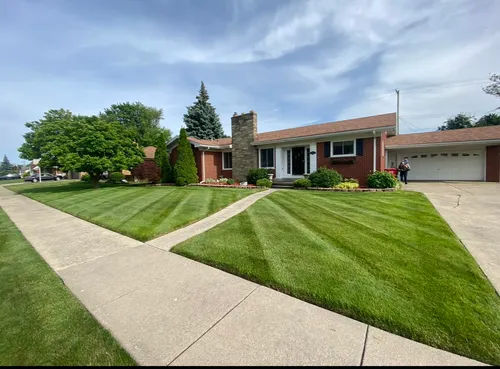
DJ Wyatt's Landscaping LLC is a landscaping company serving Detroit, MI, and nearby areas including Roseville, Warren, Fraser, and St. Clair Shores. They provide a range of outdoor services such as lawn care, landscaping, French drain installation, and snow removal. The company is known for its focus on customer satisfaction and strong communication, operating as a family-owned business with a commitment to quality workmanship. DJ Wyatt's Landscaping has built a reputation for reliability and professionalism in Macomb County.
Capek's Landscaping
Detroit, MI
Capek's Landscaping is a family-operated landscaping company serving Detroit, MI, and the surrounding metro Detroit area. With over 22 years of experience, they offer a wide range of services including landscape design and build, hardscaping with retaining walls and custom patios, sod and sprinkler installation, fencing, grading, and yard drainage. They also provide landscape supplies and delivery, focusing on both residential and commercial projects across Macomb and Wayne Counties. Their expertise extends to complete yard maintenance and snow removal, making them a comprehensive yard solutions provider.
Stoneys Landscaping
5060 Leafdale Blvd, Royal Oak, MI 48073
Stoneys Landscaping is a landscaping company based in Detroit, MI, offering a variety of lawn and landscape services. Their expertise includes weekly lawn maintenance, landscape design and installation, mulch application, sod and seed planting, grading to manage yard drainage, and shrub trimming. With over 35 years of experience, they focus on balancing client vision with practical landscape solutions to enhance property health and appearance.
Andy's Landscape Services
28475 Greenfield Rd, Southfield, MI 48076
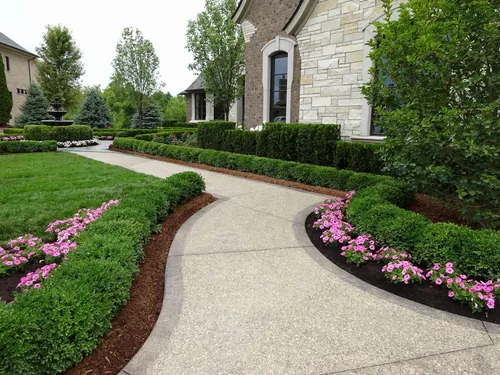
Andy's Landscape Services is a landscaping company based in Detroit, MI, offering comprehensive outdoor solutions including landscape design, lawn care, yard drainage, grading, and hardscaping. They specialize in creating tailored outdoor spaces that combine beauty and functionality, with capabilities such as terrain engineering, retaining walls, and drainage solutions. Established in 2005, Andy's Landscape Services has completed over 350 custom landscapes across Southeast Michigan, serving both residential and commercial clients.
Great Lakes Landscape Design
13201 Northend Ave, Oak Park, MI 48237
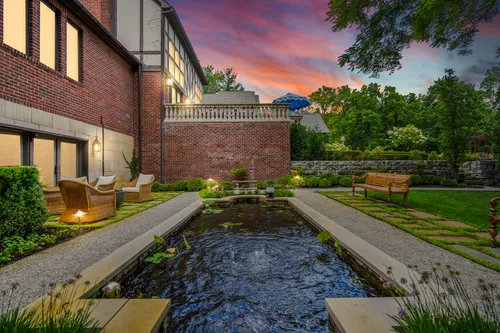
Great Lakes Landscape Design is a full-service landscape design and maintenance company serving Detroit, MI. Established in 1989, the firm offers custom landscape design, hardscaping, softscaping, lawn care, yard drainage, and hydrology system installation. Their team includes masons, horticultural specialists, and landscape designers who work together from concept through installation and ongoing maintenance to create functional and visually appealing outdoor spaces. They also provide commercial snow removal to keep properties accessible during Michigan winters.
Why Proper Drainage is Critical in Warren
Warren, like much of Southeast Michigan, experiences a range of precipitation throughout the year. From spring snowmelt and heavy rains to summer thunderstorms, water needs a clear path away from your home. Ineffective drainage can lead to a host of problems, including basement flooding, foundation cracks, ruined landscaping, mosquito breeding grounds, and soil erosion. The City of Warren has its own Stormwater Management Plan to address community-wide runoff, but managing water on your individual property is a key part of the puzzle. Effective site grading and drainage systems work together to direct surface and subsurface water safely to the street, a storm drain, or a designated infiltration area on your property.
Common Yard Drainage Solutions
Professional water management involves a toolbox of solutions, often used in combination. The right approach depends on your property's slope, soil type, and the specific source of the water.
Regrading for Positive Slope
The first line of defense is often regrading. This involves strategically moving soil to create a gentle slope (typically a minimum 2% grade) away from your home's foundation and toward a suitable discharge point. This "positive drainage" is fundamental and may solve many surface water issues on its own1 2. It's a common starting point for any comprehensive landscape drainage plan.
Subsurface Drainage: French Drains and Dry Wells
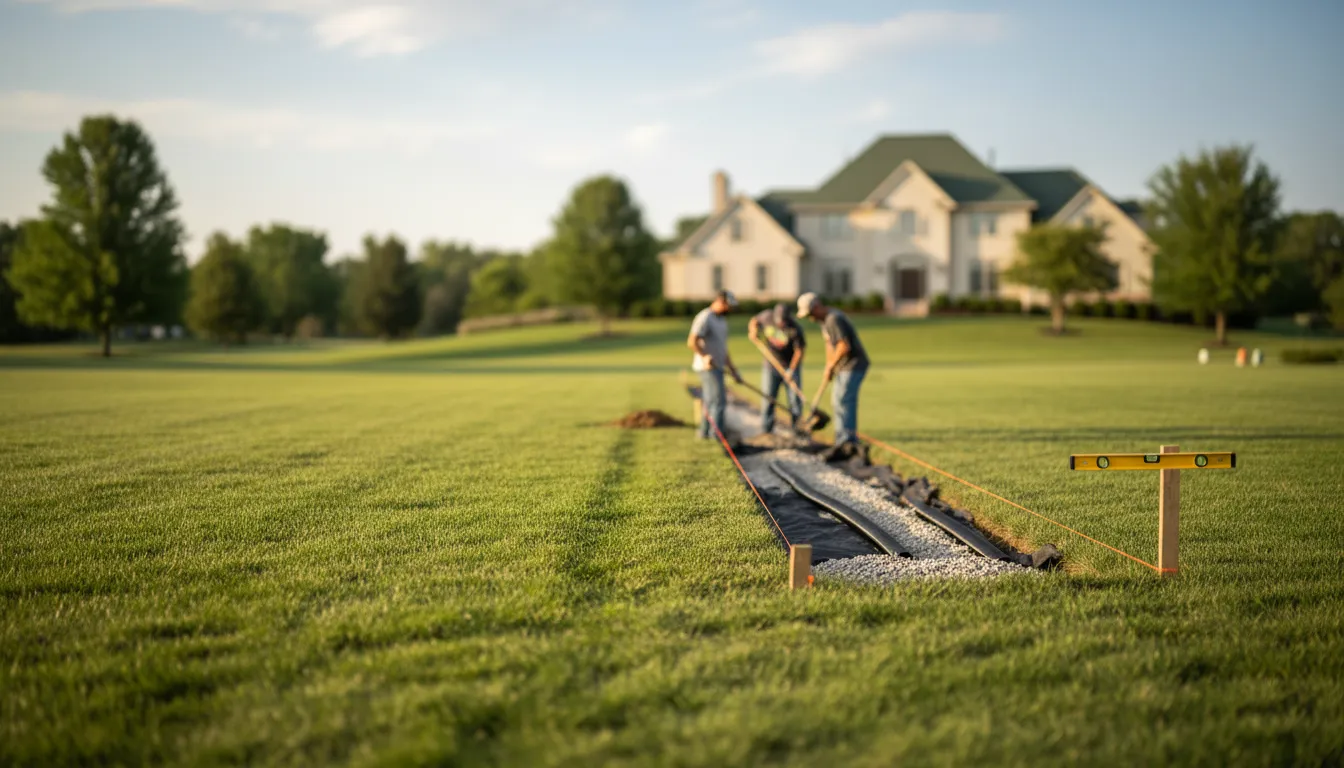
When water is saturating the soil or coming from underground springs, subsurface systems are needed. A French drain is a trench filled with gravel and a perforated pipe that collects and redirects groundwater. It's a highly effective solution for wet basements or perpetually soggy yards. The collected water is then channeled to a dry well-an underground chamber that allows water to slowly percolate into the surrounding soil-or to a storm sewer or ditch.
Surface Water Interception: Catch Basins and Channel Drains
For water that runs across hard surfaces like driveways, patios, or walkways, surface drains are the answer. Catch basins are grated inlets connected to an underground pipe system that captures runoff before it can pool. Channel drains (or trench drains) are long, linear grates perfect for intercepting water along the edge of a pavement. These are crucial for managing heavy runoff from impervious surfaces.
Eco-Friendly Infiltration: Rain Gardens and Rain Barrels
Sustainable Best Management Practices (BMPs) not only manage water but improve water quality. A rain garden is a shallow, planted depression that collects runoff from roofs or driveways and allows it to soak into the ground, filtered by native plants and amended soil3 4. Rain barrels or cisterns capture roof runoff from downspouts for later use in watering gardens, reducing the volume of water entering your yard's drainage system altogether 4.
Find the perfect yard drainage contractors for your needs
Get personalized recommendations and expert advice
The Professional Drainage Installation Process
Tackling a significant water issue is a multi-step process best handled by experienced professionals familiar with Warren's local conditions and codes.
-
Site Assessment and Diagnosis: A specialist will inspect your property to identify all water sources (e.g., roof runoff, neighbor's yard, natural springs) and map where the water flows and pools. This often involves evaluating soil composition and observing the property during or after a rain event.
-
System Design and Planning: Based on the assessment, a custom plan is created. This may combine several of the solutions mentioned above. A reputable contractor will also advise if your project requires a permit from the City of Warren, especially if tying into municipal storm sewers5 6.
-
Excavation and Installation: This is the physical work: digging trenches for pipes, excavating for basins or dry wells, shaping the land for regrading, or preparing a rain garden bed. Proper installation includes using the correct pipe materials, gravel, and filter fabric to prevent system failure.
-
System Testing and Restoration: Once installed, the system should be tested with water to ensure proper flow. Finally, all disturbed areas are restored with topsoil, sod, seed, or the planned rain garden plants, leaving your yard functional and aesthetically pleasing.
Understanding Investment and Value
The cost for drainage work in Warren varies significantly based on the scale of the problem, the solutions chosen, your property size, and the materials used. Here's a general range to set expectations, though obtaining quotes from local contractors is essential 7:
- DIY/Small Solutions: Installing a simple rain barrel system might cost $50-$200 for materials. Minor regrading by a small crew could start around $200-$1,000.
- Moderate Systems: A professionally installed basic French drain system typically ranges from $1,000 to $3,000. Creating a rain garden with proper soil amendments and plants may cost $300 to $1,500.
- Complex Projects: Extensive systems involving multiple catch basins, long runs of piping, or large dry wells can range from $1,500 to $5,000 or more.
While this is an investment, it protects the much larger investment you have in your home. Correcting drainage issues can prevent tens of thousands of dollars in foundation repair or basement remediation costs down the line.
Choosing a Provider in Warren
When looking for a professional to handle your water management project, seek out those who specialize in landscape drainage and site grading. Look for contractors with experience in Warren's specific soil types (which can be clay-heavy) and familiarity with local regulations. They should offer a thorough consultation, provide a clear, detailed written estimate, and explain the proposed solution in terms you understand. Checking reviews, asking for local references, and verifying insurance and licensing are all prudent steps.
Frequently asked questions
Sources
Footnotes
-
How To Fix Standing Water In Yard | Landscape Drainage - https://www.twinoakslandscape.biz/landscape-drainage/ ↩
-
Water Management In The Home Landscape - Clemson HGIC - https://hgic.clemson.edu/factsheet/water-management-in-the-home-landscape/ ↩
-
Stormwater Best Management Practices - https://spcwater.org/topics/stormwater-management/stormwater-best-management-practices-2/ ↩
-
10 Things You Can Do to Prevent Stormwater Runoff Pollution - https://www.farmington-ct.org/departments/engineering/stormwater/10-things-to-prevent-stormwater-pollution ↩ ↩2
-
Storm Water Management Plan - City of Warren - https://www.cityofwarren.org/wp-content/uploads/2020/02/Storm_Water_Management_Plan.pdf ↩
-
Storm Water Management Plan | City of Warren - https://www.cityofwarren.org/wp-content/uploads/2025/01/Storm-Water-Management-Plan-2023-Draft-v1.pdf ↩
-
Control Heavy Runoff - Solving Drainage and Erosion Problems - https://www.fairfaxcounty.gov/soil-water-conservation/drainage-problem-control-runoff ↩