Find the Best Yard Drainage Contractors for Your Business
No obligation • Fast responses • Nationwide coverage

Why you can trust Landscape Atlas
Landscape Atlas is a leading United States resource for evaluating landscaping, lawn care, and outdoor service providers. Our team researches each category in depth, focusing on service quality, safety, and customer experience. Listings and rankings are based on independent criteria and user feedback, and companies cannot pay to influence our assessments or recommendations.
Search providers near you
Top Yard Drainage Contractors in Shakopee, Minnesota Ranked
Managing water flow on your property is a critical aspect of home maintenance and environmental stewardship. Proper yard drainage and land grading ensure your foundation stays dry, your lawn remains healthy, and excess rainwater is directed away from your home without causing erosion or flooding. For Shakopee residents, understanding local solutions-from simple downspout extensions to more complex French drains and rain gardens-is key to protecting your investment and contributing to the community's water quality. This guide will help you understand the common techniques, processes, and considerations for effective surface water management right here in Shakopee.
Sod Smith LLC
6417 Penn Ave S Ste. 8, Richfield, MN 55423
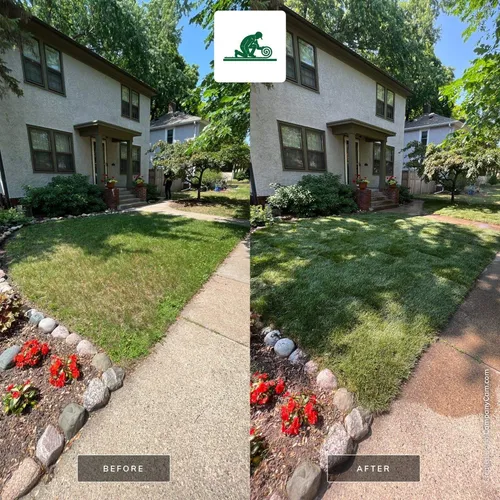
Sod Smith LLC is a lawn care company based in Minneapolis, MN, specializing in sod installation and a variety of lawn maintenance services. They offer efficient sod installation that provides instant curb appeal and support new lawns with a proprietary Establishment Plan to promote healthy root growth. The company also installs digital sprinkler systems designed to reduce water use by up to 50%, contributing to sustainable lawn irrigation. Sod Smith emphasizes precise soil preparation and tailored care suited to Minnesota's conditions to ensure successful lawn transformations. Their services are available throughout Minneapolis, with quick booking and transparent communication to keep customers informed throughout the process.
Outdoor Aesthetix LLC
616 Summit Ave, St Paul, MN 55102
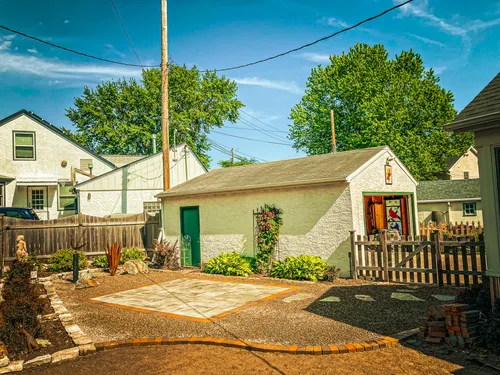
Outdoor Aesthetix LLC is a landscape design and installation company based in St Paul, MN. They serve Eastern Minnesota and Western Wisconsin, offering services that include landscape design, yard renovations, grading, retaining walls, patios, and seasonal maintenance. Their work combines natural beauty with thoughtful design, focusing on native plants and sustainable materials to create functional and attractive outdoor spaces. The company emphasizes detailed craftsmanship and long-term client relationships.
Refuge Design & Landscape
3021 10th Ave S, Minneapolis, MN 55407
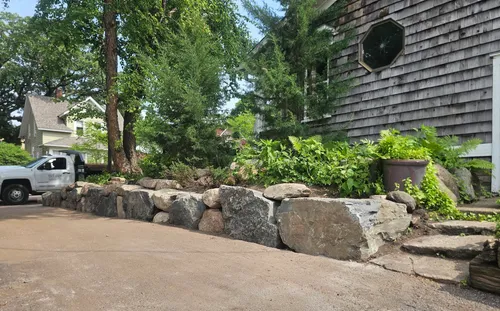
Refuge Design & Landscape is a landscaping design company based in Minneapolis, MN. They specialize in creating lush, inspired outdoor spaces that serve as extensions of living areas. Their services include landscape design, yard drainage solutions, grading, and general landscaping. The company focuses on innovative and creative solutions tailored to each client's needs, with an emphasis on long-term garden health and functionality. Refuge Design & Landscape is a licensed and insured general contractor committed to providing thorough information and support throughout the design and installation process.
Minnehaha Falls Landscaping
4549 41st Ave S, Minneapolis, MN 55406
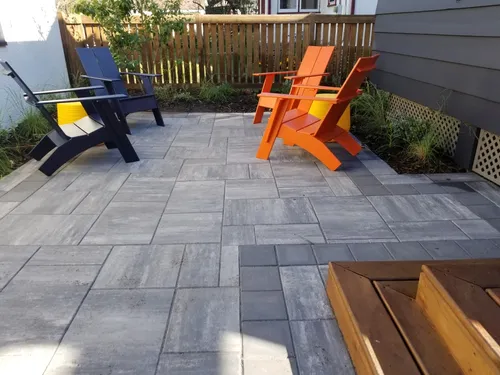
Minnehaha Falls Landscaping is a landscaping company based in Minneapolis, MN, offering a wide range of services including lawn fertilization, weed control, landscape design, yard drainage, land clearing, and hardscaping. They focus on creating sustainable, eco-friendly landscapes that support local ecosystems, using organic and chemical-free methods. With over 60 years of experience, they provide personalized landscaping plans that incorporate native plants, soil health, and water conservation. Their capabilities include designing and building patios, retaining walls, and other hardscaping features that enhance outdoor living spaces while promoting biodiversity.
Maxims Landscape & Snow Removal
6857 Oxford St, St Louis Park, MN 55416
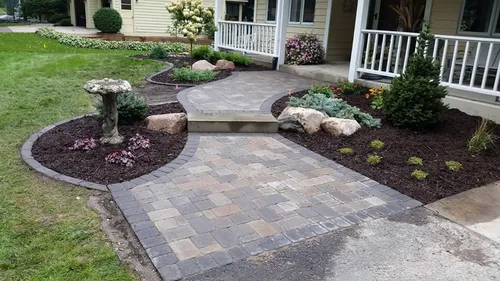
Maxims Landscape & Snow Removal is a landscaping and snow removal company serving Minneapolis, MN. They provide a range of services including landscape design and construction, lawn care, grading and excavation, land clearing, hardscaping such as patios and retaining walls, outdoor carpentry, and landscape drainage solutions. The company also offers seasonal snow removal for residential and commercial clients. Maxims Landscape & Snow Removal emphasizes eco-friendly landscaping using native plants and focuses on improving property value and outdoor living quality.
Why Proper Drainage Matters in Shakopee
Inadequate drainage can lead to a host of problems, including basement flooding, soil erosion, foundation damage, and persistently soggy lawns that are unusable and prone to disease. Beyond your property line, uncontrolled runoff can carry pollutants like fertilizers, pesticides, and pet waste into the local storm sewer system and, ultimately, into our rivers and lakes. The City of Shakopee emphasizes surface water management to protect these valuable water resources and reduce flood risks. Implementing effective drainage solutions not only safeguards your home but also aligns with broader community environmental goals.
Common Yard Drainage Solutions
Several proven techniques can be employed to manage stormwater runoff, ranging from simple adjustments to more involved landscaping projects. The right solution depends on your property's specific challenges, soil type, and budget.
Regrading and Swales
The most fundamental approach is regrading, which involves gently sloping the soil away from your home's foundation to guide water toward a suitable discharge area, such as the street or a designated drainage easement. A related feature is a swale-a shallow, vegetated ditch designed to channel water across your property. Swales are effective for intercepting and redirecting surface flow before it becomes a problem.
Downspout and Gutter Management
Often, the first and easiest fix is managing roof runoff. Extending downspouts to discharge water at least five to ten feet away from your foundation is crucial. Solutions include simple extensions, pop-up emitters that release water at ground level, or directing flow onto a bed of rocks to prevent erosion. The goal is to disperse roof water onto pervious surfaces like your lawn, where it can soak in, rather than onto driveways or walkways where it becomes rapid runoff.
Rain Gardens and Bioretention
For a beautiful and functional solution, consider a rain garden. This is a depressed garden bed planted with deep-rooted native plants that captures runoff from roofs or driveways, allowing it to slowly infiltrate the ground while filtering out pollutants. Rain gardens are highly encouraged in many communities, including Shakopee, as an attractive way to manage stormwater.
Subsurface Drainage: French Drains and Dry Wells
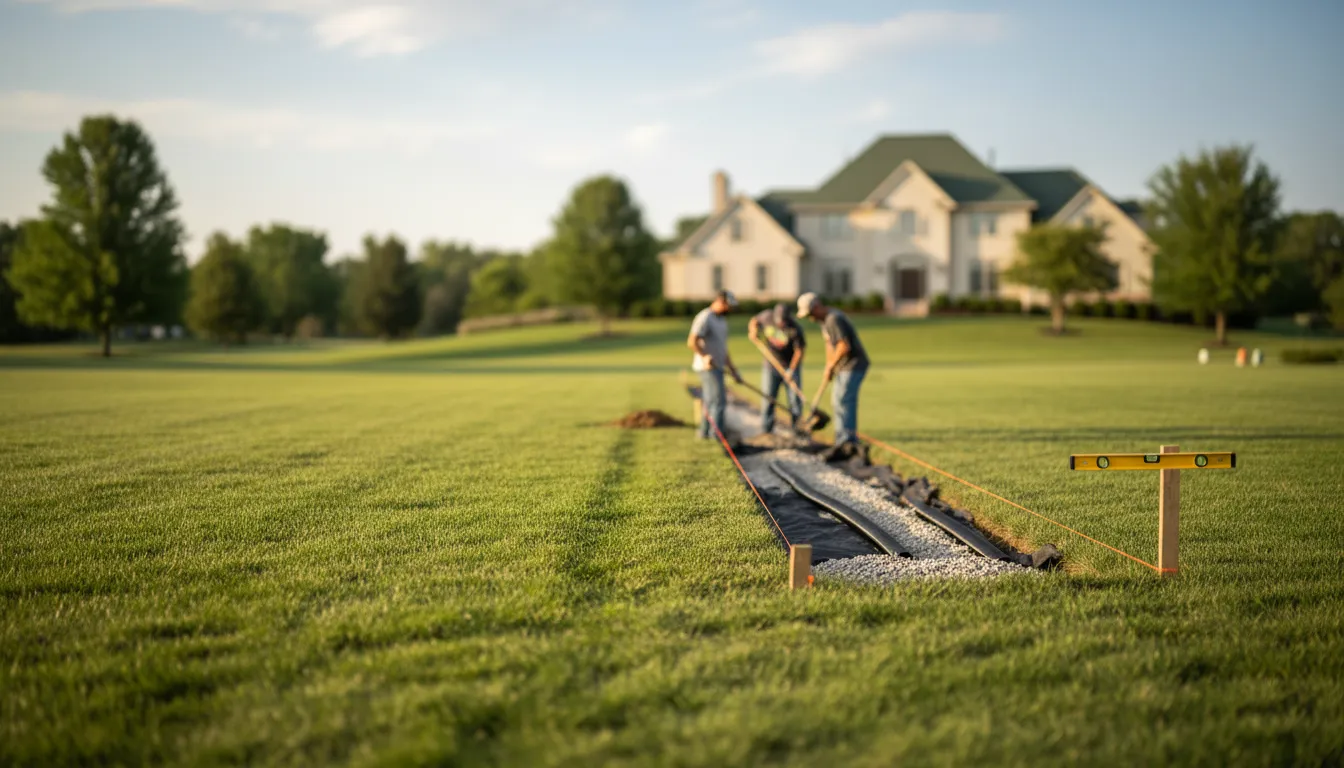
For persistent soggy spots or areas with high water tables, subsurface systems are often necessary. A French drain typically consists of a perforated pipe buried in a trench filled with gravel, wrapped in landscape fabric to prevent clogging. It collects groundwater and surface seepage, channeling it away from problem areas. A dry well is a larger, gravel-filled pit that collects water from downspouts or drains and allows it to percolate slowly into the surrounding soil.
Permeable Surfaces and Rain Capture
Replacing solid concrete or asphalt with permeable pavers or gravel for driveways, patios, or walkways allows rainwater to seep through the surface into the ground below, significantly reducing runoff volume 1. Rain barrels or larger cisterns attached to downspouts capture roof water for later use in watering gardens, providing a simple, cost-effective method to reduce runoff from your property 1.
Find the perfect yard drainage contractors for your needs
Get personalized recommendations and expert advice
The Process: From Assessment to Maintenance
Implementing a drainage solution is a systematic process. Skipping steps can lead to ineffective results or even create new problems.
1. Site Assessment
The first step is a thorough assessment. Identify where water is coming from (roofs, neighboring properties, slopes) and where it pools or causes damage. Look for signs like standing water, soil erosion, or damp basement walls. Understanding the flow path on your property is essential for designing an effective system.
2. Planning and Design
Based on the assessment, you can plan the appropriate solution. This might involve sketching a regrading plan, determining the optimal location and size for a rain garden, or mapping the route for a French drain. Consider how different solutions might work together-for example, downspouts could feed into a rain garden or a dry well. This is the stage to check with the City of Shakopee regarding any necessary permits or regulations, especially if work involves altering significant runoff patterns or connecting to municipal systems.
3. Installation Steps
- Site Preparation: Clear vegetation and mark the layout for any trenches, gardens, or regraded areas.
- Earthwork and Grading: For regrading, this involves excavating and carefully reshaping the soil to create the proper slope. For drains or dry wells, it means digging trenches or pits to the required depth and dimensions.
- Installing Infrastructure: Place perforated pipe, gravel, and fabric for French drains. Construct overflow outlets for rain gardens. Install rain barrels or permeable paving materials.
- Finishing Touches: Backfill and compact soil for grading, sod or seed newly graded areas, and plant native species in rain gardens. Add mulch or rock to finished areas to prevent erosion and improve aesthetics.
4. Ongoing Maintenance
A drainage system requires occasional upkeep to function properly. Keep swales and ditches clear of debris. Ensure downspout extensions and pop-up emitters are not blocked. Inspect French drain outlets after heavy rains. For rain gardens, weed regularly and replace plants as needed to maintain their water-absorption capacity.
Understanding Costs and Investments
The cost for drainage and grading work in Shakopee varies dramatically based on the solution's scale and complexity, and whether you tackle it yourself or hire a professional.
- DIY Projects: Simple downspout extensions or a basic rain barrel system can cost between $50 and $300. A small DIY rain garden, accounting for plants, soil amendments, and mulch, might range from $200 to $800.
- Professional Installations: For significant regrading, French drains, or professionally designed and installed rain gardens, homeowners should budget between $1,000 and $5,000 or more. The final price depends heavily on the property size, extent of the problem, and materials used 2 3 4.
It's important to view these costs as an investment in your property's long-term health and value, preventing far more expensive repairs from water damage down the line.
Local Regulations and Environmental Stewardship
Shakopee has guidelines for surface water management to ensure individual projects don't negatively impact neighbors or the city's stormwater infrastructure 5. Before beginning any major grading or drainage project, especially those that alter runoff patterns or discharge water, it's wise to contact the City of Shakopee's Engineering or Public Works department. They can inform you about permit requirements, approved discharge locations, and any community incentives for installing green infrastructure like rain gardens 5 6. Responsible drainage planning is a key part of being a GreenStep City, a designation Shakopee participates in to promote sustainability 6.
Frequently asked questions
Sources
Footnotes
-
Methods to Reduce Urban Runoff: AP® Environmental Science Review - https://www.albert.io/blog/methods-to-reduce-urban-runoff-ap-environmental-science-review/ ↩ ↩2
-
Control Heavy Runoff - Solving Drainage and Erosion Problems - https://www.fairfaxcounty.gov/soil-water-conservation/drainage-problem-control-runoff ↩
-
Attractive Ways to Manage Stormwater Runoff - https://piedmontmastergardeners.org/attractive-ways-to-manage-stormwater-runoff/ ↩
-
Swales, Drains, and Site Grading for Stormwater Control - https://basc.pnnl.gov/resource-guides/swales-drains-and-site-grading-stormwater-control ↩
-
Surface Water Management - City of Shakopee - https://www.shakopeemn.gov/government/departments/engineering/surface_water_management.php ↩ ↩2
-
Local Surface Water Management Plan - GreenStep Cities - https://greenstep.pca.state.mn.us/sites/default/files/2021-02/2018%20Local%20Surface%20Water%20Managmenet%20Plan.pdf ↩ ↩2