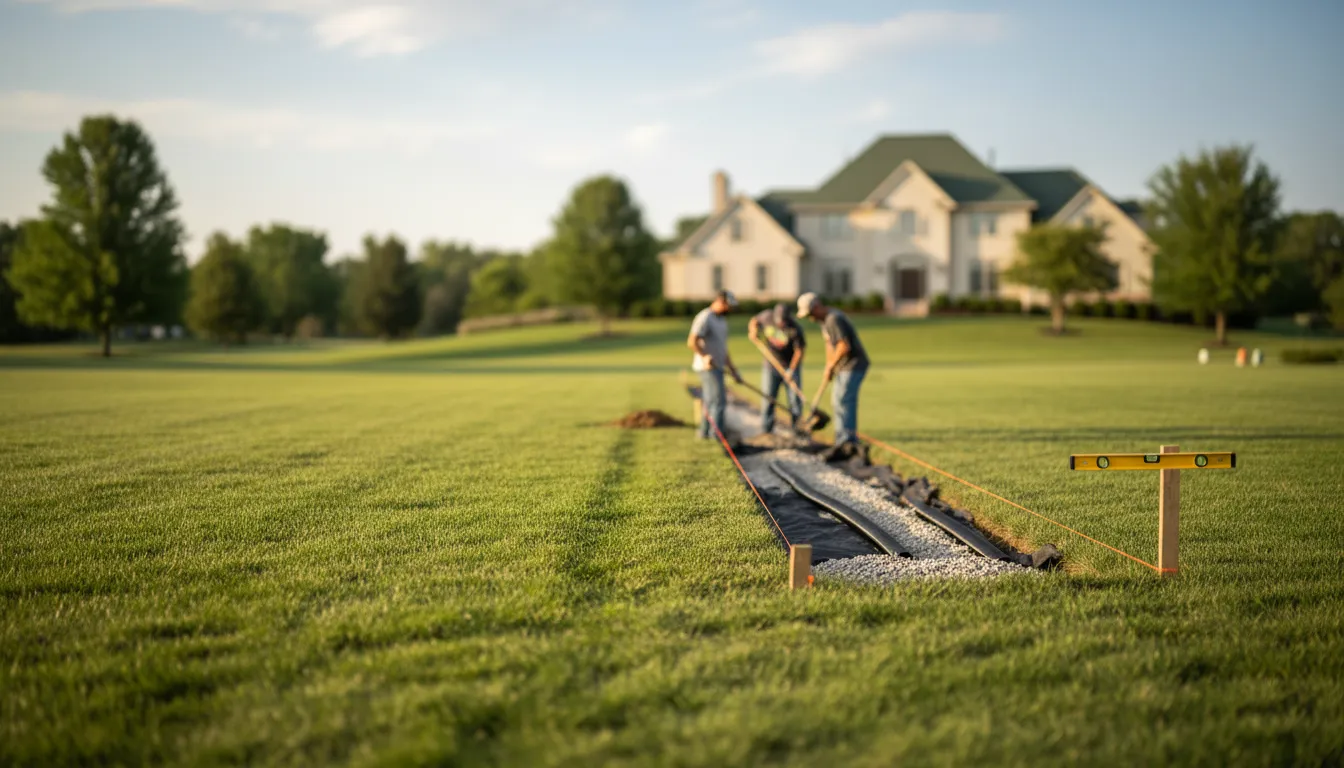
Find the Best Yard Drainage Contractors for Your Business
No obligation • Fast responses • Nationwide coverage

Why you can trust Landscape Atlas
Landscape Atlas is a leading United States resource for evaluating landscaping, lawn care, and outdoor service providers. Our team researches each category in depth, focusing on service quality, safety, and customer experience. Listings and rankings are based on independent criteria and user feedback, and companies cannot pay to influence our assessments or recommendations.
Search providers near you
Top Yard Drainage Contractors in Kansas City, Missouri Ranked
A soggy, waterlogged yard is more than just an inconvenience; it's a threat to your home's foundation, your landscaping investment, and your usable outdoor space. Proper yard drainage and grading are essential services for Kansas City homeowners, designed to manage the flow of rainwater and melting snow away from your property. This guide will help you understand the common solutions-from simple regrading to complex French drain systems-and how to find qualified local professionals to assess your unique situation and implement an effective, long-lasting fix.
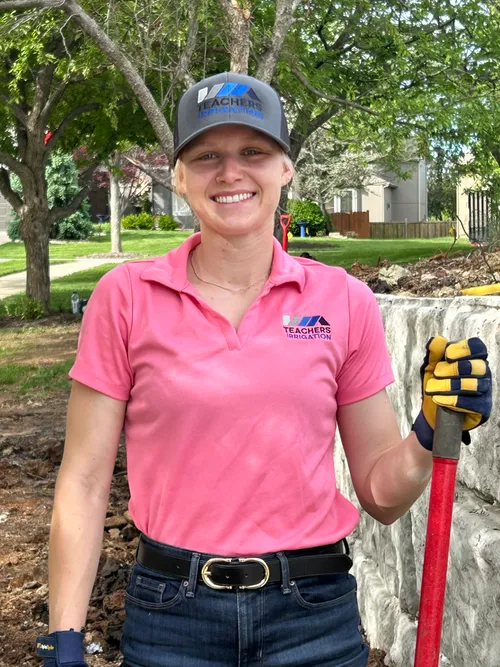
Teachers Irrigation ~ Olathe KS
19963 W 162nd St, Olathe, KS 66062
Teachers Irrigation ~ Olathe KS is a Kansas City, MO-based company specializing in irrigation system repair and maintenance, drainage solutions, and landscape lighting installation for both residential and commercial clients. With over 20 years of experience, they provide services including sprinkler system design, repair, winterization, French drains, sump pumps, and outdoor lighting enhancements. Their team uses specialized software to ensure clear communication and offers professional training to maintain high service standards.
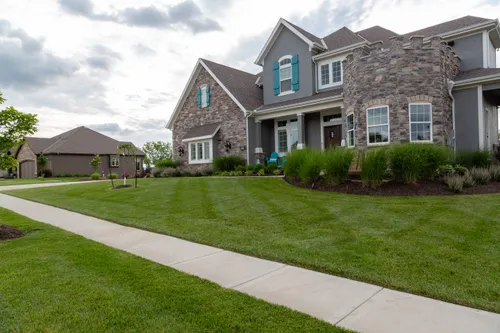
Mears Lawn & Landscape
6370 Carter Ave, Merriam, KS 66203
Mears Lawn & Landscape is a full-service lawn and landscape company based in Kansas City, MO. They offer a wide range of services including landscape design, construction, lawn maintenance, irrigation installation and repair, landscape lighting, drainage solutions, and hardscaping such as patios and retaining walls. Their team is certified and trained, providing expert craftsmanship and tailored solutions to enhance outdoor spaces. As a family-owned business, they emphasize honest recommendations and clear communication throughout each project. They serve Johnson County and surrounding areas.
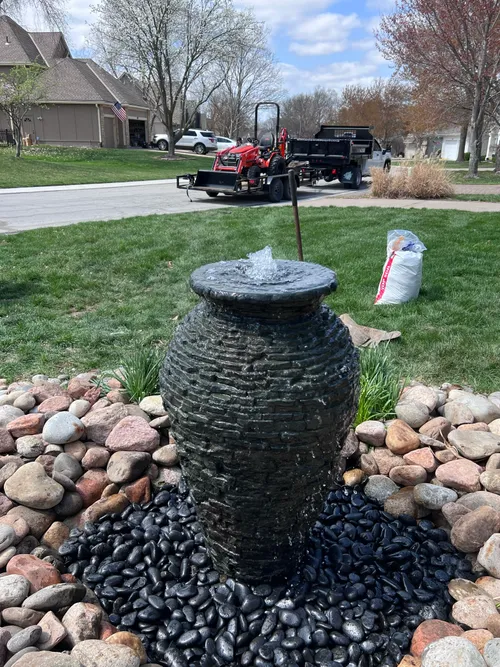
WIlliams lawn &total maintenance ,LLC
103 W 1st St, Lee's Summit, MO 64063
Williams Lawn & Total Maintenance, LLC is a full-service landscaping and lawn care company based in Kansas City, MO. They offer a wide range of services including landscape design, hardscaping, outdoor lighting installation, drainage solutions, tree services, and both residential and commercial lawn care. The company specializes in creating outdoor living spaces that blend with natural surroundings and address functional needs such as erosion control and yard drainage. Williams Lawn & Total Maintenance has years of experience and provides custom landscape design and installation using realistic photo software drawings to meet client needs.
Penny Creek Landscape & Construction
Kansas City, MO
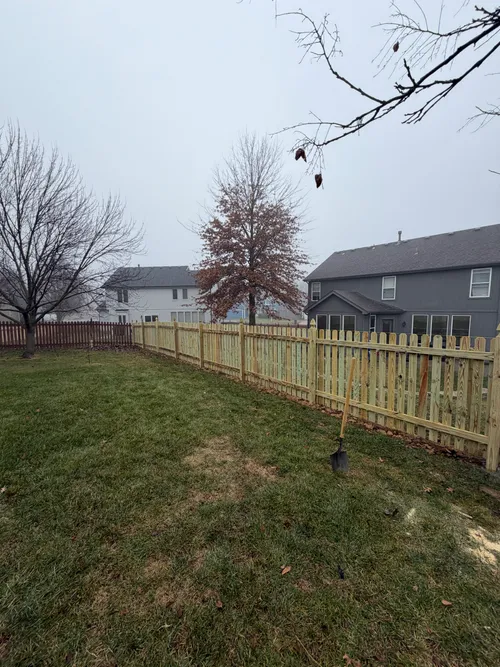
Penny Creek Landscape & Construction is a landscaping and hardscaping company based in Kansas City, MO. They offer a variety of services including landscape design, tree removal, yard drainage solutions, grading, and the installation of retaining walls, paver patios, and concrete driveways. Their work combines luxury landscaping with practical craftsmanship, focusing on durable and functional outdoor spaces. Penny Creek emphasizes quality construction and customer trust in their projects.
High Flow Drainage Solutions
7667 NW Prairie View Rd Ste 202B, Kansas City, MO 64151
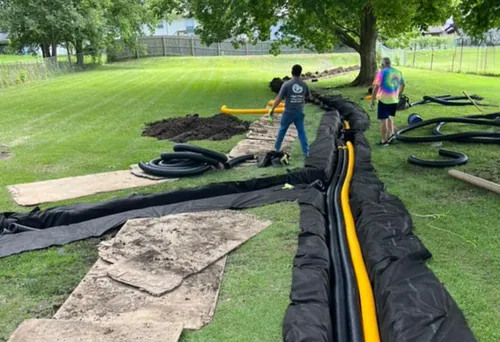
High Flow Drainage Solutions is a drainage and hardscaping contractor based in Kansas City, MO. They offer a variety of residential and commercial services including French drain installation, basement waterproofing, buried downspouts, retaining walls, yard grading, and dry creek beds. Their work focuses on managing water flow to protect properties from water damage and soil erosion. Founded in 2020 by Caleb Isgriggs, the company emphasizes durable solutions and ethical practices. They serve a broad area including Kansas City and surrounding communities in Missouri and Kansas.
Understanding Kansas City's Drainage Challenges
Kansas City's climate, with its heavy spring rains and potential for sudden downpours, can quickly overwhelm poorly draining soil. The region's clay-heavy soil is particularly prone to compaction, which prevents water from soaking in and leads to surface pooling and runoff. When water isn't managed correctly, it can seep into basements, erode valuable topsoil from your garden beds, create perpetually muddy areas, and even damage your home's structural integrity over time. Effective landscape drainage is the key to transforming a problematic, wet yard into a stable, dry, and functional part of your home.
Core Solutions for Yard Drainage Problems
Professional drainage contractors in Kansas City utilize a toolbox of methods to solve water issues. The right solution depends on the source, volume, and flow path of the water on your property.
Regrading and Soil Sloping
The most fundamental form of water management is regrading. This involves reshaping the contour of your land to create a gentle slope (typically a 4-5% grade, or a 4-5 inch drop per 10 feet) away from your home's foundation and toward a suitable outlet like a storm drain or a dry well 1 2. Proper grading is often the first line of defense, directing surface runoff before it becomes a problem. For areas with minor pooling, aeration can help by puncturing compacted soil to allow water and air to penetrate deeper, improving absorption.
Subsurface Drainage Systems
When surface grading isn't enough, water needs to be managed below ground.
- French Drains: A highly effective solution for collecting groundwater or intercepting water moving through the soil. A French drain is a trench filled with gravel containing a perforated pipe wrapped in fabric. It collects water along its length and channels it to a safe discharge point.
- Catch Basins and Trench Drains: These are designed for collecting large volumes of surface water. A catch basin is a grated collection box set into the ground, often at the bottom of a slope or in a low spot, connected to an underground pipe. Trench drains are long, narrow grated channels perfect for driveways, patios, or walkways where water runs across a hard surface.
Surface Water Management and Landscaping
Some solutions work with your landscaping to manage water beautifully.
- Swales and Dry Creek Beds: A swale is a broad, shallow, vegetated depression designed to slow down and guide runoff. A dry creek bed uses rock and stone to create a natural-looking channel that handles water flow during storms but remains dry otherwise, adding aesthetic appeal.
- Rain Gardens: These are strategically placed, shallow depressions planted with native, water-tolerant plants. They collect runoff from roofs or driveways and allow it to soak slowly into the ground, filtering pollutants in the process 3.
- Downspout and Gutter Management: Often overlooked, your roof sheds a tremendous amount of water. Simple downspout extensions, splash blocks, or connecting downspouts to rain barrels or underground drain pipes can prevent a concentrated deluge from eroding soil next to your foundation.
The Professional Installation Process
Tackling significant drainage issues is a job for experienced professionals. Here's what you can expect when you hire a Kansas City drainage and grading specialist:
- Site Assessment and Diagnosis: A reputable contractor will thoroughly inspect your property during or after a rain event to identify the source of water, its flow paths, and the soil conditions. They will look for signs of foundation seepage, erosion, and areas of standing water 4.
- Custom Design and Planning: Based on the assessment, the contractor will design a tailored solution. This plan will specify the type of system (e.g., grading, French drain, catch basins), the precise layout, materials needed, and the legal, safe outlet for the discharged water 5.
- Site Preparation and Excavation: The work area will be marked, and any existing landscaping will be carefully moved or protected. Excavation begins, digging trenches for drains or moving earth for grading and swales.
- System Installation: This is the core phase. For drain systems, this includes laying fabric, placing gravel bed and pipe, installing catch basins, and ensuring all connections are secure. For grading, it involves skillfully moving and compacting soil to the precise slope.
- Backfilling, Final Grading, and Restoration: Drains are covered with more gravel and soil. The entire area then receives a final, smooth grading and is often topped with compost and fresh topsoil to promote healthy grass regrowth. The contractor will restore any disrupted landscaping as much as possible.
- Testing and Cleanup: The system will be tested with water to ensure proper flow. The job site will be cleaned up, leaving you with a functional drainage system and a tidy yard.
Find the perfect yard drainage contractors for your needs
Get personalized recommendations and expert advice
What Determines the Cost of Drainage Work in Kansas City?
The investment for a dry yard varies widely based on the complexity of the problem and the solution required. Here's a general breakdown of cost ranges for Kansas City projects, though getting a free estimate from a local contractor is essential for an accurate quote 6.
- Simple Solutions ($50 - $2,000): This range covers do-it-yourself or pro-installed enhancements like adding downspout extensions and splash blocks, installing a rain barrel, core aerating a lawn, or creating a small rain garden. Simple regrading of a specific area or installing a shallow swale may also fall into this category 7.
- Standard Drainage Systems ($1,500 - $8,000): This is the typical range for installing a professional French drain system, a series of catch basins, or a trench drain for a medium-sized residential yard. The average cost often falls between $4,000 and $5,000. Factors include the linear feet of trench, depth, pipe diameter, and accessibility 8 9.
- Complex or Custom Projects ($1,000 - $10,000+): Large properties, severe erosion problems, solutions requiring extensive excavation or connection to municipal systems, or projects that combine multiple methods (e.g., grading + French drains + a dry creek bed) will be on the higher end of the scale 10 11.
The final price will be influenced by the specific company you hire, the materials they use, and the unique challenges of your Kansas City property.
Maintaining Your Drainage System
Once installed, a properly designed drainage system requires minimal maintenance but benefits from periodic checks, especially after major storms or in the fall. Keep catch basin grates clear of leaves and debris. Inspect the outlets of any drain pipes to ensure they are not blocked. Observe your yard during heavy rain to confirm water is moving as intended. Avoid compacting the soil over buried drains with heavy machinery, and be cautious when planting trees or shrubs near drain lines to prevent root intrusion.
Frequently asked questions
Sources
Footnotes
-
Yard Grading Service in Kansas City - https://highflowdrainagesolutions.com/yard-grading-service/ ↩
-
Yard Grading 101: Everything you need to know - This Old House - https://www.thisoldhouse.com/lawns/yard-grading ↩
-
What You Can Do to Soak Up the Rain | US EPA - https://www.epa.gov/soakuptherain/what-you-can-do-soak-rain ↩
-
How to Solve Yard Drainage Problems | Lowe's - https://www.lowes.com/n/how-to/solve-simple-drainage-problems ↩
-
8 Patio & Landscape Drainage Solutions for Kansas City Homeowners - https://highflowdrainagesolutions.com/patio-landscape-drainage-solutions/ ↩
-
Lawn Drainage Solutions | Kansas City, KS - https://www.supremegreenkc.com/residential-lawn-drainage ↩
-
How to Fix the Wet Spot in Your Yard | Proven Winners - https://www.provenwinners.com/learn/finding-right-plant/how-fix-wet-spot-your-yard ↩
-
Control Heavy Runoff - Solving Drainage and Erosion Problems - https://www.fairfaxcounty.gov/soil-water-conservation/drainage-problem-control-runoff ↩
-
13 Ways to Keep Your Yard Dry, and a Guide to Choosing the Right Type ... - https://blog.landscapedrains.com/types-of-yard-drains ↩
-
How Much Does Yard Drainage Cost - Alpharetta landscaping - https://www.landscapesandmore.com/blog/how-much-does-yard-drainage-cost/80 ↩
-
North Kansas City, MO Landscape Drainage Services - https://completehardscapes.com/drainage-solutions/landscape-drainage/ ↩