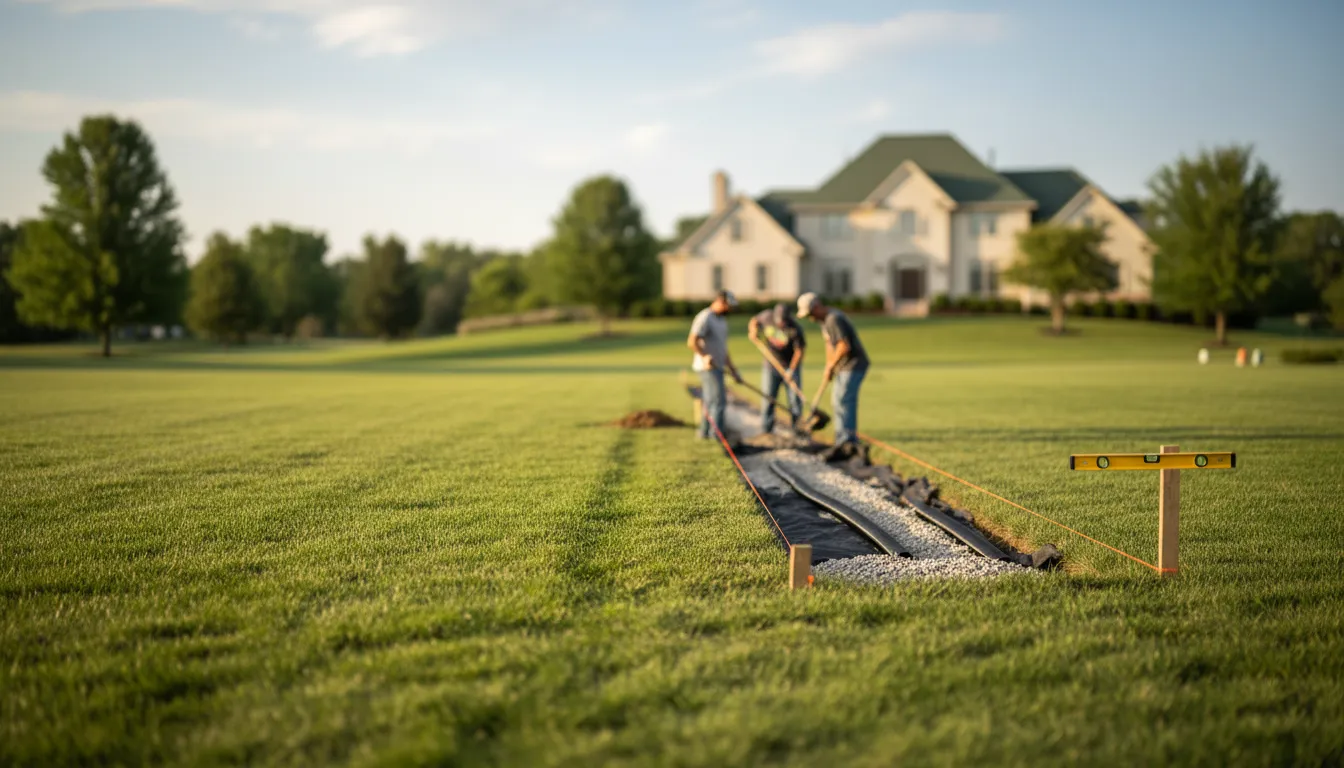
Find the Best Yard Drainage Contractors for Your Business
No obligation • Fast responses • Nationwide coverage

Why you can trust Landscape Atlas
Landscape Atlas is a leading United States resource for evaluating landscaping, lawn care, and outdoor service providers. Our team researches each category in depth, focusing on service quality, safety, and customer experience. Listings and rankings are based on independent criteria and user feedback, and companies cannot pay to influence our assessments or recommendations.
Search providers near you
Top Yard Drainage Contractors in St Peters, Missouri Ranked
Proper yard drainage and grading are essential for protecting your home's foundation, preventing basement flooding, and maintaining a healthy, usable landscape in St. Peters. Without effective water management, heavy Midwest rains can lead to soggy lawns, soil erosion, and costly structural damage. This guide explains the core solutions for controlling runoff, from simple grading adjustments to complex drainage systems, helping you identify the right approach for your property and connect with local expertise.
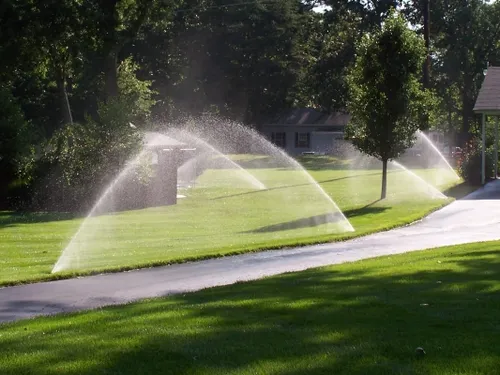
Green Turf Irrigation
73 Millwell Ct, Maryland Heights, MO 63043
Green Turf Irrigation is a St Louis, MO-based company specializing in irrigation system installation and maintenance, yard drainage solutions, and landscape lighting. They serve the entire St. Louis metro area, including Clayton, Chesterfield, Ballwin, and surrounding communities. Their services include designing and installing irrigation systems to keep lawns healthy, drainage systems to prevent water damage and soil erosion, and customized outdoor lighting for safety and aesthetics. With 50 years of experience, Green Turf offers expertise in managing water flow and outdoor lighting to enhance residential landscapes.
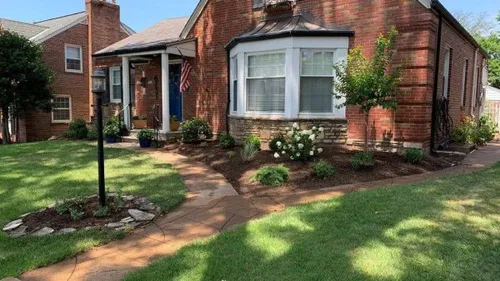
Fresh Start Outdoors
4411 Woodson Rd #103, St. Louis, MO 63134
Fresh Start Outdoors is a landscaping and hardscaping company based in St Louis, MO. They provide custom landscape design and installation services, including retaining walls, patios, walkways, grading, drainage solutions, and sod installation. Their work focuses on creating outdoor spaces that balance beauty, function, and long-term value. Serving St Louis and Saint Charles County, they follow a detailed process from consultation to project completion to ensure tailored, high-quality results.
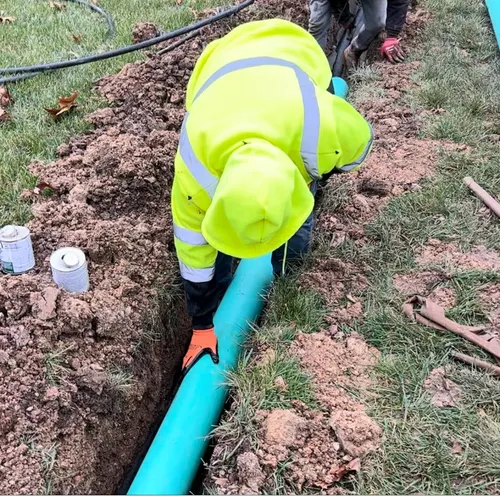
The Outdoor Pros
7750 Maryland Ave #50003, St. Louis, MO 63105
The Outdoor Pros is a landscaping and drainage company based in St Louis, MO. They offer a range of services including landscape design and installation, sod installation, grading, and yard drainage solutions for residential and commercial properties. Their hardscaping capabilities include installing interlocking pavers, natural stone retaining walls, and custom patios. They also provide exterior waterproofing using commercial-grade coatings to address basement wall leaks. The company offers drainage consulting to design effective systems tailored to specific site conditions.
Inspire Design & Build
807 S Fillmore Ave, Kirkwood, MO 63122
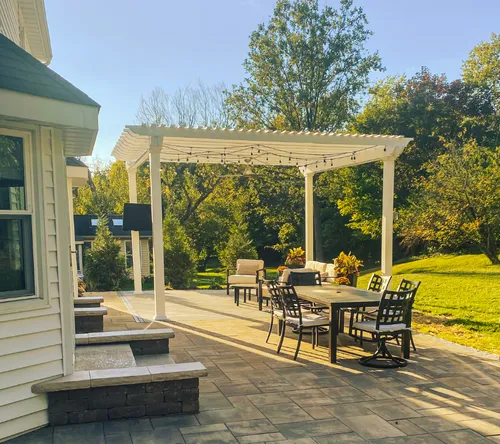
Inspire Design & Build is a full-service landscaping and outdoor living company based in St Louis, MO. They offer a wide range of services including custom landscape design, planting, lawn care, drainage solutions, patios, hardscaping, low-voltage lighting, sod and synthetic turf installation, outdoor kitchens, and fireplaces. With over 30 years of experience, Inspire Design & Build manages projects from concept to completion, ensuring quality craftsmanship and tailored solutions that suit the local climate and client needs. Their expertise includes drainage system installation to protect properties from water damage. They serve St Louis and surrounding communities such as Clayton, University City, and Granite City.
Tennant Landscape Solutions Inc
11724 Administration Dr, St. Louis, MO 63146
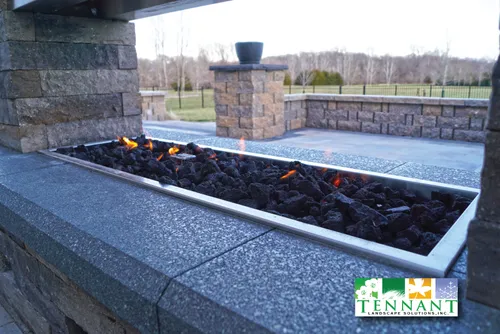
Tennant Landscape Solutions Inc is a full-service landscaping company based in St Louis, MO. They provide comprehensive landscape design, installation, and maintenance services for both residential and commercial properties. Their offerings include lawn care, fertilization, weed control, irrigation system installation and repair, landscape lighting, drainage solutions, hardscaping, and seasonal cleanup. The company also handles snow and ice removal to support year-round property care. Tennant Landscape Solutions specializes in tailored drainage solutions such as grading and French drains to protect properties from water damage. They serve the St Louis area with a focus on creating functional and attractive outdoor spaces.
Why Proper Drainage is Critical in St. Peters
St. Peters, like much of Missouri, experiences significant rainfall and can have clay-heavy soils that resist water absorption. When water pools around your foundation or saturates your yard, it creates a host of problems. Persistent moisture can crack foundation walls, flood basements and crawl spaces, kill grass and plants, and create breeding grounds for mosquitoes. Furthermore, uncontrolled runoff can erode your soil and even impact neighboring properties. The City of St. Peters emphasizes managing stormwater on individual properties to reduce the burden on public systems and prevent pollution. Investing in correct grading and drainage is an investment in your property's long-term value and safety.
Core Principles: Grading and Drainage Explained
At its heart, managing water involves two key concepts: surface grading and subsurface drainage.
Grading refers to the slope or contour of your land. The fundamental rule is to ensure the ground slopes away from your home's foundation at a minimum rate of 2% (about a 2-inch drop per 8 feet). This gravity-driven approach is the first and most crucial line of defense, directing surface water away before it can cause problems. Regrading a yard involves moving and compacting soil to create this proper slope.
Drainage involves systems that collect and channel water away from problem areas. This becomes necessary when grading alone isn't sufficient due to flat lots, low spots, or high water tables. Drainage solutions work by intercepting water, either on the surface or below ground, and safely redirecting it to a suitable outlet like a storm sewer, dry well, or lower area of your property.
Common Yard Drainage & Grading Solutions
A range of techniques can be employed, often in combination, to solve water issues. The right choice depends on your specific problem, yard layout, and budget.
Surface Water Management
These solutions handle water before it soaks into the ground.
- Swales: These are broad, shallow, vegetated channels designed to slow down and direct surface runoff. They are a landscaped, natural-looking way to guide water across your property.
- Downspout Extensions and Splash Blocks: A simple, cost-effective first step. Extending your downspouts (with above-ground pipes or buried drains) ensures roof water is discharged several feet away from your foundation, rather than dumping it right at the base of your home.
- Permeable Paving: For patios, walkways, or driveways, using materials like gravel, permeable pavers, or porous concrete allows rainwater to seep through the surface into the ground below, reducing immediate runoff.
Subsurface Drainage Systems
These solutions address water that has already accumulated in the soil.
- French Drains: A highly effective and common solution. A French drain is a trench filled with gravel containing a perforated pipe. It collects groundwater and surface seepage, channeling it away from saturated areas. They are often installed around foundation perimeters or in chronically wet spots in a yard.
- Catch Basins: These are grated inlets installed in low points or areas where water collects. They connect to a solid pipe that carries the water underground to a discharge point. They are excellent for handling heavy runoff from driveways, patios, or sump pump outlets.
- Dry Wells: An underground chamber filled with gravel that collects drainage system outflow and allows it to slowly percolate into the surrounding soil. They are useful when there is no convenient slope to daylight a pipe1.
Complementary and "Green" Solutions
- Rain Barrels/Cisterns: The City of St. Peters encourages these "green" solutions. By capturing rainwater from your roof in barrels, you reduce the volume of runoff from your property and store water for irrigating gardens and lawns.
- Retaining Walls: While primarily for stabilizing slopes, properly built retaining walls include drainage (like weep holes or gravel backfill) to relieve hydrostatic pressure behind the wall, making them a part of an integrated drainage plan for sloped yards2.
Find the perfect yard drainage contractors for your needs
Get personalized recommendations and expert advice
The Professional Process: Assessment to Installation
For anything beyond a simple downspout extension, a professional approach ensures a lasting solution. Here's how local experts typically tackle a drainage project:
- Site Assessment and Problem Identification: A specialist will inspect your yard during or after a rain to identify the true source and flow path of water. They look for soggy areas, foundation seepage, erosion, and improper slopes 3.
- Design and Planning: Based on the assessment, a plan is created. This maps out the necessary grading adjustments, placement of drains or swales, and determines a legal and effective outlet for the water 4. Professionals understand local codes regarding water discharge.
- Excavation and Grading: The land is reshaped. For regrading, soil is moved and compacted to create the proper slope. For drainage systems, trenches are dug to precise depths and gradients.
- System Installation: Drainage pipes are laid, catch basins are set, gravel is placed, and all components are connected. For French drains, this involves lining the trench with landscape fabric, adding gravel, laying the perforated pipe (holes down), and covering with more gravel.
- Finishing: Trenches are covered with soil or decorative rock. Swales are seeded or sodded. The site is cleaned up, and any disturbed landscaping is restored5.
Understanding Costs and Investment
The cost for drainage and grading work in St. Peters varies widely based on the solution's complexity and scale. Here's a general overview:
- Rain Barrels & Downspout Work: A DIY rain barrel setup can cost $100-$300. Professional downspout relocation or extension might range from $50 to $2006.
- Regrading/Simple Swales: Minor regrading or creating a swale can cost between $300 and $1,000 or more, depending on the machinery and labor required7.
- French Drains: As a common professional solution, installing a French drain typically ranges from $1,000 to $3,000+ per run, influenced by length, depth, and accessibility8 9.
- Complex Drainage Systems: Projects involving multiple catch basins, extensive piping, and connections to municipal systems or dry wells can range from $1,500 to $5,000 or more10 11.
While DIY is possible for simple projects, significant grading or underground drainage often requires professional equipment, knowledge of soil mechanics, and an understanding of local regulations to be effective and avoid creating problems for others.
Local Resources and Professional Considerations
The City of St. Peters provides resources through its Stormwater Management program, promoting what residents can do to manage water on their property 12. They note that community-wide stormwater projects are funded in part by the Prop P sales tax12. When seeking professional help, look for local landscapers and drainage specialists with proven experience. Companies operating in the area often have specific expertise in dealing with the region's soil conditions and common water issues. A reputable professional will provide a clear assessment, a detailed plan, and likely offer a warranty on their workmanship.
Frequently asked questions
Sources
Footnotes
-
Control Heavy Runoff - Solving Drainage and Erosion Problems - https://www.fairfaxcounty.gov/soil-water-conservation/drainage-problem-control-runoff ↩
-
5 Drainage Techniques for Sloped Landscaping - https://www.kglandscape.com/sloped-property-drainage ↩
-
Grading & Drainage Solutions in Mid-MO - https://www.outsideedgelandscaping.com/grading-drainage-solutions ↩
-
Grading Yard for Drainage: A Homeowner's Step-by-Step Guide - https://tamuradesigns.com/grading-yard-for-drainage/ ↩
-
Stormwater & You | St Peters, MO - https://www.stpetersmo.net/226/Stormwater-You ↩
-
What Can I Do | St Peters, MO - https://www.stpetersmo.net/227/What-Can-I-Do ↩
-
How to Grade a Yard: Step-by-Step Guide for Proper Drainage - https://www.schmittwaterproofing.com/blog/yard-grading-101-how-to-grade-a-yard-for-proper-drainage-step-by-step/ ↩
-
Resolve yard drainage problems in St. Peters & St. Charles, MO - https://www.heritagell.com/yard-drainage-control ↩
-
12 Residential Backyard Drainage Solutions - Protect Your Yard - https://wilsonslawncare.com/12-residential-backyard-drainage-solutions/2024/ ↩
-
Drainage Solutions in St. Peters, MO - Done Right Landscapes - https://donerightlandscapes.com/drainage-solutions/ ↩
-
Drainage Solutions | St. Louis, Chesterfield, O'Fallon, St ... - https://www.thieslandscaping.com/drainage-solutions.php ↩
-
Stormwater Management | St Peters, MO - https://www.stpetersmo.net/224/Stormwater-Management ↩ ↩2