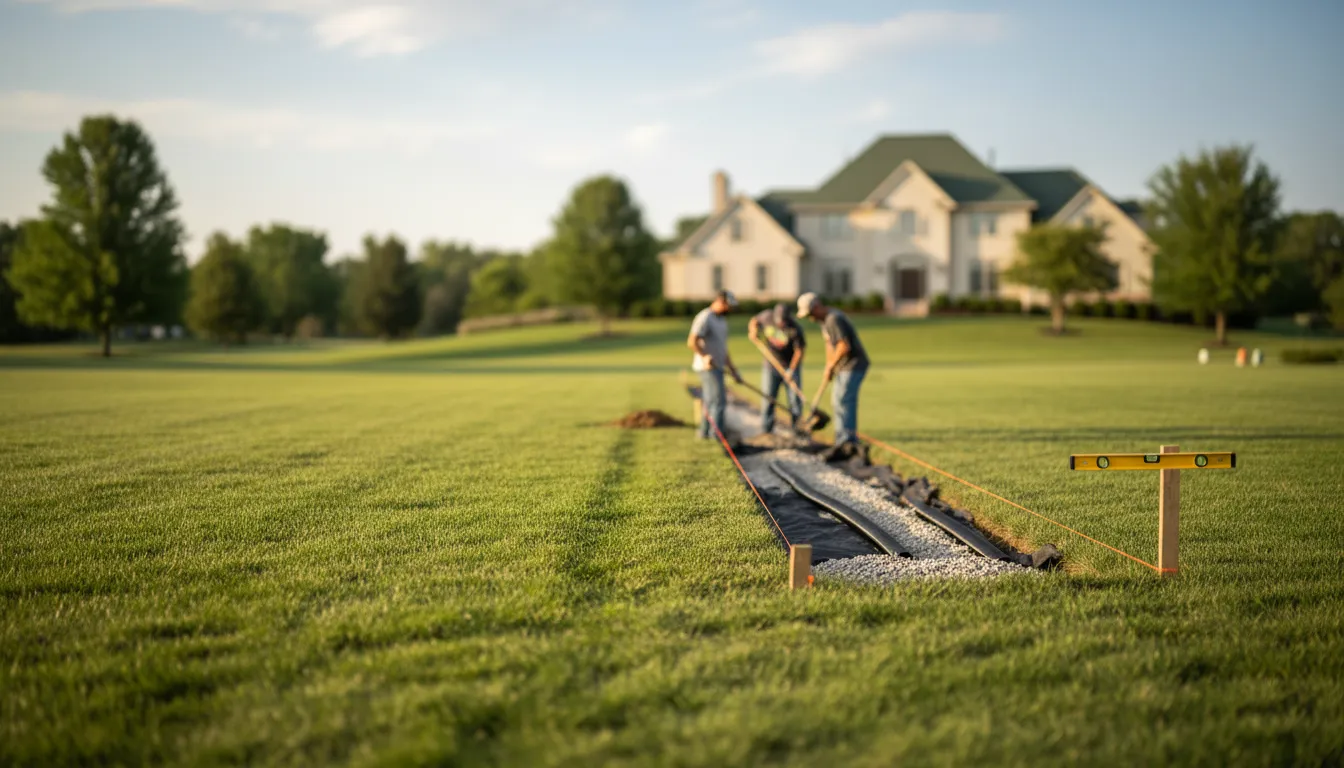
Find the Best Yard Drainage Contractors for Your Business
No obligation • Fast responses • Nationwide coverage

Why you can trust Landscape Atlas
Landscape Atlas is a leading United States resource for evaluating landscaping, lawn care, and outdoor service providers. Our team researches each category in depth, focusing on service quality, safety, and customer experience. Listings and rankings are based on independent criteria and user feedback, and companies cannot pay to influence our assessments or recommendations.
Search providers near you
Best Yard Drainage Contractors in North Carolina Ranked
Proper yard drainage and grading are essential for protecting your North Carolina home from water damage. The state's heavy rainfall and common clay soils can quickly lead to standing water, soil erosion, and costly foundation problems if water isn't managed correctly. This guide explains the key principles of effective water management for NC properties, outlines common solutions, and provides the information you need to connect with qualified local professionals who can assess and solve your specific drainage issues.
DreamScapes
4913 Professional Ct, Raleigh, NC 27609
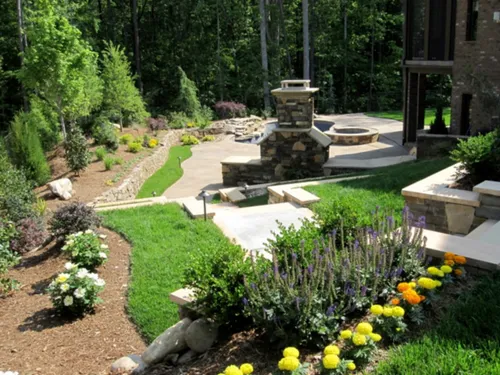
DreamScapes is a landscaping company based in Raleigh, NC, offering a wide range of residential and commercial landscaping services. Their expertise includes lawn mowing, fertilization, weed control, sod and artificial turf installation, landscape lighting, design, tree services, yard drainage, sprinkler installation and repair, as well as hardscaping such as pavers and retaining walls. With over fifteen years of experience, DreamScapes serves the greater Raleigh area including Cary, Wake Forest, Durham, and Chapel Hill. They provide customized landscape design and maintenance plans, combining hardscapes, planting, and lighting to meet client needs. DreamScapes sources materials from local high-quality suppliers and is known for attention to detail and comprehensive service. The company does not specify special availability hours.
Hunter Excavating
1904 Front St Suite 410, Durham, NC 27705
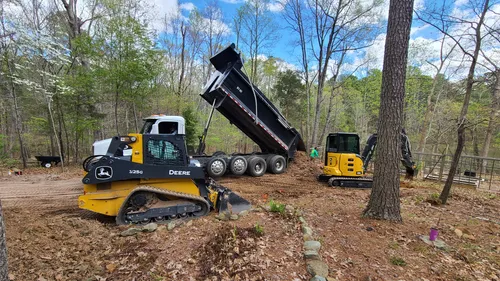
Hunter Excavating is a locally owned and veteran-operated company based in Durham, NC. They provide a range of services including landscaping, grading, excavation, drainage, and sod installation for both residential and commercial projects. The company emphasizes quality workmanship and clear communication, with a focus on building lasting client relationships. As a Veteran Business Enterprise, Hunter Excavating is managed and controlled by veterans, bringing years of experience to their work.
NC Drainage
4420 NC-54, Graham, NC 27253
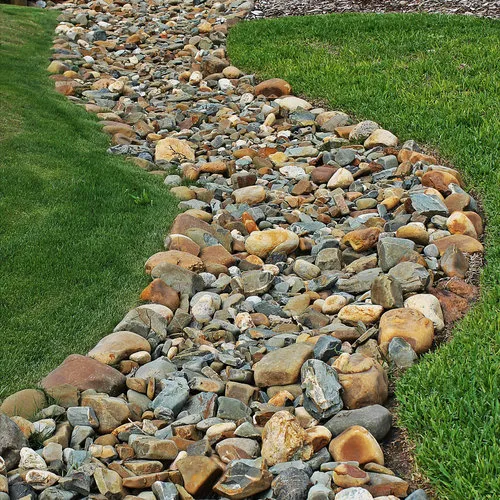
NC Drainage is a yard drainage contractor based in Greensboro, NC. They provide custom drainage solutions tailored to each yard, including grading services and the installation of French drains and downspout piping. Their use of contractor-grade trenching equipment allows for efficient installation of fully wrapped French drains, helping to manage water flow and protect home foundations. NC Drainage focuses on creating dry, functional outdoor spaces by redirecting excess water away from properties.
Carolina Terrain
1515 Waxhaw Indian Trail Rd S, Waxhaw, NC 28173
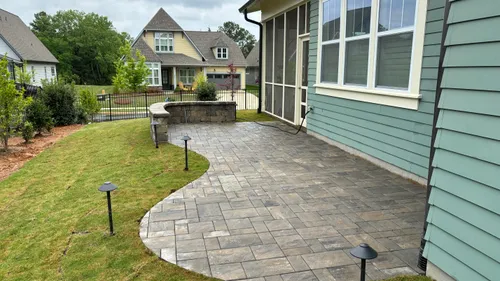
Carolina Terrain is a licensed landscaping, hardscaping, and drainage contractor based in Charlotte, NC. They offer comprehensive property services including custom landscape design, sod installation, grading, drainage solutions, and hardscape construction for residential, commercial, industrial, and HOA properties. Their certified capabilities include Keystone-certified retaining walls and permeable pavers, as well as NDS-certified drainage systems such as French drains and stormwater management. Carolina Terrain serves a 20-mile radius around Waxhaw, NC, covering areas like Marvin, Weddington, and South Charlotte. They also provide pressure washing and property cleaning with a high-capacity hot water system. The company is experienced in handling HOA approvals and municipal projects, ensuring compliance and quality results.
Superior Lawn And Landscaping, Inc.
612 Knollwood St, Winston-Salem, NC 27103
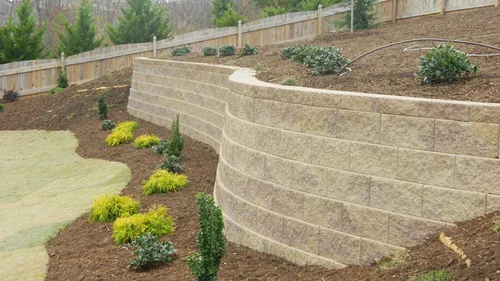
Superior Lawn And Landscaping, Inc. is a landscaping and grading contractor based in Winston Salem, NC. They provide services including grading, drainage solutions, erosion control, retaining wall construction, land clearing, and driveway installation. With over 30 years of experience, they focus on creating stable and functional outdoor spaces tailored to the unique needs of properties in Forsyth County and surrounding areas. Their expertise includes precise grading to ensure proper drainage and long-term durability, as well as building retaining walls that enhance both the appearance and functionality of landscapes.
Why Drainage is Critical in North Carolina
North Carolina's climate and soil present unique challenges for homeowners. With an average annual rainfall of around 46 inches, heavy downpours are common and can quickly overwhelm poorly designed landscapes. The prevalent heavy clay soil, particularly in regions like the Piedmont, complicates matters further. Clay holds water tightly, leading to slow percolation and prolonged saturation. When this saturated soil sits against your home's foundation, it can exert immense pressure (hydrostatic pressure) and lead to cracks, leaks, and structural damage over time. Effective drainage and grading systems are not just about puddle prevention; they are a fundamental investment in your property's structural integrity and value.
Core Principles: Grading for Positive Drainage
The first and most crucial line of defense is proper grading. This refers to the slope of the land around your home. The goal is to create positive drainage, meaning the ground slopes away from your foundation on all sides.
- The Standard Slope: A minimum slope of 6 inches of vertical drop over the first 10 horizontal feet away from the foundation is widely recommended. This gradient effectively directs surface runoff away from the house.
- Foundation Protection: Maintaining this positive grade is the single most important thing you can do to prevent basement and crawl space moisture issues. It ensures that rainwater and meltwater flow away from your home rather than pooling against it 1.
- Correcting Negative Grade: If the ground slopes toward your house (negative grade), it must be corrected. This often involves bringing in clean fill dirt, compacting it properly, and re-establishing a lawn or ground cover. This is a foundational repair that should be addressed before considering more complex drainage systems.
Common Drainage Problems in NC Yards
Recognizing the signs of poor drainage is the first step toward a solution. Common issues include:
- Standing Water: Puddles that remain for more than 24 hours after rain indicate poor surface drainage or a low spot in the yard.
- Soil Erosion: Washouts, gullies, or exposed roots, especially in areas with sandy or coarse soil, show that water is flowing too quickly and carrying soil away.
- Soggy Lawn Areas: Spongy, constantly wet grass, even without visible puddles, often points to a high water table or poor subsurface drainage.
- Basement or Crawl Space Dampness: Musty odors, efflorescence (white, chalky residue on walls), or visible water seepage are serious signs that groundwater is affecting your home's foundation.
- Overwhelmed Gutters: Gutters that overflow during typical rainstorms may be clogged, undersized, or have downspouts that discharge too close to the foundation.
Effective Drainage Solutions for NC Homes
A combination of grading and specific drainage techniques is often the best approach. Here are the most effective systems used by professionals across North Carolina:
1. French Drains
A French drain is a trench filled with gravel or rock containing a perforated pipe. It is designed to intercept and redirect groundwater and surface water. They are particularly effective for:
- Relieving hydrostatic pressure against foundation walls.
- Draining soggy areas in the middle of a lawn.
- Channeling water from downspouts away from the property. Costs typically range from $10 to $25 or more per linear foot, depending on depth, materials, and site accessibility 2.
2. Dry Wells and Catch Basins
These are underground structures that collect and temporarily store stormwater, allowing it to slowly percolate into the surrounding soil. A catch basin (an inlet with a grate) is often connected via pipe to a dry well. This system is excellent for managing runoff from downspouts or paved areas where directing water to daylight is difficult.
3. Swales and Bioswales
A swale is a broad, shallow, vegetated channel designed to convey water. A bioswale incorporates specific plants and amended soils to not only move water but also filter out pollutants. These are a natural-looking, effective way to manage sheet flow across a property and are encouraged in many NC stormwater guidelines.
4. Rain Gardens (Bioretention)
Rain gardens are landscaped depressions planted with native, water-tolerant vegetation. They are designed to capture runoff from roofs, driveways, and lawns, allowing it to soak into the ground while being filtered by the plants and soil. Native plants like Joe-Pye weed and Cardinal flower are ideal for NC rain gardens. Installation can range from $500 to $2,000+ depending on size and plant selection 3.
5. Permeable Paving
For driveways, patios, and walkways, permeable pavers, porous concrete, or open-grid pavers allow rainwater to pass through the surface into a stone reservoir below, where it gradually infiltrates the soil. This reduces runoff volume and helps recharge groundwater. Material and installation costs are higher than traditional paving, often $15-$30+ per square foot, but they offer a powerful eco-friendly solution 4.
6. Downspout and Gutter Management
Often overlooked, your roof drainage system is a primary source of water. Simply extending downspouts at least 5-10 feet away from the foundation is a low-cost, high-impact improvement. For a cleaner look, downspouts can be connected to underground drain pipes that lead to a dry well, swale, or storm sewer (where permitted).
Find the perfect yard drainage contractors for your needs
Get personalized recommendations and expert advice
Working with Local Regulations and Ecology
North Carolina has specific guidelines for stormwater management, especially in areas near waterways or with sensitive ecosystems. The NC Department of Environmental Quality (DEQ) provides a Stormwater Design Manual that outlines best practices 5. Additionally, many municipalities and counties have their own ordinances regarding grading, erosion control, and where you can discharge drainage water. A knowledgeable local professional will understand these regulations and can ensure your drainage project is compliant, protecting you from potential fines and ensuring your solution is environmentally sound.
Soil Considerations: Clay, Sand, and Erosion Control
Your soil type dictates which solutions are most effective.
- Clay Soil: Prevalent in much of NC, clay requires systems that manage slow percolation. Grading is paramount, and French drains must be properly constructed with adequate gravel and filter fabric to prevent clogging. Swales and rain gardens in clay areas may need amended soil to function optimally.
- Sandy/Coarse Soil: Found in coastal plains and some regions, these soils drain quickly but are highly prone to erosion. Solutions here focus on slowing water flow and stabilizing the soil with vegetation, riprap (stone), or retaining structures.
- Erosion Control: For any sloped area, stabilizing bare soil is critical. Techniques include seeding with erosion-control matting, installing retaining walls, or using riprap in drainage channels.
Protecting Your Foundation: A Multi-Layer Approach
The most effective strategy uses multiple layers of defense:
- Grade: Ensure the soil slopes away from the foundation.
- Divert: Use gutters and extended downspouts to collect roof water and channel it away.
- Intercept: Install French drains or curtain drains to catch subsurface water before it reaches the foundation.
- Manage: Use swales, rain gardens, or permeable surfaces to handle the runoff once it's away from the house.
For existing homes with chronic basement or crawl space water issues, more extensive (and costly) interior or exterior foundation waterproofing systems, which can include sump pumps and drainage membranes, may be necessary, with projects ranging from $2,000 to $10,000 or more 6.
Frequently asked questions
Sources
Footnotes
-
What Is Yard Grading? - https://www.tarheelbasementsystems.com/resources/foundation-repair/yard-grading/ ↩
-
Drainage Solutions In Clayton | Raleigh | Apex | Cary NC - https://www.rodrigoslandscaping.com/drainage-solutions/ ↩
-
Waxhaw's Red Clay Drainage Crisis - The Data Behind the Damage - https://www.carolinaterrain.com/post/waxhaw-s-red-clay-drainage-crisis-the-data-behind-the-damage ↩
-
How To Manage Stormwater Runoff | Vision Green Landscape - https://www.visiongreencharlotte.com/2023/11/03/stormwater-runoff-management/ ↩
-
Stormwater Design Manual | NC DEQ - https://www.deq.nc.gov/about/divisions/energy-mineral-and-land-resources/stormwater/stormwater-program/stormwater-design-manual ↩
-
Grading & Drainage Basics for Residential Landscaping in ... - https://www.honeycutt-landscaping-inc.com/grading-and-drainage-in-residential-yard-design/ ↩