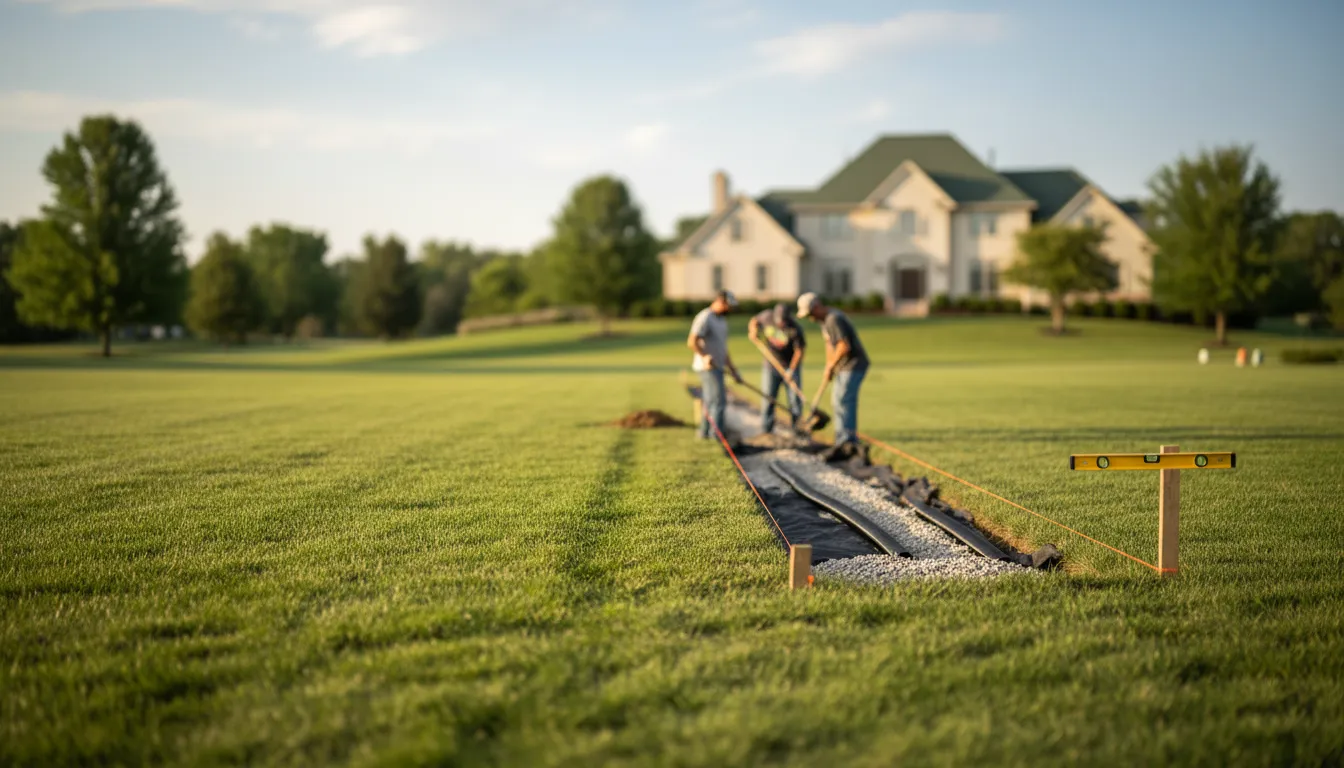
Find the Best Yard Drainage Contractors for Your Business
No obligation • Fast responses • Nationwide coverage

Why you can trust Landscape Atlas
Landscape Atlas is a leading United States resource for evaluating landscaping, lawn care, and outdoor service providers. Our team researches each category in depth, focusing on service quality, safety, and customer experience. Listings and rankings are based on independent criteria and user feedback, and companies cannot pay to influence our assessments or recommendations.
Search providers near you
Top Yard Drainage Contractors in Charlotte, North Carolina Ranked
Effective yard drainage and grading are essential for protecting your Charlotte home from water damage, preventing soil erosion, and maintaining a healthy, usable landscape. Proper water management directs rainfall and runoff away from your foundation, preventing costly structural issues and eliminating soggy, mosquito-breeding areas in your yard. This guide will help you understand the common solutions, processes, and considerations for managing water on your property, connecting you with the knowledge to find qualified local professionals for your project.
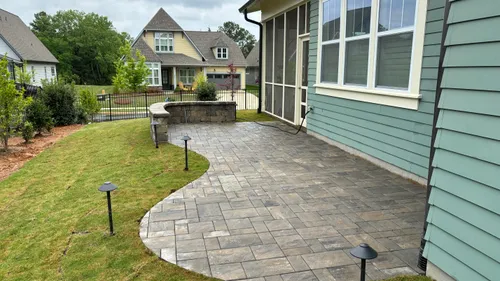
Carolina Terrain
1515 Waxhaw Indian Trail Rd S, Waxhaw, NC 28173
Carolina Terrain is a licensed landscaping, hardscaping, and drainage contractor based in Charlotte, NC. They offer comprehensive property services including custom landscape design, sod installation, grading, drainage solutions, and hardscape construction for residential, commercial, industrial, and HOA properties. Their certified capabilities include Keystone-certified retaining walls and permeable pavers, as well as NDS-certified drainage systems such as French drains and stormwater management. Carolina Terrain serves a 20-mile radius around Waxhaw, NC, covering areas like Marvin, Weddington, and South Charlotte. They also provide pressure washing and property cleaning with a high-capacity hot water system. The company is experienced in handling HOA approvals and municipal projects, ensuring compliance and quality results.
GreenWorx180
6425 Bannington Rd Unit A, Charlotte, NC 28226
GreenWorx180 is a landscaping and lawn care company based in Charlotte, NC, serving the city and nearby communities including Indian Trail, Cornelius, Matthews, and Fort Mill, SC. They offer a wide range of services such as sod installation, shrub and tree planting, hardscape design, drainage solutions, landscape lighting, fence installation, and seasonal yard maintenance. The company is experienced in both residential and commercial landscaping projects, with capabilities including custom paver patios and efficient irrigation systems. Established in 2017, GreenWorx180 has built a reputation supported by numerous positive reviews and local awards, reflecting their commitment to quality and customer satisfaction.
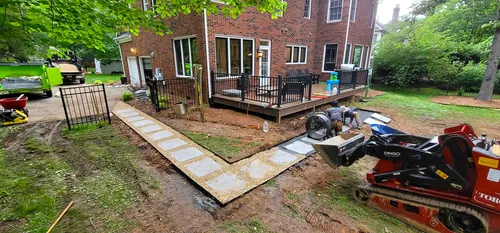
Haven Landscape Design
Charlotte, NC
Haven Landscape Design is a landscape design and installation company based in Charlotte, NC. They offer a range of services including custom landscape design, hardscaping with patios, walkways, and retaining walls, landscape lighting, sod installation, yard drainage solutions, and outdoor kitchens and fire pits. Their work focuses on blending beauty, functionality, and sustainability to create personalized outdoor spaces. Haven Landscape Design serves Charlotte and nearby areas such as Matthews, Huntersville, Concord, and Fort Mill. They are experienced in installing advanced drainage systems to protect properties and enhance landscape health.
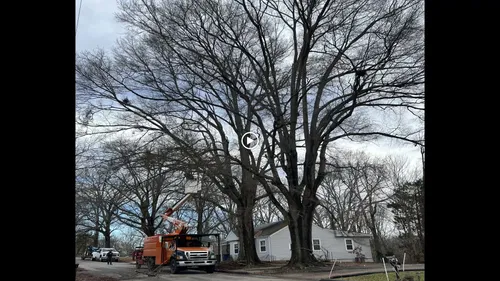
Ziemba's Tree Service
1030 Limestone Terrace, Salisbury, NC 28146
Ziemba's Tree Service is a comprehensive tree care provider based in Charlotte, NC. They offer a variety of services including tree removal, stump grinding, land clearing, grading, brush removal, and emergency storm response. Their certified arborists also provide specialized services such as line clearance near power lines, bucket services for elevated tree work, and climbing services for delicate pruning and maintenance. With years of experience, they use advanced equipment and follow strict safety protocols to ensure efficient and safe operations. The company is available 24/7 for emergency storm-related tree damage, supporting property safety and restoration.
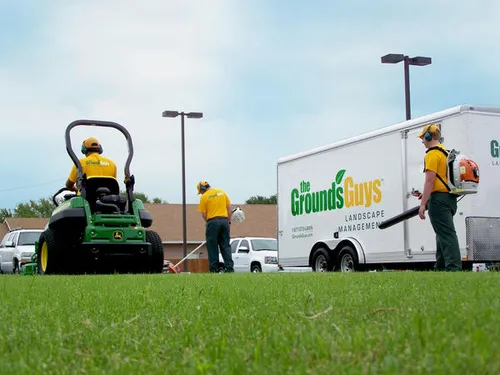
The Grounds Guys of Ballantyne
Charlotte, NC
The Grounds Guys of Ballantyne is a landscaping company serving Charlotte, NC, offering a wide range of lawn and landscape services. Their expertise includes lawn mowing, fertilization, weed control, sod installation, landscape lighting, irrigation installation and repair, tree services, yard drainage, and hardscaping such as patios and retaining walls. They provide customized landscape design and maintenance plans tailored to local soil and climate conditions. The company emphasizes eco-friendly solutions like drought-tolerant plants and efficient irrigation. Their services cover both residential and commercial properties, with flexible scheduling and clear communication to support year-round landscape health.
Why Proper Drainage is Critical in Charlotte
Charlotte's climate, with its significant rainfall and occasional heavy storms, makes effective yard drainage a necessity, not a luxury. Without a proper system, water can pool in low spots, saturate your lawn, and-most critically-seep toward your home's foundation. Over time, this hydrostatic pressure can lead to cracks, basement flooding, and mold growth. A well-designed drainage and grading plan acts as your first line of defense, channeling water safely away to protect your property's value and integrity.
Common Signs You Need Drainage Work
How do you know if your yard needs attention? Look for these telltale signs:
- Standing Water: Puddles that remain for more than a day after a rainstorm.
- Soil Erosion: Gullies or washed-away soil, especially near downspouts or on slopes.
- Soggy Lawn: Areas that are constantly spongy or muddy underfoot.
- Foundation Dampness: Water stains on your home's exterior foundation or moisture in your basement or crawl space.
- Mosquito Infestations: Standing water creates ideal breeding grounds for pests.
Core Solutions for Yard Drainage & Grading
Professional drainage solutions range from simple surface corrections to complex underground systems. The right approach depends on your yard's specific topography and problem areas.
Regrading and Slope Correction
This is often the foundational step. Regrading involves adjusting the contour and slope of your land to create a gentle, consistent incline that directs surface water away from your home 1. Experts recommend a minimum slope of 2% (a 2-foot drop over 100 feet) for effective runoff 2. This process may involve moving significant amounts of soil to eliminate low spots and create positive drainage.
Subsurface Drainage Systems
For water that saturates the soil or collects near foundations, underground solutions are key.
- French Drains: A gravel-filled trench containing a perforated pipe that collects and redirects groundwater. They are highly effective for relieving hydrostatic pressure against foundations and drying out chronically wet areas.
- Catch Basins: These are grated inlets installed in low points to collect large volumes of surface water, which is then piped underground to a safe discharge point like a storm sewer or dry well.
- Dry Wells: An underground chamber filled with gravel or a prefabricated vault that collects and temporarily stores runoff, allowing it to slowly percolate back into the surrounding soil.
Surface Water Management
These solutions manage water flow above ground in a controlled and often landscaped way.
- Swales & Rock Beds: Broad, shallow channels lined with grass, plants, or river rock that guide surface runoff across your property. They are a natural-looking way to manage water from downspouts or across gentle slopes.
- Downspout Extensions: A simple but critical fix. Routing gutter downspouts several feet away from your foundation-and into a splash block, swale, or underground pipe-is a low-cost way to prevent immediate foundation problems 3.
- Rain Gardens: A landscaped depression planted with native, water-tolerant plants designed to collect and absorb runoff from roofs or driveways, filtering pollutants in the process.
Find the perfect yard drainage contractors for your needs
Get personalized recommendations and expert advice
The Professional Drainage Project Process
A successful drainage installation follows a logical sequence to ensure long-term effectiveness.
- Site Assessment: A professional will inspect your property, ideally after a rain, to identify water sources, flow paths, and problem areas. They will evaluate soil type, existing slopes, and proximity to your home.
- System Design: Based on the assessment, a tailored plan is created. This often involves combining solutions-for example, regrading the overall yard, installing a French drain along a wet foundation wall, and using a swale to handle roof runoff.
- Permitting and Planning: In Charlotte, some drainage work, especially if it ties into a public storm system or impacts easements, may require a permit from Mecklenburg County Storm Water Services 4. A reputable contractor will handle this process.
- Installation: This phase involves excavation, trenching for pipes, installing basins or dry wells, and carefully shaping the land for swales or regrading. Precision is key to ensuring the correct slope for water flow.
- Restoration and Cleanup: After the drainage components are in place, the contractor will backfill trenches, replace topsoil, and restore your landscaping with sod, seed, or mulch to blend the work into your existing yard.
- Maintenance: Like any system, drainage requires occasional upkeep. This includes clearing debris from catch basin grates, ensuring downspouts are unclogged, and checking that water flows freely through the system 5.
Understanding Investment and Value
The cost of drainage work in Charlotte varies widely based on the yard's size, the complexity of the problem, and the solutions chosen. Here's a general overview of project ranges:
- Excavation and Regrading: $1,400 - $6,000
- French Drain System: $2,000 - $7,000+
- Catch Basin Installation: $600 - $2,000 each
- Dry Well: $1,000 - $4,000
- Swale or Surface Channel: $800 - $5,000 6
Simple projects like extending downspouts may cost a few hundred dollars, while comprehensive whole-yard solutions with multiple components can reach $13,000 or more 7. It's crucial to view this as an investment in your property that prevents far more expensive foundation repairs, landscape replacement, and water damage restoration down the line.
Choosing the Right Professional in Charlotte
When seeking a contractor for water management and grading work, look for specialists with proven experience. Ask for references, proof of insurance, and detailed written estimates that break down labor, materials, and design. A trustworthy professional will take the time to explain their assessment, propose a logical solution, and discuss the long-term maintenance of the system they install.
Frequently asked questions
Sources
Footnotes
-
Charlotte Yard Drainage Solutions | MetroGreenscape - https://www.metrogreenscape.com/services/yard-drainage/ ↩
-
Grading & Drainage Basics for Residential Landscaping in ... - https://www.honeycutt-landscaping-inc.com/grading-and-drainage-in-residential-yard-design/ ↩
-
Yard Drainage Solutions for Charlotte Homeowners - https://www.visiongreencharlotte.com/2024/12/13/yard-drainage-solutions/ ↩
-
Storm Drainage Improvements - Storm Water Services - https://stormwaterservices.mecknc.gov/service/storm-drainage-improvements ↩
-
How to Manage Water in Charlotte Yards - Vision Green Landscape - https://www.visiongreencharlotte.com/2025/11/14/water-management-charlotte-yard/ ↩
-
How Much Does Yard Drainage Cost in 2025? Homeowner's Guide - https://warelandscaping.com/how-much-does-yard-drainage-cost-in-2025 ↩
-
How Much Does Yard Drainage Cost? - https://drainagefirst.com/how-much-does-yard-drainage-cost/ ↩