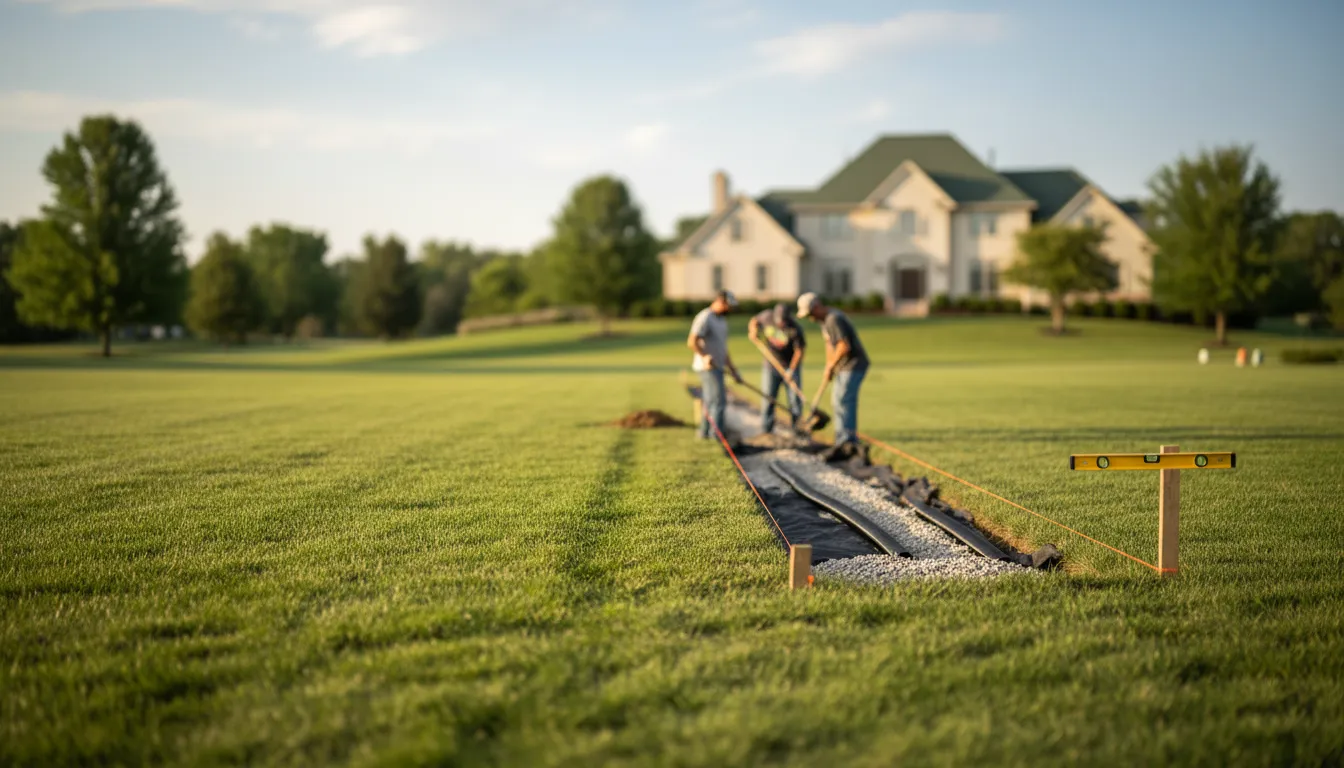
Find the Best Yard Drainage Contractors for Your Business
No obligation • Fast responses • Nationwide coverage

Why you can trust Landscape Atlas
Landscape Atlas is a leading United States resource for evaluating landscaping, lawn care, and outdoor service providers. Our team researches each category in depth, focusing on service quality, safety, and customer experience. Listings and rankings are based on independent criteria and user feedback, and companies cannot pay to influence our assessments or recommendations.
Search providers near you
Top Yard Drainage Contractors in Bloomfield, New Jersey Ranked
Proper yard drainage and grading are essential for protecting your home's foundation, preventing landscape erosion, and eliminating soggy, unusable areas of your property. In Bloomfield's climate, managing stormwater runoff is not just about comfort-it's a critical part of home maintenance that safeguards your investment. This guide will help you understand the common solutions, processes, and considerations for effective water management, connecting you with the local expertise needed to address your specific situation.
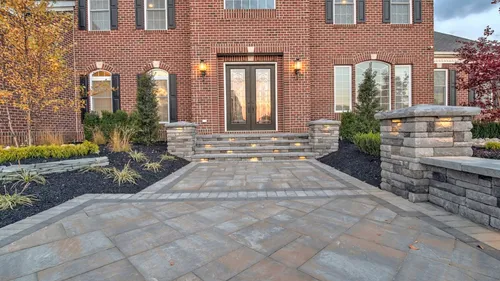
Scenic View Landscaping & Design Specialist
213 Broad St, Keyport, NJ 07735
Scenic View Landscaping & Design Specialist is a landscaping and hardscaping company based near New York, NY, offering a wide range of services including sod installation, artificial turf, landscape lighting, yard drainage, tree services, and hardscaping features like pavers and retaining walls. They provide landscape design and commercial maintenance, with capabilities such as grading and drainage solutions. The company has received multiple service awards and maintains a strong reputation for detailed and attentive work. Scenic View Landscaping & Design Specialist serves the New York, NY area and surrounding communities.
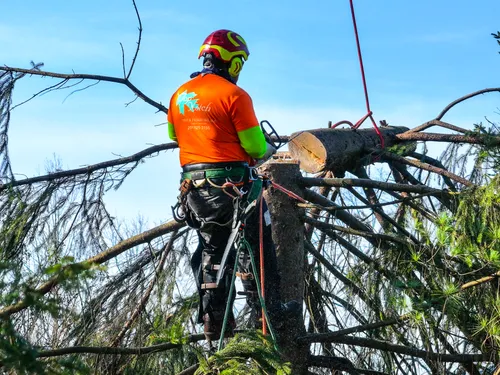
Top Notch Tree & Excavating LLC
83 Grant St #2, Ramsey, NJ 07446
Top Notch Tree & Excavating LLC is a family-owned business serving New York, NY, and northern New Jersey with over 20 years of experience. They provide a wide range of services including tree removal, stump grinding, land clearing, excavation, grading, and storm damage response. The company owns and operates its own equipment, allowing for efficient and timely project completion. Their team is certified and trained in safety practices, handling projects from small tree trimming to large-scale site preparation.
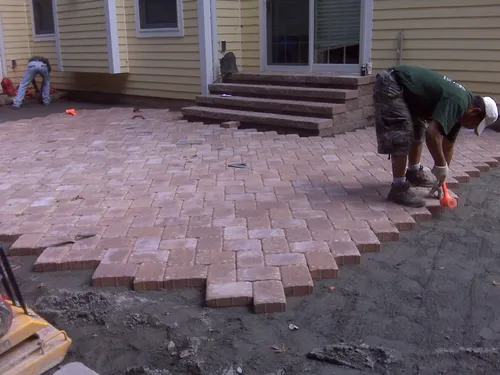
Hillsdale Landscaping & Construction
27 Legion Pl, Hillsdale, NJ 07642
Hillsdale Landscaping & Construction is a landscaping and hardscaping company based near New York, NY. They provide landscape design, yard drainage solutions, grading services, and installation of paver walkways, patios, and driveways. Their services include water management to address issues like basement water and yard puddles, as well as plantings and garden design to enhance privacy and rejuvenate properties.
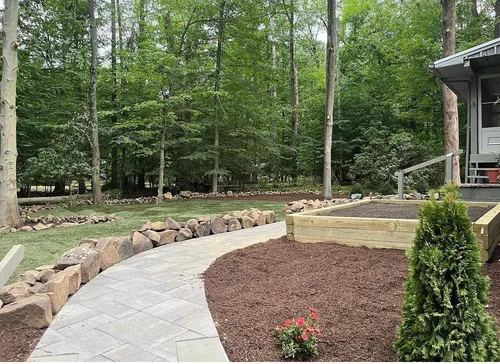
Haughey Brothers Landscaping LLC
New York, NY
Haughey Brothers Landscaping LLC is a family-owned landscaping company serving New York, NY, and nearby areas in Union County, New Jersey. They specialize in creating luxury outdoor living spaces, offering services such as landscape design, custom hardscaping, lawn care, fence installation, sod and artificial turf installation, yard drainage, and landscape lighting. Their team focuses on transforming yards into functional and beautiful retreats with attention to detail and craftsmanship. The company has several years of experience and provides services for both residential and commercial properties. They also offer snow removal and winter maintenance services to support year-round outdoor care.
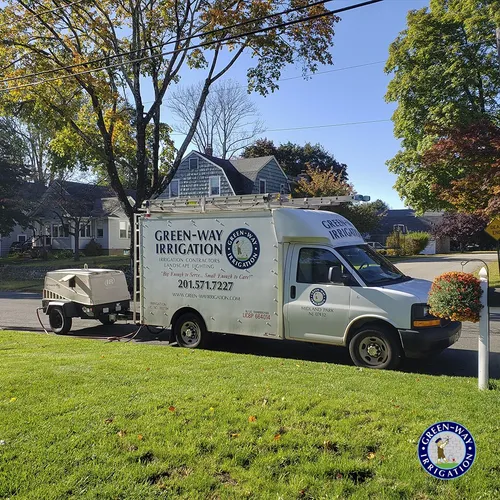
Green-Way Irrigation
34 Grove St, Midland Park, NJ 07432
Green-Way Irrigation is a family-owned company based near New York, NY, offering comprehensive irrigation, outdoor lighting, and yard drainage solutions. Serving multiple communities in Bergen County, they specialize in installing and maintaining water-efficient irrigation systems, low-voltage outdoor lighting, and custom drainage systems designed to protect lawns and homes from water damage. With over 35 years of experience, Green-Way Irrigation also provides outdoor audio system installations to enhance outdoor living spaces. They offer emergency services and are fully licensed and insured.
Why Drainage Matters in Bloomfield
Bloomfield, like many New Jersey towns, deals with significant rainfall and stormwater runoff. Ineffective drainage can lead to a host of problems, from minor annoyances to serious structural damage. Pooling water kills grass, creates muddy patches, and can become a breeding ground for mosquitoes. More critically, water that pools near your foundation can seep into basements, cause cracks in walls and slabs, and lead to costly repairs. Community discussions also highlight challenges like clogged street drains, which can exacerbate localized flooding during heavy rains 1. Implementing a proper drainage plan is a proactive step to protect your property's value and integrity.
Common Residential Drainage Solutions
Several effective techniques are used by Bloomfield homeowners and professionals to control surface water and subsurface water. The right solution depends on your property's specific grading, soil type, and the source of the water.
- Grading and Regrading: This foundational practice involves shaping the land's slope to direct water away from your home's foundation toward a safe dispersal area, like a storm drain or a dry well. Proper grading is often the first and most important step in solving drainage issues.
- Downspout and Gutter Management: Roof runoff is a major source of water. Disconnecting downspouts from direct ties to basement drains or storm sewers and instead redirecting water to lawns, rain barrels, or splash blocks is a key recommendation from experts like the New Jersey Agricultural Experiment Station and the EPA.
- Rain Barrels and Cisterns: These systems capture and store rainwater from your roof for later use in irrigation. They are a simple, cost-effective way to reduce runoff volume from your property 2.
- Rain Gardens and Bioretention Areas: A rain garden is a shallow, planted depression designed to absorb and filter runoff from roofs, driveways, and lawns. Using native plants, it allows water to infiltrate the soil naturally, reducing pollutant loads to local waterways.
- Subsurface Drainage Systems: For persistent standing water or soggy soil, solutions like French drains (gravel-filled trenches with perforated pipe) and catch basins (grates that collect surface water) are installed underground to collect and channel water away from problem areas.
- Permeable Pavers: Replacing solid concrete or asphalt with permeable surfaces like porous pavers or gravel allows rainwater to soak through the material into the ground below, significantly reducing runoff from patios, walkways, and driveways 3.
The Professional Drainage Project Process
Tackling a significant water issue typically follows a structured process, especially when permits or complex installation is required.
- Site Assessment: A specialist will identify all water sources (roof runoff, slopes from neighboring properties) and map problem areas where water pools or causes erosion. This diagnosis is crucial for an effective design.
- System Design: Based on the assessment, a plan is created. This may include the slope for regrading, the route for subsurface pipes, or the location and size of a rain garden. For complex issues, professional design ensures the system has adequate capacity.
- Permitting: Bloomfield Township has stormwater management regulations. Larger projects involving significant excavation, piping, or connection to municipal systems may require a permit or review. It's important to check local rules before beginning work.
- Installation: This phase involves excavation, installing drains or catch basins, reshaping the land (regrading), and planting for green infrastructure projects. Proper installation is key to long-term functionality.
- Maintenance: All systems require upkeep. This includes cleaning gutters, ensuring downspouts are clear, removing debris from catch basin grates, and managing vegetation in rain gardens to maintain their absorption capacity.
Find the perfect yard drainage contractors for your needs
Get personalized recommendations and expert advice
Understanding Costs for Drainage Work
Investment in drainage solutions varies widely based on the complexity and scale of the problem. Here's a general overview of potential costs, though obtaining quotes from local NJ landscapers who specialize in drainage is the best way to get an accurate price for your project.
- Rain Barrel Setup: A simple, do-it-yourself option can range from $100 to $300 installed.
- Downspout Extensions or a Basic Rain Garden: Smaller projects like these often fall in the hundreds to low thousands of dollars.
- Grading and Minor Regrading: Reshaping your yard's slope typically costs between $500 and $2,000 or more, depending on the area size and soil conditions.
- French Drain or Catch Basin System: Installing a more comprehensive subsurface drainage system is a larger investment, generally ranging from $1,500 to over $5,000, based on the length, depth, and complexity of the installation 4 5.
- Permeable Paving: This is a premium solution, with material and installation costs often estimated between $10 and $20 or more per square foot.
Local Considerations for Bloomfield Homeowners
When planning a drainage project in Bloomfield, engaging with local expertise is highly beneficial. Professionals familiar with the township's soil types, common water table issues, and specific municipal regulations can navigate the process efficiently. For instance, they can advise on Bloomfield's Stormwater Pollution Prevention Plan (SPPP) requirements, which are designed to protect local waterways from pollution 6. Furthermore, community-focused solutions may be discussed in local forums, addressing broader neighborhood drainage concerns. The goal is always to slow down runoff, allow it to infiltrate the ground where possible, and safely direct it away from structures, following both best practices and local guidelines.
Frequently asked questions
Sources
Footnotes
-
Bloomfield Township Stormwater Management System ... - https://www.facebook.com/groups/BloomfieldPulse/posts/7263645687064123/ ↩
-
What You Can Do to Soak Up the Rain | US EPA - https://www.epa.gov/soakuptherain/what-you-can-do-soak-rain ↩
-
FS1197: An Introduction to Green Infrastructure Practices (Rutgers ... - https://njaes.rutgers.edu/fs1197/ ↩
-
Yard Drainage & Grading Services in NJ - https://www.scenicviewlandscapingnj.com/drainage-services/ ↩
-
Stormwater Best Management Practices - https://spcwater.org/topics/stormwater-management/stormwater-best-management-practices-2/ ↩
-
Stormwater Pollution Prevention Plan - Bloomfield Township, NJ - https://www.bloomfieldtwpnj.com/DocumentCenter/View/16735/Bloomfield-SPPP---Revised---2025 ↩