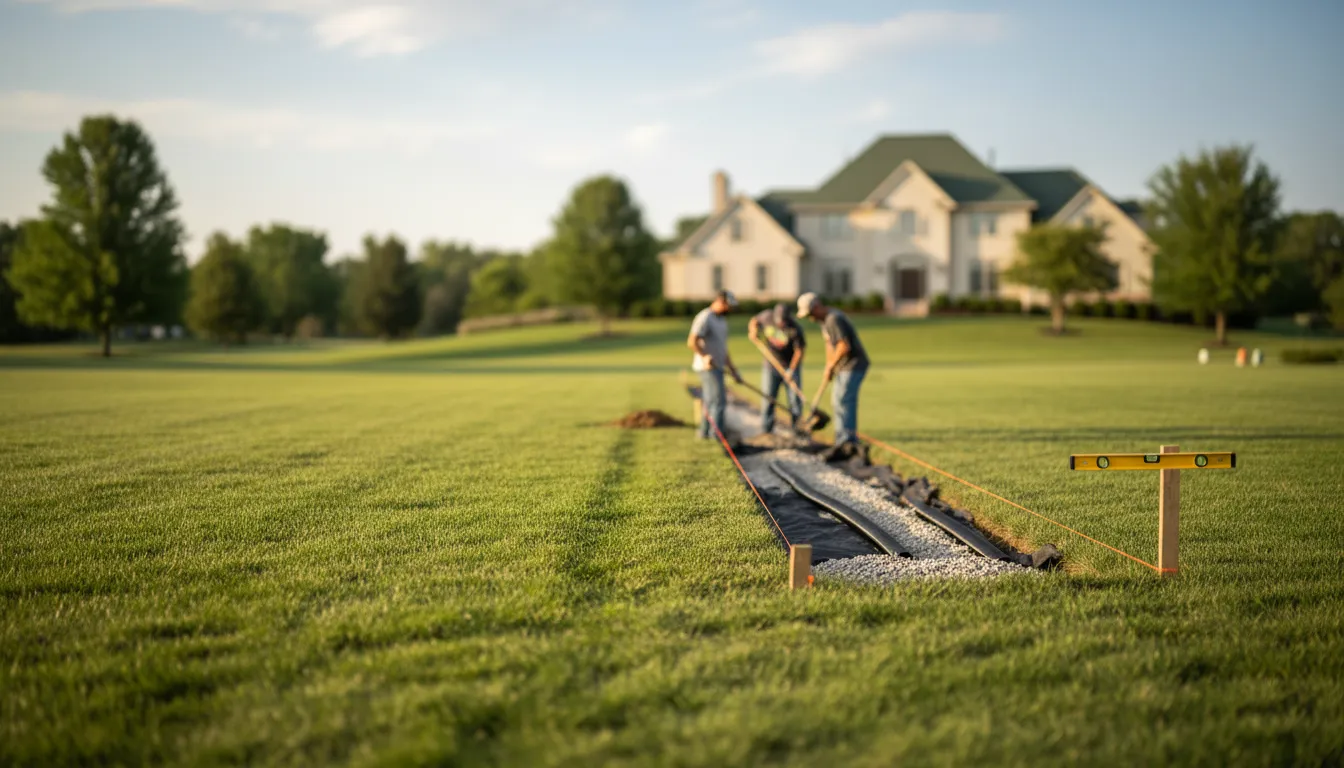
Find the Best Yard Drainage Contractors for Your Business
No obligation • Fast responses • Nationwide coverage

Why you can trust Landscape Atlas
Landscape Atlas is a leading United States resource for evaluating landscaping, lawn care, and outdoor service providers. Our team researches each category in depth, focusing on service quality, safety, and customer experience. Listings and rankings are based on independent criteria and user feedback, and companies cannot pay to influence our assessments or recommendations.
Search providers near you
Top Yard Drainage Contractors in Hackensack, New Jersey Ranked
Proper yard drainage and grading are essential for protecting your Hackensack home from water damage, soil erosion, and foundation issues. Managing stormwater runoff effectively prevents costly repairs and contributes to a healthier local environment. This guide explains the common approaches, project steps, and considerations for residential stormwater management, helping you connect with local specialists who can assess your property and implement the right solution.
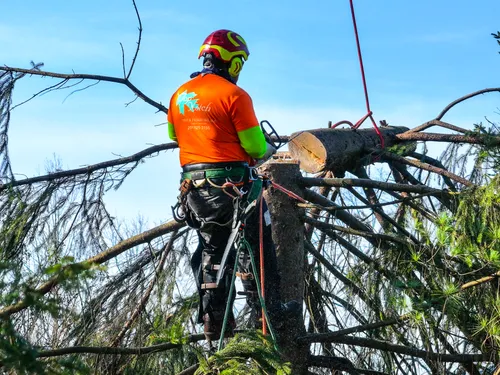
Top Notch Tree & Excavating LLC
83 Grant St #2, Ramsey, NJ 07446
Top Notch Tree & Excavating LLC is a family-owned business serving New York, NY, and northern New Jersey with over 20 years of experience. They provide a wide range of services including tree removal, stump grinding, land clearing, excavation, grading, and storm damage response. The company owns and operates its own equipment, allowing for efficient and timely project completion. Their team is certified and trained in safety practices, handling projects from small tree trimming to large-scale site preparation.
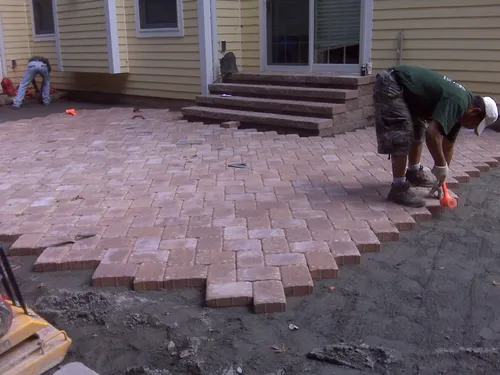
Hillsdale Landscaping & Construction
27 Legion Pl, Hillsdale, NJ 07642
Hillsdale Landscaping & Construction is a landscaping and hardscaping company based near New York, NY. They provide landscape design, yard drainage solutions, grading services, and installation of paver walkways, patios, and driveways. Their services include water management to address issues like basement water and yard puddles, as well as plantings and garden design to enhance privacy and rejuvenate properties.
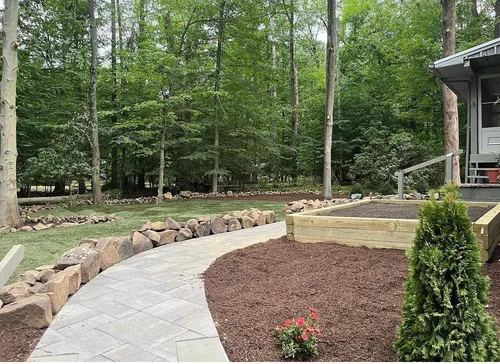
Haughey Brothers Landscaping LLC
New York, NY
Haughey Brothers Landscaping LLC is a family-owned landscaping company serving New York, NY, and nearby areas in Union County, New Jersey. They specialize in creating luxury outdoor living spaces, offering services such as landscape design, custom hardscaping, lawn care, fence installation, sod and artificial turf installation, yard drainage, and landscape lighting. Their team focuses on transforming yards into functional and beautiful retreats with attention to detail and craftsmanship. The company has several years of experience and provides services for both residential and commercial properties. They also offer snow removal and winter maintenance services to support year-round outdoor care.
Green-Way Irrigation
34 Grove St, Midland Park, NJ 07432
Green-Way Irrigation is a family-owned company based near New York, NY, offering comprehensive irrigation, outdoor lighting, and yard drainage solutions. Serving multiple communities in Bergen County, they specialize in installing and maintaining water-efficient irrigation systems, low-voltage outdoor lighting, and custom drainage systems designed to protect lawns and homes from water damage. With over 35 years of experience, Green-Way Irrigation also provides outdoor audio system installations to enhance outdoor living spaces. They offer emergency services and are fully licensed and insured.
Sullivan & Son Landscaping Management
18 Belltown Rd, Stamford, CT 06905
Sullivan & Son Landscaping Management is a landscaping and hardscaping company serving New York, NY, with over 30 years of experience. They provide a wide range of services including lawn care, fertilization, weed control, sod installation, landscape lighting, tree services, yard drainage, sprinkler installation and repair, as well as hardscaping such as pavers and retaining walls. The company specializes in landscape construction and maintenance, offering expertise in retaining walls, patios, walkways, and outdoor living spaces. They also provide snow and ice management and junk removal services. Sullivan & Son is known for their detailed consultations and comprehensive project management to meet customer expectations.
Why Proper Drainage Matters in Hackensack
Inadequate drainage can lead to a host of problems for homeowners. Persistent water pooling in your yard can drown grass and plants, create muddy patches, and become a breeding ground for mosquitoes. More seriously, water that flows toward your home can seep into basements and crawl spaces, causing mold, mildew, and structural damage to your foundation. Effective stormwater management isn't just about protecting your property; it also helps reduce the burden on municipal systems and prevents pollutants from being carried into local waterways. Given Hackensack's ongoing exploration of green infrastructure for community stormwater management, individual homeowner efforts align with broader environmental goals.
Common Residential Drainage Solutions
Professional contractors typically recommend a combination of grading and specific drainage structures tailored to your property's unique challenges. Here are the most common methods used in the area.
Regrading and Landscaping Adjustments
Often, the first line of defense is correcting the slope, or grade, of your land. The goal is to create a gentle slope that directs surface water away from your home's foundation and toward a suitable discharge point, like a street gutter or a dry well. This can involve adding topsoil, creating swales (broad, shallow ditches), or recontouring landscaped areas. Proper grading is a fundamental part of any comprehensive water management plan and is often combined with other solutions 1.
French Drains and Catch Basins
For subsurface water or water collected from downspouts, a French drain is a highly effective solution. It consists of a perforated pipe laid in a gravel-filled trench, which collects and redirects groundwater. Catch basins are grated inlets placed in low spots to collect surface water, which is then piped away. These structural solutions are ideal for yards with persistent soggy areas or where regrading alone is insufficient.
Green Infrastructure (GI) Practices
Hackensack is increasingly looking toward green infrastructure, which uses natural processes to manage stormwater. These eco-friendly options include:
- Rain Gardens: A depressed garden area filled with native, water-tolerant plants. It collects runoff from roofs or driveways, allowing it to soak slowly into the ground while filtering pollutants 2.
- Rain Barrels: Simple systems that collect water from your roof downspouts for later use in watering gardens, reducing the volume of runoff during storms 3.
- Permeable Pavers: For patios, walkways, or driveways, these pavers allow water to seep through the surface into a stone base below, reducing rapid runoff from impervious surfaces 4 5.
The Typical Drainage Project Process
Understanding the steps involved can help you prepare for a consultation with a local drainage contractor.
- Site Assessment and Problem Identification: A specialist will inspect your property to locate areas of pooling, identify the source of water (e.g., roof runoff, neighbor's yard, natural springs), and evaluate soil composition. This diagnosis is critical for an effective design 6.
- Solution Design and Planning: Based on the assessment, the contractor will design a plan. This may involve a single method or a combination of grading, French drains, and green infrastructure like a rain garden. The plan will outline where water will be collected and where it will be safely discharged.
- Permitting: Depending on the scope of the project, local or state permits may be required. Work that significantly alters stormwater flow or connects to municipal systems may need approval. Contractors familiar with Hackensack and New Jersey Department of Environmental Protection (NJDEP) stormwater regulations (N.J.A.C. 7:8) can guide you through this process.
- Installation: This is the construction phase, which may include excavation, trenching for pipes, installing basins, regrading soil, and planting for green infrastructure solutions. Professional installation ensures the system functions as intended.
- Testing and Maintenance: Once installed, the system should be tested, often by running water through it. Contractors will also advise on maintenance, such as cleaning out catch basin grates, ensuring downspouts are clear, and tending to rain gardens 7.
Find the perfect yard drainage contractors for your needs
Get personalized recommendations and expert advice
Understanding Project Investment
Costs for drainage and grading work vary significantly based on the property's size, the complexity of the problem, and the solutions chosen. Simple regrading or a downspout extension project may be a more modest investment, while comprehensive systems involving extensive excavation and piping will be more involved. It's important to view these projects as investments in protecting your property's value and avoiding far more expensive water damage repairs in the future. For a precise estimate tailored to your home in Hackensack, obtaining quotes from several experienced local contractors is the best course of action 8.
Local Regulations and Environmental Considerations
Hackensack homeowners should be aware that New Jersey has specific stormwater management rules designed to protect water quality and control flooding. The NJDEP's stormwater regulations (N.J.A.C. 7:8) can apply to certain types of residential drainage work, especially for larger properties or projects that impact water flow to adjacent lots or public rights-of-way 9 10. Reputable local contractors will understand these requirements and can handle any necessary permitting, ensuring your project is compliant and environmentally sound. Choosing solutions that incorporate green infrastructure can often align beautifully with both personal property goals and community environmental initiatives.
Maintaining Your Drainage System
After installation, proper maintenance ensures long-term effectiveness. This includes regularly inspecting and cleaning catch basin grates of leaves and debris, checking that downspout connections are secure, and ensuring the exit points of French drains are not blocked. For rain gardens, routine weeding and occasional replanting may be necessary. A quick visual check after heavy rains will tell you if water is moving as intended or if any adjustments are needed.
Frequently asked questions
Sources
Footnotes
-
Methods to Reduce Urban Runoff: AP® Environmental Science Review - https://www.albert.io/blog/methods-to-reduce-urban-runoff-ap-environmental-science-review/ ↩
-
FS1197: An Introduction to Green Infrastructure Practices (Rutgers ... - https://njaes.rutgers.edu/fs1197/ ↩
-
10 Things You Can Do to Prevent Stormwater Runoff Pollution - https://www.farmington-ct.org/departments/engineering/stormwater/10-things-to-prevent-stormwater-pollution ↩
-
Urban Stormwater Management and Flood Prevention - SRF Consulting - https://www.srfconsulting.com/urban-stormwater-management-3/ ↩
-
APES unit 5 review study cards Flashcards - Quizlet - https://quizlet.com/755184141/apes-unit-5-review-study-cards-flash-cards/ ↩
-
Yard Draining Issues and Solutions - https://chesapeakelandscape.net/blog/yard-draining-issues-and-solutions/ ↩
-
Stormwater Best Management Practices - https://spcwater.org/topics/stormwater-management/stormwater-best-management-practices-2/ ↩
-
GREEN INFRASTRUCTURE FEASIBILITY STUDY - https://www.nnjcf.org/wp-content/uploads/2024/10/HackensackTownship_FeasibilityStudy_08232024-R.pdf ↩
-
R11 -MS4 - Public Complex Stormwater (GP) - https://dep.nj.gov/wp-content/uploads/njpdes-stormwater/r11-public-complex-final-permit.pdf ↩
-
stormwater management report - Bayonne, NJ - https://www.bayonnenj.org/_Content/pdf/A-12-Stormwater-Management-Report-P-25-020.pdf ↩