Find the Best Yard Drainage Contractors for Your Business
No obligation • Fast responses • Nationwide coverage

Why you can trust Landscape Atlas
Landscape Atlas is a leading United States resource for evaluating landscaping, lawn care, and outdoor service providers. Our team researches each category in depth, focusing on service quality, safety, and customer experience. Listings and rankings are based on independent criteria and user feedback, and companies cannot pay to influence our assessments or recommendations.
Search providers near you
Top Yard Drainage Contractors in Monroe, New Jersey Ranked
Proper yard drainage and grading are essential for protecting your Monroe home's foundation, preventing basement flooding, and maintaining a healthy, usable landscape. When water pools in your yard or flows toward your house, it can lead to costly structural damage, soil erosion, and mosquito breeding grounds. This guide explains the common drainage solutions for Monroe properties, from simple grading to complex underground systems, and how you can connect with local experts to assess and solve your specific water management issues.
Scenic View Landscaping & Design Specialist
213 Broad St, Keyport, NJ 07735
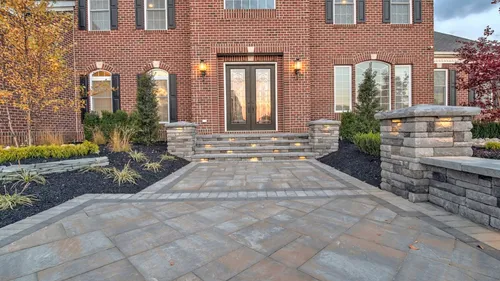
Scenic View Landscaping & Design Specialist is a landscaping and hardscaping company based near New York, NY, offering a wide range of services including sod installation, artificial turf, landscape lighting, yard drainage, tree services, and hardscaping features like pavers and retaining walls. They provide landscape design and commercial maintenance, with capabilities such as grading and drainage solutions. The company has received multiple service awards and maintains a strong reputation for detailed and attentive work. Scenic View Landscaping & Design Specialist serves the New York, NY area and surrounding communities.
Top Notch Tree & Excavating LLC
83 Grant St #2, Ramsey, NJ 07446
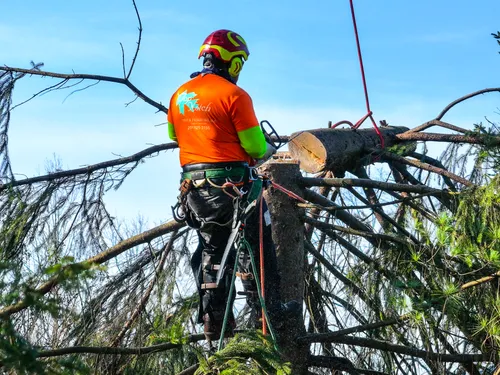
Top Notch Tree & Excavating LLC is a family-owned business serving New York, NY, and northern New Jersey with over 20 years of experience. They provide a wide range of services including tree removal, stump grinding, land clearing, excavation, grading, and storm damage response. The company owns and operates its own equipment, allowing for efficient and timely project completion. Their team is certified and trained in safety practices, handling projects from small tree trimming to large-scale site preparation.
Hillsdale Landscaping & Construction
27 Legion Pl, Hillsdale, NJ 07642
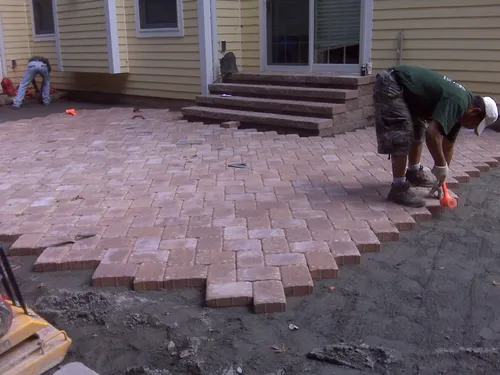
Hillsdale Landscaping & Construction is a landscaping and hardscaping company based near New York, NY. They provide landscape design, yard drainage solutions, grading services, and installation of paver walkways, patios, and driveways. Their services include water management to address issues like basement water and yard puddles, as well as plantings and garden design to enhance privacy and rejuvenate properties.
Haughey Brothers Landscaping LLC
New York, NY
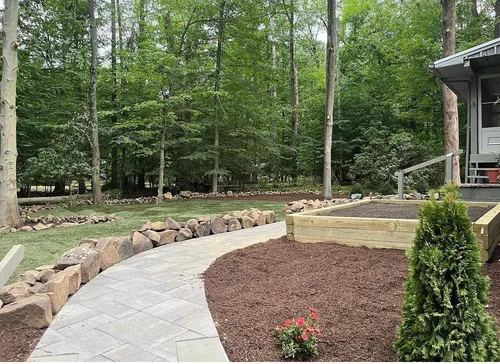
Haughey Brothers Landscaping LLC is a family-owned landscaping company serving New York, NY, and nearby areas in Union County, New Jersey. They specialize in creating luxury outdoor living spaces, offering services such as landscape design, custom hardscaping, lawn care, fence installation, sod and artificial turf installation, yard drainage, and landscape lighting. Their team focuses on transforming yards into functional and beautiful retreats with attention to detail and craftsmanship. The company has several years of experience and provides services for both residential and commercial properties. They also offer snow removal and winter maintenance services to support year-round outdoor care.
Green-Way Irrigation
34 Grove St, Midland Park, NJ 07432
Green-Way Irrigation is a family-owned company based near New York, NY, offering comprehensive irrigation, outdoor lighting, and yard drainage solutions. Serving multiple communities in Bergen County, they specialize in installing and maintaining water-efficient irrigation systems, low-voltage outdoor lighting, and custom drainage systems designed to protect lawns and homes from water damage. With over 35 years of experience, Green-Way Irrigation also provides outdoor audio system installations to enhance outdoor living spaces. They offer emergency services and are fully licensed and insured.
Why Drainage Matters in Monroe
Monroe Township's landscape and weather patterns make effective water management a priority for homeowners. Heavy rains can quickly saturate clay-heavy soils common in the area, leading to surface pooling and subsurface saturation. Without a proper slope away from your home's foundation, this water exerts hydrostatic pressure on basement walls and can seep into crawl spaces. Furthermore, uncontrolled runoff can erode your landscaping, create muddy patches, and even contribute to neighborhood stormwater issues. Implementing the right drainage strategy not only safeguards your property's value but also helps manage the local watershed responsibly.
Common Yard Drainage Problems and Signs
How do you know if you need drainage work? Look for these telltale signs in your Monroe yard:
- Standing Water: Puddles that remain for more than a day after a rainstorm.
- Soil Erosion: Gullies or washed-out areas in your lawn, especially on slopes.
- Soggy Lawn: Spongy, constantly wet grass, even during dry periods.
- Basement Dampness or Flooding: Water seeping through foundation walls or cracks.
- Downspout Overflow: Gutters that dump water directly next to the foundation, creating saturated soil.
- Ice Patches: In winter, poor drainage leads to dangerous icy patches on walkways and driveways.
Identifying these issues early is the first step toward a solution. A professional can help determine whether the problem is due to surface flow, subsurface water, or a combination of both.
Core Solutions for Yard Drainage and Grading
Professional landscape contractors in Monroe utilize a range of techniques to redirect water. The right solution depends on your property's specific topography, soil type, and the problem's severity.
Grading and Re-Sloping
This is often the first line of defense. Grading involves reshaping the soil around your home to create a gentle, consistent slope that directs surface water away from the foundation. Experts recommend a minimum slope of 2% (about a 2-inch drop over 8 feet) for at least the first 10 feet from your house. Re-sloping can solve many surface runoff issues and is a fundamental part of any comprehensive drainage plan 1.
French Drain Systems
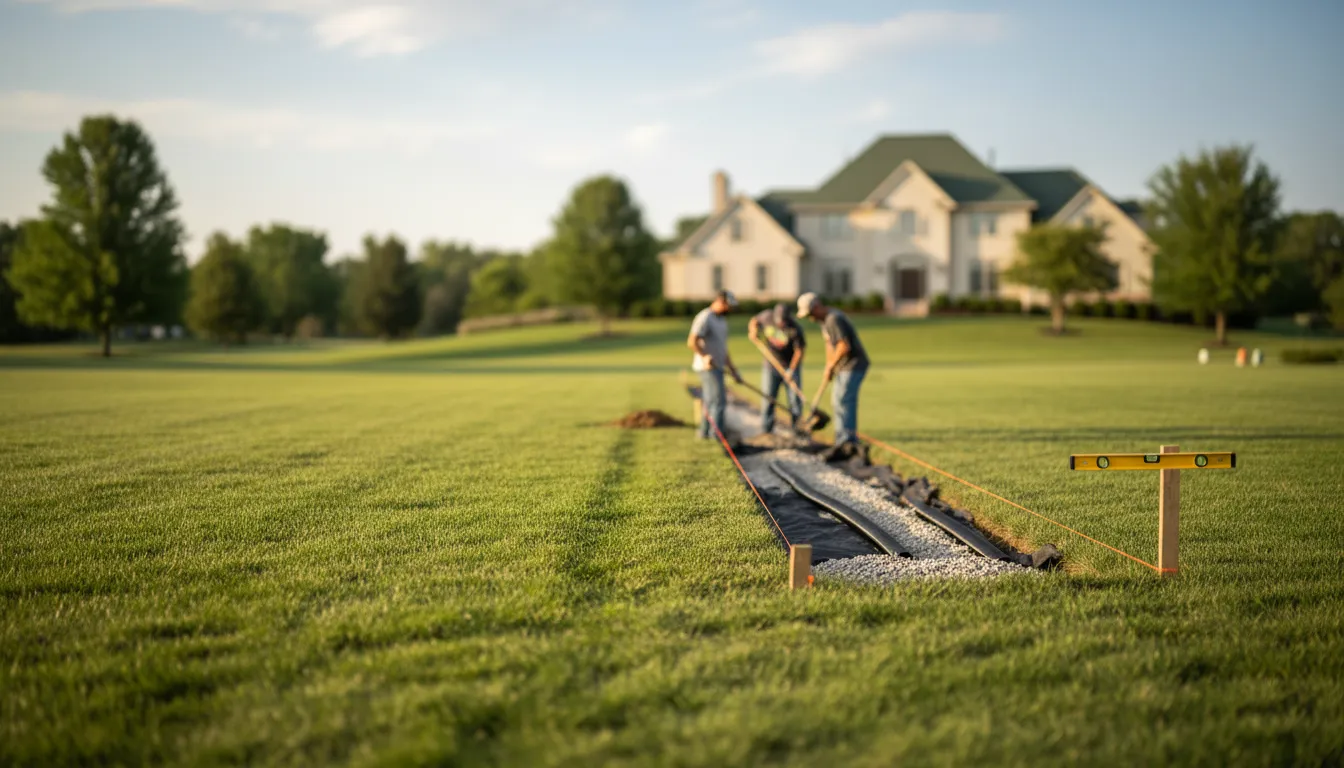
For subsurface water that saturates the soil, a French drain is a highly effective solution. It consists of a perforated pipe laid in a gravel-filled trench. The pipe collects groundwater and redirects it to a safer discharge point, like a storm drain or a dry well. French drains are particularly useful for solving wet basements and soggy yards where surface grading alone isn't enough.
Catch Basins and Channel Drains
These solutions tackle surface water collection. Catch basins are grated inlets placed in low spots or at the end of downspout lines to collect large volumes of runoff. Channel drains are long, narrow drains often installed across driveways, patios, or walkways to prevent flooding on these hardscapes. Both connect to underground piping that carries the water away.
Dry Wells and Rain Gardens
These are "green" infiltration solutions. A dry well is an underground chamber filled with gravel or rock that collects water from downspouts or drains and allows it to slowly percolate into the surrounding soil 2. A rain garden is a shallow, planted depression that collects runoff from roofs or driveways. The native plants and amended soil filter pollutants and allow water to infiltrate, reducing the burden on municipal systems.
Find the perfect yard drainage contractors for your needs
Get personalized recommendations and expert advice
The Professional Drainage Installation Process
Understanding the steps involved can help you know what to expect when you hire a professional for drainage landscaping in Monroe.
- Site Assessment and Design: A contractor will inspect your property, identify the water source and flow paths, and possibly perform a percolation test to gauge soil absorption. They will then design a custom system, often marking proposed trench lines with spray paint.
- Excavation: Trenches are dug for pipes and drains, or the land is reshaped for major grading. This is heavy work that requires proper equipment to achieve the correct depth and slope.
- Installation: For a French drain, this involves laying landscape fabric, adding a gravel bed, placing the perforated pipe (with holes facing down), and covering it with more gravel. Catch basins, solid drain pipes, and dry wells are set in place at this stage.
- Connection and Integration: Downspouts are disconnected from the sewer (if necessary) and tied into the new drainage system. All components are linked to ensure water flows to the intended outlet.
- Final Grading and Restoration: The area is backfilled, and the final surface grading is meticulously shaped to promote proper runoff. Sod, seed, or mulch is applied to restore the landscape 3.
Understanding Costs for Drainage Work
Investment in drainage solutions varies widely based on the project's scale and complexity. Here's a general overview of potential costs for Monroe homeowners:
- Simple Grading/Re-sloping: For adjusting the slope of soil around a foundation, costs can range from $500 to $2,000, depending on the area size and amount of soil moved.
- French Drains: Typically priced per linear foot, including materials and labor. Costs in our region can range from $20 to $60 or more per foot.
- Catch Basins or Dry Wells: Installing a single basin or dry well unit can cost between $500 and $1,500+, not including connecting piping 4.
- Rain Gardens: A more budget-friendly, eco-conscious option, with costs typically between $300 and $1,000+ for plants, soil amendments, and labor 5.
- Comprehensive System: For a whole-yard solution combining multiple techniques like grading, French drains, and basins, homeowners should budget between $2,000 and $10,000 or more 6 7.
Regulations and Best Practices in Monroe
Before starting any significant drainage project, it's wise to check local guidelines. Monroe Township has stormwater management regulations designed to control runoff and protect water quality 8. For substantial excavation or any work that might impact public storm sewers, a permit may be required. A reputable local contractor will be familiar with these regulations and can often handle the permit process on your behalf 9 10. Always choose a professional who prioritizes solutions that manage water on-site through infiltration, like rain gardens or dry wells, before simply piping it to the street, as this aligns with modern stormwater best practices 11.
Frequently asked questions
Sources
Footnotes
-
What Is Drainage Grading? - Castle Point Landscape Design - https://castlepointlandscape.com/what-is-drainage-grading/ ↩
-
Control Heavy Runoff - Solving Drainage and Erosion Problems - https://www.fairfaxcounty.gov/soil-water-conservation/drainage-problem-control-runoff ↩
-
Lawn Grading | Drainage Landscaping - https://castlepointlandscape.com/our-services/drainage-grading/ ↩
-
Yard Drainage Contractor | Serving Union County, NJ - RF Landscape - https://www.rflandscapeconstruction.com/drainage-service.shtml ↩
-
Stormwater Best Management Practices - https://spcwater.org/topics/stormwater-management/stormwater-best-management-practices-2/ ↩
-
Yard Drainage & Grading Services in NJ - https://www.scenicviewlandscapingnj.com/drainage-services/ ↩
-
How to Grade a Yard: Step-by-Step Guide for Proper Drainage - https://www.schmittwaterproofing.com/blog/yard-grading-101-how-to-grade-a-yard-for-proper-drainage-step-by-step/ ↩
-
Stormwater Management - Monroe Township, New Jersey - https://monroetownshipnj.org/3-2/public-works/stormwater-management/ ↩
-
green infrastructure feasibility study - Rutgers University - http://files.water.rutgers.edu/Water%20Resources%20Program/Projects/GEHWA/Monroe_FeasibilityStudy_ReducedFile.pdf ↩
-
Stormwater Discharges from Construction Activities | US EPA - https://www.epa.gov/npdes/stormwater-discharges-construction-activities ↩
-
10 Things You Can Do to Prevent Stormwater Runoff Pollution - https://www.farmington-ct.org/departments/engineering/stormwater/10-things-to-prevent-stormwater-pollution ↩