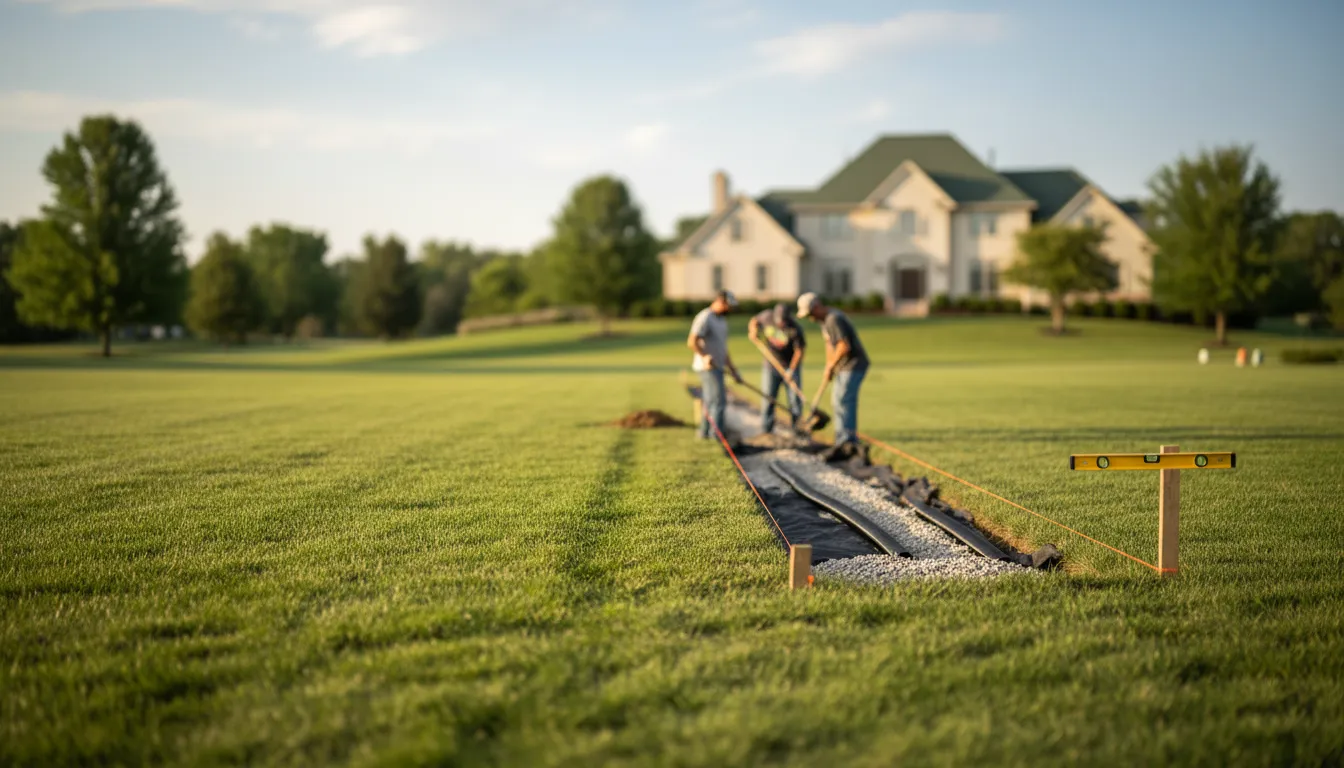
Find the Best Yard Drainage Contractors for Your Business
No obligation • Fast responses • Nationwide coverage

Why you can trust Landscape Atlas
Landscape Atlas is a leading United States resource for evaluating landscaping, lawn care, and outdoor service providers. Our team researches each category in depth, focusing on service quality, safety, and customer experience. Listings and rankings are based on independent criteria and user feedback, and companies cannot pay to influence our assessments or recommendations.
Search providers near you
Top Yard Drainage Contractors in Parsippany-Troy Hills, New Jersey Ranked
Managing water on your property is a critical part of home maintenance in Parsippany-Troy Hills. Effective yard drainage and grading solutions are designed to protect your home's foundation, prevent landscape erosion, and eliminate soggy, unusable areas of your lawn. This guide explains the common water management strategies used by local professionals, helping you understand your options for creating a dry, stable, and healthy yard.
Top Notch Tree & Excavating LLC
83 Grant St #2, Ramsey, NJ 07446
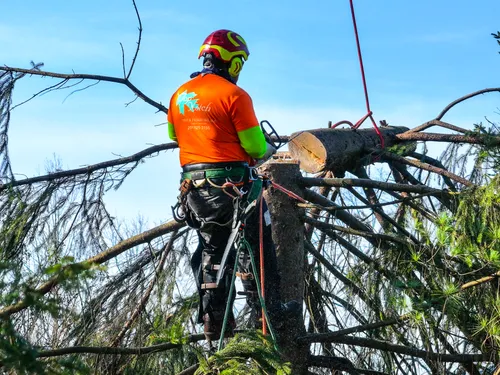
Top Notch Tree & Excavating LLC is a family-owned business serving New York, NY, and northern New Jersey with over 20 years of experience. They provide a wide range of services including tree removal, stump grinding, land clearing, excavation, grading, and storm damage response. The company owns and operates its own equipment, allowing for efficient and timely project completion. Their team is certified and trained in safety practices, handling projects from small tree trimming to large-scale site preparation.
Hillsdale Landscaping & Construction
27 Legion Pl, Hillsdale, NJ 07642
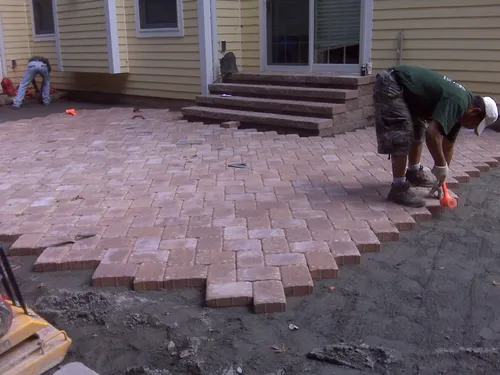
Hillsdale Landscaping & Construction is a landscaping and hardscaping company based near New York, NY. They provide landscape design, yard drainage solutions, grading services, and installation of paver walkways, patios, and driveways. Their services include water management to address issues like basement water and yard puddles, as well as plantings and garden design to enhance privacy and rejuvenate properties.
Haughey Brothers Landscaping LLC
New York, NY
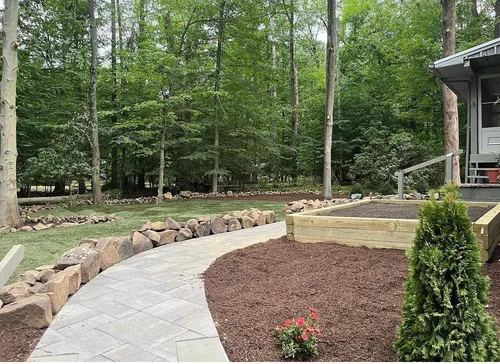
Haughey Brothers Landscaping LLC is a family-owned landscaping company serving New York, NY, and nearby areas in Union County, New Jersey. They specialize in creating luxury outdoor living spaces, offering services such as landscape design, custom hardscaping, lawn care, fence installation, sod and artificial turf installation, yard drainage, and landscape lighting. Their team focuses on transforming yards into functional and beautiful retreats with attention to detail and craftsmanship. The company has several years of experience and provides services for both residential and commercial properties. They also offer snow removal and winter maintenance services to support year-round outdoor care.
Green-Way Irrigation
34 Grove St, Midland Park, NJ 07432
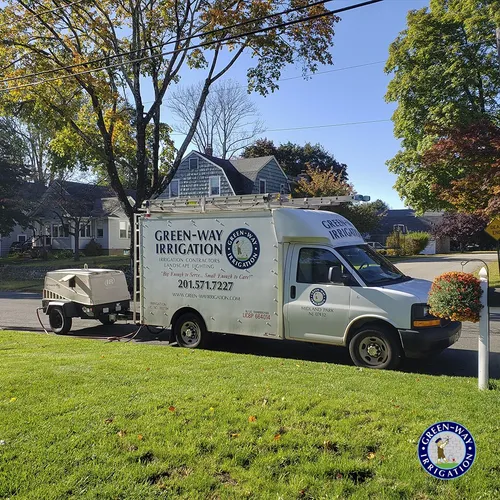
Green-Way Irrigation is a family-owned company based near New York, NY, offering comprehensive irrigation, outdoor lighting, and yard drainage solutions. Serving multiple communities in Bergen County, they specialize in installing and maintaining water-efficient irrigation systems, low-voltage outdoor lighting, and custom drainage systems designed to protect lawns and homes from water damage. With over 35 years of experience, Green-Way Irrigation also provides outdoor audio system installations to enhance outdoor living spaces. They offer emergency services and are fully licensed and insured.
P & P Landscaping Inc.
18 Industrial Ave, Ridgefield Park, NJ 07660
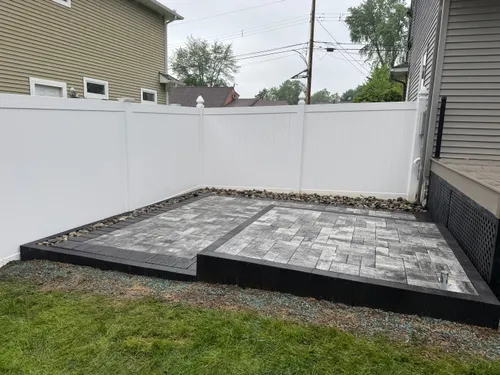
P & P Landscaping Inc. is a landscaping and yard drainage company based in New York, NY. They offer a range of services including landscape design, lawn care, grading, and hardscaping such as paver patios and retaining walls. The company is known for its expertise in creating terraced areas to prevent dirt runoff and installing retaining walls with solid foundations and protective underground coverings. With over 15 years of experience, P & P Landscaping Inc. serves residential clients in the New York area, providing tailored solutions that enhance outdoor spaces.
Why Proper Drainage is Essential in Parsippany
New Jersey's climate, with its seasonal rain and snowmelt, can quickly turn a minor grading issue into a major headache. In Parsippany-Troy Hills, where many homes are situated on varied terrain, poor water management can lead to several costly problems. Water pooling against your foundation is a primary concern, as it can cause cracks, leaks, and structural damage over time. Saturated soil in planting beds can drown shrubs and perennials, while standing water on your lawn kills grass and creates a breeding ground for mosquitoes. Furthermore, erosion on sloped properties can wash away valuable topsoil and undermine patios or walkways. A well-designed drainage system isn't just about fixing a puddle; it's about preserving your property's value and safety 1 2.
Common Residential Drainage Solutions
Local professionals employ a range of techniques to solve water issues, often combining several methods for a complete solution. The right approach depends on whether the problem is surface water, subsurface groundwater, or a combination of both.
Grading and Re-Sloping: The Foundation of Water Management
This is often the first line of defense. The goal is to ensure the ground slopes away from your home's foundation at a minimum grade of 2% (about a 2-inch drop over 8 feet) 3. Over years, soil naturally settles, creating low spots that trap water. Regrading involves moving and compacting soil to re-establish this crucial slope, directing surface runoff toward a safe discharge point like a street gutter or a dry well. It's a foundational fix that enhances the effectiveness of all other drainage components 4 5.
Subsurface Drainage Systems
When water is moving through the soil itself, below-surface solutions are necessary.
- French Drains: A highly effective solution for chronically wet lawns or water seeping into basements. A French drain is a trench filled with gravel and containing a perforated pipe. It intercepts groundwater and redirects it away from the problem area, often to a storm sewer or a lower part of the property 6 7.
- Dry Wells: These act as underground storage tanks for water. Runoff from downspouts or drainage pipes is directed into a dry well-a large pit filled with gravel or a specialized chamber-where it is temporarily held and then slowly released (infiltrated) into the surrounding subsoil 8.
- Channel Drains and Catch Basins: Ideal for collecting surface water on hardscapes. A channel drain is a linear grate installed across a driveway or patio. It connects to a catch basin (a buried sump with a grate) that collects debris and sends water into an underground pipe system, effectively channeling it away.
Managing Roof Runoff
Your roof sheds a tremendous amount of water. Simply letting it pour out of a downspout next to your foundation defeats the purpose of other drainage work.
- Underground Downspout Extensions: This involves connecting gutter downspouts to solid, buried pipes that carry roof water to a safe discharge point, such as the street curb or a dry well. This keeps the water invisible and effectively managed.
- Rain Gardens: A more ecological solution, a rain garden is a shallow, planted depression designed to capture runoff from a roof or driveway. Specific native plants help the water infiltrate the ground while filtering pollutants, turning a drainage need into a landscape feature 9.
Find the perfect yard drainage contractors for your needs
Get personalized recommendations and expert advice
The Professional Drainage Project Process
A successful water management project follows a clear, professional sequence to ensure a lasting solution.
- Site Assessment and Diagnosis: A specialist will inspect your property during or after a rain event to identify the true source and path of water. They look for grading issues, downspout flow, and signs of subsurface water. This diagnosis is critical for a correct plan.
- Custom Design and Planning: Based on the assessment, a detailed plan is created. This specifies the type, location, and size of all drainage components, ensuring they work together as a system. The design must account for Parsippany-Troy Hills' local ordinances regarding stormwater management.
- Permitting and Utility Locates: Before any digging, the contractor will typically obtain necessary permits from the local building department. They will also call 811 to have all public underground utilities (gas, electric, cable) marked to ensure safe excavation 10 11.
- Excavation and Installation: Trenches are dug for pipes, basins are set, and grading work is performed. Proper slope (or "fall") on pipes is meticulously checked to ensure water flows by gravity 12.
- Backfill, Restoration, and Final Inspection: Once systems are installed and tested, trenches are backfilled with specific materials like gravel for drainage zones. The site is then restored with topsoil and sod or seed. A final inspection may be required by the town to close the permit.
Understanding Investment and Cost Factors
The cost for yard drainage and grading in Parsippany-Troy Hills varies significantly based on the solutions required, the size of your property, and site-specific challenges like rocky soil or complex landscaping.
| System Type | Typical Application | Average Project Cost Range |
|---|---|---|
| Grading/Re-sloping | Correcting slope for foundation protection | $1,000 - $6,400+ |
| French Drain | Intercepting subsurface water in a wet yard | $2,000 - $7,000 13 |
| Dry Well | Storing and infiltrating roof or surface runoff | $1,000 - $4,000 |
| Catch Basin & Channel Drain | Collecting surface water on driveways/patios | $600 - $2,000 |
| Underground Downspout | Redirecting gutter water away from foundation | $300 - $800 per downspout |
Most comprehensive projects that combine grading with one or two drainage systems fall in the $2,100 to $7,200 range 14 15. Simpler regrading jobs may be less, while complex projects involving extensive excavation, multiple systems, or full landscape reinstatement can exceed $15,000 16. The soil type in your area can impact cost; hard clay is more difficult to excavate than loose soil, and encountering large rocks will add to labor time 17. The best way to understand the investment for your specific situation is to obtain detailed quotes from several local professionals.
Maintaining Your Drainage System
A properly installed system is designed to be low-maintenance, but a few simple checks can ensure it functions for years to come. Periodically inspect the grates on any catch basins or channel drains, clearing away leaves, mulch, and debris that could block water flow. After heavy storms, check the discharge points of your French drains or downspout extensions to ensure water is flowing freely out of the pipe. Keep an eye on the graded slopes around your home, especially after winter freeze-thaw cycles, and add soil to any areas that have settled or eroded. For subsurface systems, if you notice water backing up or a previously dry area becoming wet again, it may indicate a pipe blockage or collapse, warranting a professional inspection 18 19.
Frequently asked questions
Sources
Footnotes
-
Dealing with Yard Drainage in New Jersey - https://greenworksllc.com/yard-drainage/ ↩
-
Sloped Yard Drainage: 12 Best DIY Solutions for 2024 - https://salcorplandscaping.com/sloped-yard-drainage/ ↩
-
Yard Drainage & Grading Services in NJ - https://www.scenicviewlandscapingnj.com/drainage-services/ ↩
-
Lawn Grading | Drainage Landscaping - https://castlepointlandscape.com/our-services/drainage-grading/ ↩
-
What Are The Different Types Of Land Grading? - https://www.dirtconnections.com/what-are-the-different-types-of-land-grading/ ↩
-
Residential Drainage System Services - New Jersey Irrigation - https://newjerseyirrigationservices.com/residential-services/drainage-system-services/ ↩
-
Drainage System | 20,000+ Happy Customers in NJ - https://sagelandscaping.com/drainage-system/ ↩
-
New Jersey Property Solution Experts - https://www.titanmaintenance.com/drainage/new-jersey.shtml ↩
-
Standing Water in Yard: Causes & Solutions | AHS - https://www.ahs.com/home-matters/repair-maintenance/how-to-rid-standing-water-in-yard/ ↩
-
How Much Does Yard Drainage Cost in 2025? Homeowner's ... - https://warelandscaping.com/how-much-does-yard-drainage-cost-in-2025 ↩
-
Stormwater - Parsippany.net - https://www.parsippany.net/Page/stormwater ↩
-
Below Ground Drainage Design | Syntegra - https://syntegragroup.com/m-and-e2/services/below-ground-drainage-design/ ↩
-
How Much Do Drainage Services Cost? - https://drainagefirst.com/how-much-do-drainage-services-cost/ ↩
-
How Much Does Yard Drainage Cost? [2026 Data] | Angi - https://www.angi.com/articles/how-much-does-it-cost-install-landscape-drainage.htm ↩
-
How Much Does Yard Drainage Cost? - https://drainagefirst.com/how-much-does-yard-drainage-cost/ ↩
-
Landscape Grading and Drainage Costs - https://www.whiteshovel.com/blog/landscape-grading-and-drainage-costs ↩
-
How much does Landscape grading & resloping cost? - Yelp - https://www.yelp.com/costs/landscape_grading ↩
-
Professional Yard Drainage Services in PA, NJ, & DE - https://drytechcorp.com/services/drainage-services/ ↩
-
Residential Drainage System Services - https://newjerseyirrigationservices.com/residential-services/drainage-system-services/ ↩