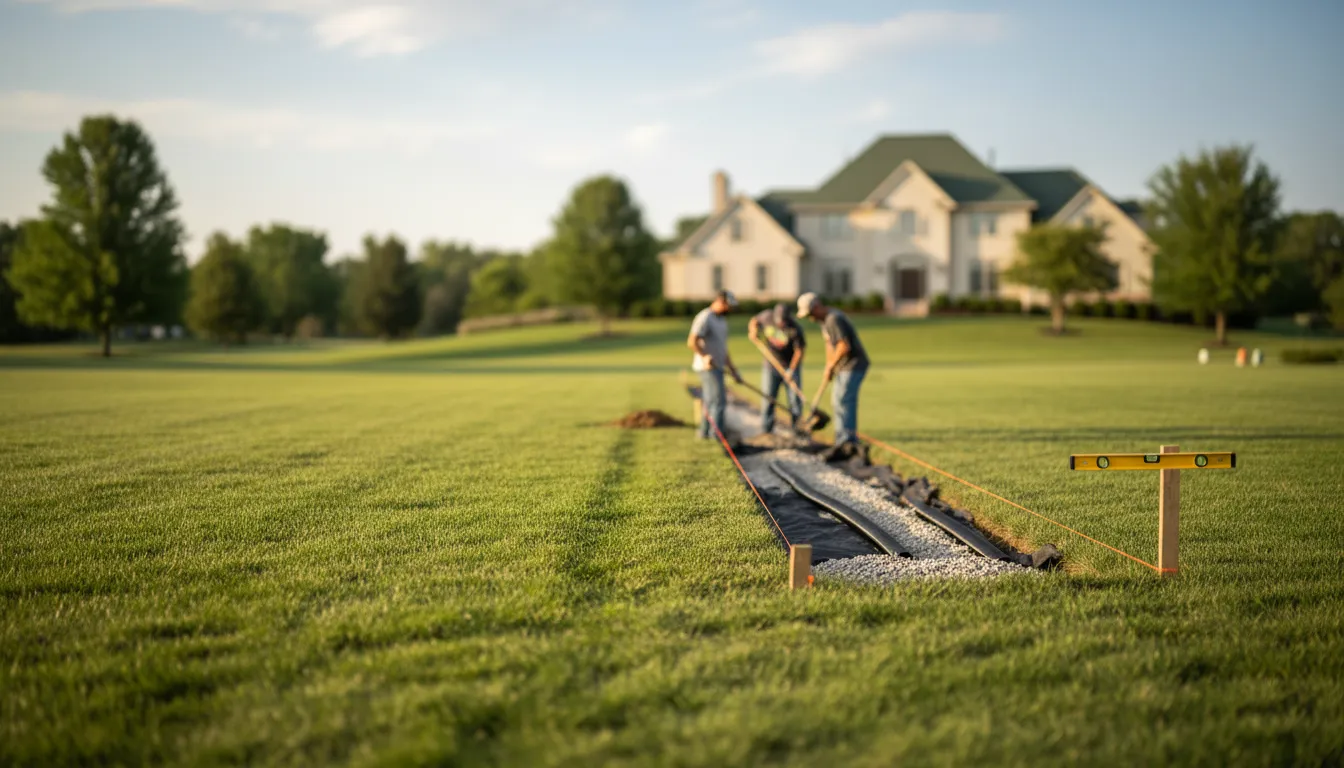
Find the Best Yard Drainage Contractors for Your Business
No obligation • Fast responses • Nationwide coverage

Why you can trust Landscape Atlas
Landscape Atlas is a leading United States resource for evaluating landscaping, lawn care, and outdoor service providers. Our team researches each category in depth, focusing on service quality, safety, and customer experience. Listings and rankings are based on independent criteria and user feedback, and companies cannot pay to influence our assessments or recommendations.
Search providers near you
Top Yard Drainage Contractors in Union, New Jersey Ranked
A well-drained yard is essential for protecting your home's foundation, preventing landscape erosion, and creating a usable outdoor space. Yard drainage and grading involves managing surface and subsurface water flow through techniques like re-sloping land, installing underground pipes, and creating collection basins. This guide explains common solutions for Union homeowners, outlines the typical project process, and provides insights to help you connect with qualified local professionals for an assessment.
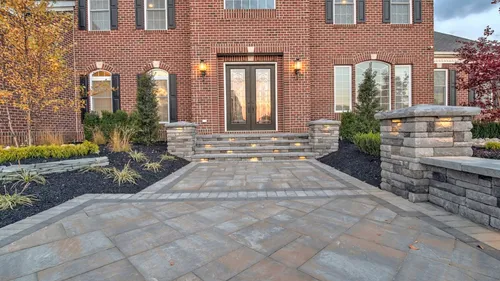
Scenic View Landscaping & Design Specialist
213 Broad St, Keyport, NJ 07735
Scenic View Landscaping & Design Specialist is a landscaping and hardscaping company based near New York, NY, offering a wide range of services including sod installation, artificial turf, landscape lighting, yard drainage, tree services, and hardscaping features like pavers and retaining walls. They provide landscape design and commercial maintenance, with capabilities such as grading and drainage solutions. The company has received multiple service awards and maintains a strong reputation for detailed and attentive work. Scenic View Landscaping & Design Specialist serves the New York, NY area and surrounding communities.
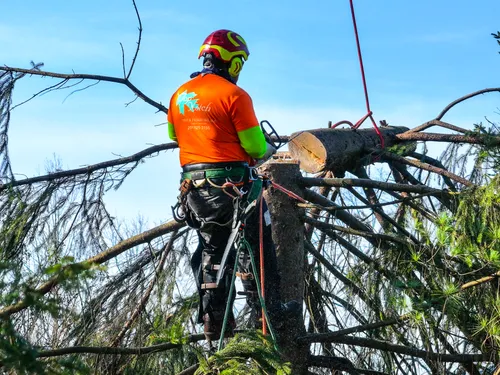
Top Notch Tree & Excavating LLC
83 Grant St #2, Ramsey, NJ 07446
Top Notch Tree & Excavating LLC is a family-owned business serving New York, NY, and northern New Jersey with over 20 years of experience. They provide a wide range of services including tree removal, stump grinding, land clearing, excavation, grading, and storm damage response. The company owns and operates its own equipment, allowing for efficient and timely project completion. Their team is certified and trained in safety practices, handling projects from small tree trimming to large-scale site preparation.
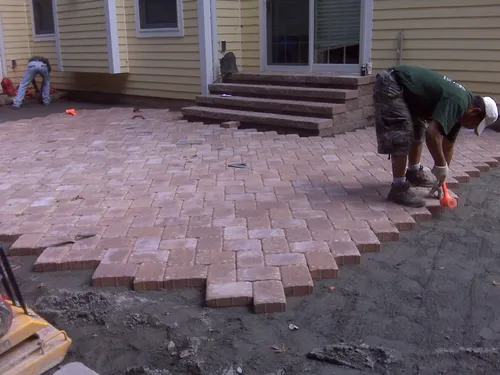
Hillsdale Landscaping & Construction
27 Legion Pl, Hillsdale, NJ 07642
Hillsdale Landscaping & Construction is a landscaping and hardscaping company based near New York, NY. They provide landscape design, yard drainage solutions, grading services, and installation of paver walkways, patios, and driveways. Their services include water management to address issues like basement water and yard puddles, as well as plantings and garden design to enhance privacy and rejuvenate properties.
Zadlock Outdoor Services
37 McCaffery Rd, Manalapan Township, NJ 07726
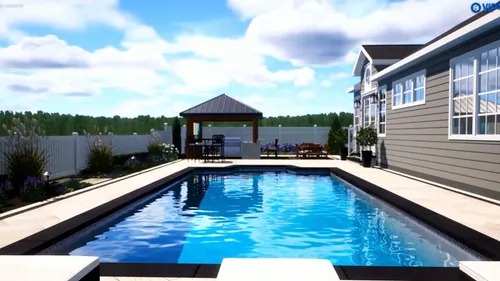
Zadlock Outdoor Services is a landscaping company based near New York, NY, offering a range of services including landscape design, tree removal, stump grinding, yard drainage, grading, and general landscaping. They provide customized landscape solutions tailored to clients' ideas and budgets, with services extending to commercial maintenance, plant health care, and outdoor living installations. Their team serves the New York area and nearby locations, focusing on efficient project management and clear communication. Zadlock Outdoor Services emphasizes upfront pricing and timely responses to inquiries, helping clients understand their projects fully.
Haughey Brothers Landscaping LLC
New York, NY
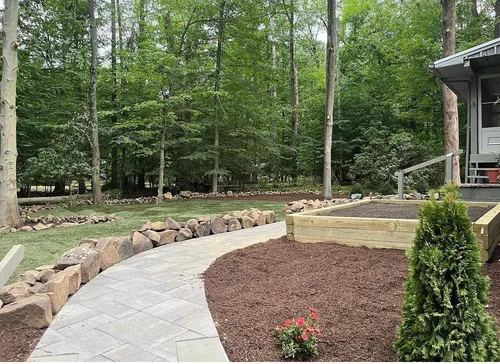
Haughey Brothers Landscaping LLC is a family-owned landscaping company serving New York, NY, and nearby areas in Union County, New Jersey. They specialize in creating luxury outdoor living spaces, offering services such as landscape design, custom hardscaping, lawn care, fence installation, sod and artificial turf installation, yard drainage, and landscape lighting. Their team focuses on transforming yards into functional and beautiful retreats with attention to detail and craftsmanship. The company has several years of experience and provides services for both residential and commercial properties. They also offer snow removal and winter maintenance services to support year-round outdoor care.
Understanding Yard Drainage Problems in Union
Standing water, soggy lawns, and damp basements are common signs of poor drainage. In Union, NJ, these issues are often caused by a combination of factors including heavy clay soil that doesn't absorb water quickly, natural low spots in the yard, and improper grading from the home's original construction or subsequent landscaping projects. Over time, water pooling near your foundation can lead to serious structural damage, mold growth, and insect infestations. Effective water management solutions redirect this moisture away from your home and into appropriate municipal storm systems or dry wells.
Core Solutions for Residential Drainage
Professional drainage contractors utilize a toolbox of methods to solve water problems. The right solution depends on your yard's specific topography, soil composition, and the source of the water.
Yard Grading and Re-sloping This fundamental solution involves reshaping the soil to create a gentle slope (typically a minimum 2% grade) away from your home's foundation. It's often the first line of defense, guiding surface runoff naturally to a safe discharge point. Correcting the slope can resolve many minor pooling issues and is a critical component of most comprehensive drainage plans.
Subsurface Drainage: French Drains A French drain is a trench filled with gravel and a perforated pipe, wrapped in landscape fabric to prevent clogging 1. It's designed to intercept and redirect groundwater and water that has seeped below the surface, making it ideal for chronically soggy lawns. The pipe carries the water to a designated outlet, such as a storm drain or a dry well.
Surface Water Management: Catch Basins and Channel Drains For water that collects on hard surfaces like driveways, patios, or in specific low spots, surface drains are effective. Catch basins are installed in a dug-out area with a grate on top, collecting water that flows into them 2. Channel drains are long, narrow trenches with grates, perfect for across a driveway or walkway. Both connect to underground piping to carry the water away.
Advanced Components: Dry Wells and Sump Pumps When you cannot rely on gravity alone to move water to a street drain, a dry well or sump pump may be necessary. A dry well is an underground chamber filled with gravel or a pre-fabricated tank that collects and slowly disperses water into the surrounding soil. A sump pump is an active system that collects water in a pit and uses a pump to eject it away from the property, often used in conjunction with basement waterproofing.
Find the perfect yard drainage contractors for your needs
Get personalized recommendations and expert advice
The Professional Drainage Project Process
Engaging a professional ensures your drainage system is designed and installed correctly for long-term performance.
- Consultation and Site Assessment: A specialist will inspect your property to identify the root causes of your drainage issues. They will evaluate the slope, soil type, existing downspouts, and where water accumulates 3.
- Custom Design and Proposal: Based on the assessment, the contractor will design an integrated system, often combining several solutions like grading, French drains, and catch basins. You'll receive a detailed plan and proposal outlining the scope of work and materials.
- Installation and Excavation: The crew will mark the project area and begin excavation for trenches, basins, or regrading. This phase involves careful work to avoid existing utilities and landscaping you wish to preserve.
- System Installation and Backfilling: Pipes, fabric, gravel, and drainage structures are installed according to the design. Everything is then backfilled with soil or gravel, and the surface is restored.
- Testing and Final Restoration: The system is tested, often by running water through it, to ensure proper flow. Final grading and seeding or sodding are completed to blend the work into your existing landscape 4.
Factors Influencing Drainage Project Costs
The investment for yard drainage in Union varies significantly based on the project's scale and complexity. Here's a breakdown of what influences the final cost:
- Scope and Complexity: A simple regrading project for a small area will cost far less than a full-yard system with multiple French drains, catch basins, and a dry well. Complex systems requiring extensive excavation and multiple components drive up the price.
- Yard Characteristics: The size of your property, the severity of the slope issues, and soil type (like hard clay that is difficult to excavate) all impact labor time and effort.
- Materials Used: Costs vary based on the type and diameter of pipe, the quality of catch basins (plastic vs. concrete), and the amount of gravel and fabric needed.
- Labor and Accessibility: Labor rates in Union County and the ease of access for equipment to your backyard are key factors. Tight spaces that require manual digging will increase labor costs.
While minor slope corrections might range from $500 to $2,000, a comprehensive, professionally designed and installed drainage system for a residential property in Union can range from $1,000 to $15,000 or more, depending on the factors above 5 6.
Maintaining Your Drainage System
A properly installed system is low-maintenance but not no-maintenance. Periodically inspect drain grates and catch basins to clear leaves, debris, and sediment that could block water flow. Ensure downspout extensions are securely attached and direct water into the drainage system as intended. After heavy storms, check for proper function and note any new areas of pooling, which could indicate a blockage or a need for a system adjustment.
Frequently asked questions
Sources
Footnotes
-
Drainage System | 20,000+ Happy Customers in NJ - https://sagelandscaping.com/drainage-system/ ↩
-
12 Residential Backyard Drainage Solutions - Protect Your Yard - https://wilsonslawncare.com/12-residential-backyard-drainage-solutions/2024/ ↩
-
Yard Drainage & Grading Services in NJ - https://www.scenicviewlandscapingnj.com/drainage-services/ ↩
-
Drainage and Landscape Grading - Landscape Solutions in Union NJ - https://landscape-solutions.net/drainage-and-grading/ ↩
-
Yard Drainage Contractor | Serving Union County, NJ - https://www.rflandscapeconstruction.com/drainage-service.shtml ↩
-
Landscape Grading and Drainage Costs - https://www.whiteshovel.com/blog/landscape-grading-and-drainage-costs ↩