Find the Best Yard Drainage Contractors for Your Business
No obligation • Fast responses • Nationwide coverage

Why you can trust Landscape Atlas
Landscape Atlas is a leading United States resource for evaluating landscaping, lawn care, and outdoor service providers. Our team researches each category in depth, focusing on service quality, safety, and customer experience. Listings and rankings are based on independent criteria and user feedback, and companies cannot pay to influence our assessments or recommendations.
Search providers near you
Top Yard Drainage Contractors in Vineland, New Jersey Ranked
Proper yard drainage and grading are essential for protecting your Vineland home's foundation, preventing basement flooding, and maintaining a healthy, usable landscape. When water pools in your yard or flows toward your house, it can lead to costly structural damage, soil erosion, and persistent muddy areas. This guide explains the core solutions for managing water on your property and how to connect with local professionals who can assess your specific situation and implement an effective plan.
Beerman and Sons Landscaping
230 Bells Lake Rd, Turnersville, NJ 08012
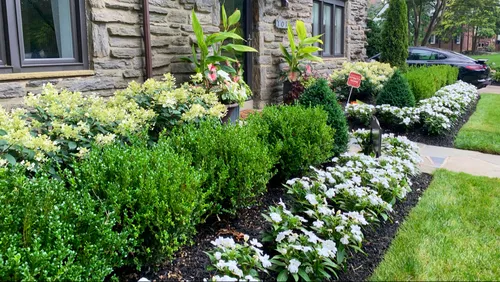
Beerman and Sons Landscaping is based in Turnersville, NJ, serving Philadelphia, PA, and surrounding counties. Founded by Bill Beerman, a Penn State graduate with over 20 years of experience, the company offers comprehensive landscaping services including landscape design, hardscaping with durable pavers and natural stone, sod installation, grading, drainage solutions, lawn establishment, and landscape lighting. Their approach combines formal horticultural education with practical expertise to create outdoor spaces that thrive year-round and enhance residential properties.
JMA Tree Service
145 Crowfoot Rd, West Berlin, NJ 08091
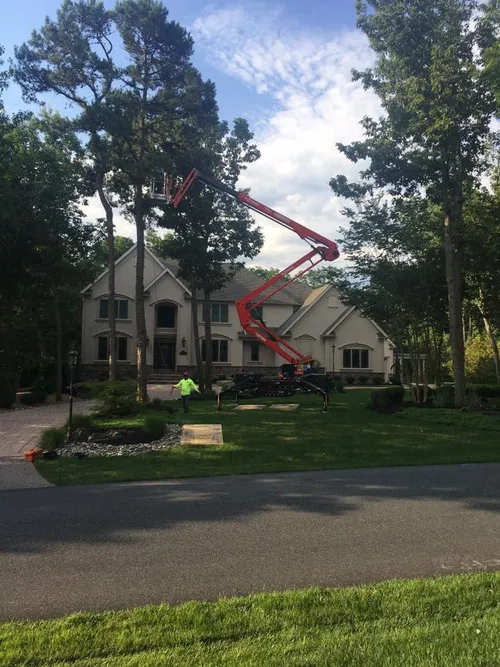
JMA Tree Service provides a range of outdoor services in Philadelphia, PA, including tree removal, stump grinding, lawn care, landscaping, irrigation, and yard drainage. They serve both residential and commercial clients, offering expertise in tree trimming, brush removal, and full irrigation and drainage solutions. JMA Tree Service is equipped to handle large tree removals with proper cleanup and property protection. The company has built a reputation for careful work and thorough debris removal, with a focus on maintaining the health and appearance of clients' properties.
Dan Miller Gardens
107 Fowler Ave, Haddonfield, NJ 08033
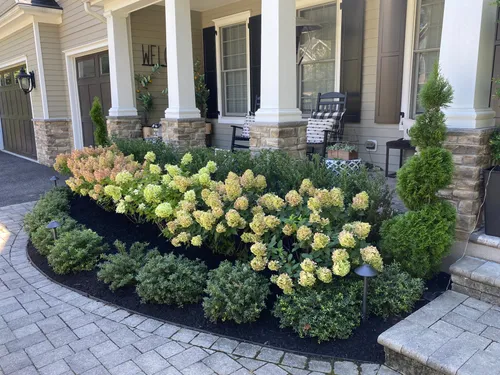
Dan Miller Gardens is a landscape company based near Philadelphia, PA, offering a full range of outdoor services including lawn care, sod installation, fence and hardscape construction, landscape lighting, tree services, yard drainage, and land clearing. They provide design and installation from concept to completion, with expertise in horticulture to support plant and tree health. Their hardscaping services include patios, walkways, fences, and retaining walls, designed for durability and function. Dan Miller Gardens also offers year-round maintenance such as trimming, mulching, and leaf removal to keep properties well-maintained.
Impact Landscapes
115 W Jersey Ave, Pitman, NJ 08071
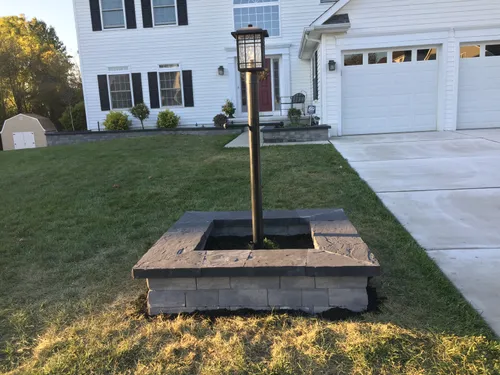
Impact Landscapes is a landscaping and hardscaping company serving Philadelphia, PA, and surrounding areas including South Jersey and several counties in New Jersey. They offer a range of residential and commercial services such as lawn fertilization, weed control, aeration, dethatching, seeding, sprinkler installation and repair, irrigation solutions, yard drainage, grading, and hardscaping including retaining walls and pavers. Their team works closely with clients to enhance property appearance and function through tailored landscaping and hardscaping projects.
Lisk Landscape Innovations
Philadelphia, PA
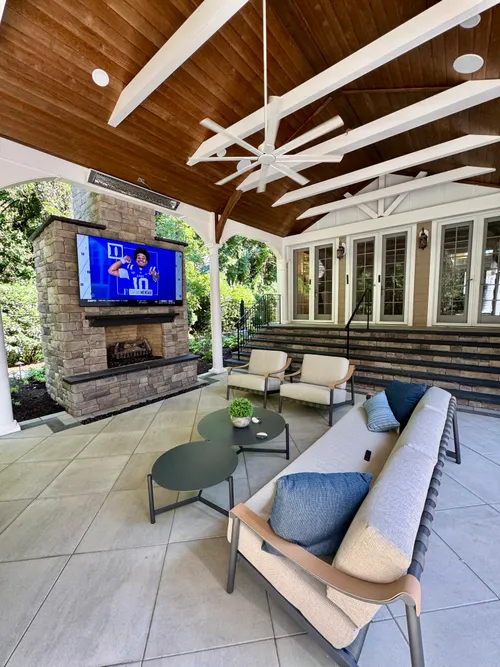
Lisk Landscape Innovations is a landscaping and outdoor design company serving Philadelphia, PA. They specialize in landscape design, hardscaping, sod and artificial turf installation, landscape lighting, and yard drainage solutions. Their services include grading, retaining walls, patio pavers, and comprehensive stormwater management systems designed to protect foundations and manage runoff effectively. The company works closely with licensed engineers and township authorities to ensure proper permits and plans are in place before project execution. With over 17 years of experience, Lisk Landscape Innovations combines craftsmanship with functional design to enhance outdoor spaces and address drainage challenges.
Why Proper Drainage is Critical in Vineland
Vineland's climate, with its seasonal heavy rains and snowmelt, can quickly overwhelm a poorly graded yard. The city's own stormwater management program emphasizes the importance of controlling runoff to protect local waterways and reduce flooding risks. When your property lacks adequate drainage, water doesn't just create a muddy inconvenience; it exerts hydrostatic pressure against your foundation walls, which can lead to cracks, leaks, and a damp basement. Effective water management solutions redirect this moisture away from your home, safeguarding your investment and enhancing your outdoor living space.
Common Yard Drainage Problems and Signs
How do you know if you need drainage work? Look for these telltale signs in your Vineland yard:
- Standing Water: Puddles that remain for more than a day after a rainstorm.
- Soil Erosion: Gullies or washed-away soil in planting beds or along slopes.
- Foundation Dampness: Moisture, efflorescence (white, chalky residue), or cracks in your home's basement walls or slab.
- Soggy Lawn: Constantly spongy or muddy grass, even in areas that should be dry.
- Downspout Discharge Pooling: Water dumping directly from your gutters next to the foundation.
Identifying these issues early is the first step toward a drier, healthier property.
Core Solutions for Effective Water Management
A range of techniques can be employed to solve drainage issues, often used in combination for a complete system.
Regrading and Soil Sloping
This is often the first line of defense. The goal is to create a slope that directs surface water away from your home's foundation. Professionals recommend a minimum grade of 1 inch of drop for every foot traveled away from the house. Regrading involves moving and compacting soil to reshape the land's contour, a fundamental fix for many water flow problems.
French Drain Systems
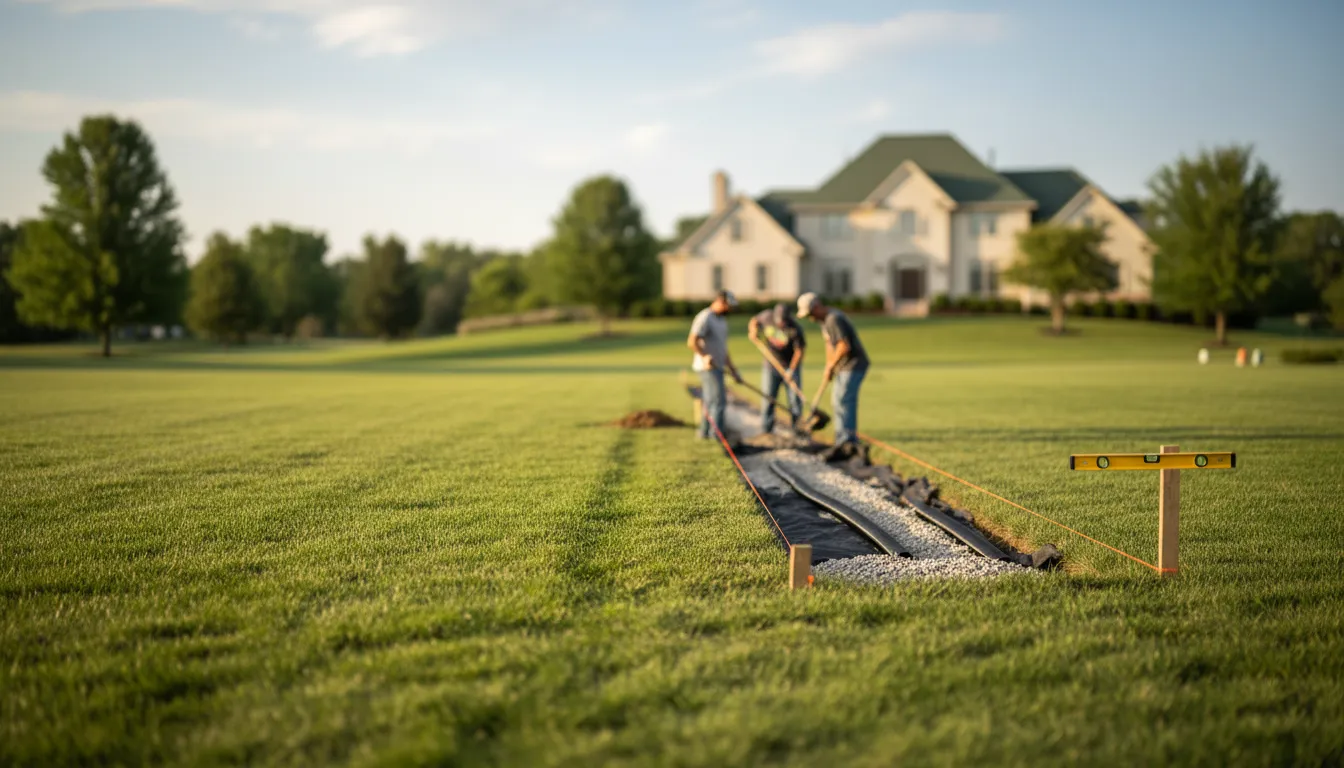
A French drain is a gravel-filled trench containing a perforated pipe. It's designed to intercept groundwater and surface runoff, collecting it in the pipe and channeling it to a safe discharge point like a storm drain or dry well. These are excellent for solving problems in low spots or along property lines where water tends to collect.
Swales, Berms, and Dry Creek Beds
For managing surface runoff, landscapers may construct swales (shallow, grassy channels) or berms (raised mounds of soil) to gently guide water across your property. A more decorative option is a dry creek bed, which uses stone and gravel to create a natural-looking channel that handles water flow while adding landscape interest.
Downspout and Gutter Management
Often overlooked, your roof's drainage system is a major contributor. Extending downspouts at least 5 to 10 feet away from your foundation is a simple, effective step. For larger volumes of water, downspouts can be connected to underground piping that ties into a French drain or directs water to a designated drainage area.
Advanced Absorption Solutions
For environmentally conscious drainage, solutions like rain gardens and dry wells are highly effective. A rain garden is a planted depression that collects runoff from roofs or driveways, allowing it to soak into the ground while being filtered by plants. A dry well is an underground chamber filled with gravel that collects water from downspouts or drains and allows it to percolate slowly into the surrounding soil1.
Find the perfect yard drainage contractors for your needs
Get personalized recommendations and expert advice
The Professional Installation Process
Engaging a local expert for yard drainage and grading typically follows a structured process to ensure a lasting solution.
- Site Assessment and Diagnosis: A specialist will visit your property, often after a rain, to observe water flow, identify problem areas, and locate potential discharge points. They will check soil composition and evaluate your home's foundation.
- System Design and Planning: Based on the assessment, a plan is created. This may include a combination of grading, trenching for French drains, placement of catch basins, and routing for downspout extensions. The design must comply with any local Vineland regulations regarding stormwater discharge.
- Excavation and Installation: This is the construction phase. Trenches are dug for pipes, soil is moved and shaped for grading, and components like catch basins, filter fabric, gravel, and piping are installed.
- Backfilling and Final Landscaping: Once the system is in place and tested, trenches are backfilled with soil. The area is then topped with topsoil, seeded, sodded, or mulched to restore your landscape's appearance.
Understanding Investment and Value
The cost for drainage and grading work in Vineland varies widely based on the property's size, the complexity of the problem, and the solutions chosen. Here is a general overview of potential investment ranges:
- Basic Grading or Downspout Extensions: For correcting a minor slope or adding simple extensions, costs might range from a few hundred to over a thousand dollars.
- French Drain Installation: A common solution, with sections typically ranging from $1,000 to $3,000 or more, depending on length and depth.
- Rain Garden or Dry Well: These absorption-focused features can range from $500 for a small garden to several thousand dollars for a larger, more complex dry well system2 3.
- Comprehensive Yard Drainage System: For a whole-property solution combining multiple techniques, investments often range from $3,000 to $10,000 or more for extensive, complex projects4.
It's important to view this as a protective investment in your property. Proper drainage prevents exponentially more expensive repairs to your home's foundation, basement, and landscape. Always seek detailed quotes from several licensed and insured local contractors to understand the scope and cost for your specific needs 5.
Maintaining Your Drainage System
After installation, simple maintenance ensures your system works for years to come:
- Keep Drains Clear: Regularly remove leaves, silt, and debris from catch basin grates and the openings of any exposed pipes.
- Inspect After Storms: Check that water is flowing freely through downspout extensions and that no new pooling occurs.
- Monitor Plant Growth: Ensure roots from shrubs or trees do not invade and clog underground pipes.
- Check Final Discharge Points: Make sure the area where water exits your system (like a pop-up emitter) remains clear and functional.
Frequently asked questions
Sources
Footnotes
-
5 Effective Methods of Managing Urban Stormwater Runoff - https://www.pathlightpro.com/5-effective-methods-of-managing-urban-stormwater-runoff/ ↩
-
What You Can Do to Soak Up the Rain | US EPA - https://www.epa.gov/soakuptherain/what-you-can-do-soak-rain ↩
-
Stormwater Best Management Practices - https://spcwater.org/topics/stormwater-management/stormwater-best-management-practices-2/ ↩
-
Lawn Grading | Drainage Landscaping - https://castlepointlandscape.com/our-services/drainage-grading/ ↩
-
Stormwater - https://www.vinelandcity.org/stormwater/ ↩