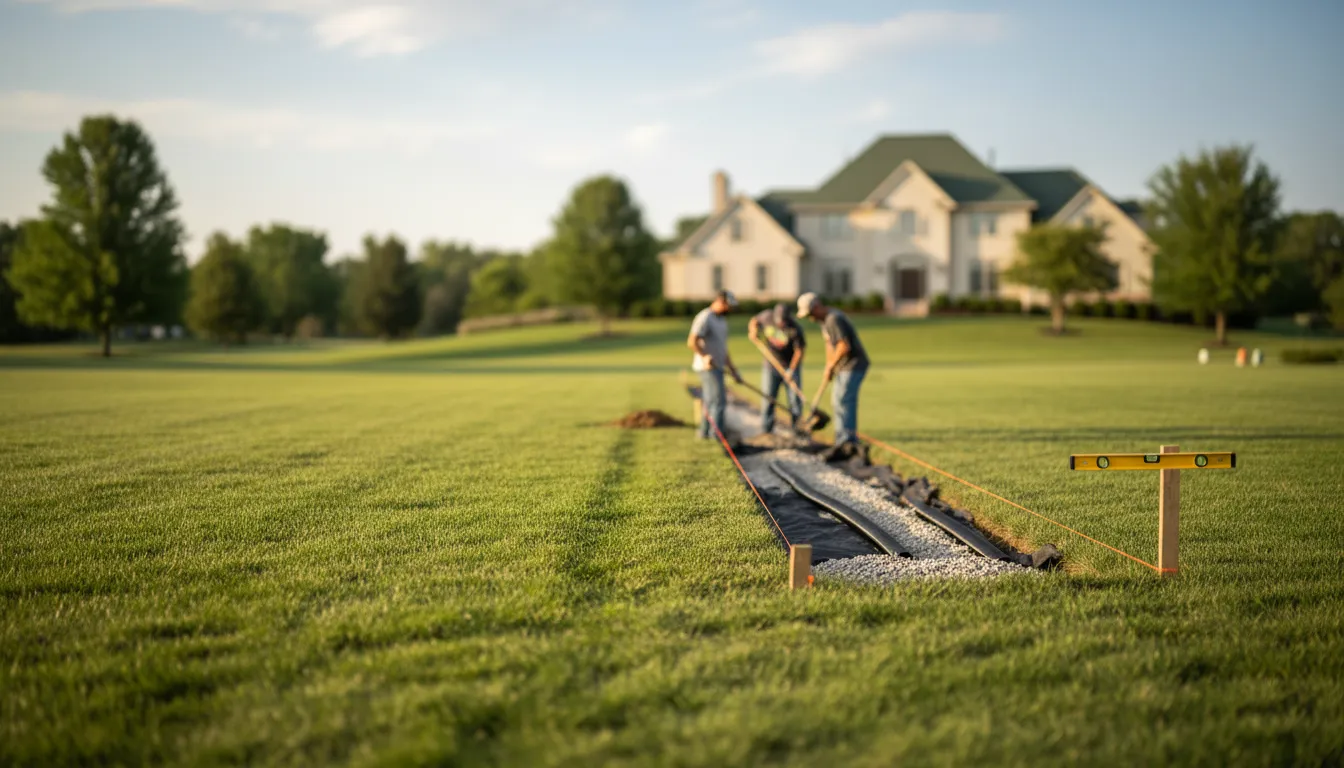
Find the Best Yard Drainage Contractors for Your Business
No obligation • Fast responses • Nationwide coverage

Why you can trust Landscape Atlas
Landscape Atlas is a leading United States resource for evaluating landscaping, lawn care, and outdoor service providers. Our team researches each category in depth, focusing on service quality, safety, and customer experience. Listings and rankings are based on independent criteria and user feedback, and companies cannot pay to influence our assessments or recommendations.
Search providers near you
Best Yard Drainage Contractors in New York Ranked
Proper yard drainage and grading are essential for protecting your New York home from water damage. The state's heavy precipitation, from intense summer rains to significant spring snowmelt, can lead to basement flooding, foundation issues, and landscape erosion if water isn't managed correctly. This guide explains the core principles and solutions for effective stormwater management on residential properties, helping you understand your options and connect with qualified local professionals who can assess your site and implement the right system.
Scenic View Landscaping & Design Specialist
213 Broad St, Keyport, NJ 07735
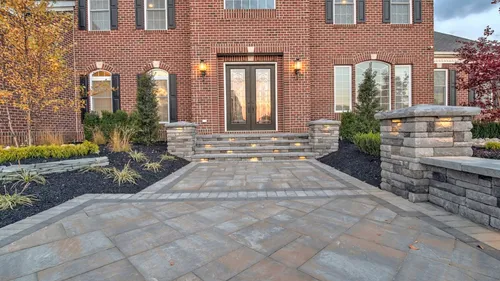
Scenic View Landscaping & Design Specialist is a landscaping and hardscaping company based near New York, NY, offering a wide range of services including sod installation, artificial turf, landscape lighting, yard drainage, tree services, and hardscaping features like pavers and retaining walls. They provide landscape design and commercial maintenance, with capabilities such as grading and drainage solutions. The company has received multiple service awards and maintains a strong reputation for detailed and attentive work. Scenic View Landscaping & Design Specialist serves the New York, NY area and surrounding communities.
Top Notch Tree & Excavating LLC
83 Grant St #2, Ramsey, NJ 07446
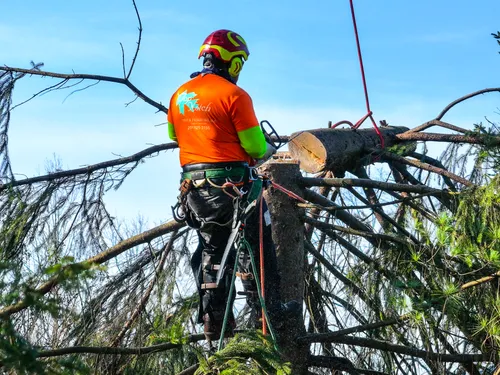
Top Notch Tree & Excavating LLC is a family-owned business serving New York, NY, and northern New Jersey with over 20 years of experience. They provide a wide range of services including tree removal, stump grinding, land clearing, excavation, grading, and storm damage response. The company owns and operates its own equipment, allowing for efficient and timely project completion. Their team is certified and trained in safety practices, handling projects from small tree trimming to large-scale site preparation.
Hillsdale Landscaping & Construction
27 Legion Pl, Hillsdale, NJ 07642
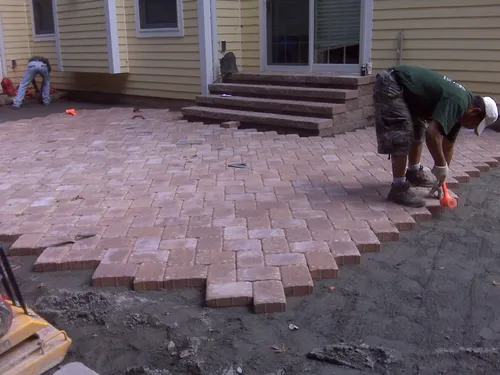
Hillsdale Landscaping & Construction is a landscaping and hardscaping company based near New York, NY. They provide landscape design, yard drainage solutions, grading services, and installation of paver walkways, patios, and driveways. Their services include water management to address issues like basement water and yard puddles, as well as plantings and garden design to enhance privacy and rejuvenate properties.
Zadlock Outdoor Services
37 McCaffery Rd, Manalapan Township, NJ 07726
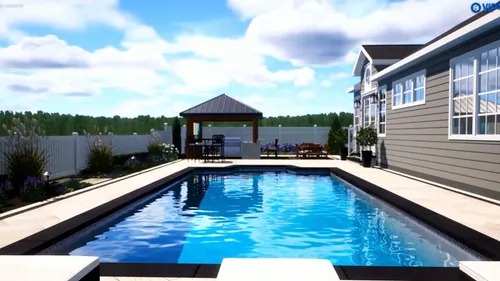
Zadlock Outdoor Services is a landscaping company based near New York, NY, offering a range of services including landscape design, tree removal, stump grinding, yard drainage, grading, and general landscaping. They provide customized landscape solutions tailored to clients' ideas and budgets, with services extending to commercial maintenance, plant health care, and outdoor living installations. Their team serves the New York area and nearby locations, focusing on efficient project management and clear communication. Zadlock Outdoor Services emphasizes upfront pricing and timely responses to inquiries, helping clients understand their projects fully.
Haughey Brothers Landscaping LLC
New York, NY
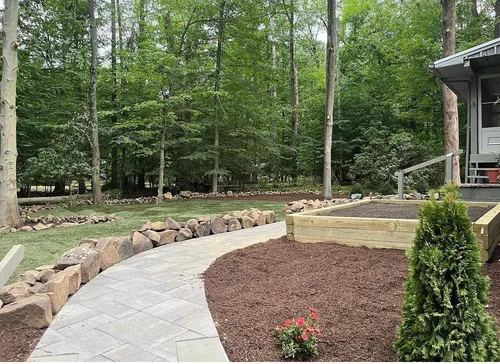
Haughey Brothers Landscaping LLC is a family-owned landscaping company serving New York, NY, and nearby areas in Union County, New Jersey. They specialize in creating luxury outdoor living spaces, offering services such as landscape design, custom hardscaping, lawn care, fence installation, sod and artificial turf installation, yard drainage, and landscape lighting. Their team focuses on transforming yards into functional and beautiful retreats with attention to detail and craftsmanship. The company has several years of experience and provides services for both residential and commercial properties. They also offer snow removal and winter maintenance services to support year-round outdoor care.
Why Drainage is Critical in New York
New York's climate presents unique challenges for property owners. The state experiences intense rainfall events and heavy winter snowpack, leading to substantial spring meltwater 1. This volume of water, combined with common freeze-thaw cycles, can saturate soil, exert hydrostatic pressure on foundation walls, and cause costly damage. In urban areas like New York City, managing runoff to comply with municipal sewer systems is key, while rural properties may focus more on natural infiltration into the soil 2. Effective drainage isn't just about avoiding puddles; it's about preserving your home's structural integrity and preventing mold and mildew.
Core Principles: Grading and Positive Slope
The first and most fundamental line of defense is proper site grading. The goal is to create a positive slope-grading the soil so it slopes away from your home's foundation. A standard guideline is a minimum drop of 6 inches over the first 10 feet 3. This simple practice directs surface water away from the house, preventing it from pooling at the foundation where it can seep into basements or crawl spaces. Regrading a yard is often one of the most cost-effective drainage improvements, though it must be done carefully to avoid directing water onto a neighbor's property.
Surface Drainage Solutions
When grading alone isn't enough, surface drainage systems collect and channel water across your property.
- Swales: These are broad, shallow, vegetated channels designed to gently guide surface runoff. They are a natural-looking solution that can be integrated into landscaping, often directing water toward a street, dry well, or rain garden.
- Catch Basins: These are grated inlets placed in low spots or at the end of downspout lines to collect large volumes of surface water. They connect to underground piping that carries the water to a safe discharge point 4.
- Channel Drains: Also known as trench drains, these are linear grates often installed across driveways, patios, or walkways to intercept water flow before it reaches the house or garage.
Subsurface Drainage Systems
For water that has already soaked into the ground, subsurface solutions are necessary.
- French Drains: A French drain is a gravel-filled trench containing a perforated pipe. It's designed to intercept groundwater and subsurface water, collecting it in the pipe and redirecting it away from the problem area. They are highly effective for yards with persistent soggy spots or for relieving hydrostatic pressure around foundations.
- Foundation Drains (Footing Drains): These are perforated pipes installed at the base of a home's foundation footing during construction. They collect water that accumulates around the foundation and direct it to a sump pump or a daylight discharge. Retrofitting these can be part of a major basement waterproofing project.
Find the perfect yard drainage contractors for your needs
Get personalized recommendations and expert advice
Green Infrastructure and Water Retention
New York encourages sustainable stormwater practices that manage water by absorbing and filtering it on-site.
- Rain Gardens: A rain garden is a depressed area planted with native, water-tolerant plants. It's designed to collect runoff from roofs or paved areas, allowing it to slowly infiltrate the soil while filtering out pollutants. They are an attractive, eco-friendly solution for managing moderate amounts of runoff.
- Permeable Pavement: Materials like permeable pavers, porous concrete, or gravel grids allow rainwater to seep through the surface into a stone reservoir below, where it gradually infiltrates the ground. This is an excellent option for driveways or patios.
- Rain Barrels and Cisterns: Collecting roof runoff from downspouts in barrels or larger cisterns reduces the volume of water hitting your yard. The stored water can then be used for irrigation, providing a double benefit.
Complementary Protective Measures
A comprehensive approach often combines drainage with other safeguards.
- Gutters and Downspouts: Your roof sheds a tremendous amount of water. Ensure gutters are clean and downspouts extend at least 10 feet away from your foundation, discharging onto a splash block or into an underground drain pipe 5.
- Sump Pumps: For homes with basements in areas with high water tables, a sump pump is essential. It collects water in a pit (sump basin) and automatically pumps it out and away from the house.
- Foundation Waterproofing: Applying sealants, membranes, or drainage boards to foundation walls works in tandem with drainage systems to keep basement interiors dry.
Understanding Costs and Professional Guidance
Costs for drainage work in New York vary widely based on the solution's complexity, property size, and labor.
- Basic Grading/Regrading: Professional regrading for drainage can range from $300 to $1,500 or more, depending on the yard's size and slope.
- French Drain Installation: A typical 50-foot French drain professionally installed can cost between $1,000 and $3,000+ 6.
- Catch Basin or Channel Drain: Installing a single catch basin or a section of channel drain often ranges from $800 to $2,500, excluding extensive piping.
- Rain Garden: A homeowner-installed rain garden can cost as little as $500 for plants and materials, while professionally designed and installed systems may reach $2,000 7.
- Comprehensive Solutions: Full basement waterproofing with interior drain tile or exterior excavation and membrane installation is a major project, typically ranging from $3,000 to $10,000 or more.
For larger projects, or if you are in a regulated area, it's important to be aware of local guidelines. New York City has specific Department of Environmental Protection (DEP) guidelines for stormwater management, and the state provides a Stormwater Management Design Manual that informs best practices for engineers and contractors on substantial projects. A qualified local professional will understand these requirements.
Frequently asked questions
Sources
Footnotes
-
Stormwater Management Design Manual - NY.Gov - https://extapps.dec.ny.gov/fs/docs/pdf/stormwaterdesignmanual2015.pdf ↩
-
Guidelines for the Design and Construction of Stormwater ... - https://www.nyc.gov/assets/dep/downloads/pdf/water/stormwater/stormwater-design-construction-guidelines-2012-final.pdf ↩
-
Grading Yard for Drainage: A Homeowner's Step-by-Step Guide - https://tamuradesigns.com/grading-yard-for-drainage/ ↩
-
No More Muddy Mess: The Ultimate Guide to Yard Drainage Systems - https://bhlandscapeservices.com/ultimate-guide-to-yard-drainage-systems/ ↩
-
Swales, Drains, and Site Grading for Stormwater Control - https://basc.pnnl.gov/resource-guides/swales-drains-and-site-grading-stormwater-control ↩
-
A HOMEOWNER'S TOOLKIT FOR WATER QUALITY AND ... - https://tjpdc.org/wp-content/uploads/A-Homeowners-Toolkit-for-Water-Quality-and-Stormwater-Management.pdf ↩
-
Rain Gardens - http://dutchessswcd.org/wp-content/uploads/rain_gardens.pdf ↩