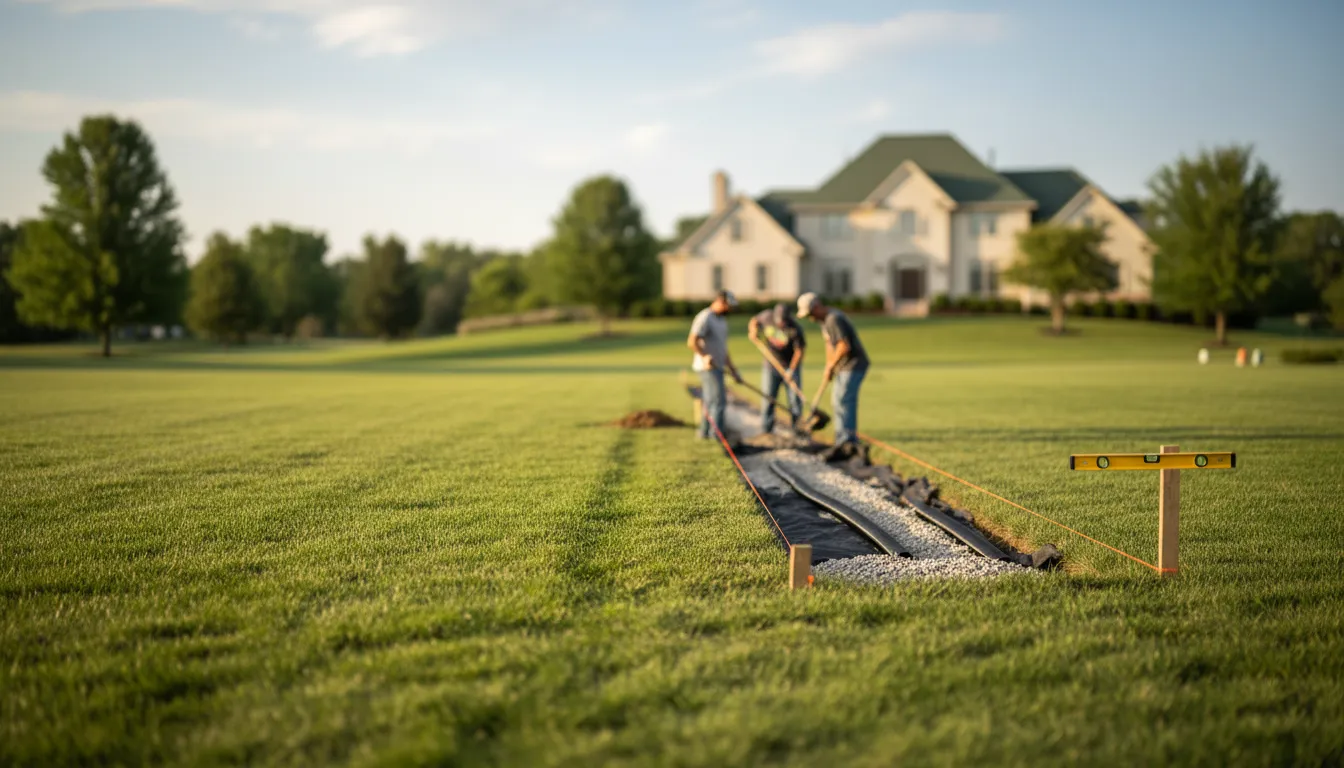
Find the Best Yard Drainage Contractors for Your Business
No obligation • Fast responses • Nationwide coverage

Why you can trust Landscape Atlas
Landscape Atlas is a leading United States resource for evaluating landscaping, lawn care, and outdoor service providers. Our team researches each category in depth, focusing on service quality, safety, and customer experience. Listings and rankings are based on independent criteria and user feedback, and companies cannot pay to influence our assessments or recommendations.
Search providers near you
Best Yard Drainage Contractors in Pennsylvania Ranked
Proper yard drainage and grading are essential for protecting your Pennsylvania home from water damage, managing stormwater responsibly, and maintaining a healthy landscape. Excess water from heavy rains, snowmelt, or poor drainage can lead to flooded basements, foundation cracks, soil erosion, and mosquito breeding grounds. This guide explains the key principles, common solutions, and local considerations for managing water on your property, helping you connect with qualified professionals who can assess your site and implement effective systems.
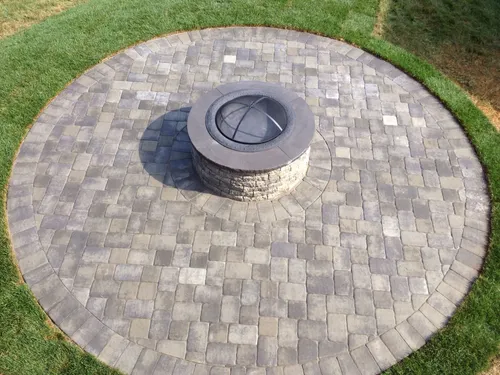
Michael's Landscape Design
750 Maple Ave, Southampton Township, NJ 08088
Michael's Landscape Design is a landscaping and hardscaping company serving the Philadelphia, PA area and South Jersey, including Burlington, Mercer, and Camden counties. Founded in 1997, the company offers a range of services such as landscape design, patio and paver installation, grading, drainage solutions, landscape lighting, and sod installation. They specialize in hand-laid brick and interlocking paver work and handle projects from small garden pathways to large property makeovers with an owner-operated approach ensuring attention to detail throughout the process.
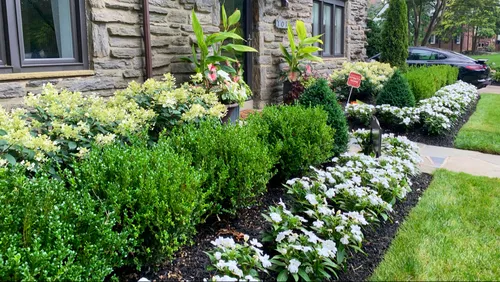
Beerman and Sons Landscaping
230 Bells Lake Rd, Turnersville, NJ 08012
Beerman and Sons Landscaping is based in Turnersville, NJ, serving Philadelphia, PA, and surrounding counties. Founded by Bill Beerman, a Penn State graduate with over 20 years of experience, the company offers comprehensive landscaping services including landscape design, hardscaping with durable pavers and natural stone, sod installation, grading, drainage solutions, lawn establishment, and landscape lighting. Their approach combines formal horticultural education with practical expertise to create outdoor spaces that thrive year-round and enhance residential properties.
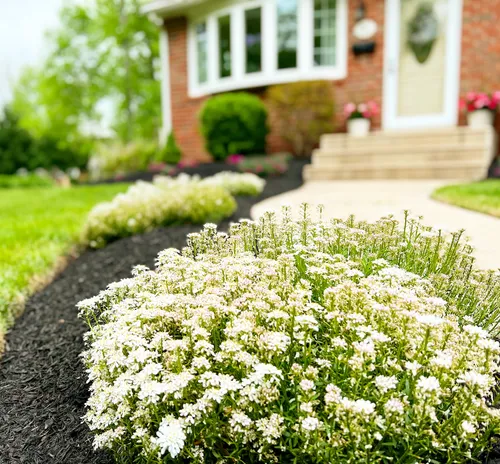
E&J Landscaping LLC
31 Upland Rd, Brookhaven, PA 19015
E&J Landscaping LLC provides comprehensive lawn care, landscaping, drainage, and outdoor improvement services in Philadelphia, PA. They offer routine property maintenance such as mowing, bush trimming, garden care, and seasonal cleanups, along with custom landscape design and installation of paver and flagstone patios. Their expertise includes yard grading and stormwater management solutions like French drains and catch basins to protect home foundations. Serving Delaware County communities, E&J Landscaping LLC is licensed and insured, focusing on quality materials and construction to maintain healthy, attractive outdoor spaces.
Greenstone Gardens
Philadelphia, PA
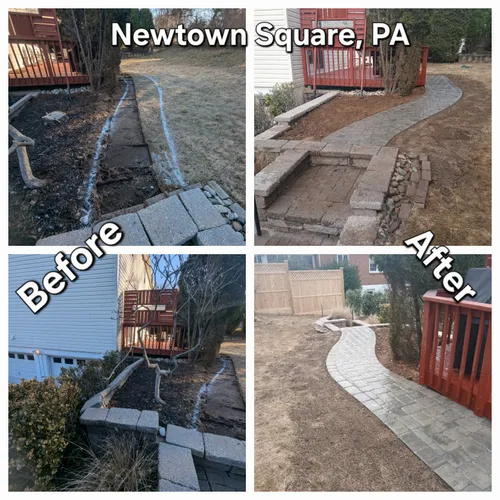
Greenstone Gardens is a family-owned landscaping and hardscaping company serving Philadelphia, PA, and the surrounding areas. With 44 years of experience, they offer a wide range of services including landscape design, hardscaping, drainage solutions, tree planting, and outdoor kitchen installation. Their expertise includes building patios, retaining walls, and effective water management systems to enhance both the beauty and functionality of outdoor spaces. As a second-generation company, Greenstone Gardens combines traditional craftsmanship with innovative techniques to create personalized outdoor environments.
A&J Lawn Pros LLC
Pittsburgh, PA
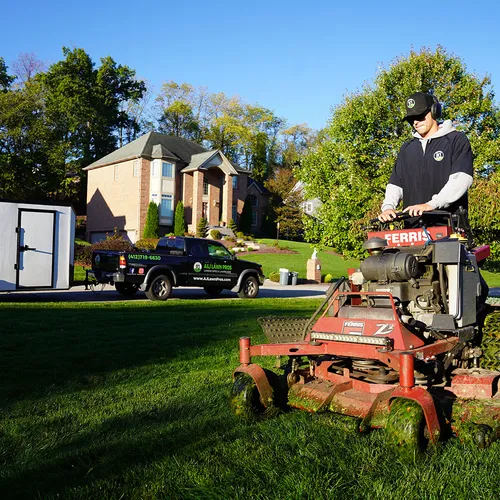
A&J Lawn Pros LLC is a landscaping and lawn care company based in Pittsburgh, PA. They offer a wide range of outdoor services including lawn mowing, fertilization, weed control, landscape design, hardscaping with patios and retaining walls, yard drainage, land clearing, and holiday lighting installation. Their team also handles commercial and residential property maintenance, excavation, and grading projects. The company is licensed and insured, emphasizing safety and professionalism in their work. They provide personalized consultations and use commercial-grade equipment to maintain lawns and outdoor spaces.
Why Drainage is Critical in Pennsylvania
Pennsylvania's climate and geology present unique challenges for property owners. Understanding these factors is the first step toward an effective drainage plan.
- Increasingly Intense Rainfall: Climate change is bringing more frequent and severe storm events to the region, which can overwhelm traditional gutters and surface drainage. Modern approaches focus on slowing down and infiltrating water on-site rather than just moving it quickly off the property.
- Freeze-Thaw Cycles: Pennsylvania winters feature cycles of freezing and thawing. When water saturates the soil around your foundation and then freezes, it expands. This expansion, known as frost heave, can cause significant structural damage to foundations, walkways, and driveways. Proper grading and subsurface drainage are vital to keep water away from these areas.
- Prevalent Clay Soils: Much of Pennsylvania has clay-heavy soil. Clay has very small particles that compact easily, resulting in slow water infiltration (permeability). This means water tends to pool on the surface or run off rather than soak in, creating soggy lawns and increasing runoff volume. Effective solutions often involve engineered systems to move water through or away from these dense soils.
Core Principles of Effective Stormwater Management
State and local guidelines often promote Low Impact Development (LID) and Best Management Practices (BMPs). These concepts focus on working with nature to manage rainfall where it lands.
- Infiltrate, Don't Just Convey: The primary goal should be to get water into the ground on your property. This recharges groundwater, reduces the burden on municipal storm sewers, and filters pollutants naturally. Simply piping all water to the street is an outdated approach.
- Disconnect Impervious Surfaces: Break up the path of runoff from roofs, driveways, and patios. Instead of letting all roof water flow into a single pipe to the street, redirect downspouts to lawns, rain gardens, or collection barrels.
- Use Native Plants: Landscaping with deep-rooted native plants improves soil structure and creates natural pathways for water to infiltrate. Their roots help hold soil in place and absorb significant amounts of water.
Common Yard Drainage & Grading Solutions
A combination of techniques is often the most effective strategy. Here are the most widely used solutions for Pennsylvania homes.
1. Regrading and Lawn Leveling
This is the most fundamental drainage fix. The soil around your home's foundation should slope away at a minimum grade of 6 inches of drop over the first 10 feet 1. Over time, soil can settle or erode, creating dips and basins that hold water against the house. Regrading involves moving and compacting soil to restore the proper slope, directing surface water away from vulnerable areas. For larger lawns, laser-guided equipment ensures precise, consistent slopes.
2. French Drains and Dry Wells
These are subsurface solutions for moving water away from problem areas. A French drain is a trench filled with gravel or rock containing a perforated pipe. It collects water from saturated soil and channels it to a safer discharge point, like a storm drain or a dry well. A dry well is an underground chamber filled with gravel that collects water and allows it to slowly percolate into the surrounding soil. They are excellent for dealing with persistent soggy spots or managing downspout runoff in areas with poor infiltration 2.
3. Rain Gardens and Bioswales
These are landscaped depressions designed to capture, filter, and absorb runoff from roofs, driveways, and other hard surfaces. A rain garden is a bowl-shaped area planted with native, water-tolerant plants. The amended, porous soil allows standing water to infiltrate within 24-48 hours, preventing mosquito breeding. Bioswales are similar but are often long, shallow channels that slow and treat water as it flows. They are highly effective BMPs that beautify your landscape while managing water 3.
4. Pervious Pavement
For driveways, patios, or walkways, pervious (or permeable) pavement is an excellent option. Materials like pervious concrete, porous asphalt, or interlocking pavers allow rainwater to pass through the surface into a stone reservoir below, where it slowly infiltrates the soil. This significantly reduces runoff volume from what would otherwise be a solid impervious surface 4.
5. Rain Barrels and Cisterns
These systems capture rainwater from your roof via downspouts, storing it for later use in watering gardens or lawns. While their storage capacity is limited, they are a simple, low-cost way to reduce peak runoff during a storm and provide a free source of irrigation water. Multiple barrels can be linked together, or larger cisterns can be installed underground for greater capacity 5 6.
6. Gutter and Downspout Management
Your roof sheds a tremendous amount of water. Ensuring gutters are clean and properly pitched is step one. The critical step is managing where the downspout water goes. Downspout extensions (splash blocks or corrugated pipes) should direct water at least 5-10 feet away from your foundation. For a better solution, connect downspouts to a French drain, rain garden, or rain barrel system to disconnect them from the storm sewer 7.
Find the perfect yard drainage contractors for your needs
Get personalized recommendations and expert advice
Understanding Costs for Drainage Projects
Costs vary dramatically based on the size of your property, the complexity of the problem, the solutions chosen, and labor rates in your area. Below are general price ranges to help you budget.
- DIY Basic Grading/Gutter Extensions: If you handle the labor, materials for soil, fill, and extensions can range from $100 to $500.
- Rain Barrel Installation: A single barrel with a diverter kit typically costs $100 to $300. Professional installation may add to this cost.
- Rain Garden Installation: Creating a rain garden involves excavation, soil amendment, and plants. DIY material costs can be $300 to $1,500. Hiring a professional for design and installation will increase the total.
- French Drain Installation: This is a more involved project. Installed costs typically range from $1,000 to $3,000 or more for a standard 100-foot run, depending on depth, materials, and site difficulty.
- Pervious Paving: Material and installation costs for pervious surfaces are higher than conventional pavement, often ranging from $10 to $25+ per square foot 8.
Local Regulations and Professional Guidance
Before starting any significant drainage project, especially those that alter runoff patterns or connect to municipal systems, check with your local municipality. Many Pennsylvania townships and boroughs have specific ordinances regarding stormwater management, erosion control, and impervious surface coverage. You may need a permit 9.
For complex issues involving foundation water, persistent flooding, or large properties, consulting with a professional is wise. Look for licensed landscape architects, civil engineers specializing in residential work, or experienced landscape contractors with specific expertise in drainage and grading. A professional can provide a site analysis, design an integrated system, and ensure it meets local codes.
Maintenance is Key
Any drainage system requires periodic maintenance to function properly. Gutters and downspouts should be cleaned at least twice a year. Inspect French drain outlets for blockages. Remove sediment and debris from the surface of rain gardens and prune plants as needed. Keeping your systems clear ensures they will protect your property for years to come 10.
Frequently asked questions
Sources
Footnotes
-
Grading Yard for Drainage: A Homeowner's Step-by-Step Guide - https://tamuradesigns.com/grading-yard-for-drainage/ ↩
-
Pennsylvania Stormwater Best Management Practices Manual ... - https://www.stormwaterpa.org/assets/media/BMP_manual/07_Chapter_6.pdf ↩
-
Effectiveness of Rain Gardens for Managing Non-Point Source Pollution from Urban Surface Storm Water Runoff in Eastern Texas, USA - https://www.mdpi.com/2071-1050/17/10/4631 ↩
-
Section 6 - Structural BMPs - part 1 - DEP - https://www.dep.state.pa.us/dep/subject/advcoun/stormwater/manual_draftjan05/section06-structuralbmps-part1.pdf ↩
-
Homeowner's Guide to Stormwater - https://www.pa.gov/content/dam/copapwp-pagov/en/pda/documents/plants_land_water/fertilizer/documents/The%20Homeowner%E2%80%99s%20Guide%20to%20Stormwater.pdf ↩
-
A HOMEOWNER'S TOOLKIT FOR WATER QUALITY AND ... - https://tjpdc.org/wp-content/uploads/A-Homeowners-Toolkit-for-Water-Quality-and-Stormwater-Management.pdf ↩
-
Stormwater - | YourHome - https://www.yourhome.gov.au/water/stormwater ↩
-
Lawn Leveling & Yard Grading Costs (2025 Guide) - https://modernize.com/foundations/lawn-leveling-cost ↩
-
Simplified Approach to Stormwater Management for Small ... - https://www.chesco.org/DocumentCenter/View/6504/FinalDraftAppendices_7_18_12 ↩
-
Homeowners Guide to Stormwater BMP Maintenance - DEP - https://files.dep.state.pa.us/water/bpnpsm/stormwatermanagement/constructionstormwater/sw_booklet_2017.pdf ↩